



Huang Bai (Phellodendri Cortex)
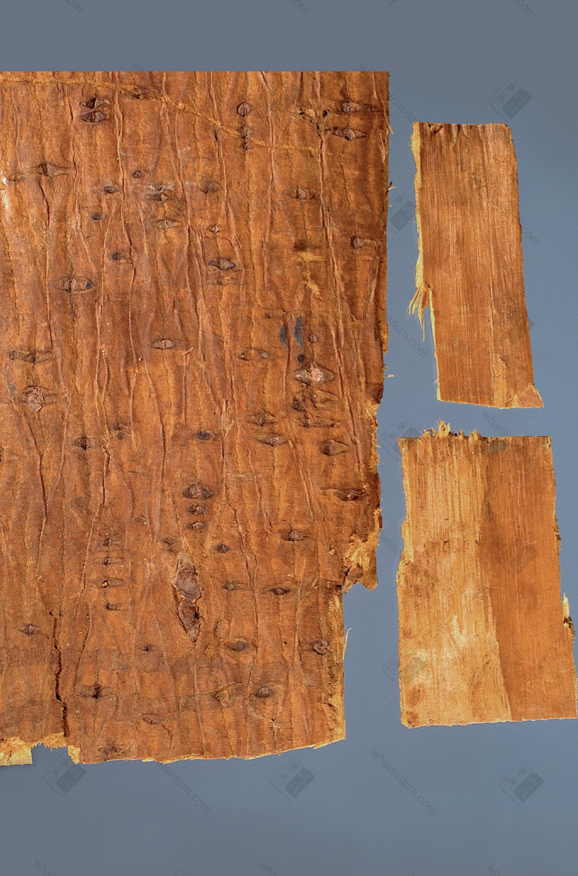
Guangxi Huang Bai (Plates, troughs, yellowish-brown, fine and dense longitudinal ribbing on the inner surface, easily broken and fibrous, bitter)
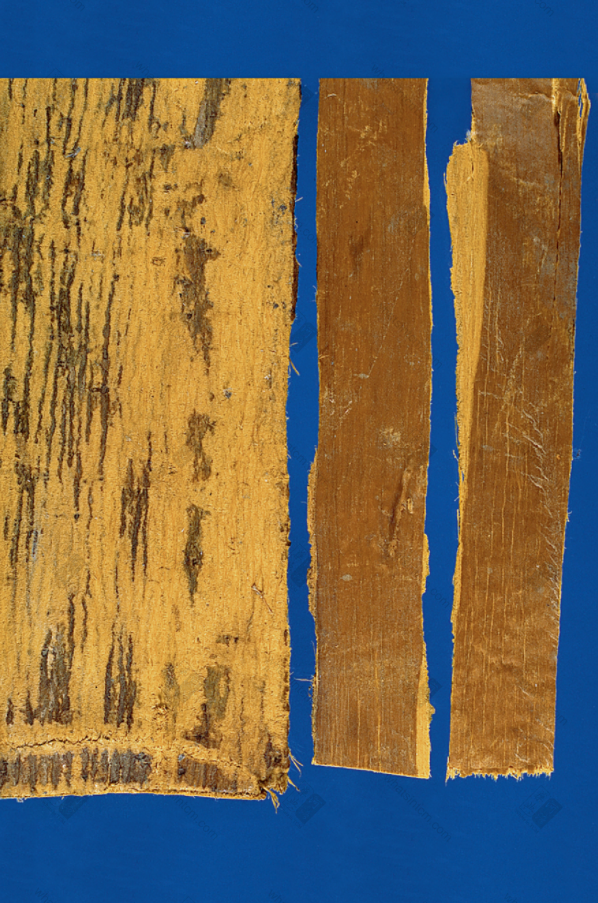
Scraped-skin Sichuan Huang Bai (Plates, troughs, yellowish-brown, fine and dense longitudinal ribbing on the inner surface, easily broken and fibrous, bitter)
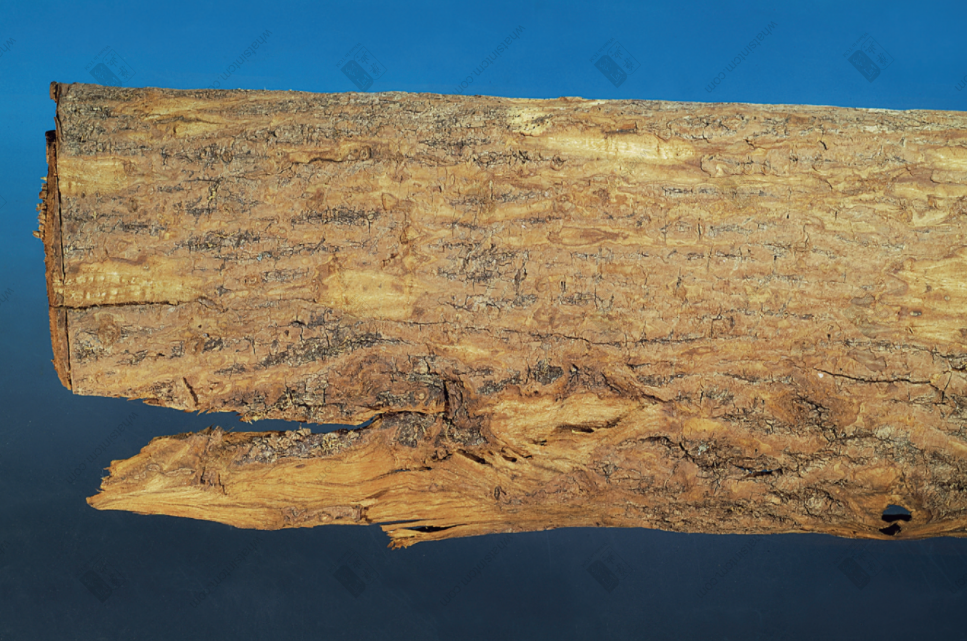 Taiwan Huang Bai
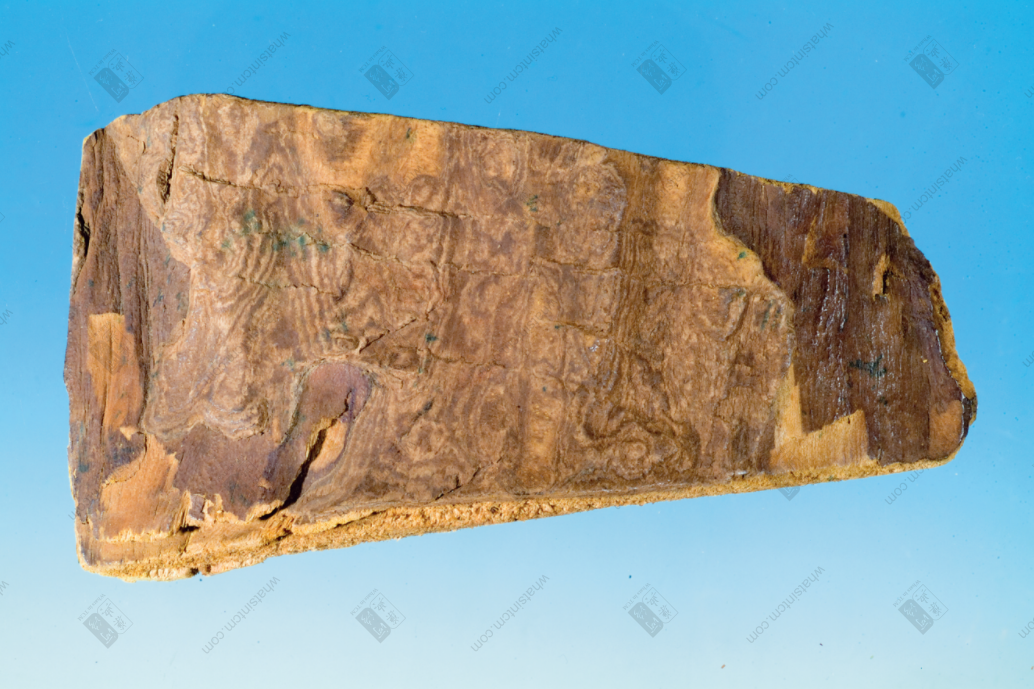 Taiwan Huang Bai
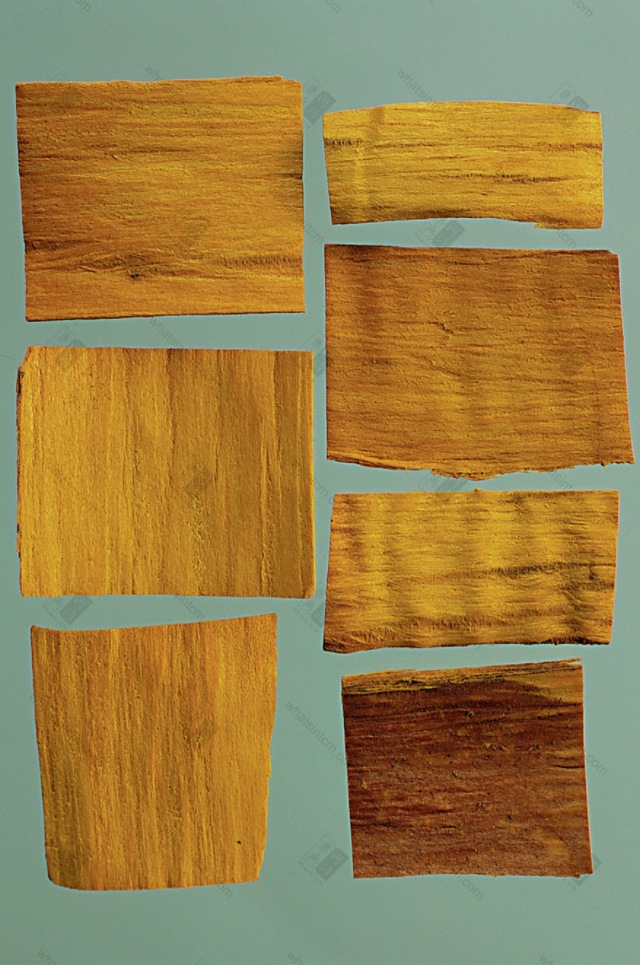
Huang Bai Slices
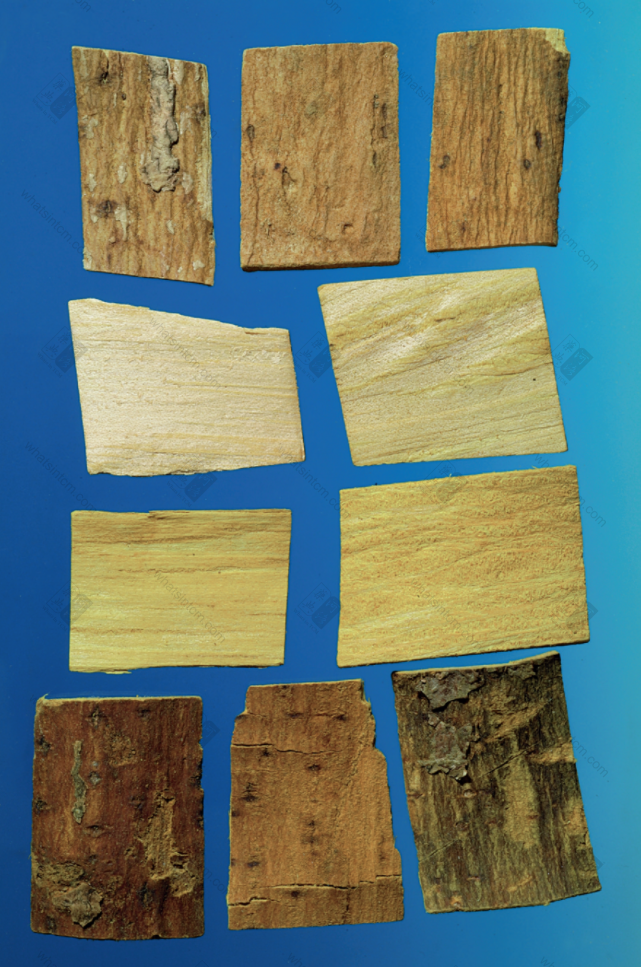
Guan Huang Bai (lighter above), Guangxi (more yellow below)
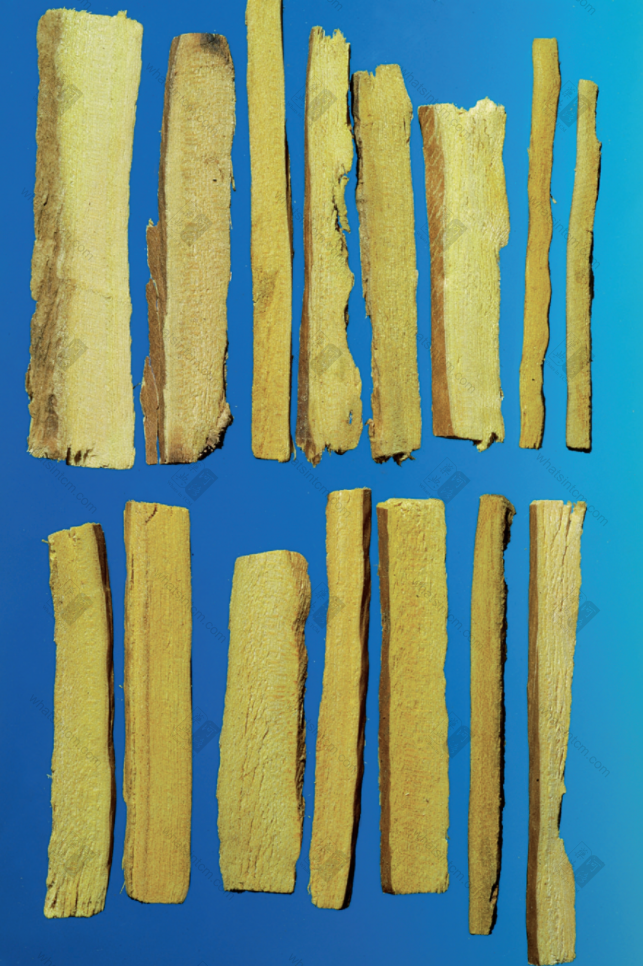
Huang Bai Filamentous Slices (Upper: Sichuan 8, Lower: Guan 7) (Surface shows flaky layering)
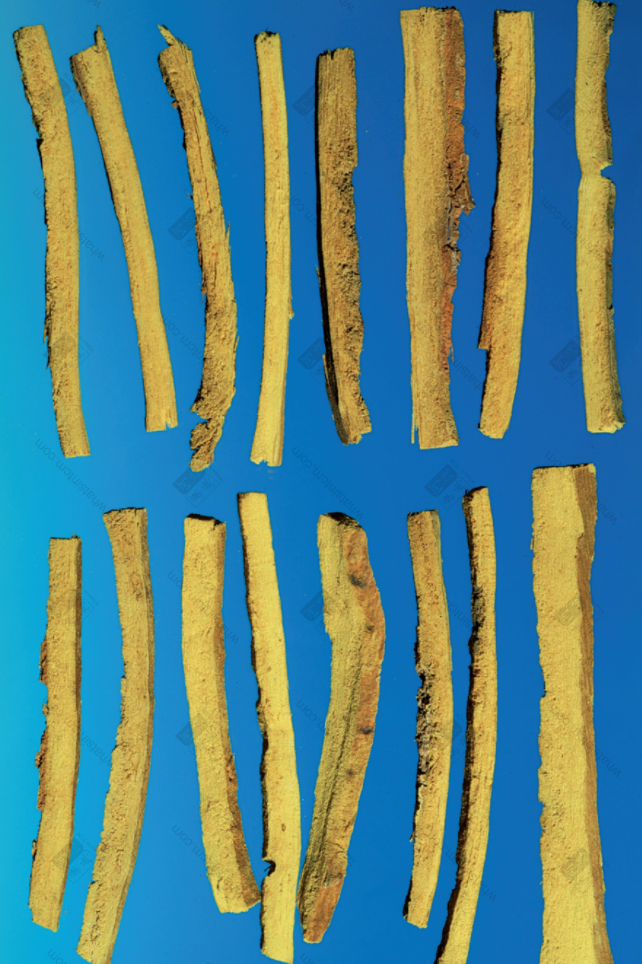
Guangxi Huang Bai (Lower: Processed with diluted salt water)
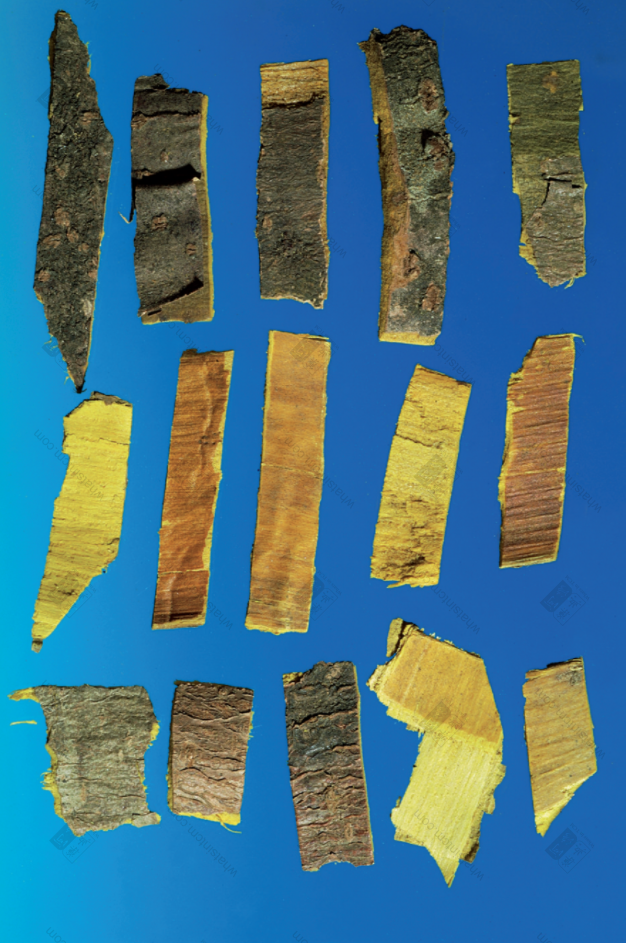
Guangxi Huang Bai (Cut edge pieces)
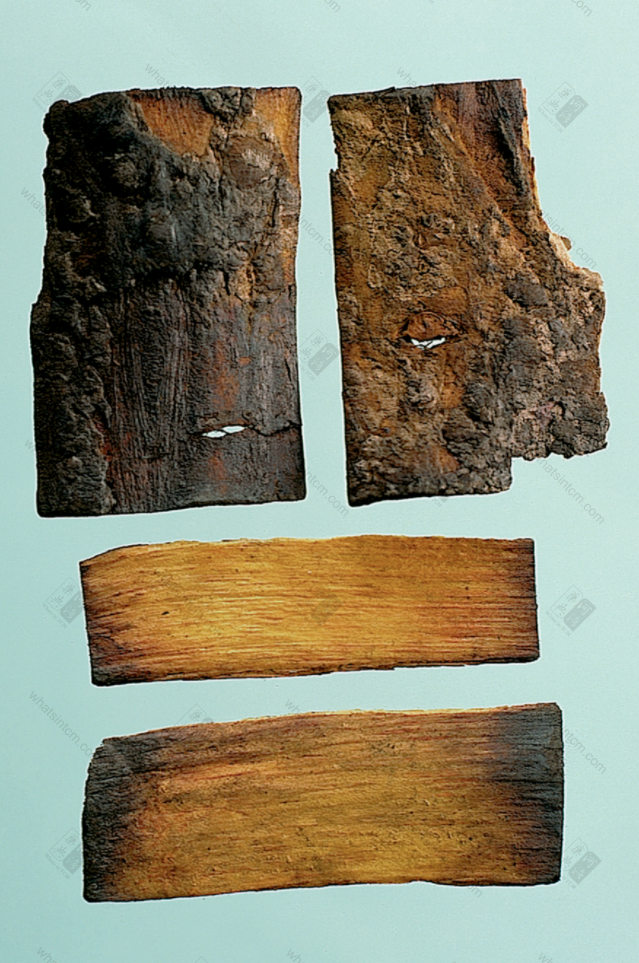
Wine-fried Huang Bai Slices
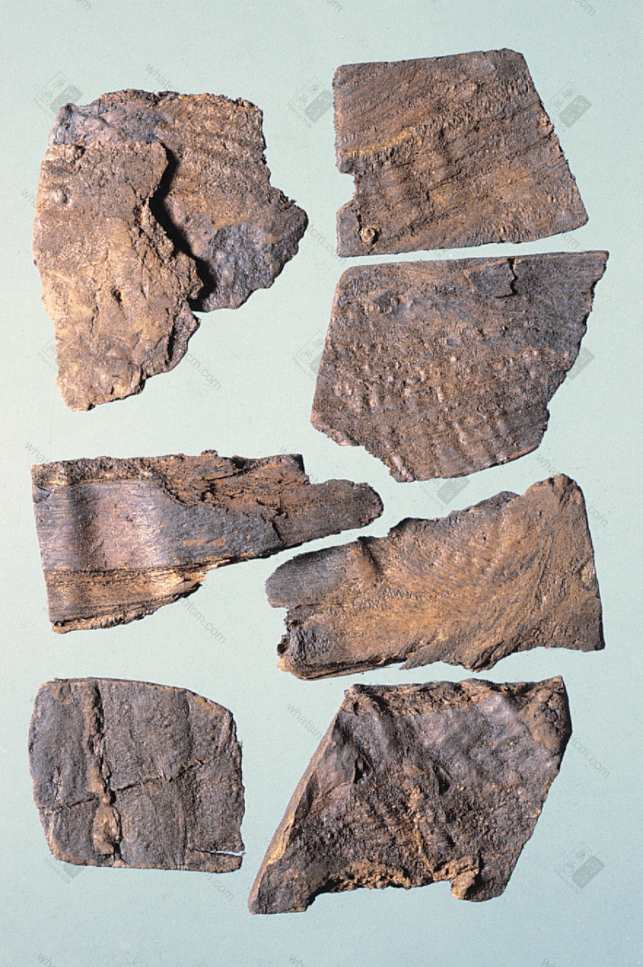
Salt-fried Huang Bai
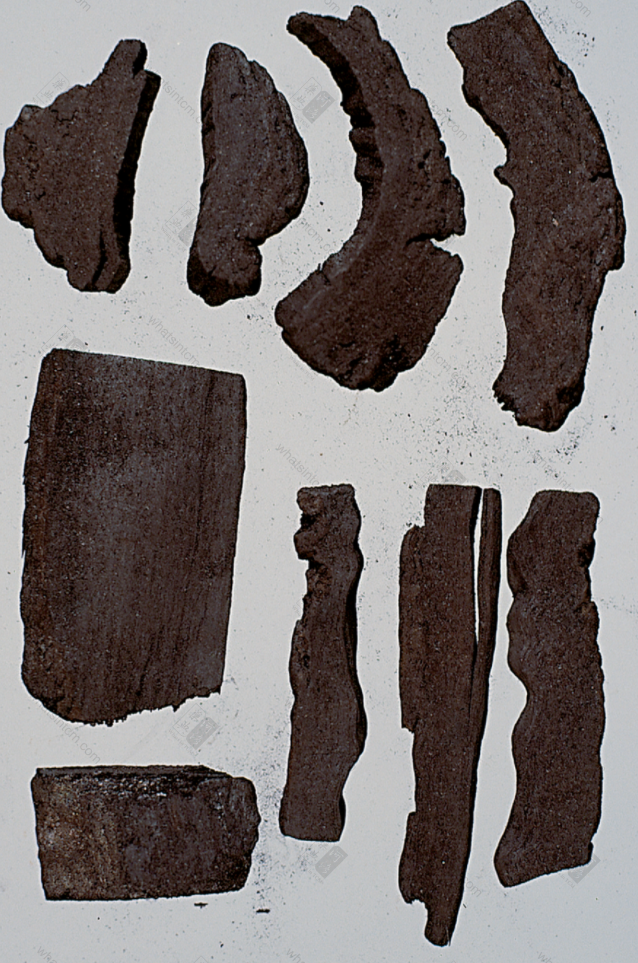
Huang Bai Charred
【Naming】
Huang Bai
【Source】
Superior Grade in the Classic of Materia Medica: Cork Tree (蘗木)
【Common Usage Level】
A
【Botanical Origin】
The dried bark, with the cork layer removed, of Phellodendron amurense Rupr. and related species of the Rutaceae family.
【Characteristics】
Commercial Huang Bai appears as plates, often with the cork layer removed, 1.5 ~ 4㎜ thick, greenish-yellow or light yellowish-brown. The outer surface is smooth, fibrous, and if the cork layer is not removed, wrinkles, longitudinal cracks and transverse lenticels are visible. The inner surface is dirty yellow to yellowish-brown. It is light, easily broken, the fracture surface is yellow, flaky, and fibrous. It has a slightly aromatic odor and an extremely bitter taste.
Prepared slices are cut into strips or filamentous slices of varying lengths, generally about 1.8~2㎜ thick, or thin square slices of 2~3㎝ in length and width, deep yellow or brownish-yellow in color, and extremely bitter in taste. After stir-frying, it turns yellowish-brown. After charring, it becomes blackish-brown. It is brittle and easily broken.
【Processing】
1. Huang Bai 2. Wine-Huang Bai 3. Salt-Huang Bai 4. Huang Bai Charred
【Identification】
“Materia Medica Classified According to Patterns” states: “The best has a thick, tight skin of two or three fen and is a bright yellow color”, “Thin and light with a deep color is superior.” “Essential of Materia Medica” states: “That from Shu Prefecture is the best.” “Concise Materia Medica” states: “That from Sichuan is thick and deep in color, and is good.” “Easy-to-Read Materia Medica” states: “That from Shu is the best, with thick flesh and deep color.” “Distinguishing Good from Bad” states: “Good quality has thick skin, a deep yellow color, and a bitter taste… A good quality powder will be sticky when mixed with water and kneaded.” The best quality is dry, bright yellow in color, completely free of rough outer bark, of uniform thickness, with fine texture, and a dense body. Huang Bai that is yellowish-white, thin-skinned, or discolored due to moisture is of inferior quality.
【Identification Terminology】
1. Flaky: Refers to bark-like medicinal materials in which the hard and flexible parts are arranged alternately, forming layers of thin flakes when broken, such as Huang Bai.
【Category】
Bark