



Wu Jia Pi (Acanthopanax Bark)
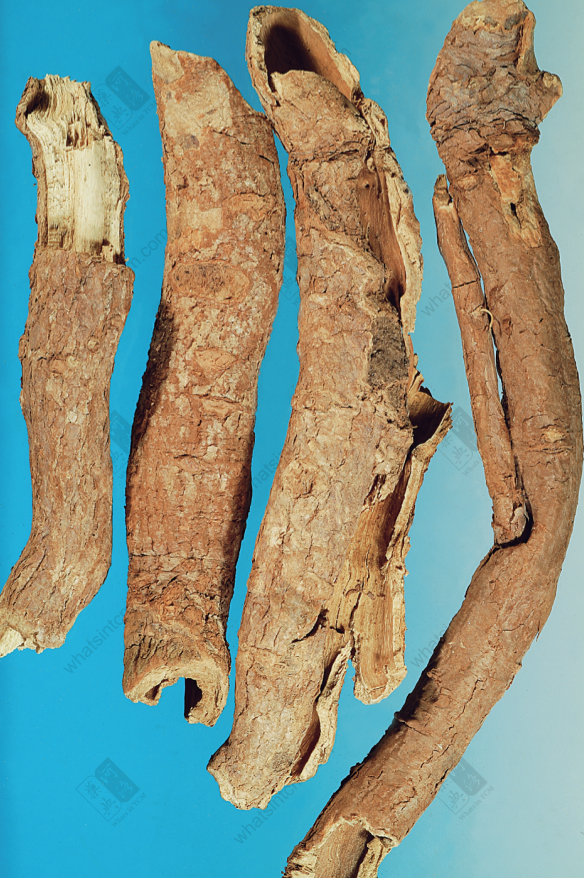 Northern Wu Jia Pi (Cylindrical rolls, grayish-brown-yellow, rough, with loose and cracked cork, peeling off in scales)
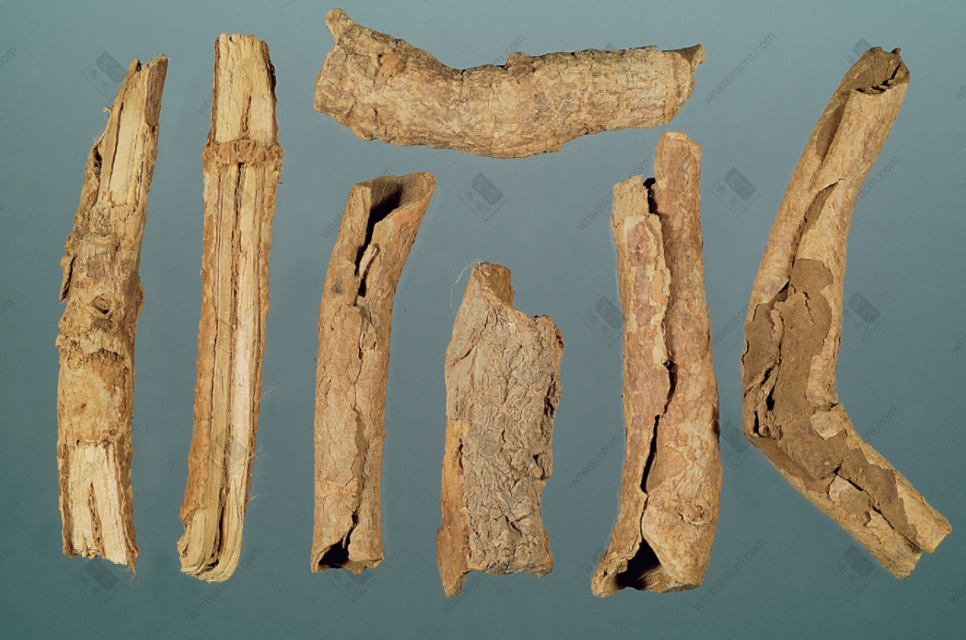 Northern Wu Jia Pi (Inner surface yellow and smooth, light, brittle and easily broken)
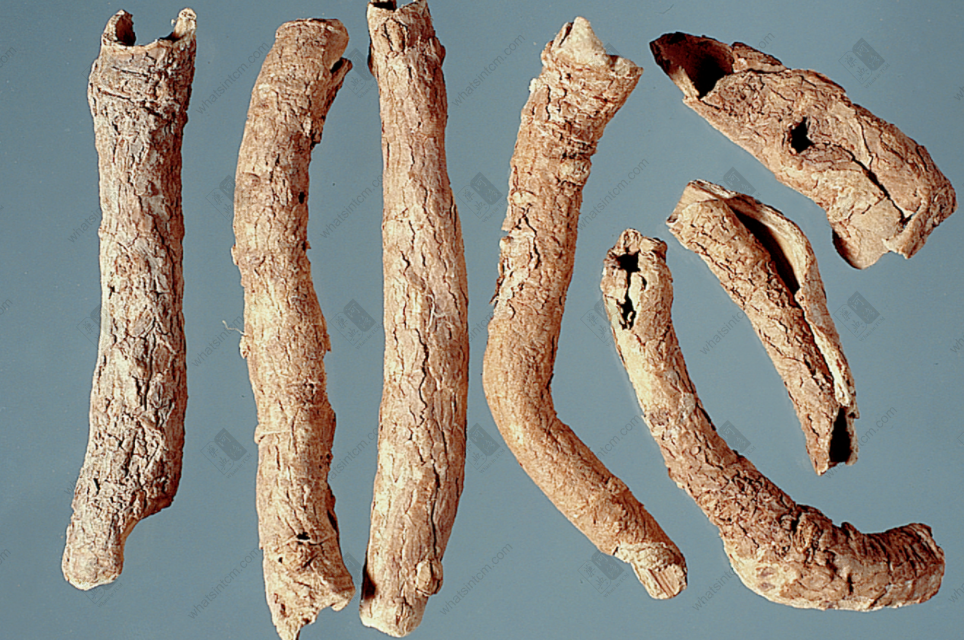 Northern Wu Jia Pi
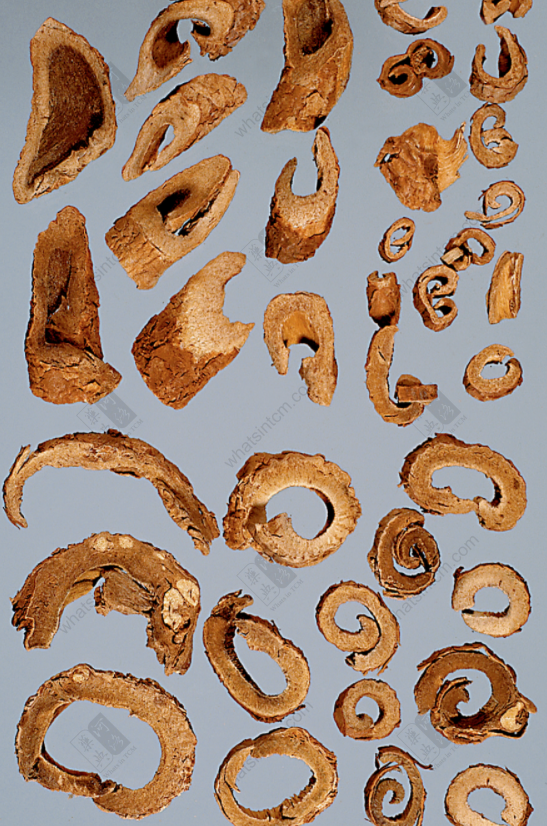 Northern Wu Jia Pi Slices
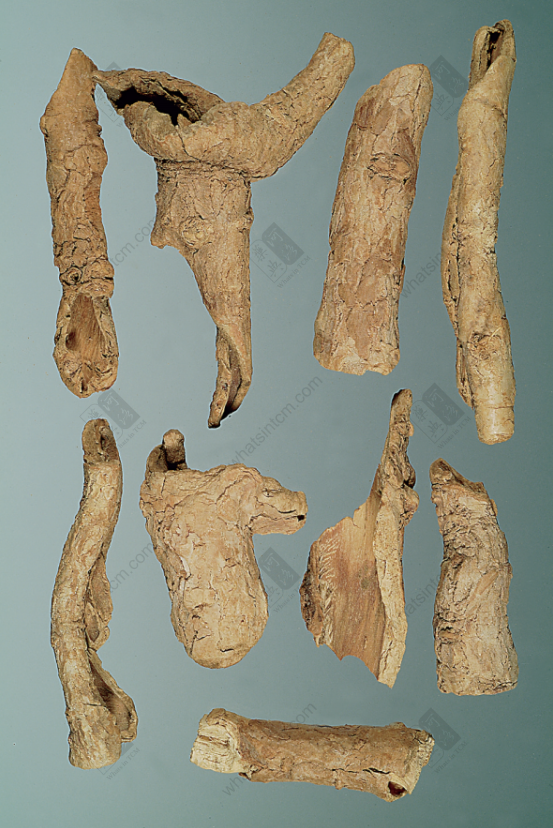 Southern Wu Jia Pi (Cylindrical rolls, outer grayish-brown, inner yellow, fragrant and slightly spicy, light, brittle and easily broken)
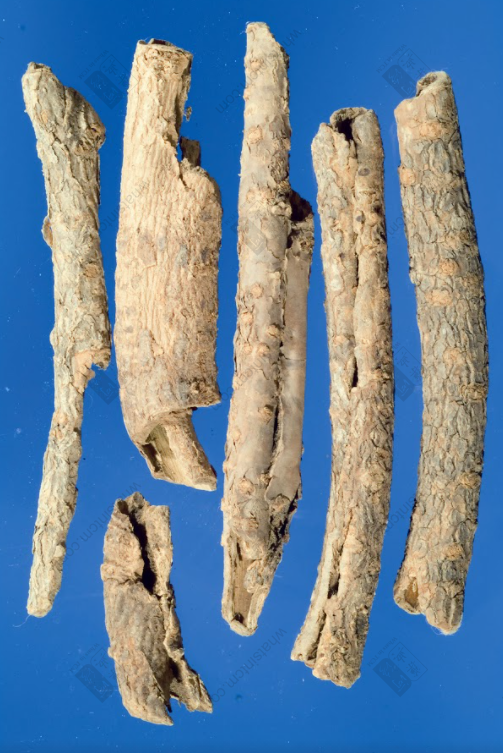 Southern Wu Jia Pi (Uneven fracture, easily stratified, with a whiter middle layer)
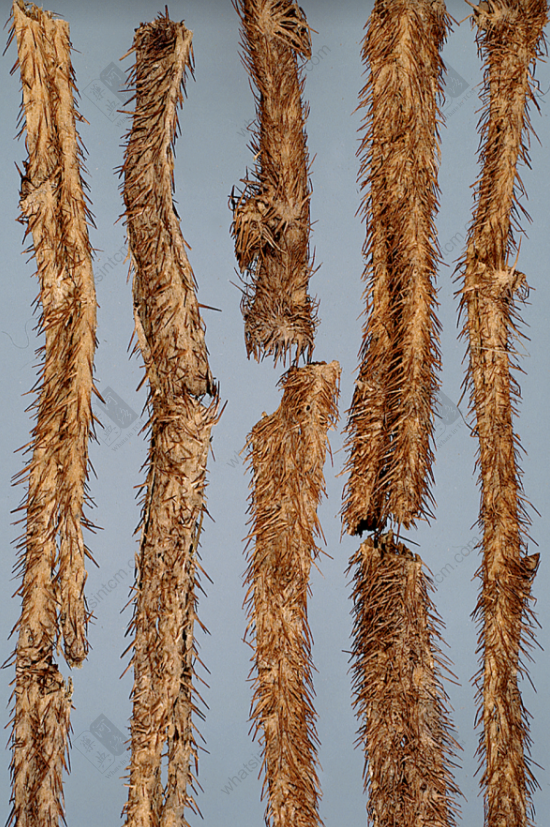 Sichuan Wu Jia Pi (Outer surface densely covered with reddish-brown hair-like prickles)
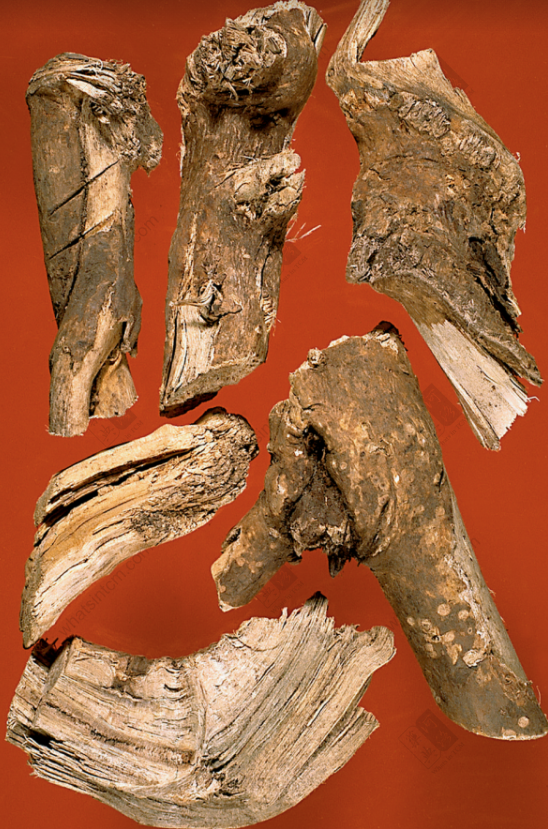 Ci Wu Jia (Thorny Acanthopanax) (Nodular cylindrical shape, grayish-brown, peeling skin reveals grayish-yellow)
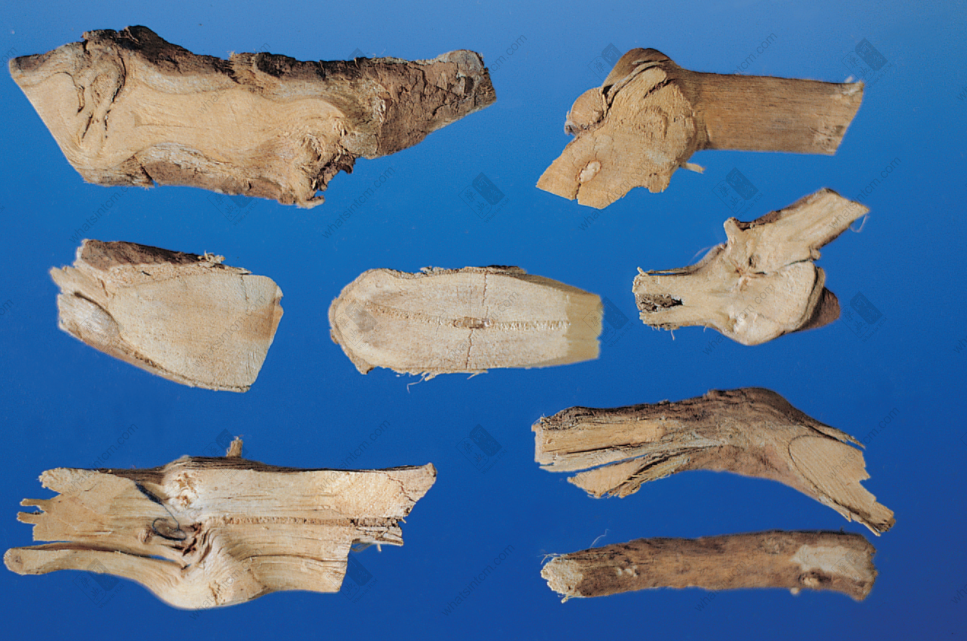 Ci Wu Jia Slices (Yellow and fibrous, slightly bitter and astringent with a peculiar aroma)
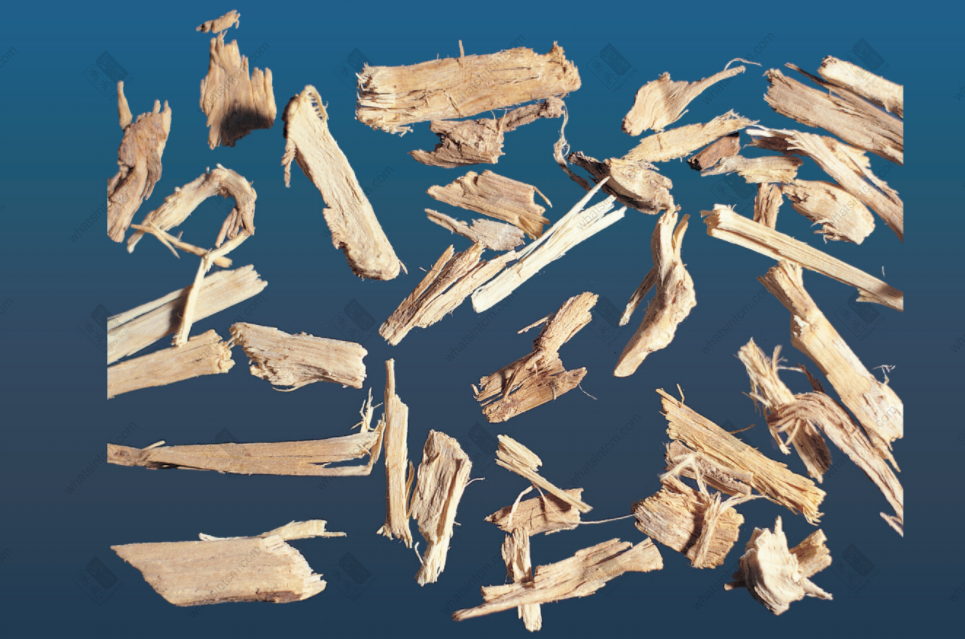 Ci Wu Jia Slices
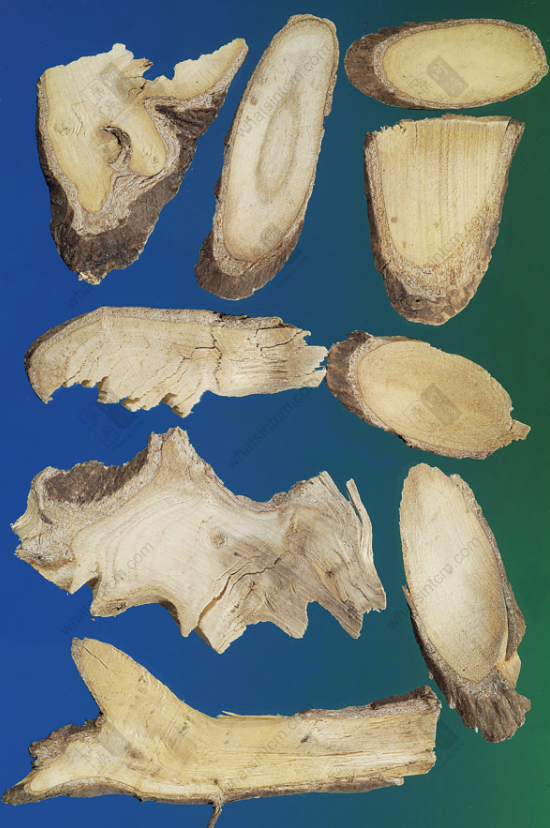 Ci Wu Jia Slices
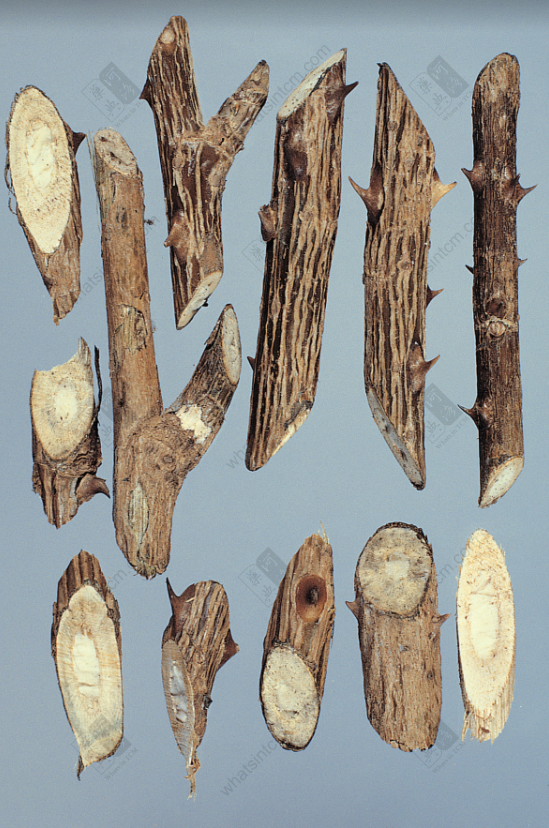 Ci Wu Jia
【Naming】
【Source】
Classic of Herbal Medicine (Ben Jing), Superior Grade – Wu Jia
【Common Use Level】
C
【Botanical Origin】
The dried root bark of Acanthopanax gracilistylus W. W. Smith of the Araliaceae family.
【Characteristics】
Southern Wu Jia Pi: Presents as cylindrical rolls, single or double rolls, mostly double rolls, varying in length, 5~10㎝ long, tubular shape about 6㎜, about 1~2㎜ thick. The outer surface is grayish-brown or grayish-brown, relatively smooth, with grayish-white longitudinal fine wrinkles and transverse lenticels, and the inner surface is light yellow or light yellowish-brown. It is light and brittle, easily broken, and the fracture surface is flat.
The decoction pieces (Yin Pian) have a grayish-brown outer surface and a yellow interior with longitudinal lines. The texture is light and brittle. It has a slightly fragrant aroma and a slightly bitter and astringent taste.
【Identification】
Mingyi Bielu: “Wu Jia is also named Chuan Jie. The one with five leaves is good.” Zhenglei Bencao: “The one with leaves growing in five forks in clusters is good.” Bencao Mengquan: “The one with leaves in clusters is good.” Bencao Gangmu: “Yang Shen’s Danqianlu writes Wu Jia as Wu Jia, saying that the one with five leaves on one branch is good.” Bencao Beiyao: “The stem is green with white nodes, the flower is red and the skin is yellow, the root is black, corresponding to the essence of the five planets, the fragrant one with five leaves is good.”
The best is the one with long strips, thick skin, fragrant aroma, and no wood core.
Wu Jia Pi and Xiang Jia Pi Main Differences
Name
Characteristics Wu Jia Pi Xiang Jia Pi
Source Dried root bark of Acanthopanax gracilistylus W. W. Smith of the Araliaceae family Dried stem bark of Periploca sepium Bge. of the Asclepiadaceae family
Shape Presents as slender cylindrical rolls, single or double rolls, irregular cylindrical rolls Cylindrical or trough-shaped, a few are irregular
Size Length 5-15cm, diameter 0.4-1.4cm, thickness 2mm Length 3-10cm, diameter 1-2cm, thickness 2-4mm
Outer Surface Grayish-brown or grayish-brown, with slightly twisted longitudinal lines and transverse lenticels Brownish-yellow or grayish-brown, with fine wrinkles, relatively rough, relatively thick, loose cork with irregular cracks, often peeling off in scales
Inner Surface Yellowish-white or grayish-yellow, with fine longitudinal lines Light yellow or light yellowish-brown, relatively smooth, with fine longitudinal lines
Texture Light and brittle, easily broken Loose and brittle, easily broken
Fracture Grayish-white, irregular, slightly flat Yellowish-white, irregular
Odor Slightly fragrant, taste slightly pungent and bitter-astringent Strong aroma, peculiar aroma, bitter taste, slightly numb sensation on the tongue
【Section】
Bark Category
Related Products
