



Musk
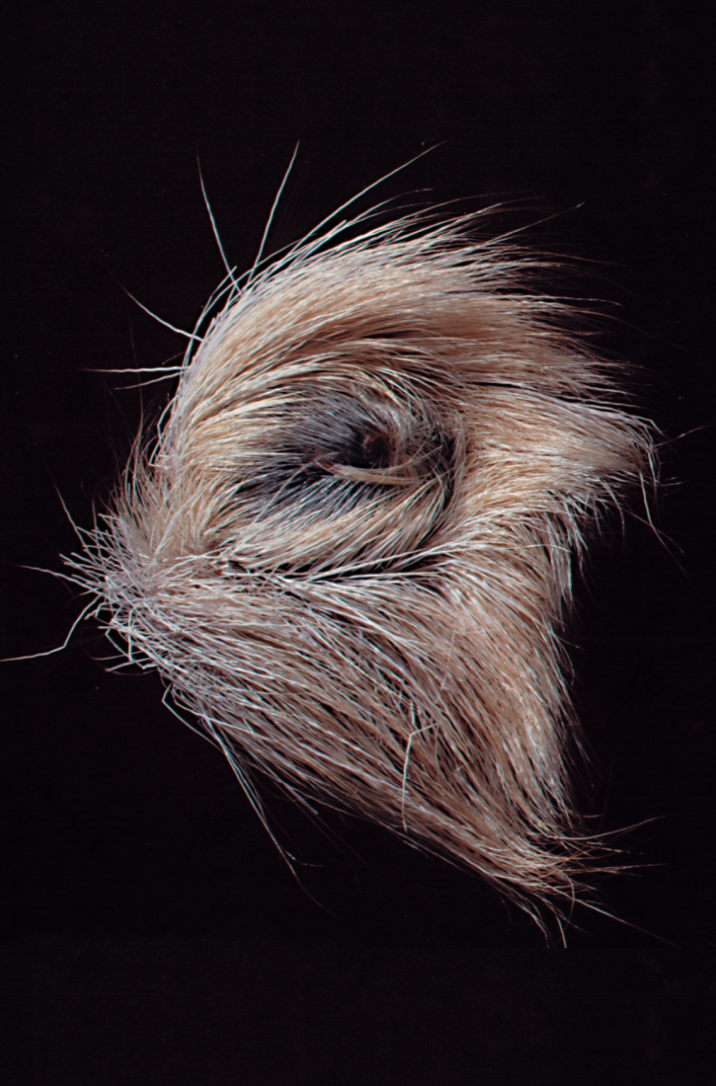 Musk with fur (spherical, oval, or oblate, densely covered with fine, short, white-gray-brown hairs; the other side has a dark brown membrane, oily and loose texture, elastic when pinched, with a strong and unique aroma)
【Naming】
【Source】
Superior Class in Shen Nong’s Herbal Classic
【Common Usage Level】
C
【Origin】
The dried secretions from the musk gland of the male musk deer Moschus moschiferus L.
【Characteristics】
1. Whole Musk Grain: Spherical, oval, or oblate, with a diameter of 3-7 cm. The opening surface is slightly flat, densely covered with fine, short, white or grayish-brown hairs, arranged around the center on both sides. There is a small hole in the center (gland opening), about 2-3 mm in diameter; after removing the hair, the brown leathery skin is visible. The other side is a dark brown membrane, hairless, and slightly elastic when pinched. When cut open with scissors, a middle layer of membrane can be seen, silvery-gray and transparent, commonly known as “Silver Skin”; the inner layer of membrane is reddish-brown, commonly known as “Oily Skin”. The inside contains granular and powdery musk grains. The texture is relatively soft, with a unique aroma.
2. Musk Grains: Freshly, it is a thick, dark brown ointment; after drying, it is a brownish-yellow or purplish-red powder, fine, oily and shiny, occasionally mixed with fine hairs. Those in the shape of lumps or granules are commonly called “Dang Men Zi”, which are irregularly round or flattened, mostly purplish-black, slightly textured, oily and shiny. The texture is soft and oily, forming a clump when kneaded but not sticky to the hand, not clumping together, and immediately loosening and springing back when released. It has a strong and unique aroma, a slightly bitter and slightly spicy taste, and produces a piercing, burning, and pulsating sensation on the tongue.
【Identification】
Classified Materia Medica: “The superior quality is when the hair is inside when broken open.” Collection of Medical Prescriptions: “True musk feels delicate when pinched with the fingers. Also, it is said that the bitter taste is good. A pound of honey, aged, is good.” Compendium of Materia Medica: “Musk from the Northwest is fragrant and solid.” Compilation of Empirical Formulas: “Musk, with a pungent taste, is genuine if it feels loose when rubbed with the fingers.” Distinguishing Additional Herbs: “When there is sudden pain inside the navel in the spring, it is best if it is picked out with the fingernails and buried in the soil. The best is from the Qiang Yi.” Discriminating Good and Bad: “If the outside has many hairs covering it, and the color is light brown, this is top quality; the stronger the pungent aroma, the better.”
Musk is a high-priced and precious medicinal material, and there are many empirical methods for identifying its authenticity and quality. The collected and organized descriptions are as follows:
- Appearance and Characteristics of Whole Musk Grain: The best is when the shape is natural, large, not full, soft, oblate, with short hairs, thin skin edges, no wrinkles, white color, shiny, dry, loose and elastic, and rich in oil. The aroma is strong when cut open, and the grains are full. Dull and lusterless hairy shell is second best.
- Hand Test Elasticity: Although whole musk is solid, it is elastic. If it feels slightly soft when pinched by hand, it will return to its original shape when released.
- Iron Needle Insertion: Insert a specially made iron needle into the sac to check for foreign objects. If the needle is unobstructed, not涩針, the grain eyes are clear, the aroma is strong, and there is no case of first strong and then weak, it is a genuine product. If there are solid lumps, it is mostly adulterated with dried blood clots, dried meat, Cynomorium songaricum powder, liver powder, sheep manure, catechu, or even sand, lead blocks, aluminum blocks, iron filings, etc.
- Use a specially made grooved needle, insert it from the opening of the musk sac:
- Rotate the grooved needle and extract musk grains, then immediately examine them. The musk grains in the groove should gradually expand and rise above the groove surface, commonly known as “Rising from the Groove”. The musk grains are oily, the granules are loose, there are no sharp angles, and the aroma is strong.
- Rotate the grooved needle, stir and draw in all directions, and observe the groove. If there are fine villous white hairs, clear powder grain marks, no sharp angles, natural looseness, and they are stacked like fly maggots, it is genuine musk.
- If the granules are irregular, have sharp angles, no pure hair, are dry and lusterless, or have foreign objects such as fibers, or abnormal odors, it is a counterfeit.
- Musk Grain Powder: Brownish-brown or yellowish-brown, composed of countless irregular granular aggregates, translucent lumps, light yellow or light brown; the lumps contain or are scattered with square, columnar, octahedral, or irregular crystals, and round oil droplets can be seen, occasionally hairs and inner skin membrane tissue.
- Smell and Taste Test: Genuine musk has a strong and lasting aroma, which is captivating and long-lasting, with sweet, bitter, salty, numbing, spicy, and sour tastes. The taste is first bitter, then sweet, spicy, and sour, with a stimulating sensation, which is a pure product. If it is counterfeit or adulterated, it has a fishy, foul, or rank odor, exhibiting various different odors, such as a bloody or fecal odor. The tongue feels numb when tasted; counterfeit products do not have a captivating odor, and the odor disappears after smelling for a short time.
- Soak a thread in scallion juice, thread a needle through the musk sac, and if the scallion odor and taste completely disappear, it is a genuine product; otherwise, it is a counterfeit.
- Water Test: Take a small amount of musk and put it in a bowl of boiling water. It does not dissolve immediately, and the water remains slightly yellow and clear. If the water is removed and it remains fragrant and not foul, it is a genuine product.
- When “Dang Men Zi” is soaked in boiling water, the genuine product remains solid, while the counterfeit completely disintegrates.
- The genuine and pure powder mostly floats on the surface of the water, while the counterfeit or adulterated product mostly sinks.
- If the aqueous solution is like syrup, clear in color and not turbid, and the undissolved residue is still fragrant and long-lasting, it is a genuine and pure product. If the aqueous solution changes to another color (such as brownish-red, brownish-brown, etc.) and is turbid, and the residue is not fragrant or has a black and foul odor, it is an adulterated product.
- Burning Test:
- Take a small amount of musk and place it on a metal utensil. Burn it with strong heat. The genuine product should have a cracking sound like burning human hair, and bubble, emitting a strong fragrance and burnt smell, without the odor of foreign objects. After burning, the oil droplets are like beads, the ash is white, and there is no residue. If it does not smell fragrant when burned but has a bad odor of foreign objects, and there is black residue, it is a counterfeit.
- Place the product on tin foil and heat the tin foil with fire. If it jumps, it is a genuine and pure product.
- If musk is ground into an inkstone, the ink will separate immediately because the surface of the musk grain has oil.
- Simple Chemical Confirmation Test Method: Precise analytical instruments such as gas chromatographs and HPLC can be used to determine the content of Muscone (musk ketone), the main component of musk, and its authenticity, to evaluate various commercially available musk and its preparations. These chemical identifications require expensive instruments. The following are some examples of simple solvent test methods that can be tested in pharmacies:
- Place a small amount of the product on a surface glass, add about 2 ml of ethanol, the particles sink, forming a light brown slightly turbid liquid, and the alcohol slightly volatilizes, leaving an oil trace, which is a genuine product.
- Grind musk and antimony pentachloride (SbCl5) together, and the aroma disappears. If a small amount of ammonia water is added and the aroma returns, it is a genuine product.
- When this product encounters sulfur, charcoal, animal charcoal, etc., its odor disappears.
- Take a small amount of musk grains and place them on a surface glass containing chloroform. The musk grains float on the surface of the chloroform liquid. After stirring, the solution remains colorless. After the chloroform evaporates, a small amount of whitish oily or fatty substance precipitates around the musk grains.
- Alkali Test: Adding dilute alkali solution to this product briefly produces a strong aroma; adding concentrated alkali solution (or hot alkali solution) completely eliminates the aroma and produces a pungent pure ammonia odor.
【Identification Terms】
- Three Fragrances: Musk has a strong and lasting aroma. When smelled repeatedly, the aroma is consistent, without the feeling of being strong at first and then weak, or not smelling fragrant. Therefore, there is a saying of “Three Fragrances.”
- Grain Eyes: “Grain” refers to the small and uniform musk grains, and “eye” refers to the gaps between the musk grains.
- Clear Grain Eyes: Musk grains are oily, the granules are natural, loose, and have no sharp angles, so the grain eyes are clear.
- Heart-Knot Musk: Refers to musk collected from dead musk deer, which is shaped like a dried blood clot and is of inferior quality.
- Oily Skin: The inner reddish-brown oily membrane of musk.
- Musk Meat: The secretions taken from the middle of the musk sac.
- Rising from the Groove: Refers to inserting a special needle from the sac hole into the musk sac, stirring and inserting in different directions, rotating the grooved needle, and then immediately examining the needle. The musk grain on the groove should first be level with the groove and then expand and rise above the groove surface, called Rising from the Groove. It is one of the special identification methods of musk.
- Seabed: The bottom membrane skin (sac shell) opposite the “Treasure Lid” is flat, commonly known as the seabed.
- Ash Pushing (Ash Pushing Phenomenon): Take a bowl of water, sprinkle a small amount of plant ash on the surface of the water, and then add musk powder. Then you can observe the phenomenon of pushing the plant ash. If it is not pushed away, it is a genuine product.
- Snake Head Musk: Refers to musk produced by small musk deer aged 5-10 years, which is of the best quality, named because its shape resembles a snake head.
- Yellow Fragrance Black Seed: Yellow fragrance refers to the brownish-yellow musk grain yellow fine powder, and black seed refers to the purplish-black “Dang Men Zi”, which is black on the outside and yellow when cut open.
- Dang Men Zi: Another name for musk, referring to the black, shiny, bean-shaped granular secretions in the center of the male musk gland sac, which vary in size and color.
- Silver Skin (Inner Clothes, Black Clothes, Cloud Skin): The inner layer of membrane of the shell musk is a very thin brown membrane that wraps the musk grains. It is soft in texture and does not harden over time. The innermost layer of silver skin is brown due to musk熏染, but the middle layer is silver-white. The genuine product shows very obvious layers.
- Treasure Lid: The membrane (sac shell) at the mouth of the musk sac protrudes like a lid.
- Sac Opening: Refers to the small hole in the center of the musk sac.
【Chapter】
Vertebrate Class