



Bai Tou Weng (Chinese Pulsatilla Root)
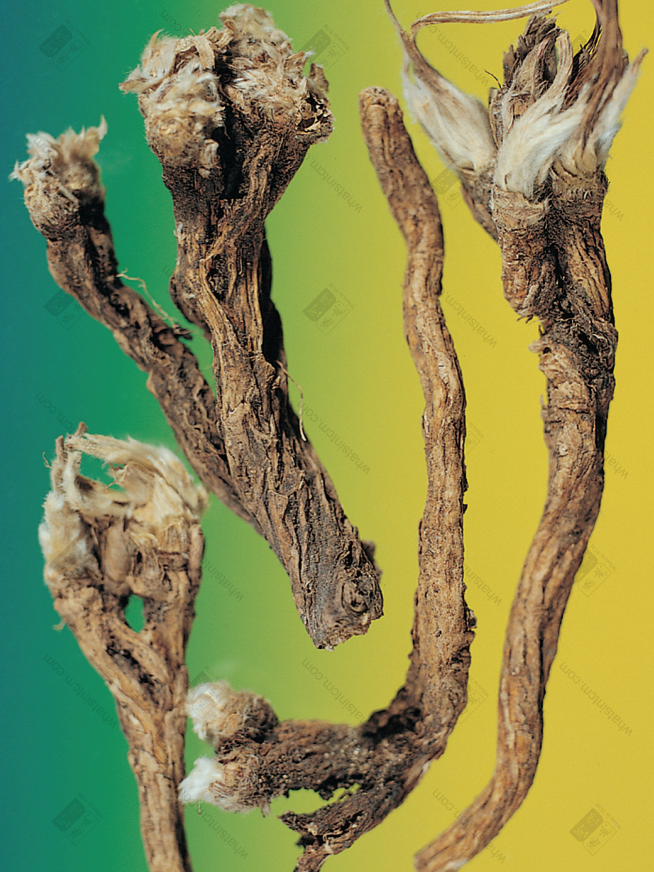 Bai Tou Weng (Chinese Pulsatilla Root) (Somewhat curved conical shape, yellowish-brown, enlarged root head with white fluff)
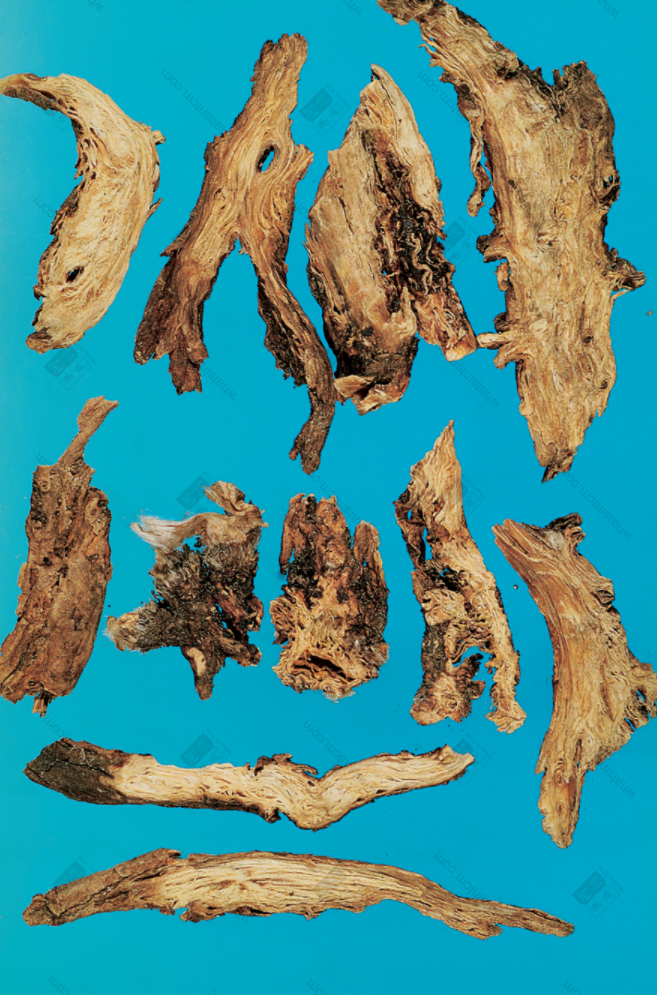 Bai Tou Weng (Chinese Pulsatilla Root) Slices
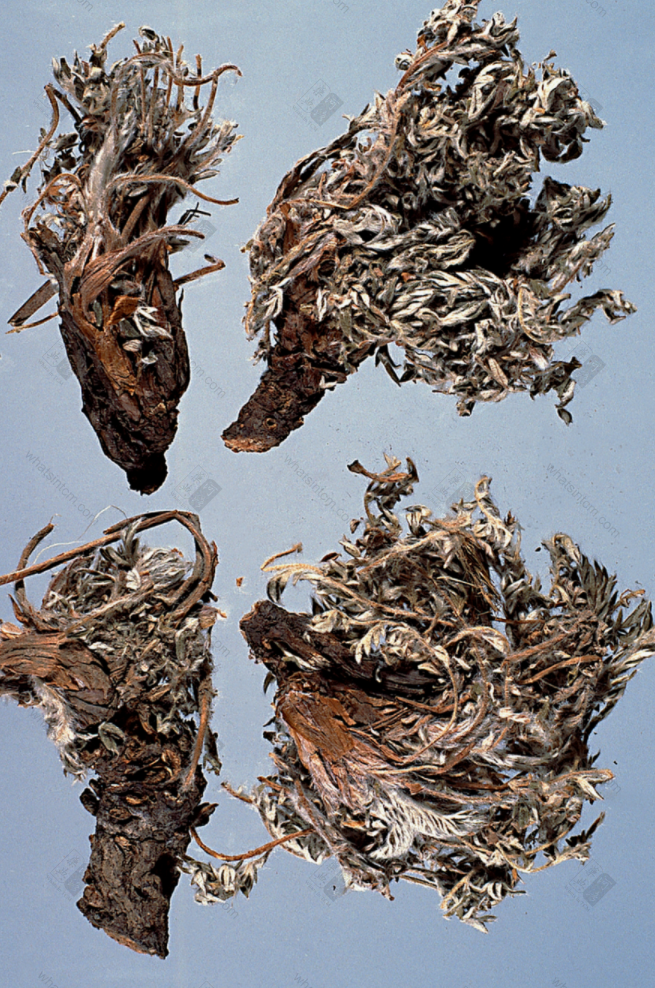 Bai Tou Weng (Chinese Pulsatilla Root) (Substitute: Common Silverweed)
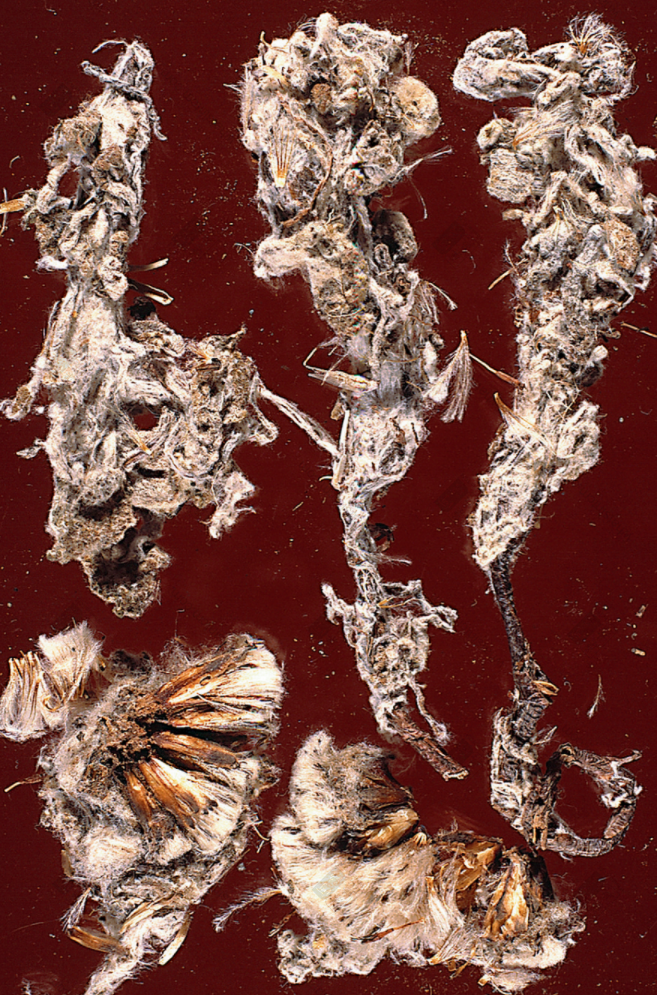 Bai Tou Weng (Chinese Pulsatilla Root) (Substitute)
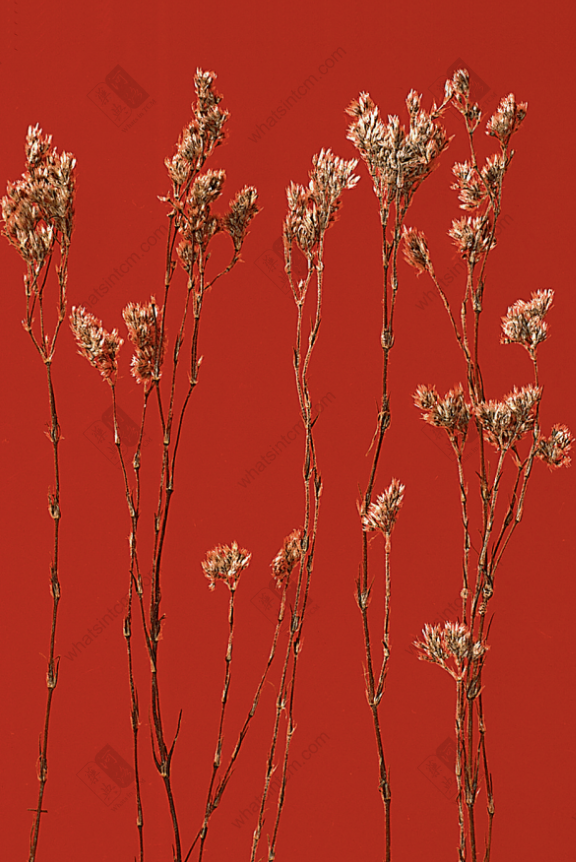 Bai Tou Weng (Chinese Pulsatilla Root) (Substitute: Veronicastrum axillare)
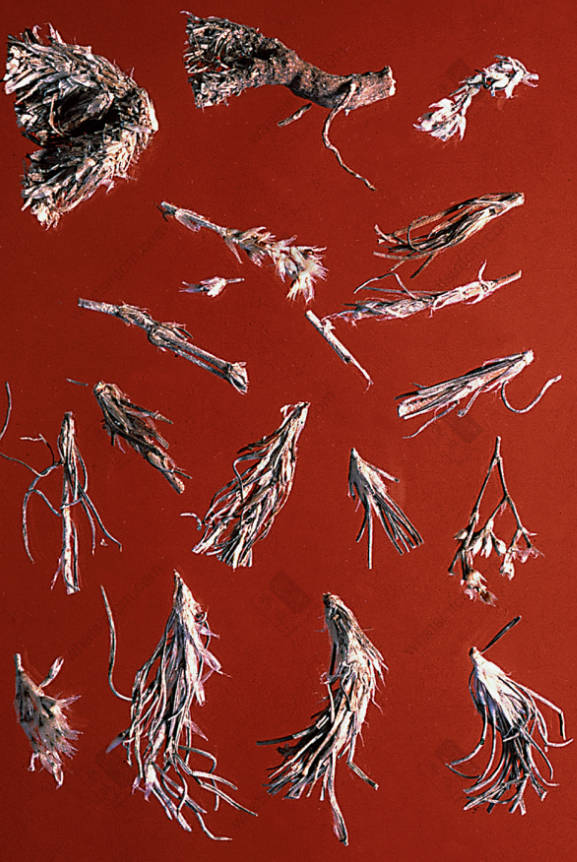 Bai Tou Weng (Chinese Pulsatilla Root) (Veronicastrum axillare)
【Naming】
Bai Tou Weng (Chinese Pulsatilla Root)
【Source】
Shen Nong’s Classic of Materia Medica, Lower Grade
【Common Usage Level】
D
【Botanical Origin】
Root or whole plant of Pulsatilla chinensis (Bge.) Regel. of the Ranunculaceae family. In the Taiwanese market, the product is mostly the whole plant.
【Characteristics】
The root is cylindrical to conical, slightly twisted, 6-15cm long, 0.5-1.7cm in diameter, with a yellowish-brown outer skin. The middle part of the root sometimes branches into 2-3 roots, and the root head is slightly enlarged. The top of the root head has clusters of white fluff and traces of removed stems and leaves. The texture is hard and brittle.
The sliced pieces have a yellowish-brown outer skin, a yellowish-white outer ring, and a light yellow center. The texture is hard and brittle. It has a slight odor and a bitter and astringent taste.
【Identification】
《Essentials of Materia Medica》: “Near the bottom of the root, there is more than an inch of white fluff, resembling an old man, hence the name.” 《Identification of Good and Bad》: “The best are those with many white hairs on the brownish-red rootstock.”
Good quality is indicated by thick and long pieces, neatness, firm texture, a greyish-yellow, rough outer surface with longitudinal lines, a light yellowish-brown fracture surface, and white fluff on the root head. Inferior quality is indicated by thick, large pieces with a rotten core, or excessively thin pieces, dark brown color, and no fluff on the top.
【Category】
Root