



Diyu (Radix Sanguisorbae)
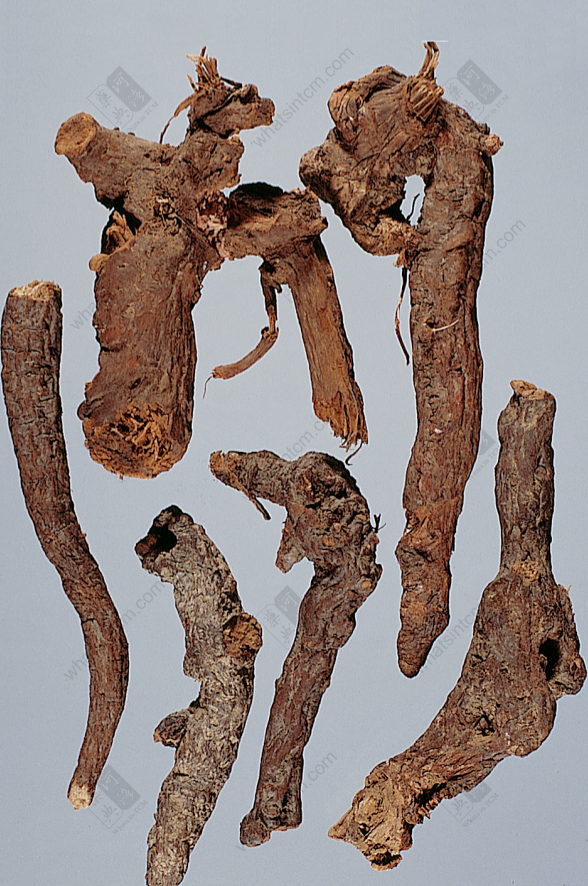 Diyu (Radix Sanguisorbae) (Spindle-shaped, slightly curved, brownish-red, with longitudinal and transverse fissures)
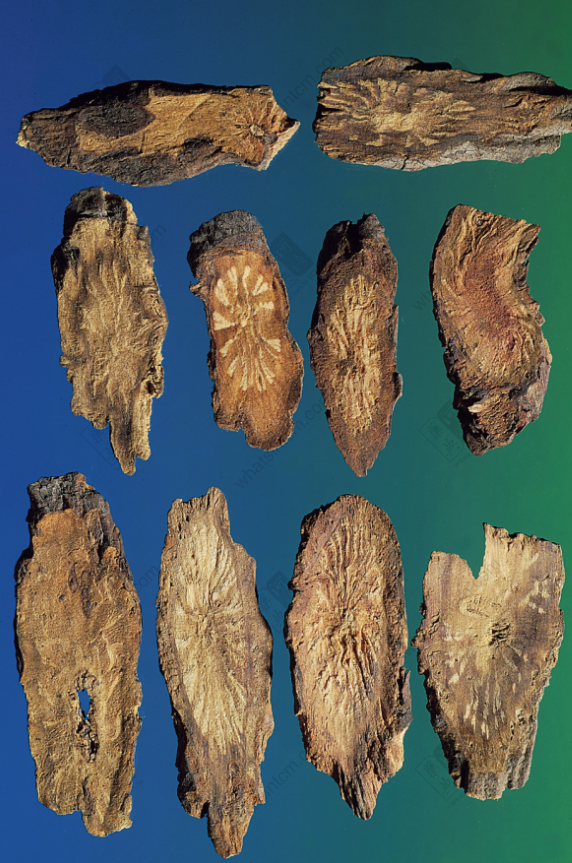 Diyu (Radix Sanguisorbae) Slice (Yellow-brown fibers, radial pattern of the xylem)
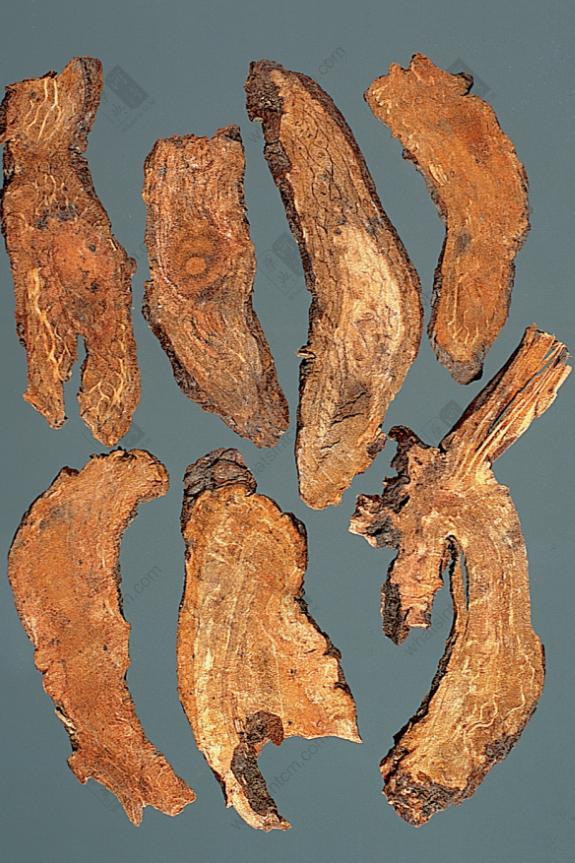 Diyu (Radix Sanguisorbae) Slice
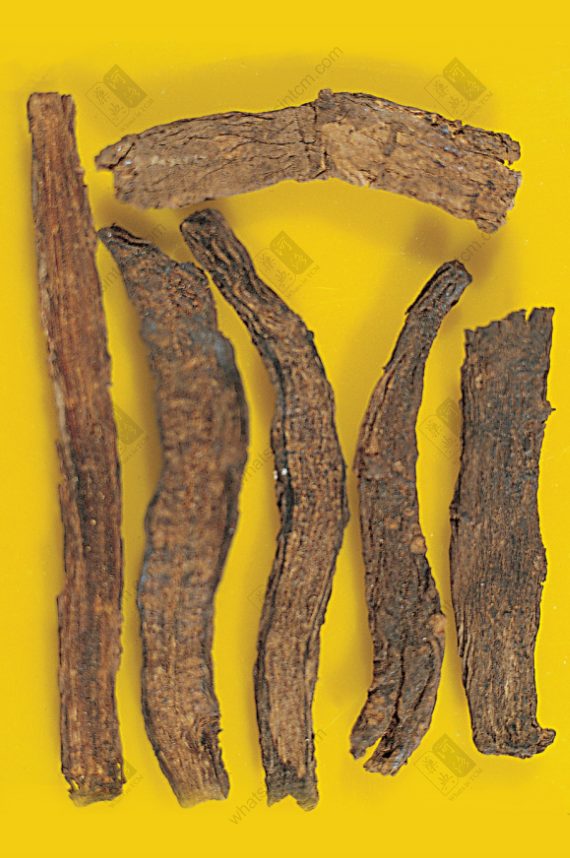 Wine-Prepared Diyu (Radix Sanguisorbae)
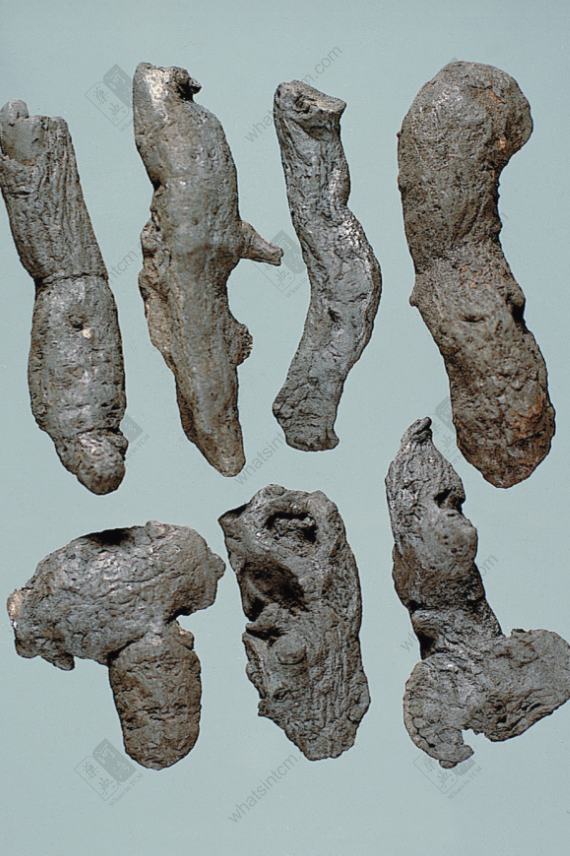 Diyu (Radix Sanguisorbae)-Charred
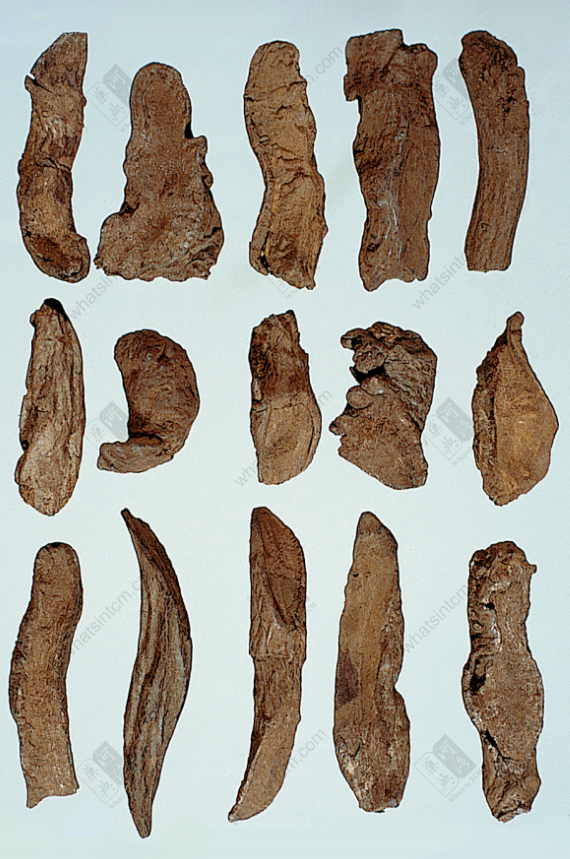 Diyu (Radix Sanguisorbae)-Charred
【Name】
【Source】
Classified as a middle-grade herb in the Ben Jing (Shen Nong’s Materia Medica)
【Common Usage Level】
D
【Botanical Origin】
The root of Sanguisorba officinalis L., of the Rosaceae family.
【Characteristics】
The root is irregularly spindle-shaped or cylindrical, varying in length and thickness, slightly curved, about 8~13cm long, and 0.5~2cm in diameter. The outer skin is dark purple or brownish-black, with longitudinal wrinkles and transverse cracks. It is hard and not easily broken.
Prepared slices: Commercial products are mostly longitudinal or oblique slices, about 2~4mm thick; the cut surface is dark brown, with yellowish-white streaks (i.e., vascular bundles). Charred Diyu is black and has a charred aroma.
【Processing】
1. Raw Diyu (Radix Sanguisorbae) 2. Diyu (Radix Sanguisorbae)-Charred
【Identification】
“The best roots are soft like cotton,” according to the Materia Medica Compilation.
“The best quality is thick in the middle, slender at both ends, straight, and has a fresh aroma,” according to the Good and Bad Identification.
Good quality is indicated by dryness, thick strips, firm texture, black skin, pinkish-red cross-section, and absence of rhizomes and fibrous roots. Inferior quality is indicated by thin, long strips with rhizomes, and a yellowish-white fracture.
【Category】
Root Category