



Epimedium
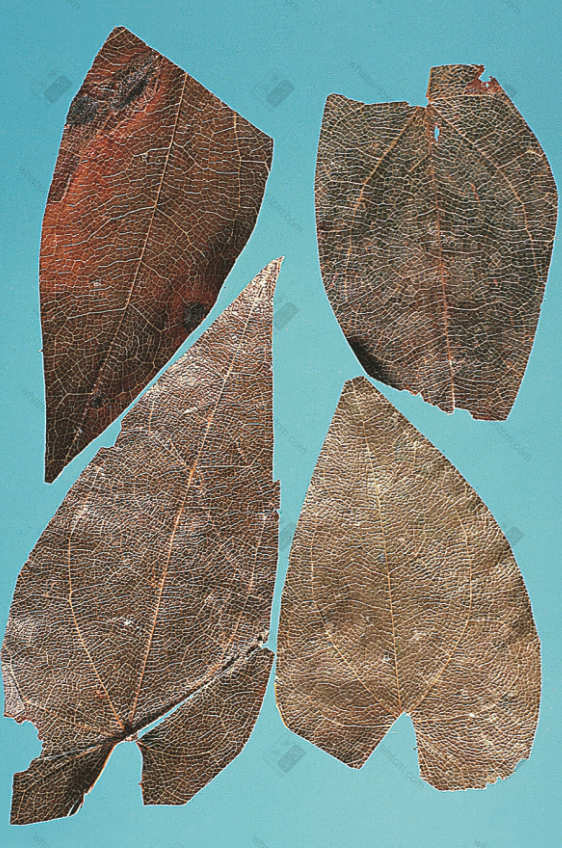 Epimedium (Rhizome cylindrical, hollow in the center, with small fibrous roots, biternate compound leaves, heart-shaped)
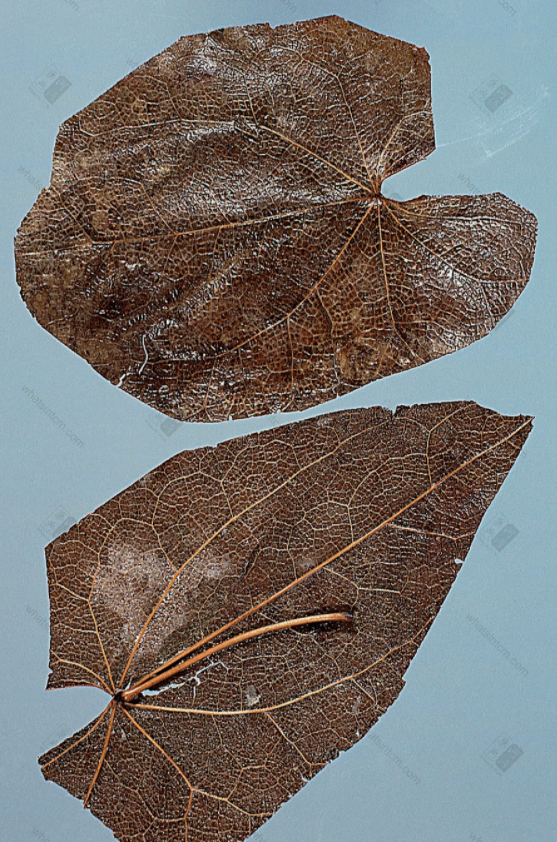 Epimedium processed with sheep fat (Yellow-green, soft hairs on veins, serrated edges, fine veins, acute leaf tips)
【Naming】
【Source】
Classified as “Middle Grade” in the Shen Nong Ben Cao Jing (Classic of Herbal Medicine)
【Common Usage Level】
C
【Botanical Origin】
The dried stems and leaves of Epimedium macranthum Morr. et Decne., Epimedium brevicornu Maxim., or Epimedium sagittatum (S.et Z.) Maxim., all belonging to the Berberidaceae family.
【Characteristics】
The stem is approximately 25~40㎝ high, sometimes with rhizomes and a few small, gray, fine fibrous roots. The petiole is approximately 1.5~30mm in diameter, mostly flattened and shrunken, with a smooth surface, pale yellow-green color, and brown base. The leaves are curled and wrinkled, unfolding into a heart shape, approximately 3~4㎝ wide and 4~7㎝ long, with spinous serrated edges, fine veins, leathery texture, and easily broken. If flower clusters are present, they are often withered, and the pedicels are hairy.
【Identification】
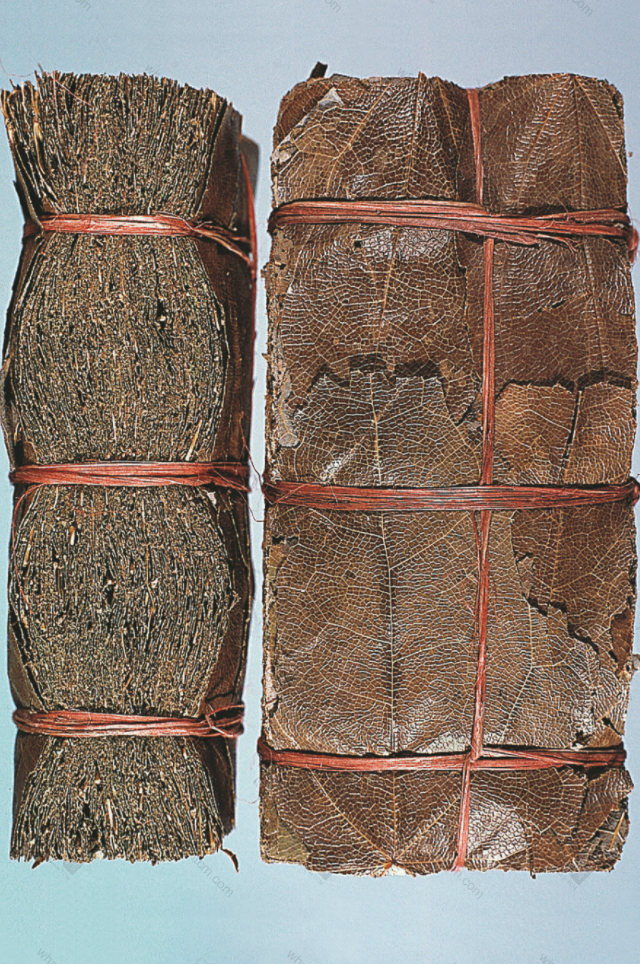
“The best Epimedium grows where the sound of water is not heard,” according to Zheng Lei Ben Cao. The best quality is dry, with complete stems and leaves, unbroken, and yellow-green in color. Broken and incomplete branches and leaves, yellow-white in color, are of secondary quality.
The five types of Epimedium are relatively easy to distinguish by leaf shape. For example, Epimedium brevicornu is characterized by biternate nine leaves, with ovate-cordate leaves and spinous serrated edges. Epimedium sagittatum has ternate compound leaves, with relatively long leaves, mostly ovate-lanceolate, resembling arrowheads. Korean Epimedium has biternate compound leaves, ovate-cordate, with larger leaflets, 4~10㎝ long and 3.5~7㎝ wide, with long, pointed tips, and thinner leaves. Epimedium pubescens has dense villous pubescence on the underside of the leaves. Epimedium wushanense has lanceolate to narrowly lanceolate leaflets, with acuminate or long acuminate tips, and the lower surface of the leaves is covered with wool or glabrous. Although the above five types have different leaf shapes, they have the same functions and can be used interchangeably in medicine.
【Category】
Whole Herb