



Gentian
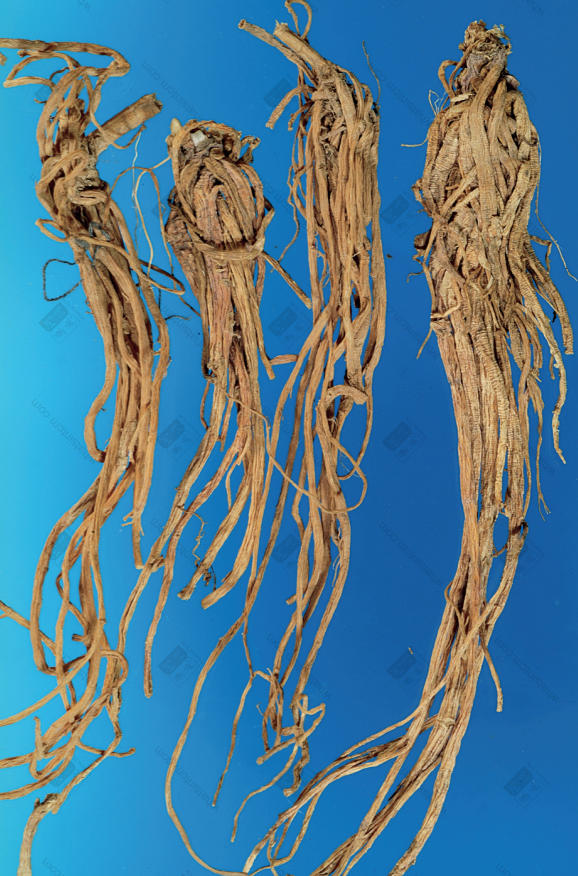 Wild Northeast Gentian (Dragon Head) (Brownish-yellow, with residual stem scars at the base, bitter)
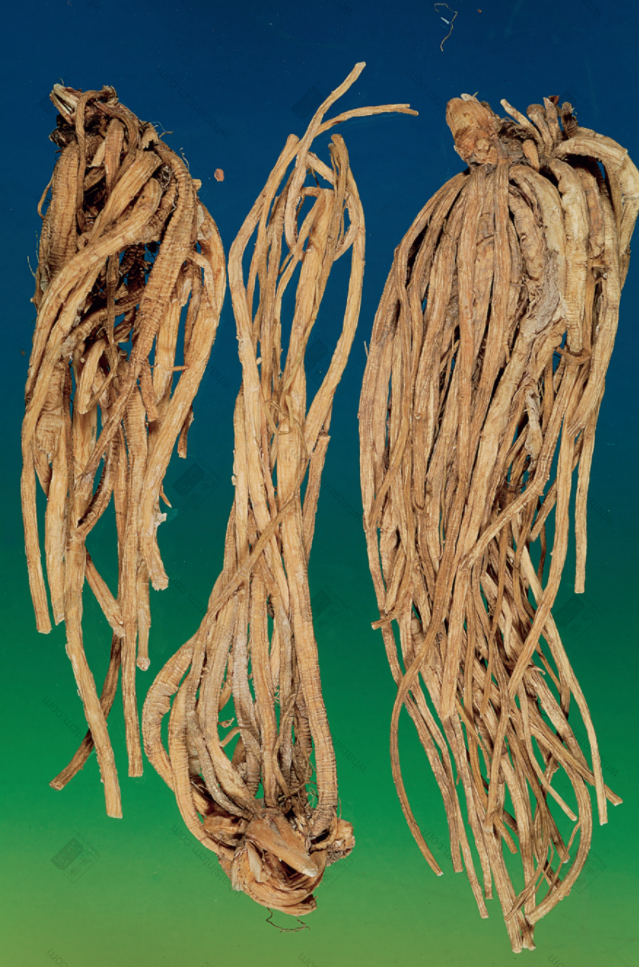 Wild Jilin Gentiana triflora (plant name)
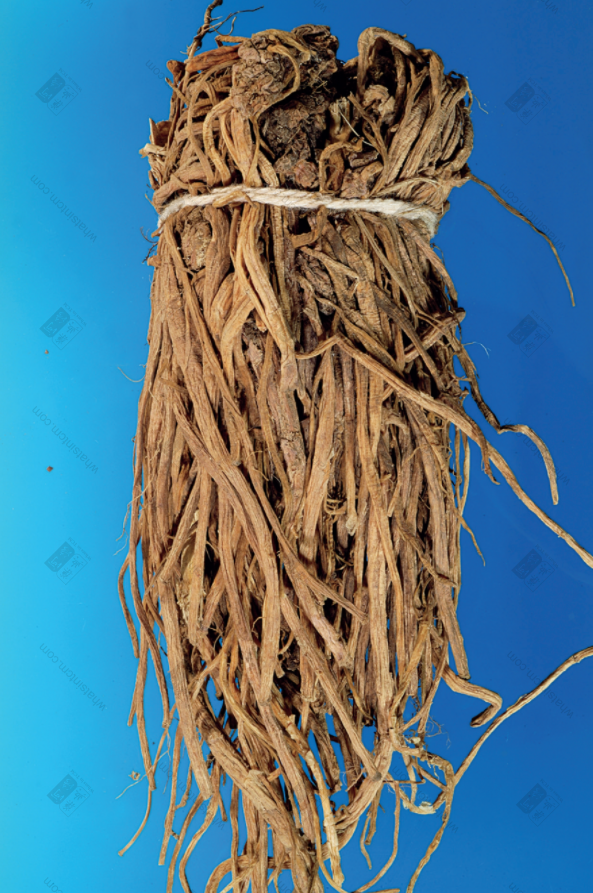 Wild Northeast Gentian
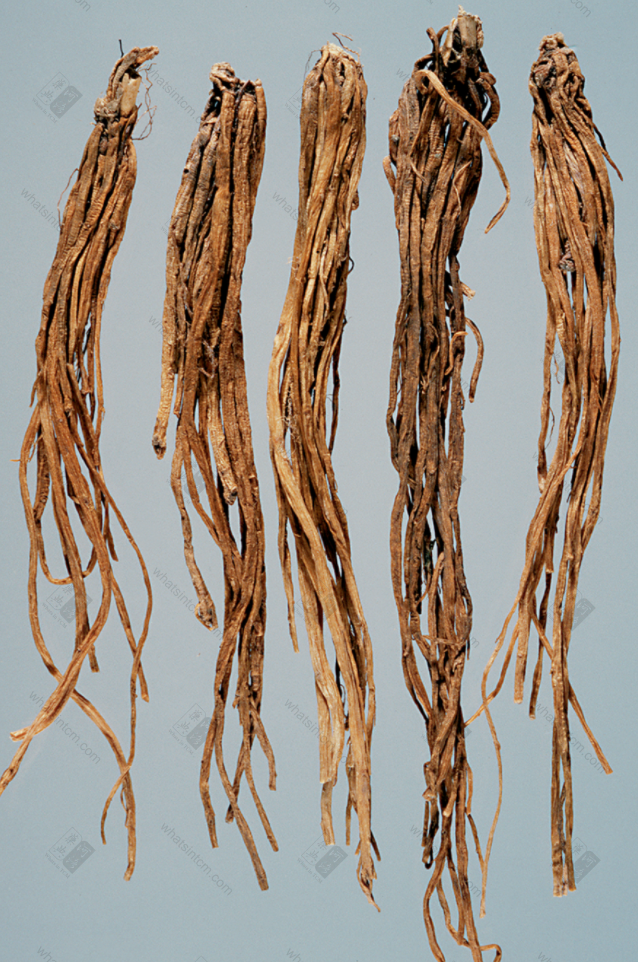 Guan Gentian (mostly thin and long roots)
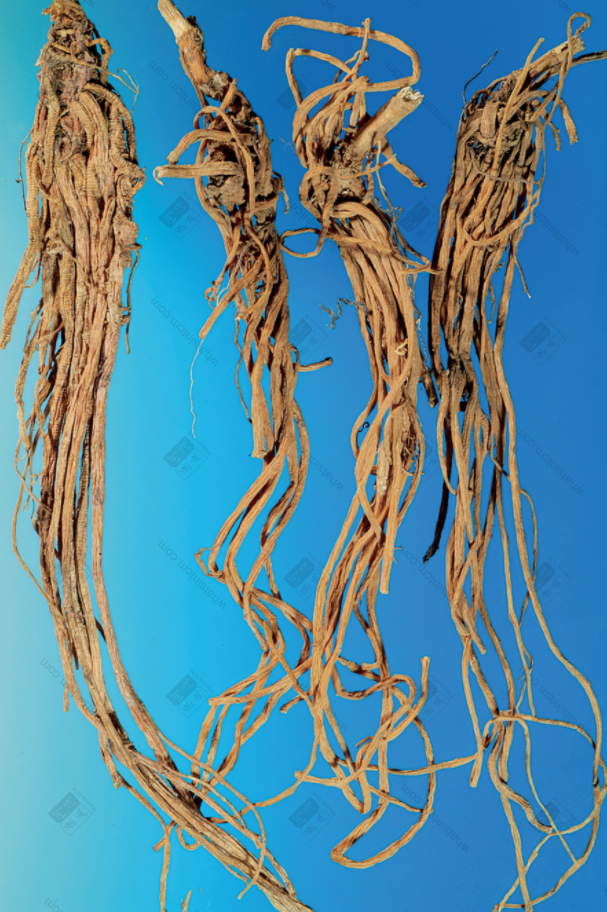 Cultivated Guan Gentian
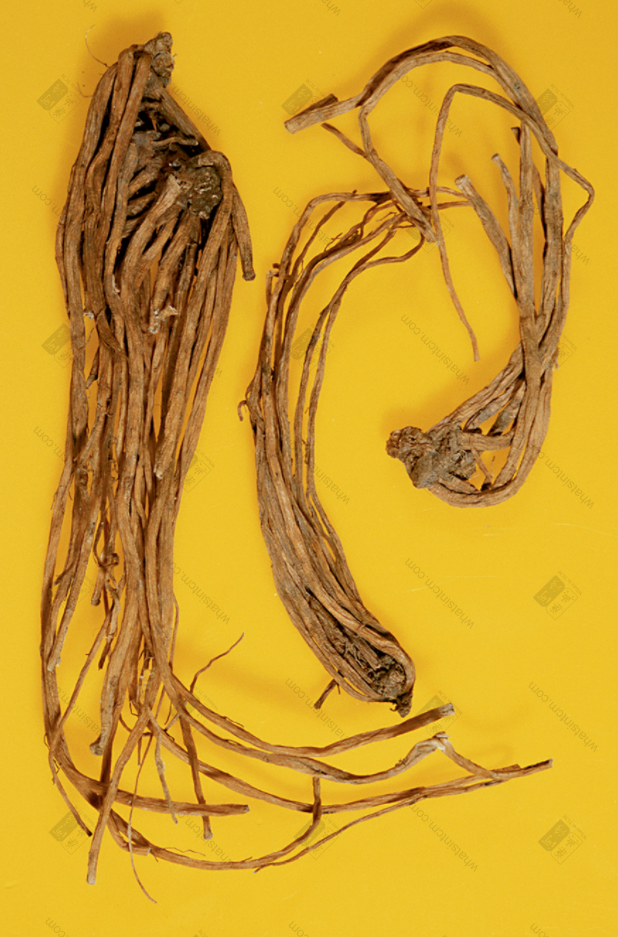 Chuan Gentian
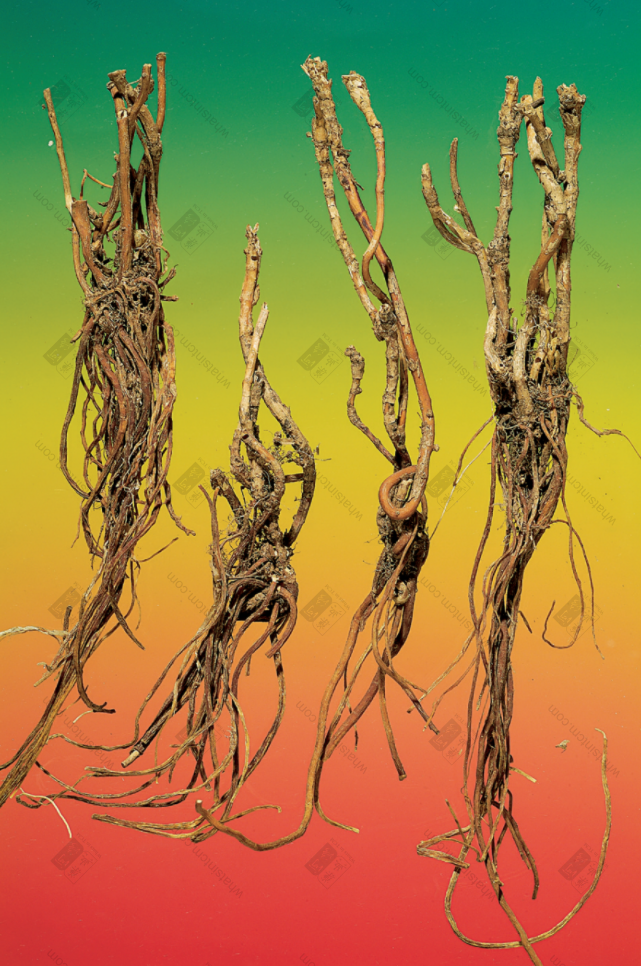 Guizhou Gentian
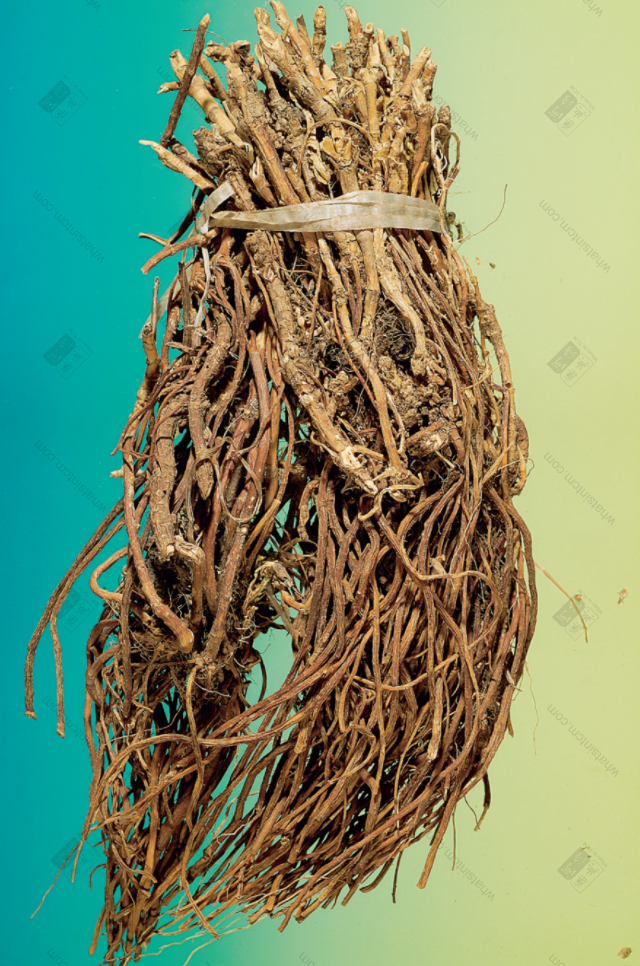 Guizhou Gentian
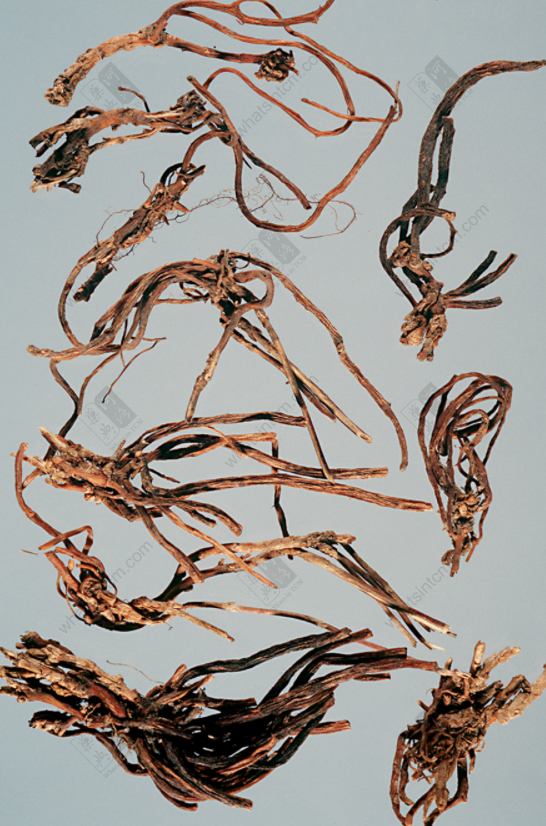 Guizhou Gentian
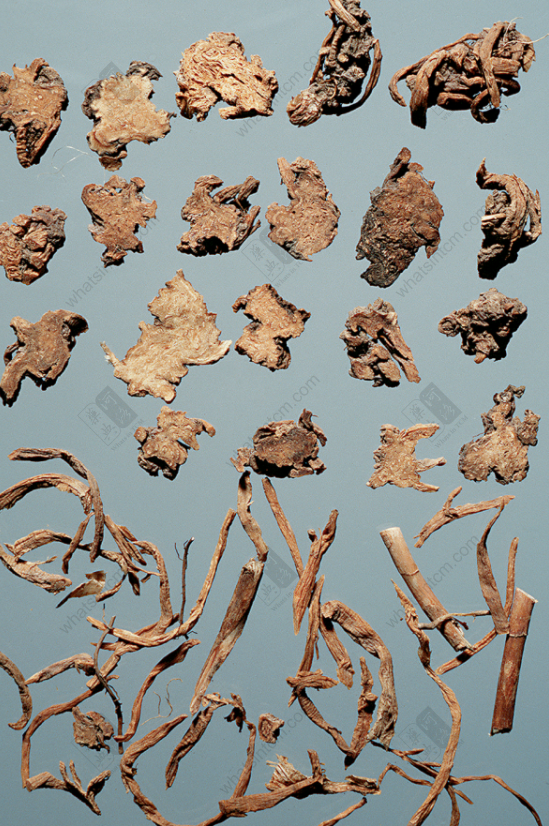 Gentian Slices (Light-colored xylem with no pith)
【Naming】
【Source】
Shen Nong’s Herbal Classic, Middle Class
【Common Use Level】
B
【Botanical Origin】
Roots and rhizomes of Gentianaceae plants such as Gentiana scabra Bunge, Gentiana triflora Pall., Gentiana manshurica Kitag., and Gentiana rigescens Franch., etc.
【Characteristics】
Guan Gentian (Gentiana scabra, Gentiana triflora, Gentiana manshurica): Rhizome is 1-2 cm long, approximately 4-9 mm thick, appearing grayish-brown, with irregular ring-like markings. The upper end has stem scars or residual stems. The sides and lower end have numerous thin and long roots, clustered like a ponytail (or clustered beard-like). Roots are 10-20 cm long, approximately 2 mm thick, thin and long, with a light-brown exterior and fine longitudinal wrinkles (transverse wrinkles on the upper part, longitudinal wrinkles below), rarely transverse wrinkles. The texture is soft and flexible, easily broken when dry, slightly spongy, and tastes bitter.
Prepared slices are yellow-brown on the surface, with dense raised ring-like markings on the upper part, and longitudinal wrinkles overall. The texture is brittle and easily broken. The cross-section is approximately circular or triangular, with curved edges, yellowish-white or brownish-yellow, and several tendon-like spots in the center. Odorless, with an extremely bitter taste. Wine-processed Gentian: The surface is deep yellow-red, with a slight wine aroma.
Gentiana rigescens: The rhizome is thick, hard, and sparse, with 5-8 round, fleshy, thin roots. The upper part of the rhizome often retains 2-3 cm of dried, hardened residual stems (commonly called “lu tou”), often appearing transparent and oily. The outer surface is yellowish-brown, with a membranous outer skin that is easily detached. The surface has longitudinal wrinkles but no transverse markings. The xylem is yellowish-white and easily separated from the bark. The texture is brittle and easily broken, with a light-yellow, hard, circular, dotted xylem on the fractured surface, and loose phloem.
【Processing】
1. Raw Gentian 2. Wine-Gentian
【Identification】
The best quality is dry, with thick and full roots, long and straight, with ring-like markings on the upper part of the roots, without stems or branches, deep yellow in color, fleshy and soft, free of dirt, and extremely bitter in taste.
【Category】
Root Category