



The Common Traditional Chinese Medicine for Strengthening Tendons and Bones, “Du Zhong”: Is Blacker Better?
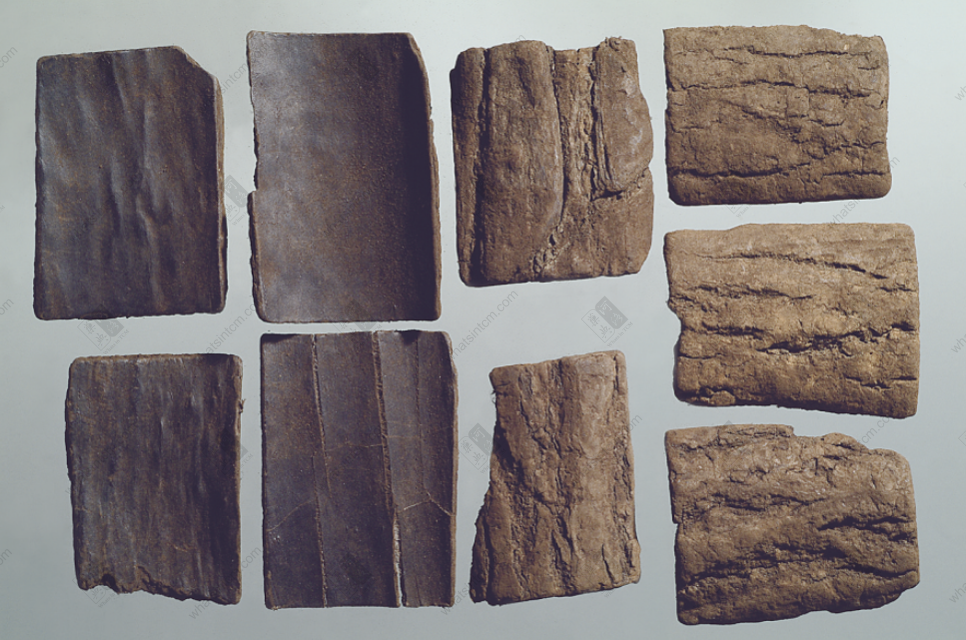
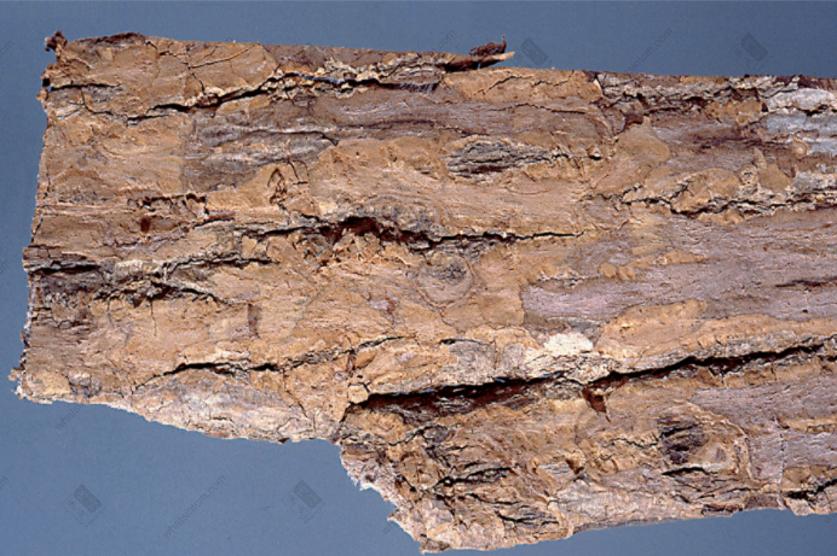 Grade 1 Du Zhong: Platelike, outer bark is grayish-brown and rough, with longitudinal cracks and transverse lenticels.
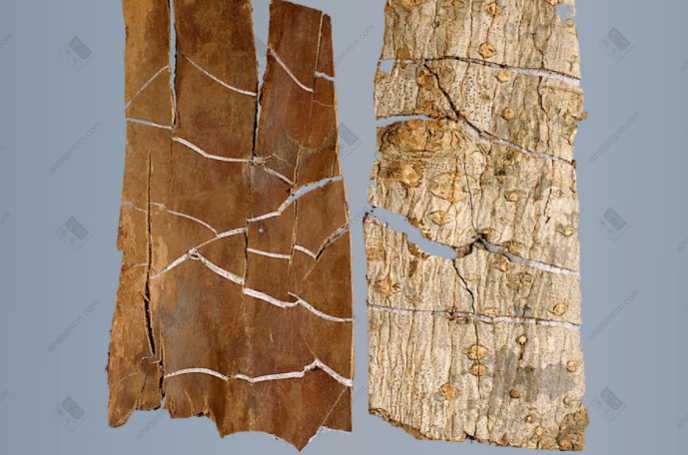
Grade 2 Du Zhong: Inner surface is smooth and dark purple, with white gummy threads connecting when broken.
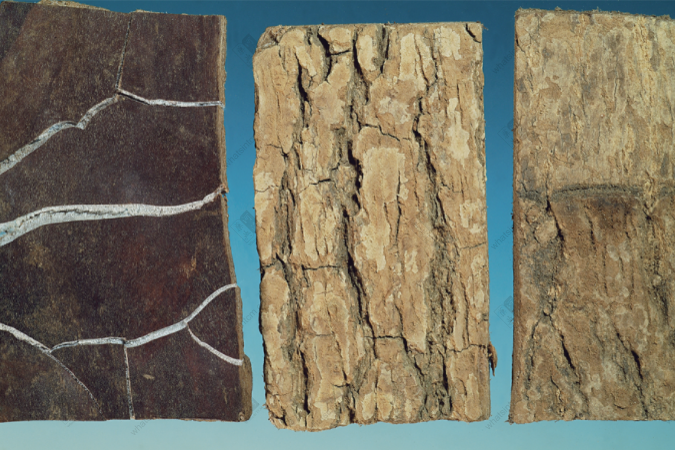
Grade 1 Du Zhong: Thickness is 4 mm.
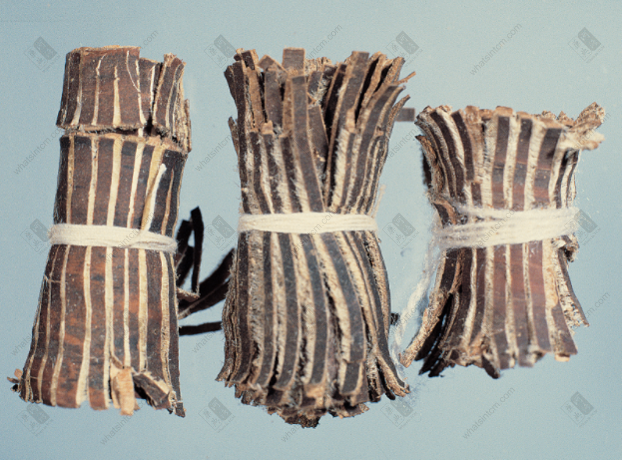
Du Zhong Gummy Thread Roll.
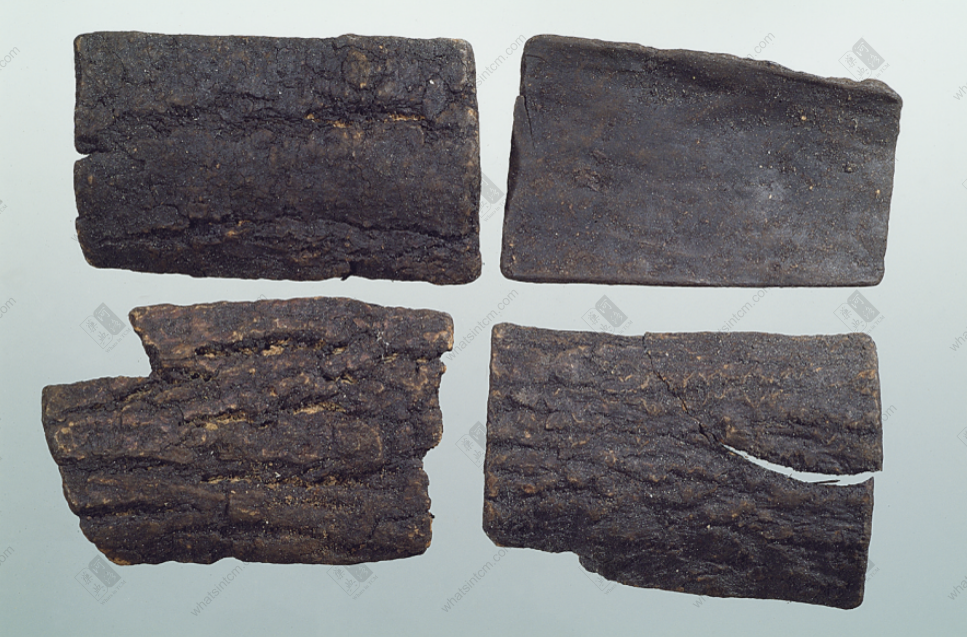
 Salt-fried Du Zhong.
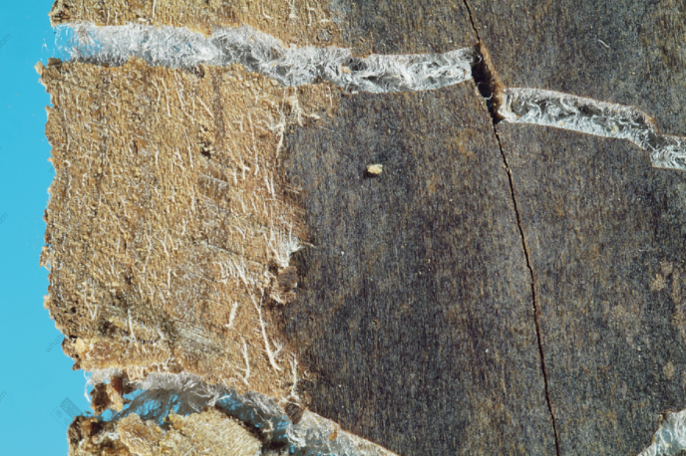
 Counterfeit Fried Du Zhong: Colored with caramel pigment.
Du Zhong Gummy Threads.
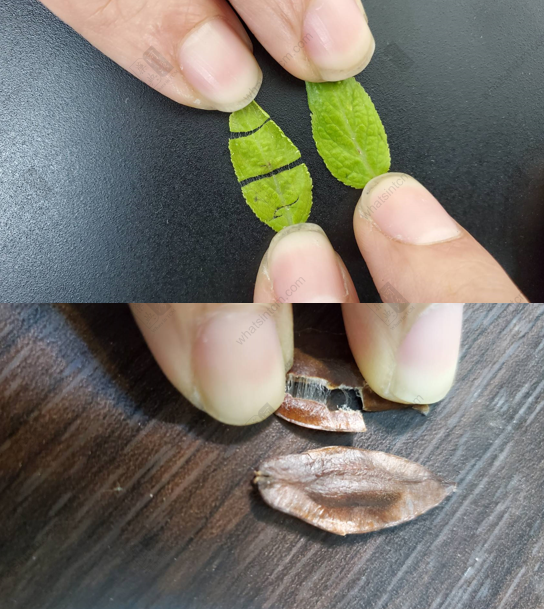
Top: Du Zhong leaves have white gummy threads. Bottom: Du Zhong seeds have white gummy threads. Provided by Dr. Chen Da-zhen.
“In ancient times, there was a physician named Du Zhong. While gathering herbs in the mountains, he accidentally noticed that when the bark of a certain tree was broken, multiple white threads appeared, making it difficult to break, resembling the ‘tendons and bones’ of the body. He pondered that if a person consumed the ‘tendons and bones’ of this tree, they should become as strong in their tendons and bones as the tree. After a few days of trying it, he felt invigorated, and his waist and legs became much lighter. After taking it for a period, not only was his body healthy and strong, but his hair also turned black, and he attained enlightenment and became an immortal.”
This legendary story illustrates the characteristics and clinical efficacy of this medicinal material, which also earned it the alias “Si Xian” (Thinking of Immortality).
According to the Fourth Edition of the Taiwan Chinese Medicine Pharmacopoeia, Du Zhong (https://whatsintcm.com/en/dt_articles/du-zhong-eucommia-bark/) is the dried bark of Eucommia ulmoides Oliv., a plant belonging to the Du Zhong family. The bark is usually scraped and harvested from the Qingming Festival to the Summer Solstice. After harvesting, the outer layer of bark, which is covered with impurities, fungi, or moss, is scraped off. This outer layer is referred to as “rough bark,” which botanically is the shedding layer outside the cork cambium. After removal, the bark is placed to “sweat” until the inner bark turns purplish-brown, and then it is sun-dried for use. It is primarily produced in Sichuan, Guizhou, Yunnan, and Shaanxi. Du Zhong from Sichuan is called “Chuan Du Zhong,” and it is traditionally believed that the product from Tongjiang County in Sichuan is of superior quality. However, Tongjiang has recently begun cultivating edible fungi with considerable success. Another variety, produced in Shaanxi and Hubei, is traditionally called “Han Du Zhong.” Taiwan introduced its cultivation around 1975, so there is also a certain production volume.
Du Zhong typically presents as a “platelike” characteristic, which is common for woody bark medicinal materials. When the bark is stripped from a large trunk, it does not easily shrink and curl during drying, thus appearing wide and platelike or thick and sliced. The outer appearance of the medicinal material is grayish-brown or light brown, with a rough texture, and it breaks easily. It tastes slightly bitter. Generally, thicker bark, larger and complete pieces, and a fracture surface with abundant threads and a dark purple inner surface are considered superior. A unique characteristic of Du Zhong is the presence of white gummy threads on the fracture surface, also known as “gummy threads.” These can be observed when the bark, leaves, or seeds of the entire plant are broken.
The “Shen Nong Ben Cao Jing” (Classic of Materia Medica) records: “It has a pungent taste and a neutral property. It treats lumbar and spinal pain, tonifies the middle, benefits vital energy, strengthens tendons and bones, fortifies the will, removes dampness and itching below the navel, and alleviates residual urine.” Therefore, it not only improves lumbar and spinal pain but also has the effect of strengthening tendons and bones.
Different processing methods are used depending on the specific clinical needs. Among them, salt-fried Du Zhong involves mixing purified Du Zhong chunks with saltwater, allowing them to moisten, then placing them in a hot pan with clean sand. The sand is heated with strong heat and stirred until it feels light. Then, the moistened salt-fried Du Zhong chunks are added and stir-fried until the gummy threads break and the surface turns charred black. It is then quickly spread to cool completely, sieved to remove the sand, and cooled before being stored. There is also the use of Du Zhong charcoal, where Du Zhong is placed in a hot pan and stir-fried over medium heat until the surface is black and the interior is brown. A small amount of water is then sprayed to extinguish any embers, and it is removed while still hot, spread to cool completely, and then collected for storage. However, imperfect processing methods have been observed in the market, where the white gummy threads still exist, or the entire medicinal material appears completely black due to dyeing with charcoal. In such cases, touching it causes black charcoal powder to fall off. Therefore, caution should be exercised when purchasing, as a darker color is not necessarily better.
In China, some confusing varieties include Euonymus species such as silver thread Du Zhong, golden thread Du Zhong, silky fruit, and mountain Du Zhong, which also have white gummy threads when their bark is broken, leading to confusion in usage. Another variety, Ilex chinensis (also known as “big-leaf privet” or “authentic bark”), has a grayish-brown or grayish-brown outer surface. The fracture surface has dense silvery-white gummy threads that are less elastic and break when stretched to 3mm, which serves as a key distinguishing factor. In Guangxi, China, there are also records of Du Zhong vine as a medicinal material. Its scraped bark is reddish-brown, and its inner surface is also reddish-brown. It also has white gummy threads when broken, hence it is also called “red Du Zhong” and should be differentiated in usage. In Taiwan, Du Zhong is commonly used as a tonic food by the public. Therefore, relevant government authorities have established standards for sulfur dioxide and limits for heavy metals such as arsenic, cadmium, mercury, and lead, allowing the public to purchase with peace of mind.
【Image provided by】Professor Zhang Xianzhe, “Illustrated Catalogue of Authentic Medicinal Materials” https://whatsintcm.com