



Gastrodia Not an Arrow, But Used for Winter Headaches and Dizziness in Traditional Chinese Medicine
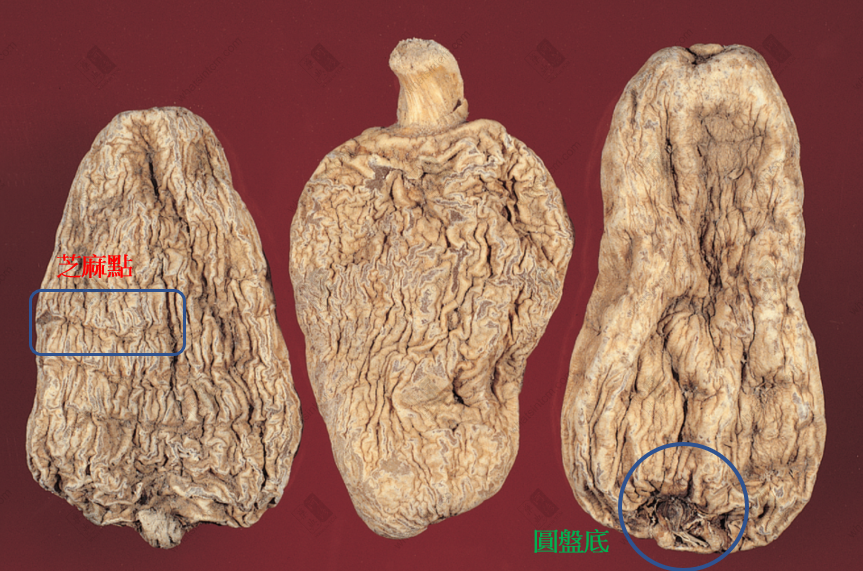 First-grade Sichuan Gastrodia: Shows sesame spots and a flat bottom, yellowish-white in color, shriveled, curved, and translucent.
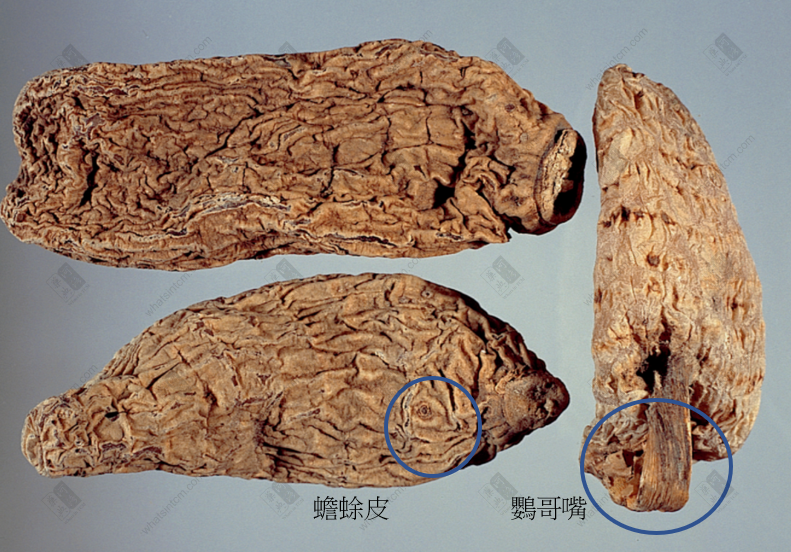 Second-grade Sichuan Gastrodia: Features a parrot’s beak and toad skin appearance.
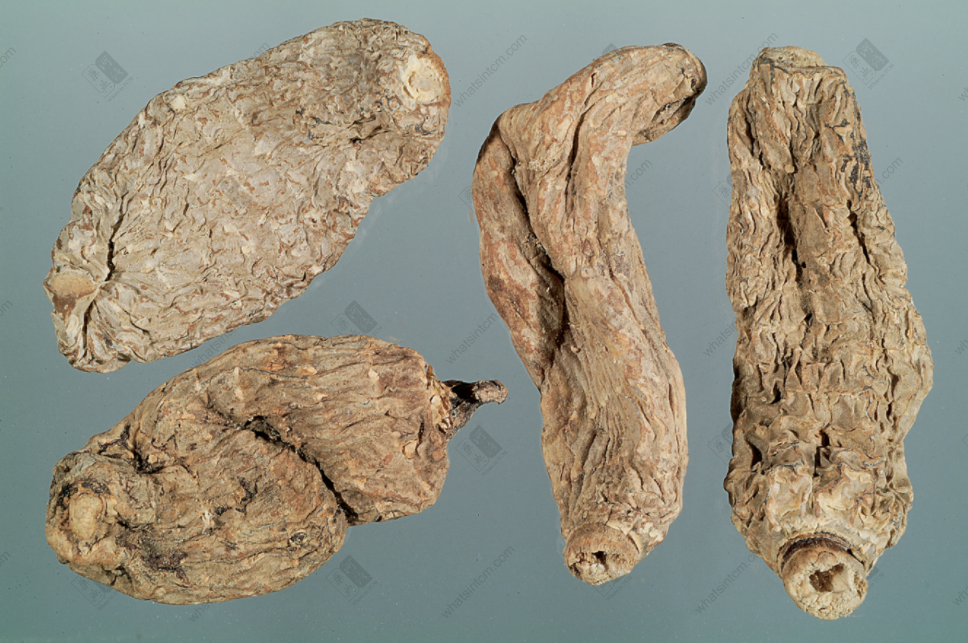 Left: Sichuan Gastrodia, Right: Yunnan Gastrodia.
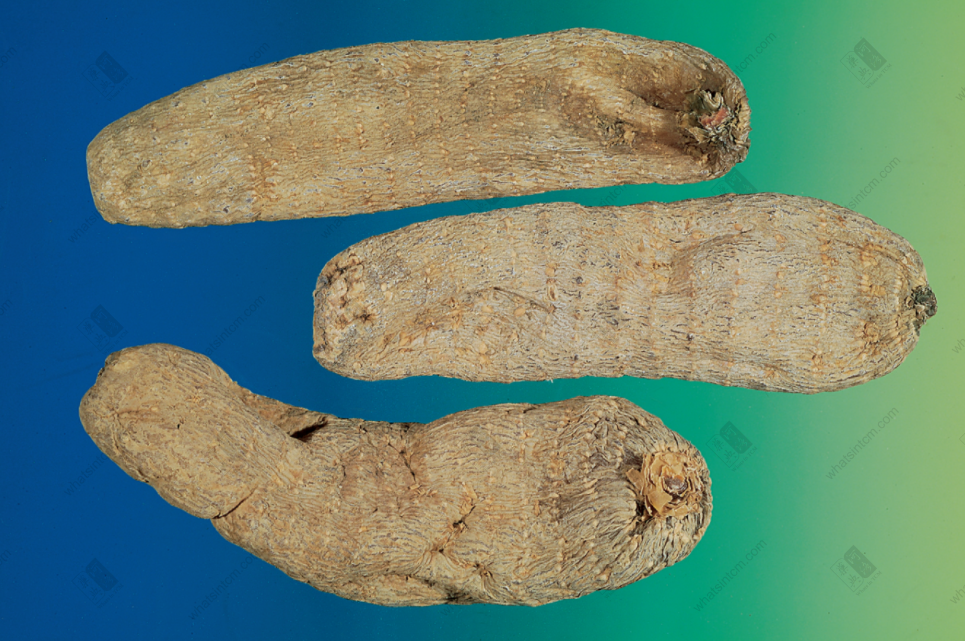 Sichuan Gastrodia: Exhibits fish-scale patterns, round scars, and dot-like rings around its longitudinal stem nodes, with red tips.
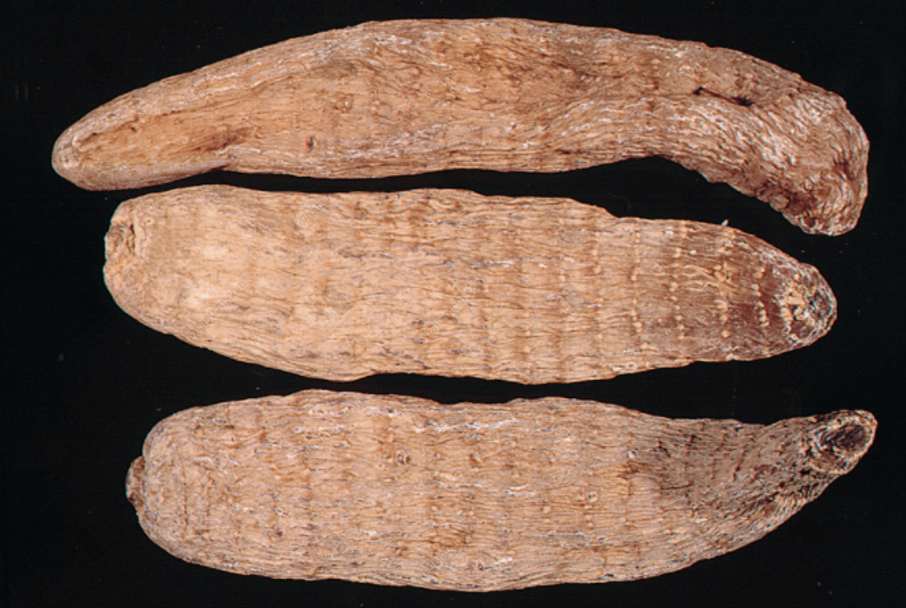 Guizhou Gastrodia.
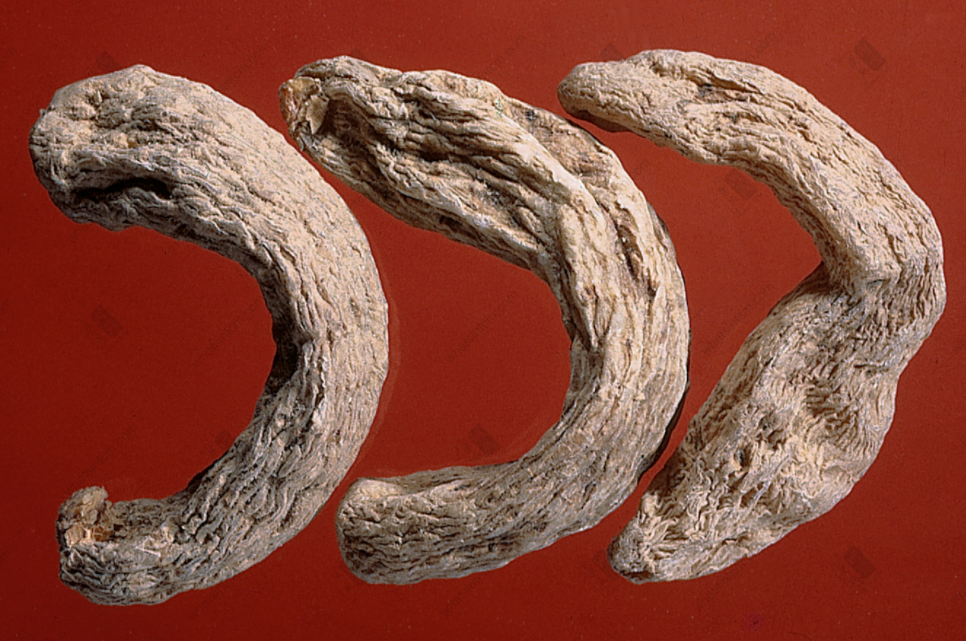 Guizhou Gastrodia resembles pickled cucumbers.
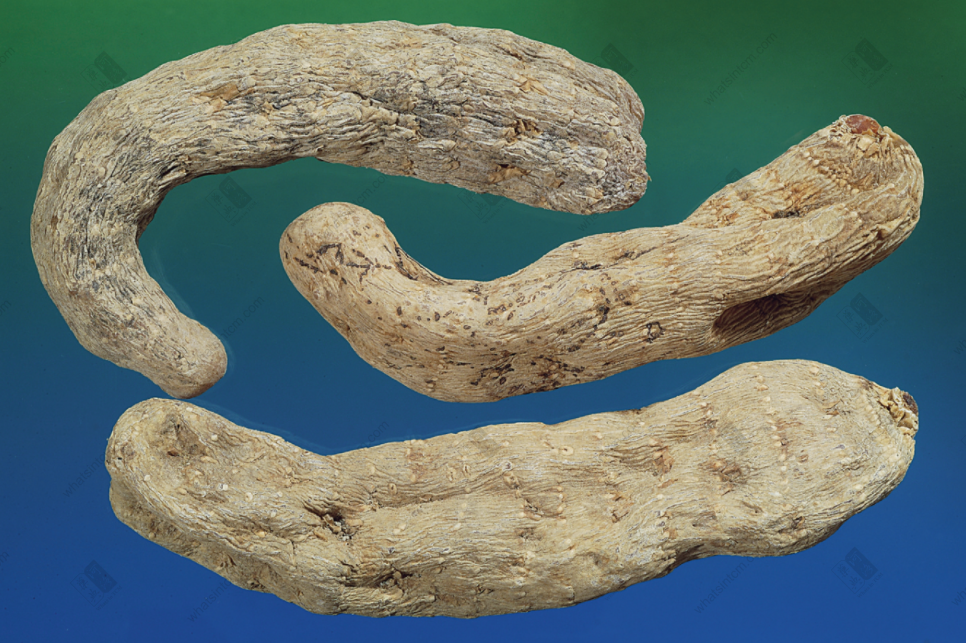 Guizhou Gastrodia: After fumigation with sulfur.
“Many incense offerings, long have not tasted meat. Several spoons of Huang Qi in porridge, a bowl of Chi Jian soup. What use is a generous salary? Leisurely living must not be forgotten. After my term of office next year, I plan to buy a snowy estate.” – Bai Juyi, “Zhai Ju”
The poem describes Bai Juyi’s practice of health preservation by cooking Huang Qi and Chi Jian together in porridge and soup. The “Chi Jian” mentioned here is Gastrodia elata, indicating that the custom of using Gastrodia elata in soups for dietary therapy existed during the Tang Dynasty.
According to the Fourth Edition of the Taiwanese Chinese Materia Medica, Gastrodia elata (https://whatsintcm.com/en/dt_articles/gastrodia-tuber-tianma/) is the dried tuber of the orchid plant Gastrodia elata Blume. It is primarily produced in Guizhou, Yibin in Sichuan, Zhaotong in Yunnan, and Hubei in China, with sporadic cultivation in southern Taiwan. Because the entire plant is red and lacks green leaves, resembling a red arrow (赤箭 – Chi Jian) inserted into the soil, it is also called “Chi Jian.” Furthermore, due to its characteristic of “moving not with the wind,” it is primarily because it is a saprophytic plant without leaves. When the wind blows, other plants with many leaves have a large surface area and sway continuously, while Gastrodia elata does not sway, hence it is also called “Ding Feng Cao” (calming wind grass). In addition, it is known to “shake without wind,” typically during midday when there is the least wind. However, due to strong sunlight, transpiration is intense, causing the stem to sway, a phenomenon rarely seen in other plants. Thus, it is also called “Du Yao” (solitary shake) or “Gui Du Yao” (ghost’s solitary shake). Later, due to widespread misinterpretations, it came to be known as “Gui Du You.” It is also called “Bai Long Pi” (white dragon skin) due to its white color. Ancient people believed that “Gastrodia elata is born from heaven, sown by immortals, and harvested by mortals,” highlighting its preciousness. It is a perennial, herbaceous, mycorrhizal plant that lacks roots and grows by dissolving and absorbing honey mushroom fungi with its lytic enzymes. Depending on the harvest time, it is divided into spring Gastrodia (春麻 – Chun Ma) and winter Gastrodia (冬麻 – Dong Ma). Spring Gastrodia is harvested when it just emerges from the soil and its stalk appears before the summer solstice. It typically has a wrinkled, white skin, firm and lustrous flesh, and a tender red bud at the tip. Its texture is slightly looser than winter Gastrodia. Winter Gastrodia is harvested after the winter solstice when the red buds have not yet emerged from the soil. It has a lustrous, oily white skin, firm and lustrous flesh, and plump tubers of good quality. However, it is more difficult to find because the above-ground stem has withered. Gastrodia that is light, foamy, and hollow is called “Mu Zhu Pao” (sow’s bubble) or “Mu Zhu Ke” (sow’s shell), and it is of the poorest quality.
The Shen Nong Ben Cao Jing (Classic of Materia Medica) records: “Gastrodia elata has a pungent taste and is warm. It mainly dispels ghostly spirits, poisons, and evil qi. Long-term consumption strengthens qi and blood, prolongs Yin, and promotes corpulence.” It is listed as a superior herb. The gastrodin it contains has the effect of improving memory and anti-aging. Due to its excellent efficacy and difficulty in harvesting, there are some adulterated products in the market. The main identification methods include residual dormant buds and transverse wrinkles on the surface of Gastrodia elata, resembling toad skin, known as “toad skin.” The red-brown or dark-brown parrot’s beak-shaped bud remaining at the top of the tuber is called “parrot’s beak” or “red pigtail.” Additionally, the slightly protruding buds on the surface of the herb, arranged in discontinuous small dots forming transverse rings, are called “golden waistband,” “ringed nodes,” or “sesame spots.” Furthermore, the round umbilicus-shaped scar at the bottom of the Gastrodia elata is called “navel” or “flat bottom.” The cut surface of the herb is yellowish-white or light yellow-brown, with a “mirror-like surface” or “lustrous surface,” and a horny texture. It is considered good if it is sticky when chewed. If the appearance cannot be determined, it can be steamed. Genuine Gastrodia elata will emit a smell of horse urine or chicken droppings when steamed. The adulterant “earth Gastrodia” does not have this odor after steaming. Since Gastrodia elata is a precious herb, adulterants in the market include the roots of the four o’clock plant, potato tubers, taro tubers, and Trichosanthes root. Therefore, when purchasing, it is important to buy from reputable merchants to avoid being deceived.
Additionally, the Taiwanese government has regulations on the limits of heavy metals such as arsenic, cadmium, mercury, and lead, as well as residual sulfur dioxide standards for Gastrodia elata, allowing the public to consume it with peace of mind.
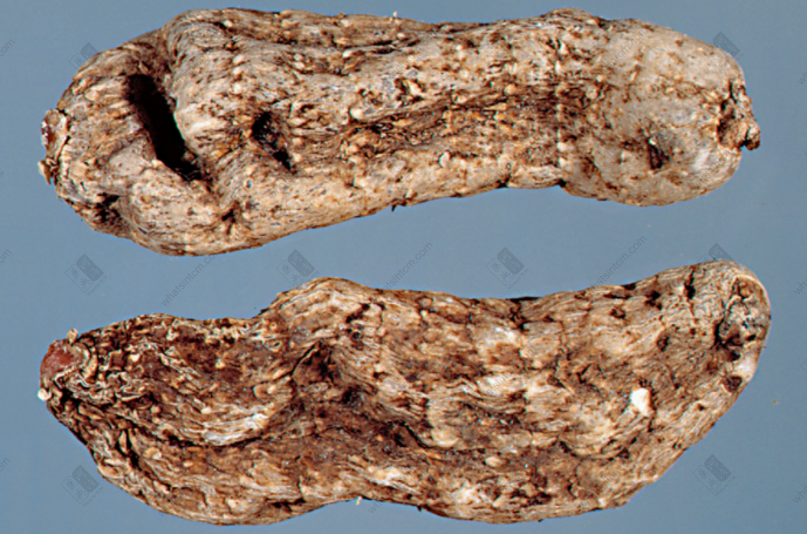 Cultivated Guizhou Gastrodia.
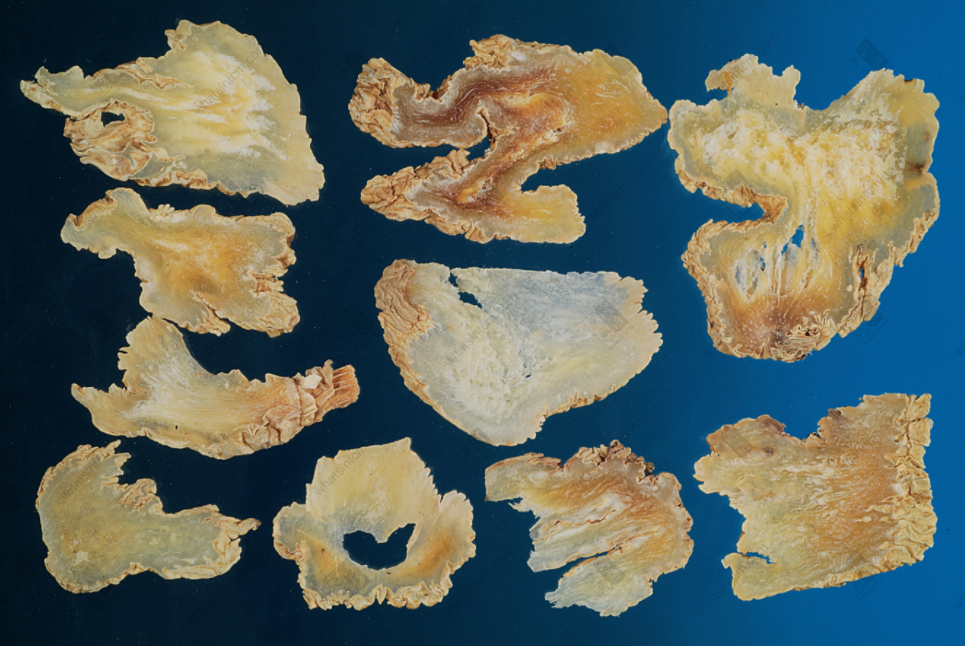 Wild Sichuan Gastrodia: Has a lustrous sheen.
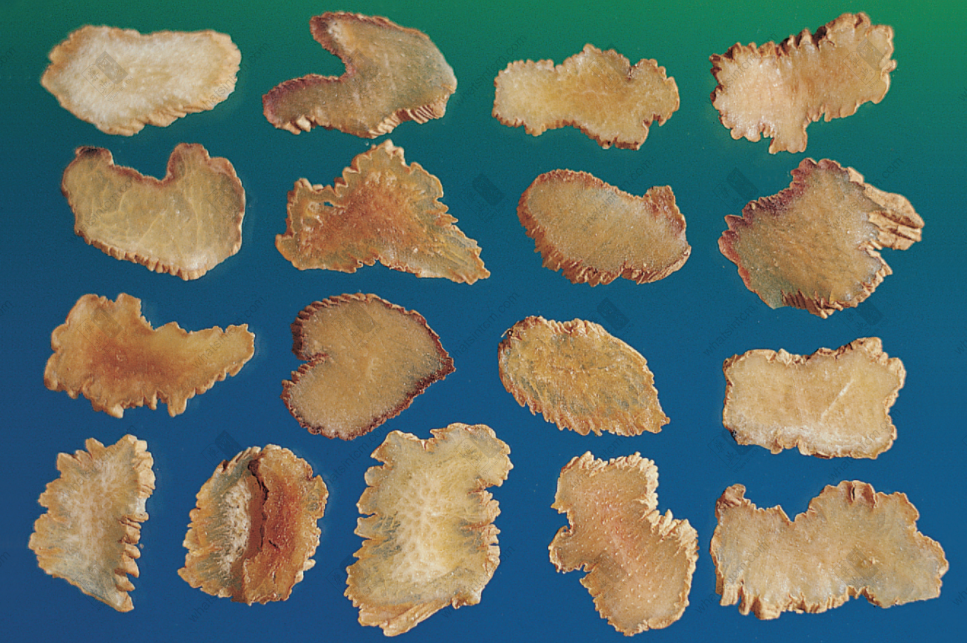 Sliced wild third-grade Gastrodia.
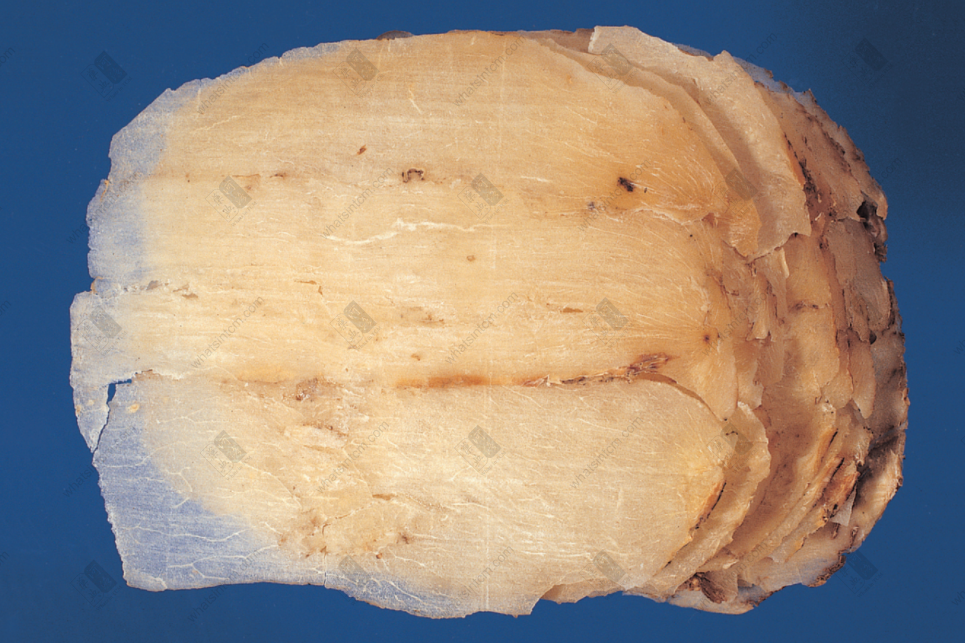 Sliced first-grade Sichuan Gastrodia.
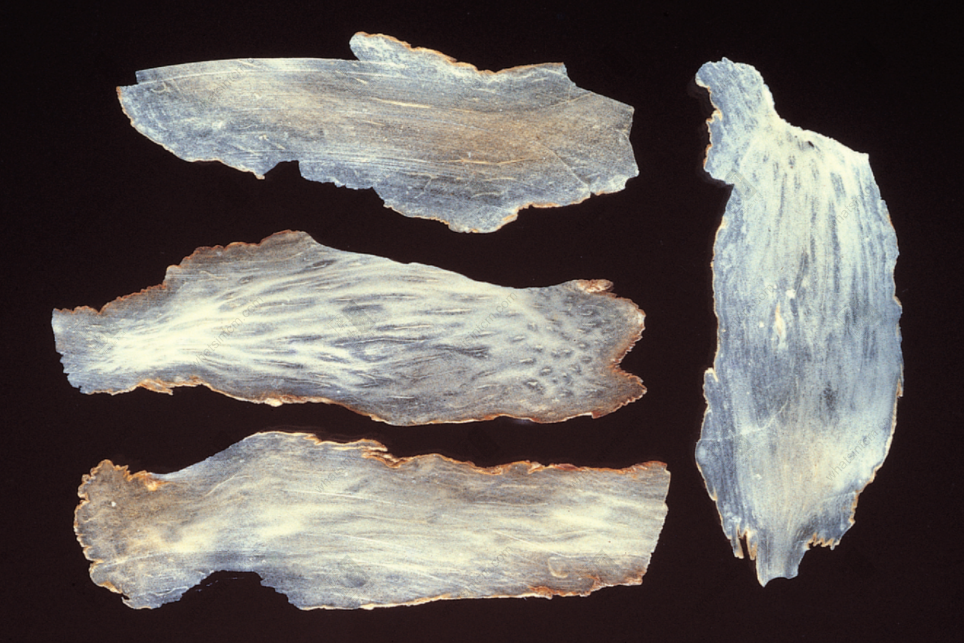 Sliced Sichuan Gastrodia.
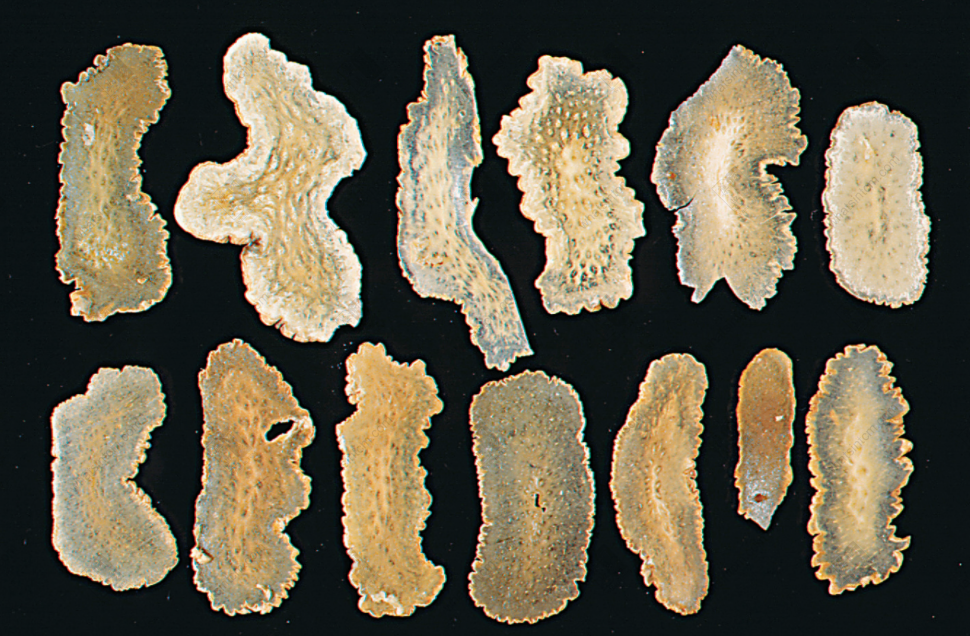 Sliced Guizhou Gastrodia has a lustrous sheen.
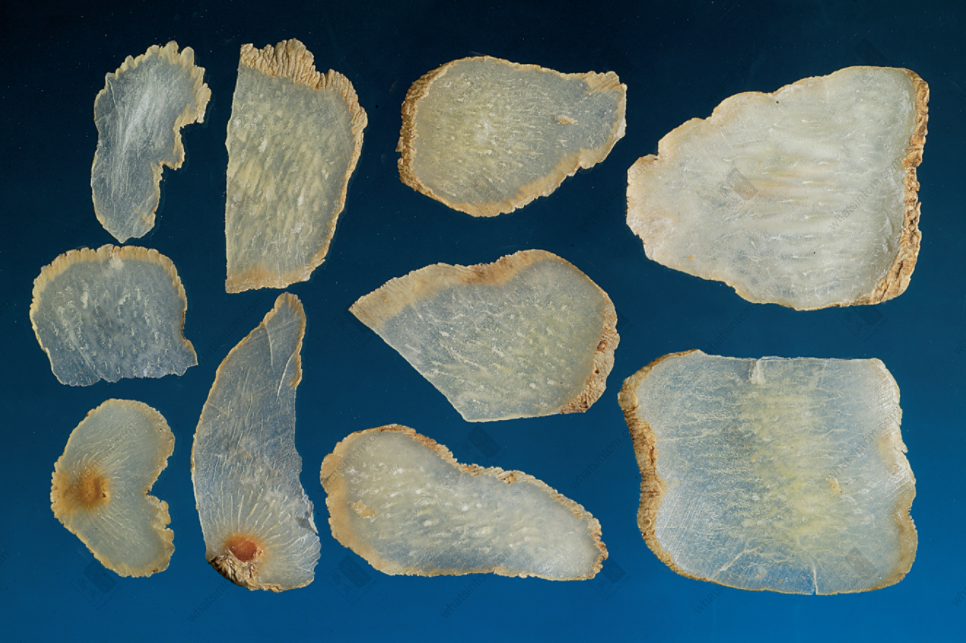 Sliced cultivated Guizhou Gastrodia.
【Image Credit】Professor Chang Hsien-cheh, “Illustrated Guide to Authentic Medicinal Materials” https://whatsintcm.com