Mid-Autumn Festival: Enjoying Pomelo Flesh, While Its Peel is a Renowned TCM Herb
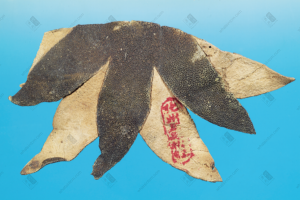
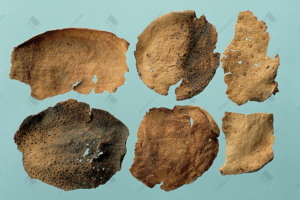
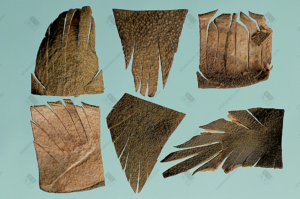
Author: Professor Chen Ta-Chen Image Source: Professor Chang Hsien-Che‘s “Illustrated Guide to Authentic Medicinal Materials”
The origins of the Mid-Autumn Festival are ancient. Wu Zimu’s “Mengliang Lu, Volume Four: Mid-Autumn” from the Song Dynasty records: “The Mid-Autumn Festival on the fifteenth day of the eighth month marks the precise midpoint of autumn, hence its name.” It is also known as “Eighth Month Festival” or “Reunion Festival.” Customs include admiring the moon, eating mooncakes, and drinking osmanthus wine. The full moon symbolizes family reunion, evoking feelings of longing for home and loved ones, thus enriching this festival. Among these customs, eating pomelo, a citrus fruit, is one of the most important. However, many citrus plants are also commonly used in Traditional Chinese Medicine, which we will introduce one by one later. Below, we list several common and easily confused items.
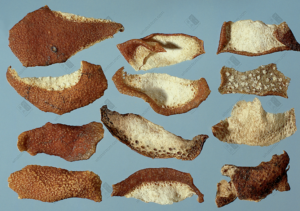
Pomelo peel used as a Traditional Chinese Medicine ingredient is named “Huazhou Juhong,” also commonly known as Juhong. According to the third edition of the Taiwan Herbal Pharmacopoeia, its primary source is the dried outer peel of immature Citrus grandis “Tomentosa” (Huazhou Pomelo) or Citrus grandis (L.) Osbeck (Pomelo), both belonging to the Rutaceae family. Huazhou Pomelo commonly seen in the market often has its outer peel cut into 5, 6, or 7-pointed star shapes, thus earning names like “five-claw,” “six-claw,” or “seven-claw,” and is sold folded. The most renowned comes from Huazhou City, Guangdong Province, China, which is why it is called Huazhou Juhong. The best quality has a faint aroma and contains oil glands. Its main functions are to regulate qi and broaden the chest, dry dampness, and resolve phlegm. However, there is another item in the market currently referred to as “Juhong.” According to the third edition of the Taiwan Herbal Pharmacopoeia, its primary source is the dried outer peel of Citrus reticulata Blanco (Mandarin Orange) and its cultivated varieties, also of the Rutaceae family. Its main functions are to dispel cold, dry dampness, regulate qi, and eliminate phlegm. Although the names are similar, their efficacies and botanical origins differ, necessitating careful distinction in clinical use.
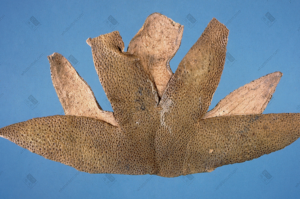
Huazhou Juhong contains numerous chemical components, including volatile oils like citral, flavonoids such as hesperidin, neohesperidin, and naringin, as well as inositol, vitamin B1, and others. The primary component used for quality standard identification is naringin. Current pharmacological research on naringin has found that, in addition to protecting the myocardium, it is also an excellent antioxidant, capable of inhibiting excessive free radical production, repairing kidney cell damage, reducing inflammation, lowering the incidence of atherosclerosis, and also has effects such as lowering blood pressure, cholesterol, and blood lipids. Due to naringin’s blood pressure-lowering function, caution should be exercised if taking Western antihypertensive medications concurrently.
Finally, Taiwan’s Ministry of Health and Welfare, Food and Drug Administration (TFDA) has also issued a notice regarding the consumption of pomelo during the Mid-Autumn Festival, cautioning about consumption amounts. This is because pomelo is rich in “furanocoumarins,” a compound that inhibits the metabolic enzyme CYP450 3A4 in the small intestine and liver. Since many medications are metabolized by this enzyme, consuming pomelo can lead to increased blood concentrations of these drugs, thereby raising the risk of adverse reactions (toxicity). The best way to avoid this is for individuals currently taking medication to largely avoid consuming such fruits. If you wish to consume them, a few segments are sufficient; do not consume large quantities. Lastly, I wish everyone a safe and reunited Mid-Autumn Festival.