



After ‘Lichun’, the Osmanthus Fragrance Fills the Air, Is its Bark the Cassia Bark Used in Traditional Chinese Medicine?
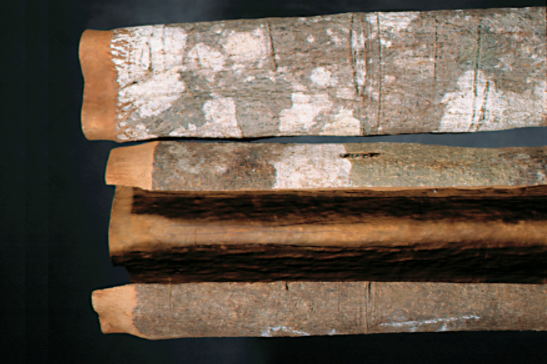
Qinghua Cassia: Semi-circular grooved, rolled tube, brownish-red. Inner surface reddish-brown, hard and brittle, sweet, spicy, and fragrant.
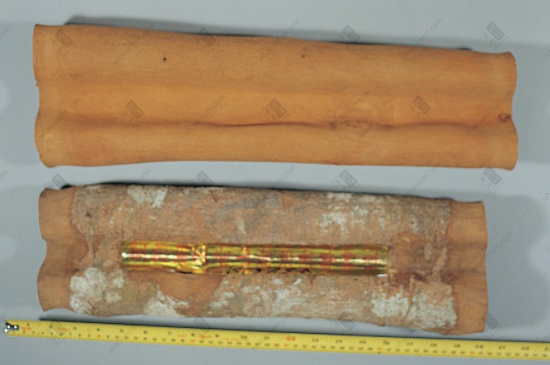
Qinghua Cassia: Outer surface with a colorful coating.
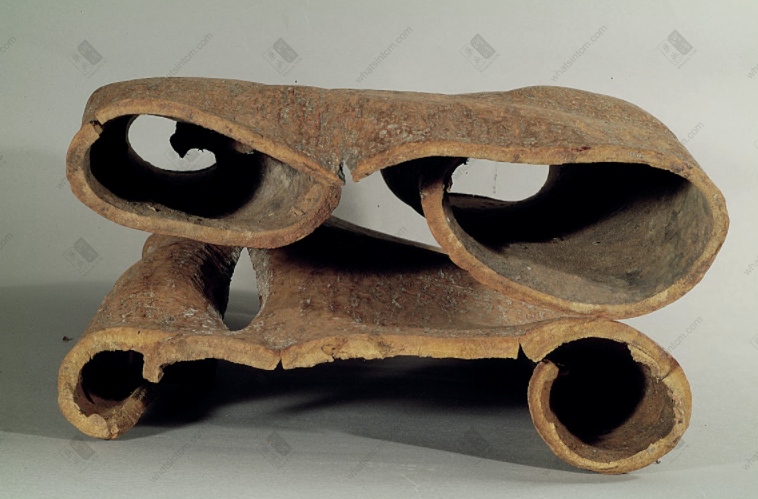
Qi Bian Cassia rolled hole.
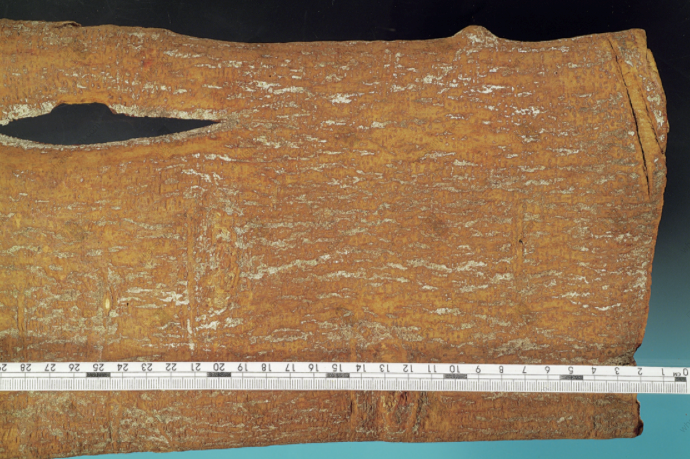
Qi Bian Cassia, outer view.
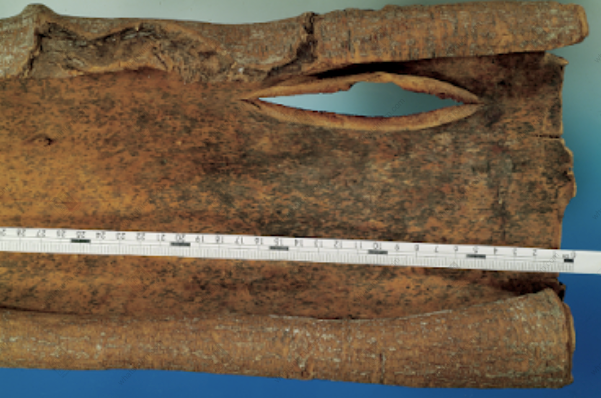
Qi Bian Cassia, inner view.
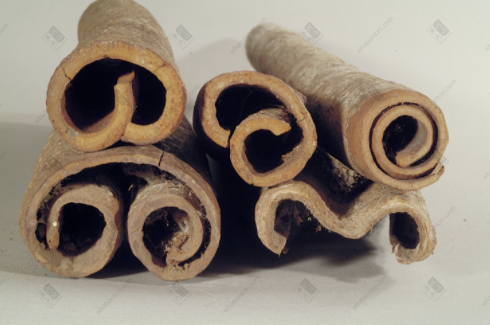
Cassia Bark: The upper part is a single roll, the lower part is a double roll.
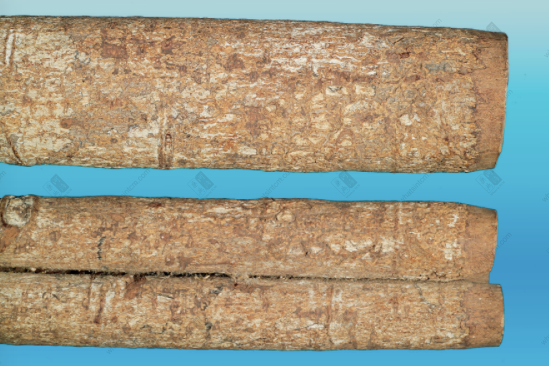
Guan Gui (Official Cassia).
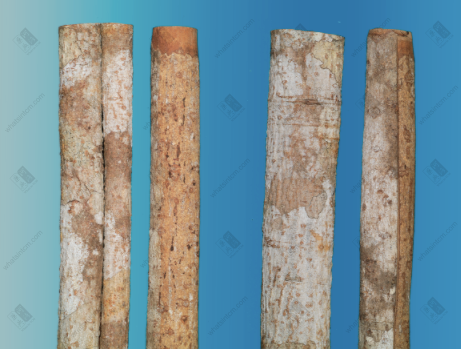
Guang Gui (Guangxi Cassia).
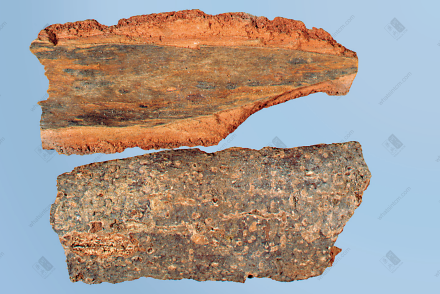
High-grade Guang Gui.
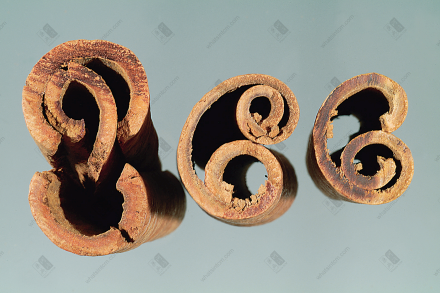
Peeled Guang Gui, small section of rolled surface.
“The lord does not return, who will remain on Zhongzhou? Beautiful and delicate, suitable for grooming; let me ride in a cassia boat.
May the Yuan and Xiang rivers be without waves, and the Yangtze River flow smoothly. I look for my lord, but he has not returned; whom do I think of when playing the bamboo flute?”
—— Excerpt from “Jiu Ge: Xiang Jun” by Qu Yuan
This poem by Qu Yuan uses the imagery of boats on the river to express deep longing and the hope for the return of a loved one. The “cassia boat” mentioned in the text is believed, through scholarly research, to be a wooden boat made from the trunk of the cassia tree. Furthermore, recent research by Tang Bingzheng suggests that terms related to cassia in “Chu Ci,” such as “cassia wine” (wine brewed with cassia), “cassia oar” (oar made of cassia), and “cassia beam,” all refer to cassia bark, not the fragrant osmanthus tree of the Oleaceae family.
According to the Third Edition of the Taiwan Pharmacopoeia, Cassia Bark (https://whatsintcm.com/en/dt_articles/cinnamon/) is the dried bark of the cinnamon tree *Cinnamomum cassia (L.) J.Presl*, belonging to the Lauraceae family. It is commonly known as “Gui Pi” (cassia bark). The commonly brewed osmanthus wine, however, is made from the flowers of *Osmanthus fragrans (Thunb.) Lour.*, belonging to the Oleaceae family, and is divided into “Golden Osmanthus” and “Silver Osmanthus” based on variety. These are used in food or as fragrances. Cassia bark is mainly produced in Guangxi, which is abbreviated as “Gui.” Guiping in Guangxi is a major production area. Cassia from Fangcheng is known as Fangcheng Gui, and that from Dongxing is Dongxing Gui. Cassia from Guiping and Luoding is called Xijiang Gui. Thanh Hoa in Vietnam also has large-scale cultivation. In Taiwan, there is a plant in the same family as cassia called “Tu Rou Gui” (native cassia) or “Yin Xiang,” whose leaves and bark also have a refreshing fragrance, leading to extensive cultivation and use. Due to its long history of use, cassia bark has many aliases, including Guan Gui, Mu Gui, Jun Gui, Tong Gui, Gui Tong, Ban Gui, and Qinghua Gui. It is listed as a superior-grade herb in the “Shen Nong Ben Cao Jing.” The text records “Mu Gui” and “Jun Gui” as two different entries. Both are warm and pungent in taste, have the effect of tonifying the middle and benefiting qi, and can lead to a light body and longevity with long-term consumption. The character “Mu” implies robustness, indicating that the plant grows very tall. The character “Jun” is used because it often grows in tropical regions with warm and humid climates, leading to the common presence of fungi, algae, or mosses on the cassia tree bark, hence the name.
Due to differences in the morphology of harvested medicinal materials and their processing methods, there are many forms and names found in the market. Let me introduce them one by one. “Ban Gui” is typically taken from the bark of old tree trunks, specifically from the bark stripped from the lower part of the trunk near the ground, and is usually pressed into large, dry, flat pieces. “Qi Bian Gui” is made by peeling the cassia bark and then pressing it into a mold so that the sides curl inward, creating a shape with a slight convex and concave contour in the middle. It is often mistakenly believed that “Qi Bian Gui” is the same as “Qinghua Gui,” but “Qinghua Gui” typically refers to the large-leaf Qinghua Gui produced in the limited region of Thanh Hoa, Vietnam, which has some botanical differences from general cassia. It has a mild taste when chewed, and its processing is often similar to “Qi Bian Gui,” leading to confusion. “Tong Gui” is made by harvesting the bark of cassia trees that are about five to six years old, drying them naturally, and then rolling them into a barrel shape. “Guan Gui,” according to the “Ben Cao Gang Mu,” refers to superior-grade cassia for officials, meaning high-quality cassia presented as tribute to the imperial court, thus ensuring its quality. “Gui Xin” is not the woody part from the center of the tree, but rather the bark of the cassia tree after the outer cork layer (bark) has been removed. High-quality “Gui Xin” will show a distinct oily streak when scratched with a fingernail and has a strong aroma.
Gui Zhi Tang (Cassia Twig Decoction), known as “the number one formula in the world,” has a note in the “Shang Han Lun” indicating that the bark should be removed during use. This “removal of bark” refers to discarding the rough outer layer of the herb that is not medicinal, i.e., the outer cork layer, not the inner medicinal bark. In summary, both cassia bark and cassia twigs, being from the same plant, can dispel cold, relieve pain, and warm and unblock the meridians. However, due to differences in the medicinal parts used, their effects also vary. Cassia twigs, being young branches, are more inclined to dispel external cold, while cassia bark, having grown for a longer period, is more focused on warming the interior.
Recent systematic reviews and meta-analyses published in international journals have provided experimental evidence that cassia bark helps lower fasting blood glucose, total cholesterol, and blood pressure, and can also improve primary dysmenorrhea. As cassia bark is a common spice, and due to the coumarin it contains, animal studies have shown that excessive intake can cause harm to the liver and kidneys. Therefore, Taiwanese authorities have set regulatory standards: food should not exceed 2 milligrams per kilogram, allowing the public to use it with peace of mind.
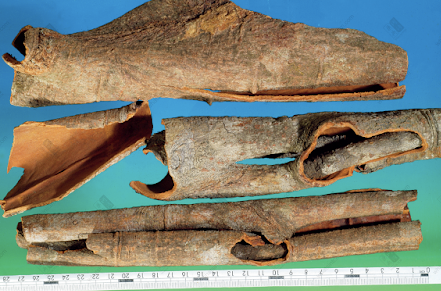
Lower-grade Cassia Bark.
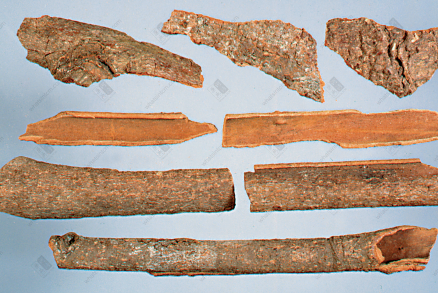
Mainland Gui Tong.
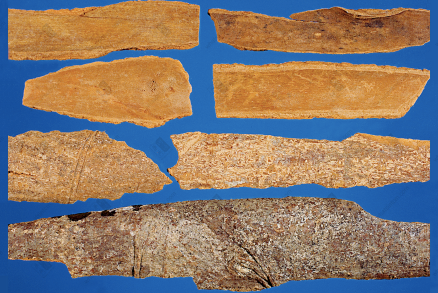
Vietnamese Gui Tong.
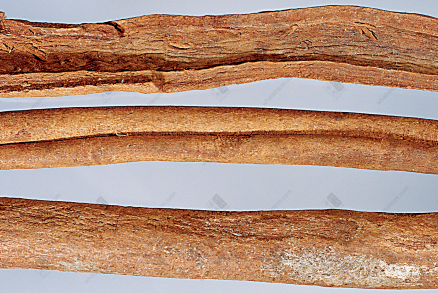
Indonesian Cassia Bark.
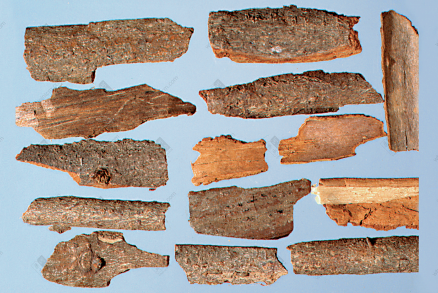
Cassia Bark: Bark of cassia twigs.
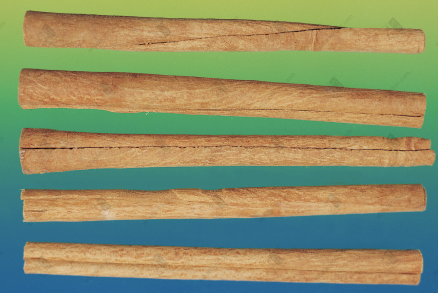
Cinnamon Sticks: Used for coffee.
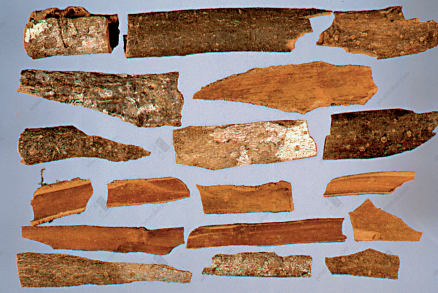
Vietnamese Cassia Chips.
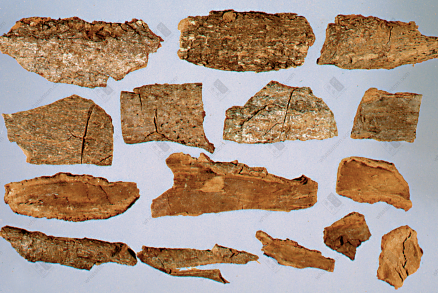
Guangxi Cassia Chips.
【Image Provider】Professor Zhang Xianzhe’s “Illustrated Guide to Authentic Medicinal Materials” https://whatsintcm.com
【Author Introduction】
Chen Dazhen, Education: Ph.D. in Traditional Chinese Medicine, China Medical University.
Current Position: Assistant Researcher, Center for Medical Intelligence, National Taiwan University Hospital.
Editorial Committee Member, Department of Chinese Materia Medica, National Textbook Compilation Committee for Chinese Medicine Colleges and Universities.
Distinguished Lecturer, Industrial Technology Research Institute.
Part-time Lecturer, School of Post-Baccalaureate Chinese Medicine, China Medical University.
Part-time Assistant Professor, Department of Pharmacy, Kaohsiung Medical University.
Co-founder of Heluo Pharmacopoeia and www.whatsinTCM.com.
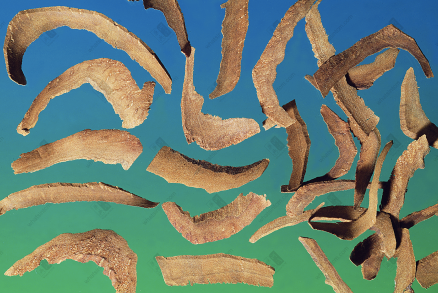
Qinghua Gui Slices.
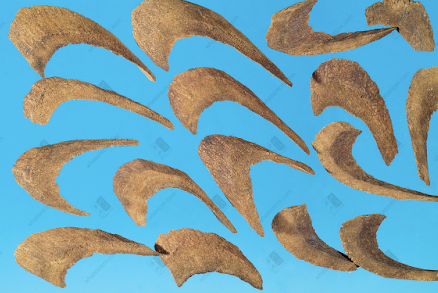
Cassia Bark, Horseshoe-shaped slices.
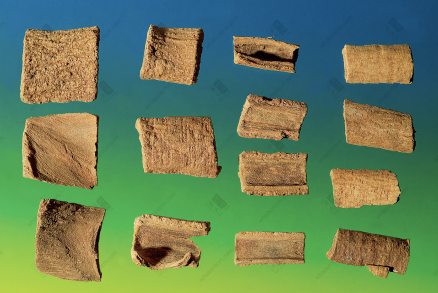
Cassia Bark Slices.