



Chinese Herbal Medicine Fritillaria for Long COVID Cough: Differentiating Varieties
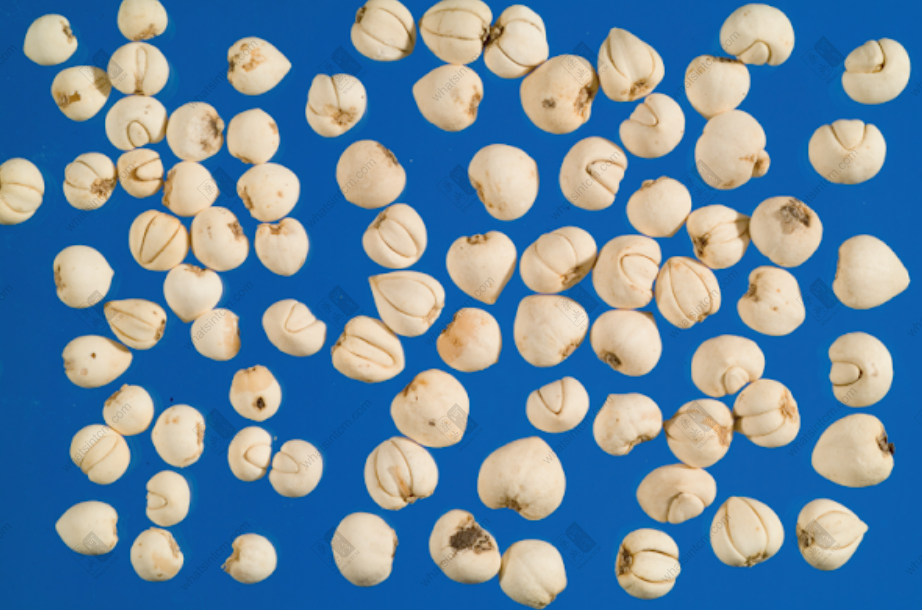 Song Bei (Bulbous Fritillary): Resembles a mother embracing a child.
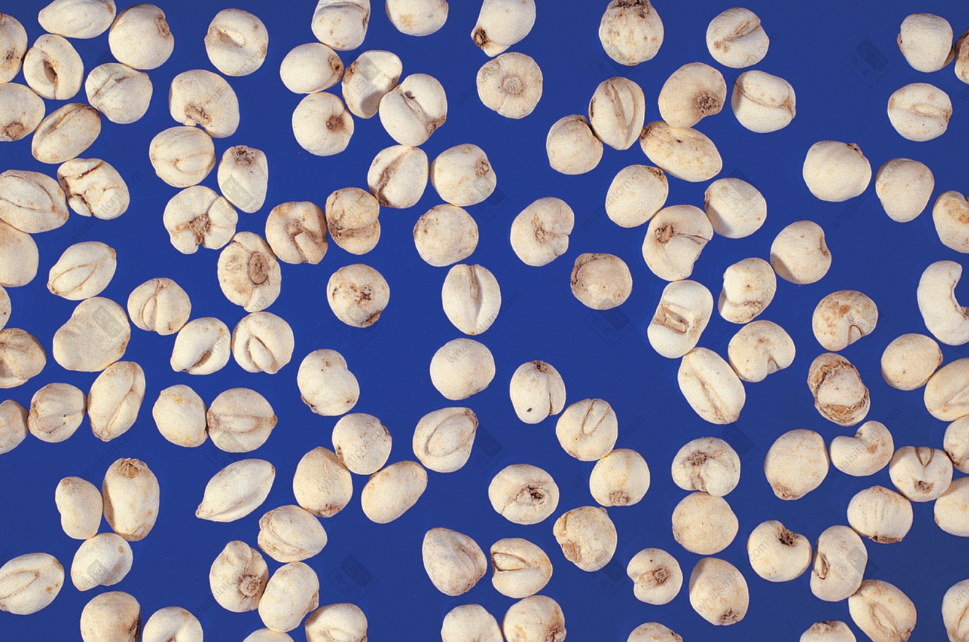 Song Bei (Bulbous Fritillary) mixed with Xiao Ping Bei (Small Flat Fritillary).
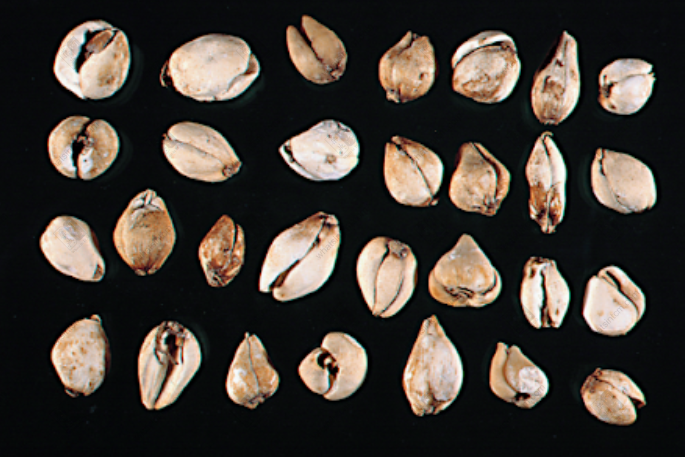
Lu Bei: Rhombic, heart-shaped, with deep yellow spots and tiger-like stripes.
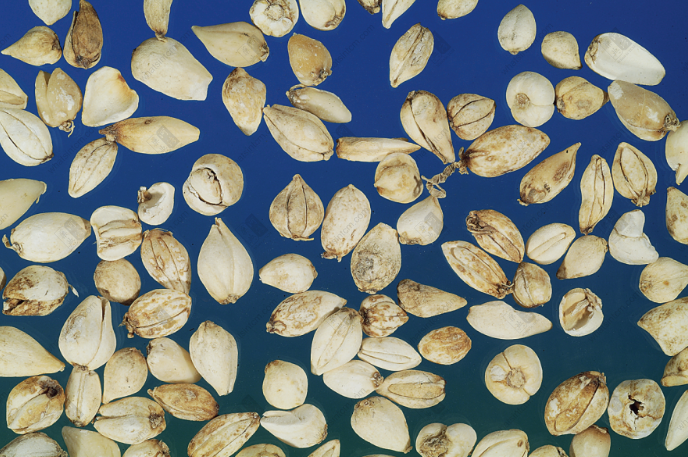
Imitation Lu Bei.
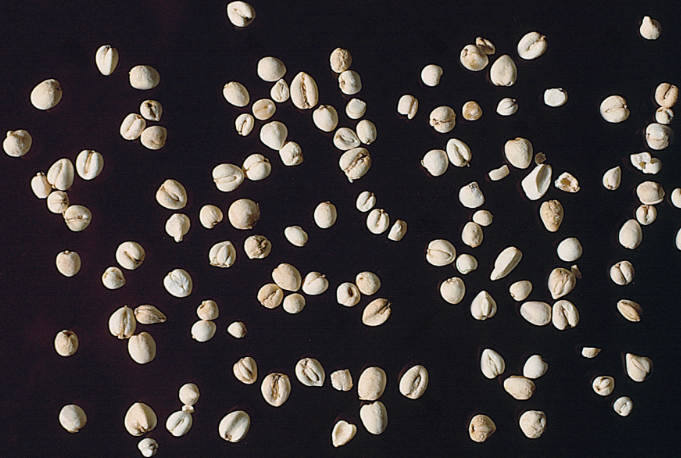
Zhen Zhu Bei (Pearl Fritillary).
“Dr. Da Zhen’s Video Introduction to Traditional Chinese Medicine”:
“Fritillary vines climb a hundred fathoms before the steps, twin paulownias entwined, their leaves dense. Strength confronts my protracted years, wishing to be gentle and soften my heart.”
_Fritillary_ by Zhang Zai of the Song Dynasty
Source:
In the Taiwanese Pharmacopoeia, Fritillaria is divided into two categories based on its origin: “Chuan Bei Mu” (Sichuan Fritillary) and “Zhe Bei Mu” (Zhejiang Fritillary). This article will first discuss Chuan Bei Mu. According to the fourth edition of the Taiwanese Pharmacopoeia, Chuan Bei Mu (https://reurl.cc/bErz9r) refers to the dried bulbs of Liliaceae plants such as Fritillaria cirrhosa D.Don, Fritillaria unibracteata P.K.Hsiao & K.C.Hsia, Fritillaria przewalskii Maxim. ex Batalin, Fritillaria delavayi Franch., Fritillaria taipaiensis P.Y.Li, or Fritillaria unibracteata P.K.Hsiao & K.C.Hsia var. wabuensis (S.Y.Tang & S.C.Yueh) Z.D.Liu, Shu Wang & S.C.Chen. These are commonly known as “Song Bei” (pine fritillary), “Qing Bei” (green fritillary), and “Lu Bei” (furnace fritillary) based on their external appearance. They are usually harvested in summer and autumn or after snowmelt, then the fibrous roots, coarse bark, and mud are removed, followed by sun-drying or low-temperature drying. Chuan Bei Mu is mainly produced in Yunnan, Sichuan, and other regions. Among these, “Song Bei” is smaller, with a diameter of only about 0.5 to 1 cm. The even smaller ones are mainly produced in the Aba Tibetan Autonomous Prefecture of Sichuan and are specifically called “Zhen Zhu Bei” (pearl fritillary), which has better efficacy. The second type, “Qing Bei,” is slightly larger, with a diameter of about 1 to 1.5 cm, and is mainly produced at the border of Sichuan and Yunnan, also of good quality. “Lu Bei” is mainly produced in Changdu, Deqin, and Dali in Sichuan. Its size is similar to Qing Bei. Furthermore, the Songpan area in Sichuan, known for its snowy mountain grasslands, produces “Zheng Song Bei” (authentic Song Bei), hence it is also called the “hometown of Fritillary.” Due to the vast topographical variations and diverse climate in Sichuan, with varied water quality and soil conditions, the quality of Chuan Bei Mu can differ based on its growing environment. The medicinal use of Fritillaria is first recorded in the Spring and Autumn and Warring States period in the book “Wan Wu,” which states: “Fritillary treats cold and heat.” The “Ming Yi Bie Lu” from the Han Dynasty also records: “Fritillary, bitter taste, slightly cold, non-toxic. It mainly treats abdominal masses, fullness below the heart, aversion to wind and cold, dizziness, stiff neck, cough with qi rising, thirst due to heat, sweating, pacifies the five zang organs, and benefits tendons and bones.” This indicates its good efficacy for cough. In Li Shizhen’s “Compendium of Materia Medica” from the Ming Dynasty, Fritillaria was often recommended to be taken as a powder. Modern chemical analysis shows that the main components of Chuan Bei Mu are various alkaloids, which are poorly soluble in water, making it difficult to extract all active ingredients through ordinary decoction. This research aligns perfectly with the ancient practice of using Fritillaria in pills and powders.
Because Chuan Bei Mu has many varieties, confusion is common in the market. Therefore, more attention should be paid when purchasing. Several identification terms can be used when selecting medicinal materials:
“Song Bei”: “Huai Zhong Bao Yue” (mother embracing a child) refers to the outer scale leaves of Song Bei. Due to their varying sizes, a large scale leaf tightly encloses a smaller one, with the exposed part resembling a crescent moon. “He Ge Zui” (dove’s beak) refers to the small scale leaves of Song Bei, which are nearly lanceolate and whose exposed parts resemble a crescent moon. “Guan Yin Zuo Lian” (Guanyin sitting in lotus) describes the base of Song Bei, which is flat and slightly concave, allowing it to stand upright and stable, resembling Guanyin Bodhisattva in a meditative posture. “Suan Ni Di” (garlic paste stem) refers to the bulb disc at the center of the base of Song Bei, which is grayish-brown or black, sometimes with residual fibrous roots. The above characteristics can identify it as “Song Bei” among Chuan Bei Mu.
“Qing Bei”: “Guan Yin He Zhang” (Guanyin clapping hands) refers to the outer two scale leaves of Qing Bei, which are similar in shape and size, clasped together like Guanyin clapping hands. “Kai Kou Xiao” (smiling opening) refers to the often open top of Qing Bei, hence the name. The above characteristics can identify it as “Qing Bei” among Chuan Bei Mu.
“Lu Bei”: Lu Bei is divided into white and yellow types based on color. White Lu Bei is also known as Ma Ya Bei (horse tooth fritillary), whose “Ma Ya Zui” (horse tooth mouth) is prismatic conical and long ovate, resembling a horse’s tooth, with an opening at the top as its characteristic. Yellow Lu Bei is also called Hu Pi Bei (tiger skin fritillary), characterized by its unique yellowish-white or brown spots on the surface of the scale leaves, commonly known as “Hu Pi Ban” (tiger skin spots). “Hua Ping Jiao” (flower vase foot) refers to the uneven or slender and slightly pointed base of Lu Bei. The above characteristics can identify it as “Lu Bei” among Chuan Bei Mu.
In summary, due to the relatively high price of Chuan Bei Mu, it is common to encounter adulterated products in the market. The sources of adulteration are numerous and will not be detailed here. A common characteristic of authentic Chuan Bei Mu is its smooth surface, white like a plastered wall, with the exception of yellow Lu Bei which has “tiger skin spots.” When tasted, it is slightly sweet at first, with bitterness appearing after a short while. Other Fritillaria species are bitter upon entry, which can also be used for differentiation. The Taiwanese regulatory authorities have also detailed standard limits for sulfur dioxide and heavy metals such as arsenic, cadmium, mercury, and lead, so the public can use it with confidence.
[Image provided by] Professor Zhang Xian-zhe, “Illustrated Guide to Authentic Medicinal Materials” https://whatsintcm.com