



Bai Zhi (Angelica Root)
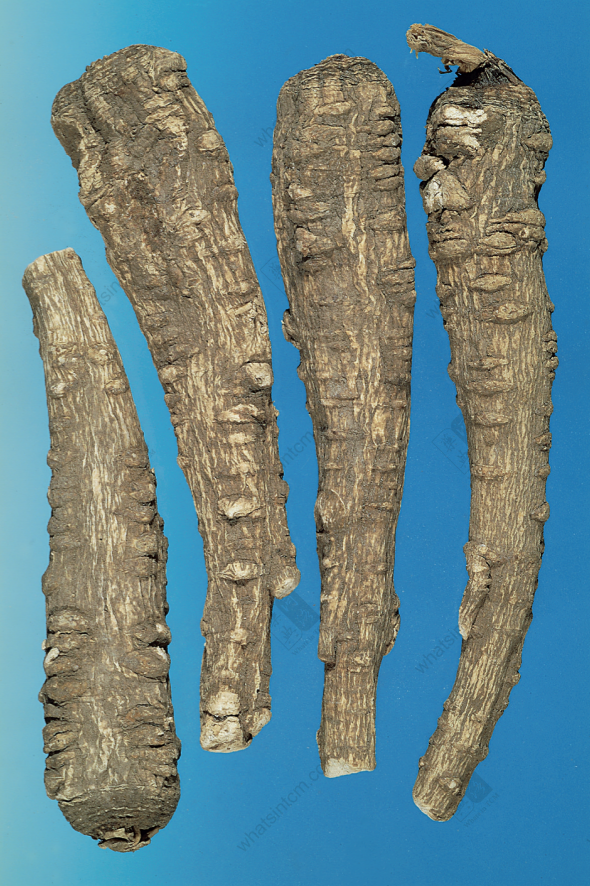 Chuan Bai Zhi (Long conical shape, grayish-brown, protruding lenticels, four-sided)
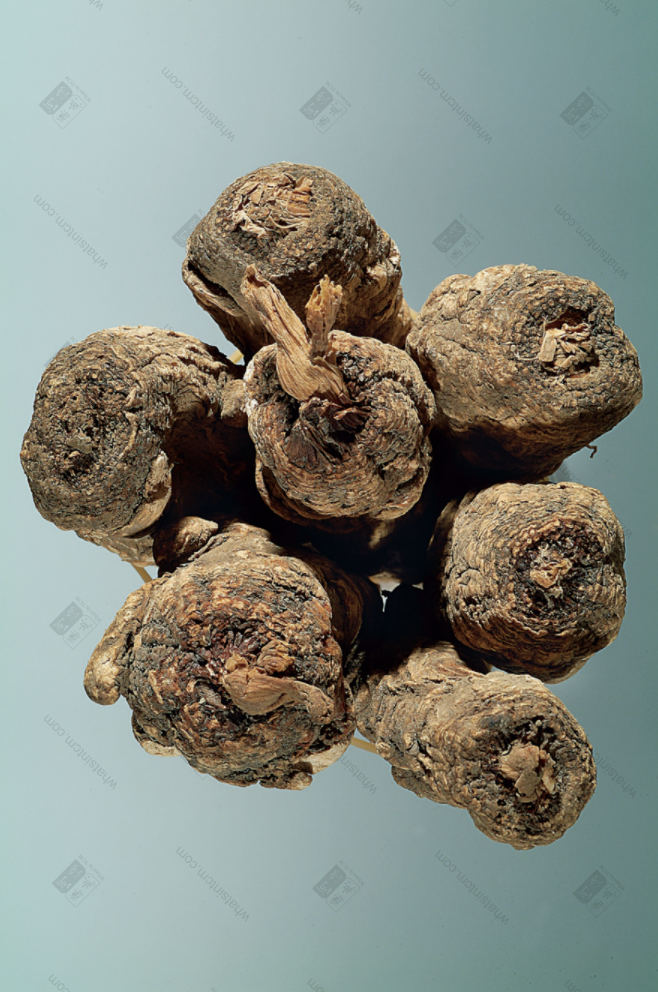 Chuan Bai Zhi Head (Concave marks = socket = indentation)
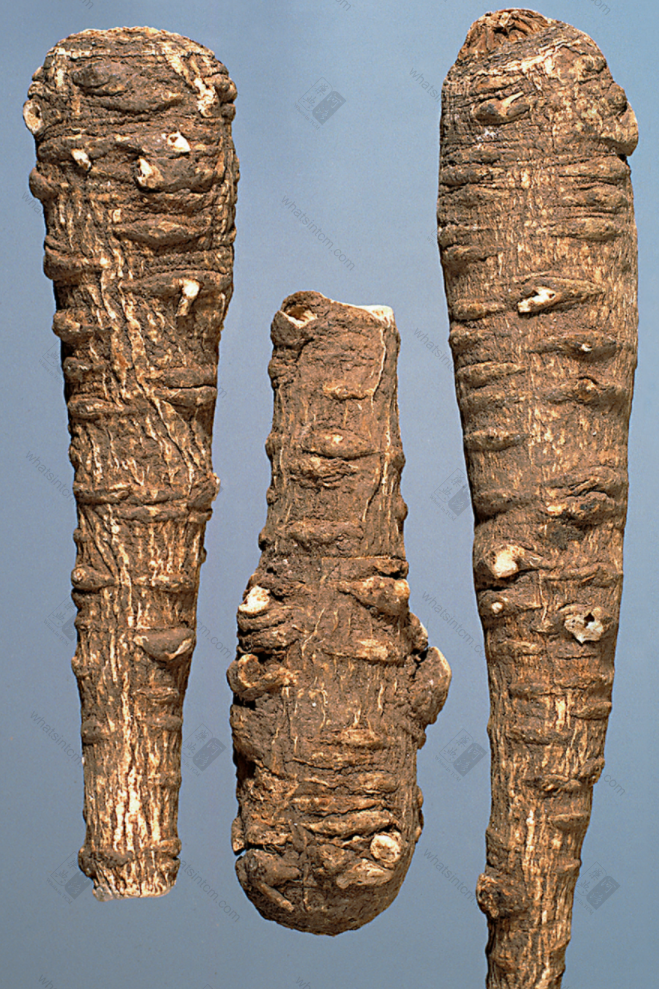 Hang Bai Zhi (Bumpy nodules) (Distinct four sides)
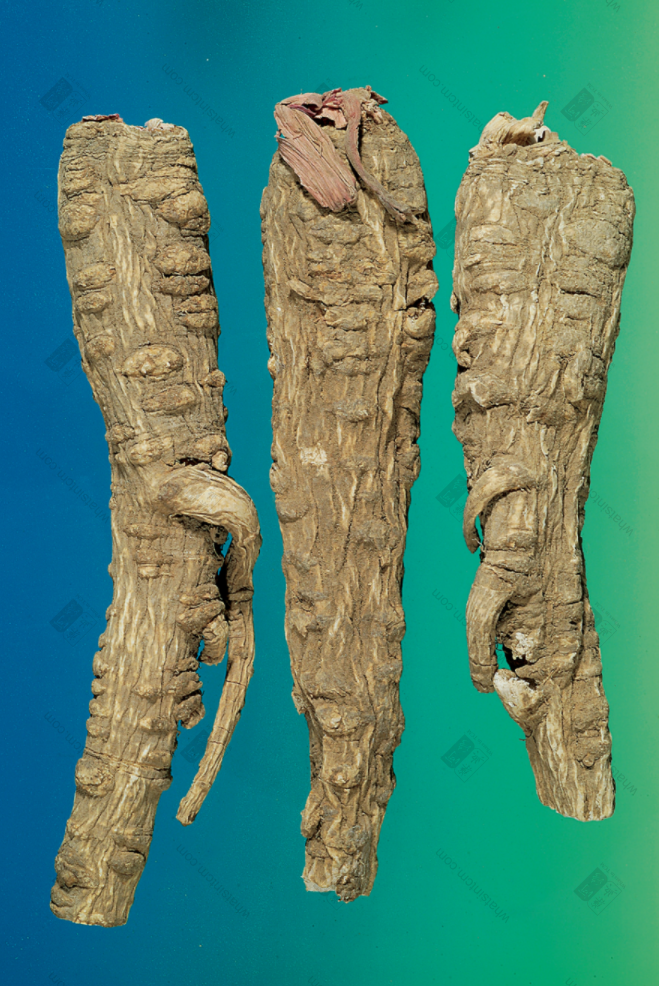 Anhui Bai Zhi
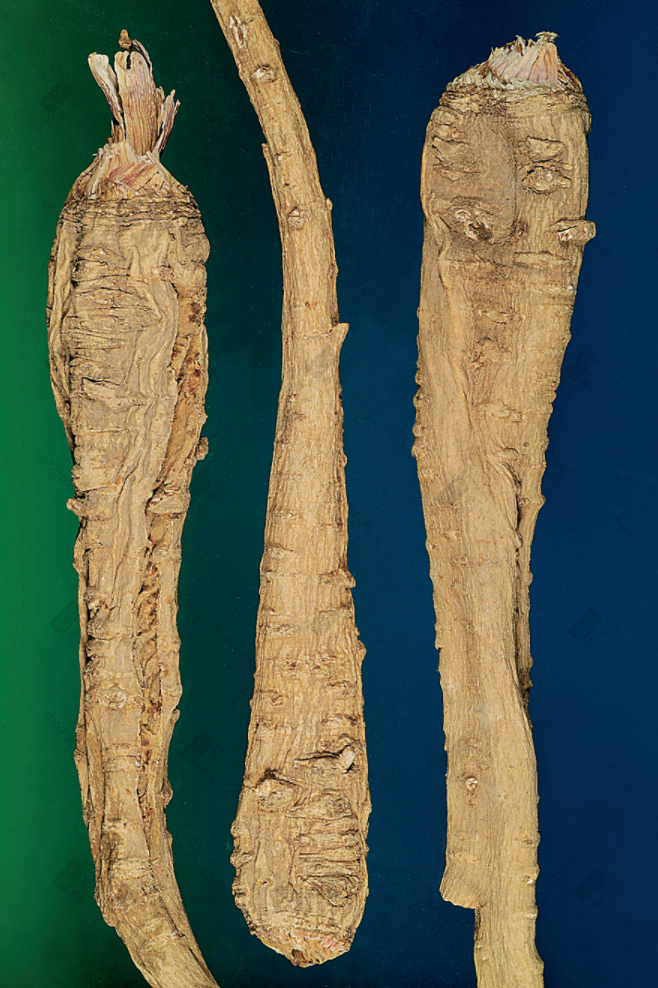 Hebei Bai Zhi
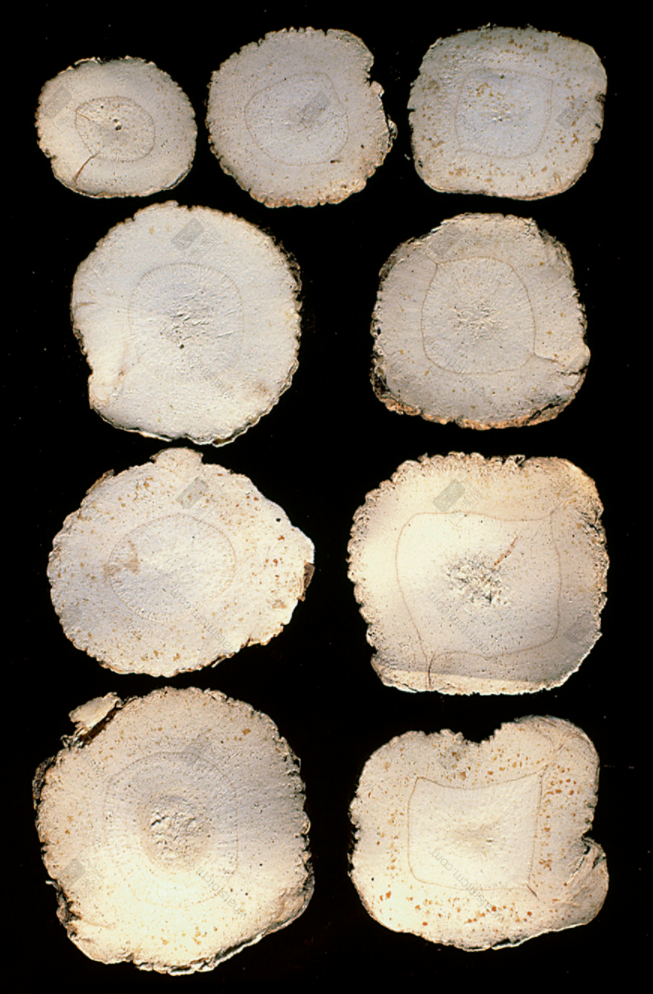 Chuan Bai Zhi Slices (Some square, some round) (Grayish-white, powdery)
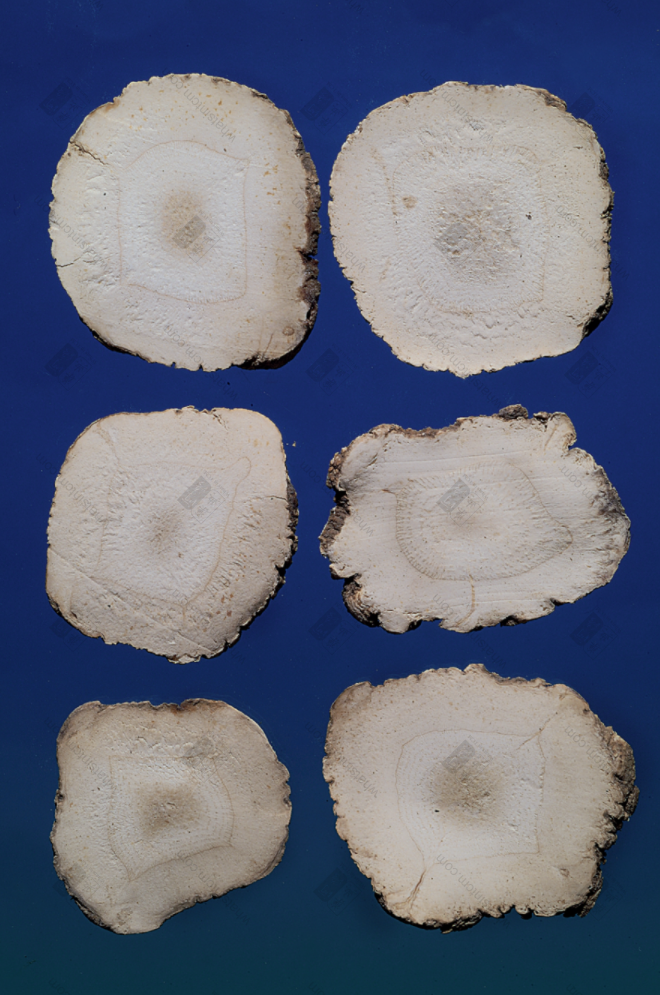 Hang Bai Zhi (Mostly square) (Brownish skin, oily and fragrant)
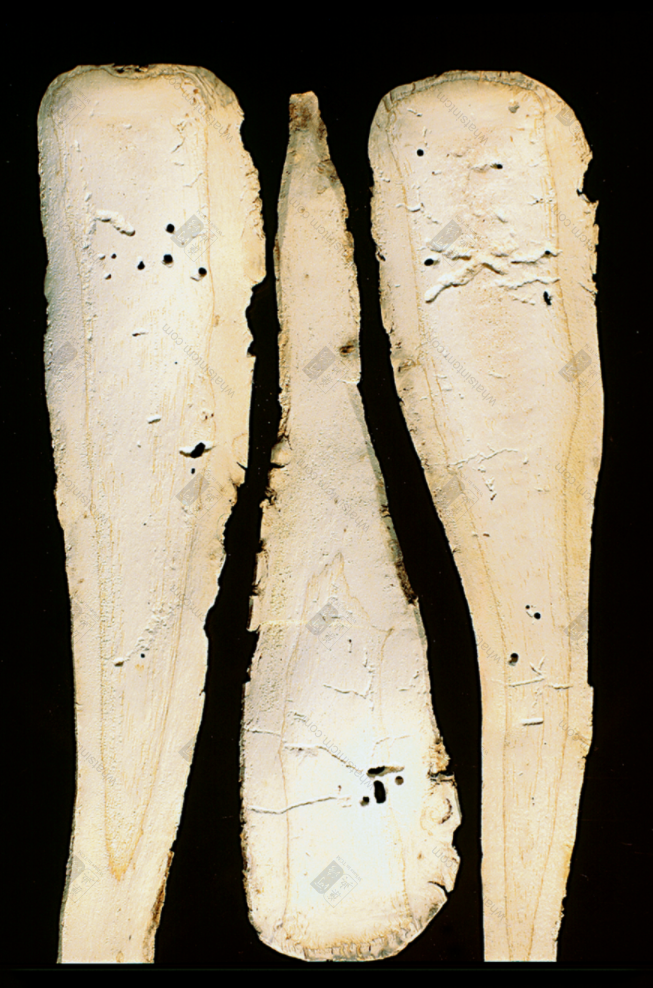 Chuan Bai Zhi Long Slices (Susceptible to insect infestation)
【Naming】
【Source】
Classified as a medium-grade herb in the Shen Nong Ben Cao Jing (Classic of Herbal Medicine)
【Frequency of Use】
A (Commonly Used)
【Botanical Origin】
The root of Angelica dahurica (Fisch.) Benth. et Hook. (Chuan Bai Zhi) and Angelica dahurica var. formosana (Boiss.) Yuan. et Shan. (Hang Bai Zhi), both belonging to the Umbelliferae family.
【Characteristics】
(1) Chuan Bai Zhi: Roughly cone-shaped without distinct ridges, about 7-24cm long and 1.5-2cm in diameter, sometimes with attached branch roots. The top has a concave stem scar and numerous concentric ring patterns. The surface is yellow or light brown, relatively smooth, with numerous lenticels scattered transversely and a large number of wrinkles. The texture is firm and relatively light.
(2) Hang Bai Zhi: Roughly cone-shaped with distinct four ridges, about 10-20cm long and 1.5-2.5cm in diameter. The top has a concave stem scar, and the surface is light yellow or light brown with fewer longitudinal wrinkles. A large number of corky, transverse protrusions, about 0.5-1cm long, are distributed and are commonly called “bumpy nodules.” They are mostly arranged in four longitudinal rows, giving the body a four-sided shape and a firm texture.
Processed slices are transverse thin slices, about 1mm thick. Longitudinal slices are also less common. The outer skin is grayish-yellow or light brown, and the cut surface is white or grayish-white, powdery and smooth. A brown cambium ring is visible on the outer ring, with numerous brown oil spots scattered outside the ring. The inner core of Chuan Bai Zhi is square or round, while the inner core of Hang Bai Zhi is square. The aroma is fragrant and rich, and the taste is pungent and slightly bitter.
【Identification】
“The best is yellow and glossy,” according to the Materia Medica Illustrated. “The best is harvested in the spring and is yellow and glossy,” according to the Classified Materia Medica. “The root is over a foot long, of varying thickness, and the best is yellow and glossy,” according to the Materia Medica Essentials. “The best is white in color and fragrant,” according to the Materia Medica Preparations. “The best is rich in fragrant and pungent taste and pure white and fresh,” according to the Good and Bad Identification.
The best is single-branched, with thick roots, few branches, fine and smooth skin, firm texture, heavy weight, sufficient powder, and strong aroma. Those with small or excessively large roots, loose texture, little powder, and weak aroma are of inferior quality.
【Identification Terminology】
1. Bumpy Nodules (Toad Skin): Refers to the horizontal lenticels arranged in rows on the outer skin of the Bai Zhi medicinal material, resembling “bumpy nodules or toad skin.”
【Category】
Root Category
Related Products
