



Danshen (Salvia Root)
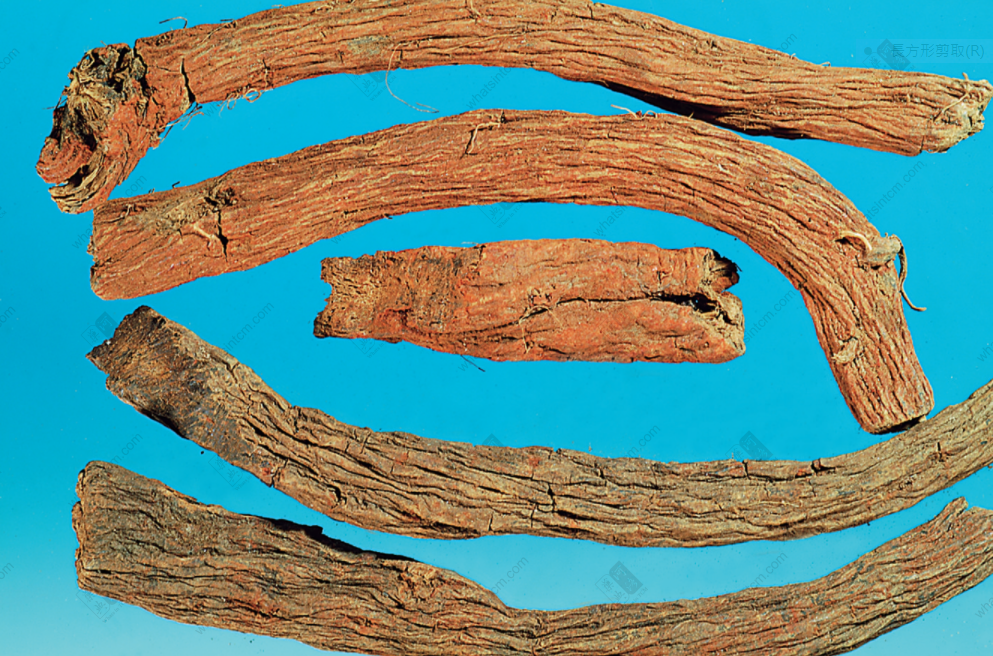
<img class="wp-image-13034 size-full" src="https://whatsintcm.com/wp-content/uploads/2020/07/p46-6-1川丹參-e1602487615928.png” alt=”” width=”590″ height=”888″ /> Sichuan Danshen (Brick red, coarse longitudinal wrinkles)
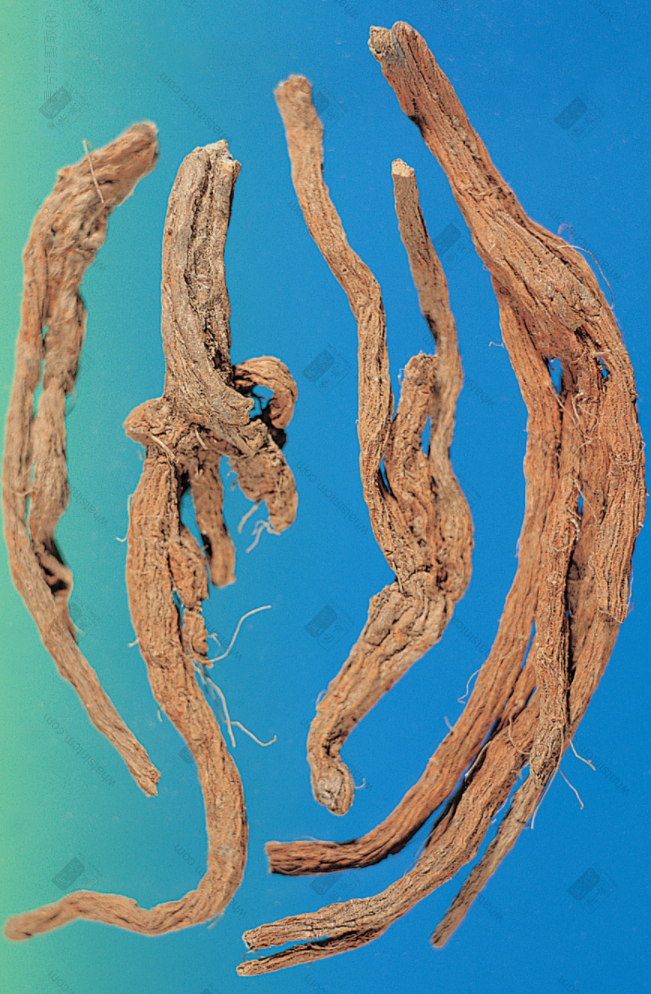 Sichuan Danshen
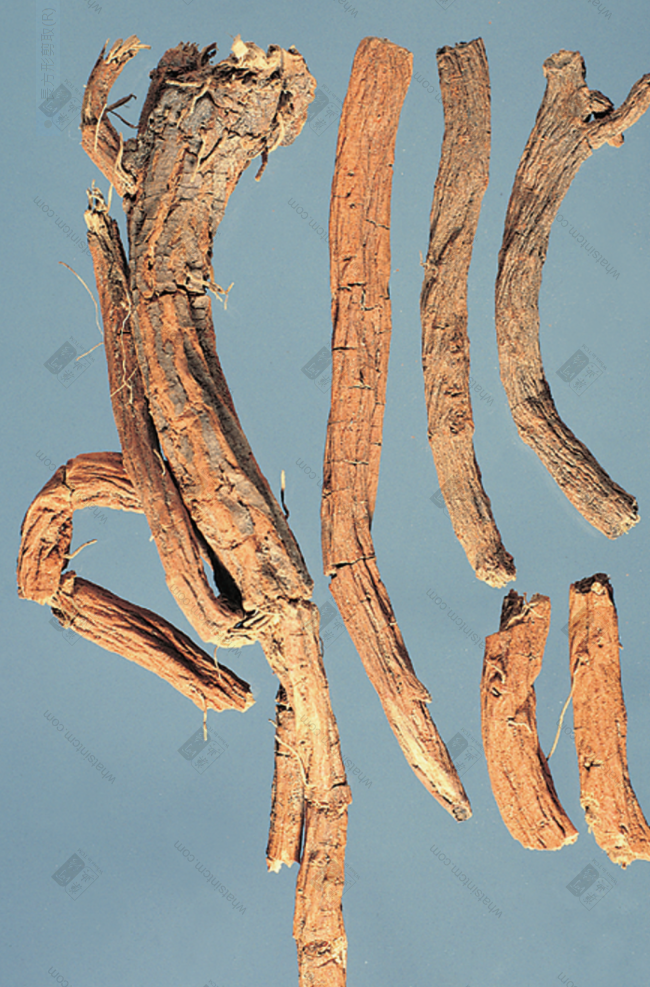 Mountain Danshen (Fibrous cross-section)
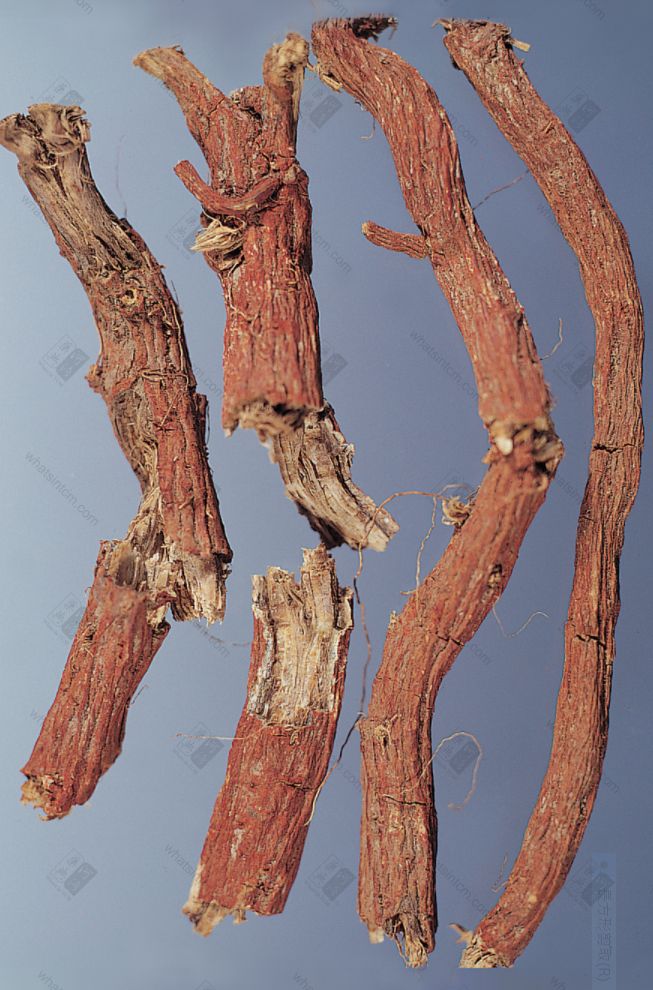 Shanghai Danshen (Produced in Shaanxi)
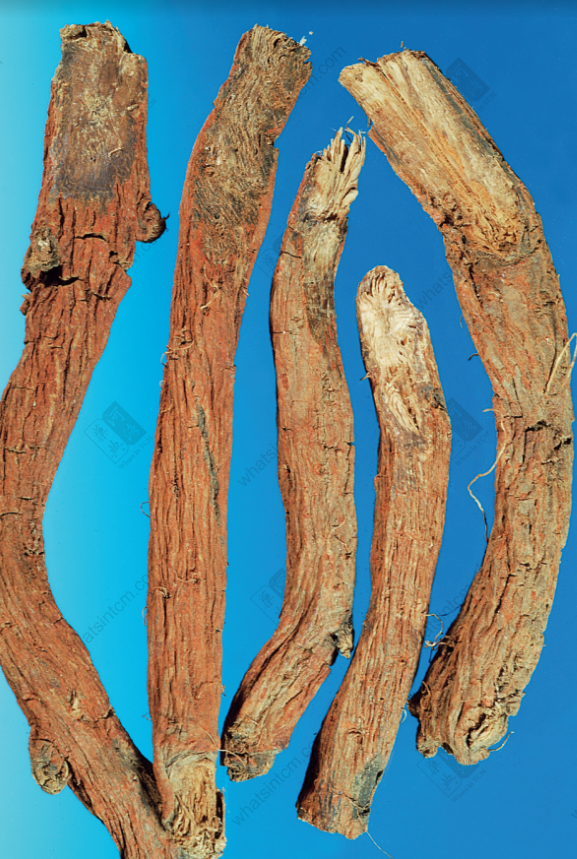 Sichuan (Left 2 purplish-brown), Mountain Danshen (Right 3 yellowish-white)
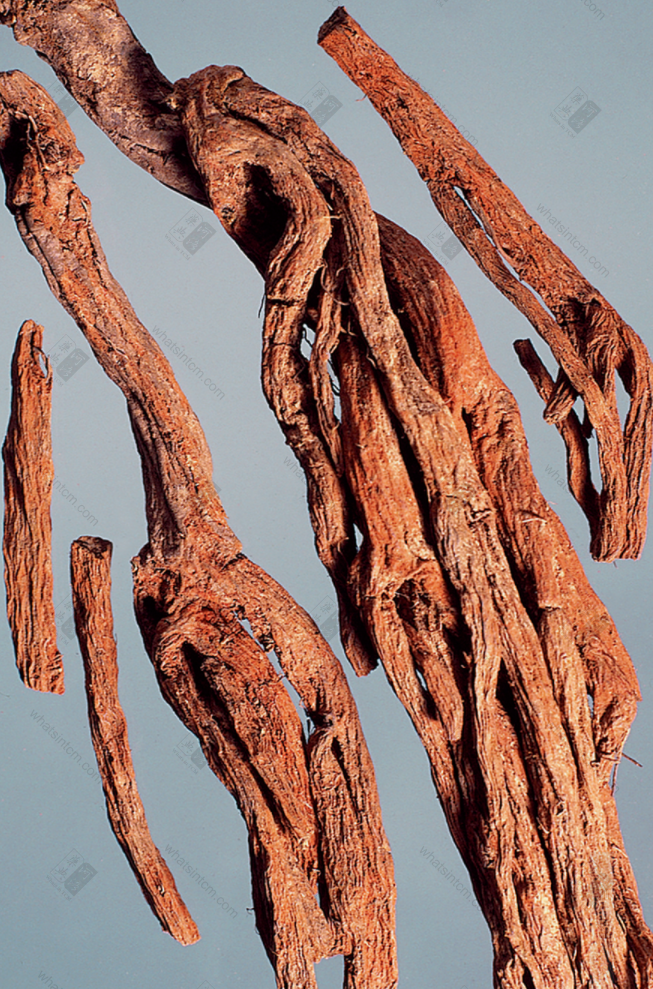 Purple Danshen
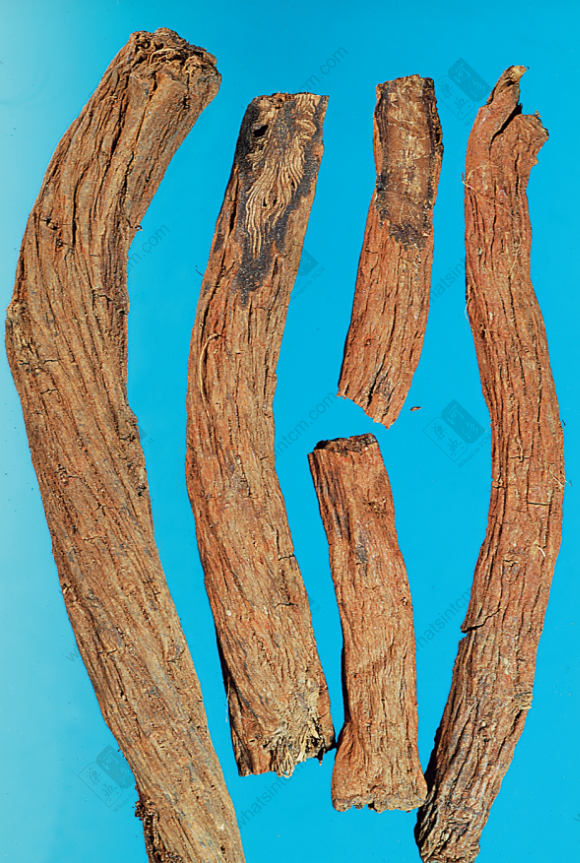 Purple Danshen
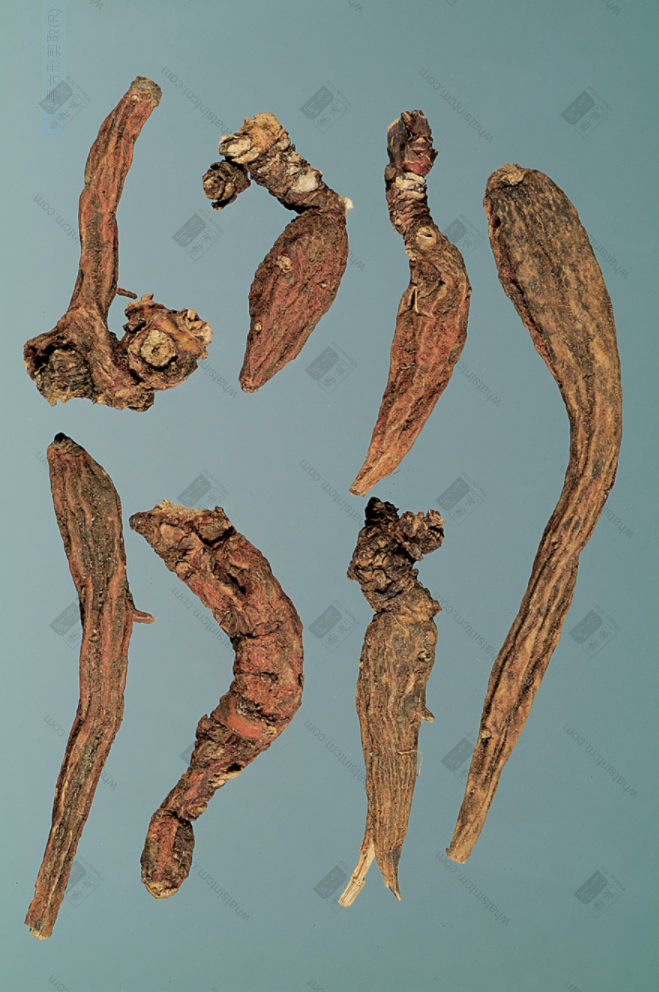 Dian (Yunnan) Danshen
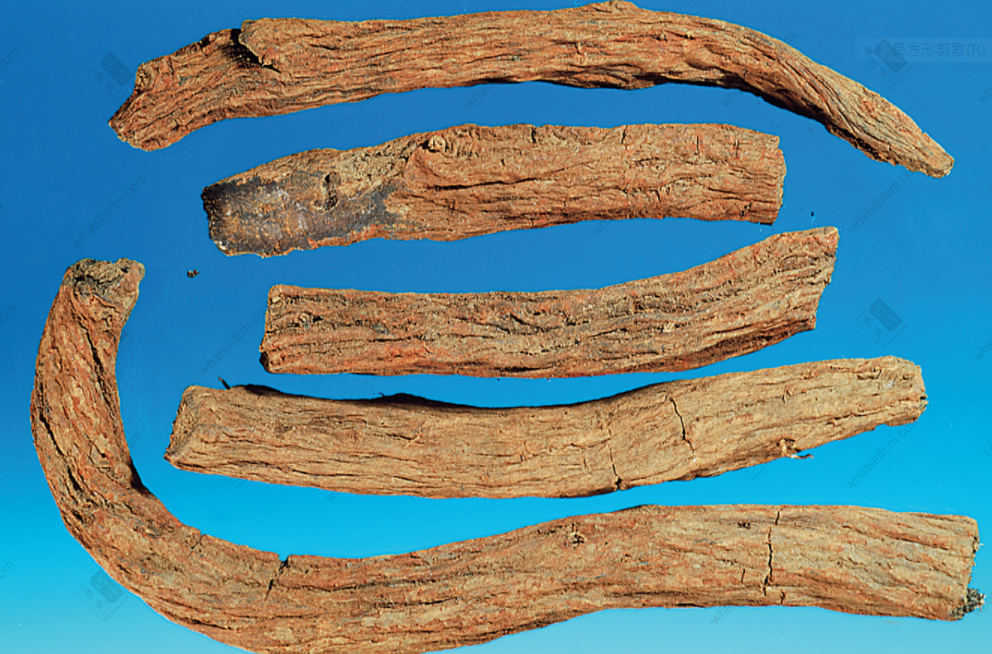 Hebei Danshen
 Hui Danshen
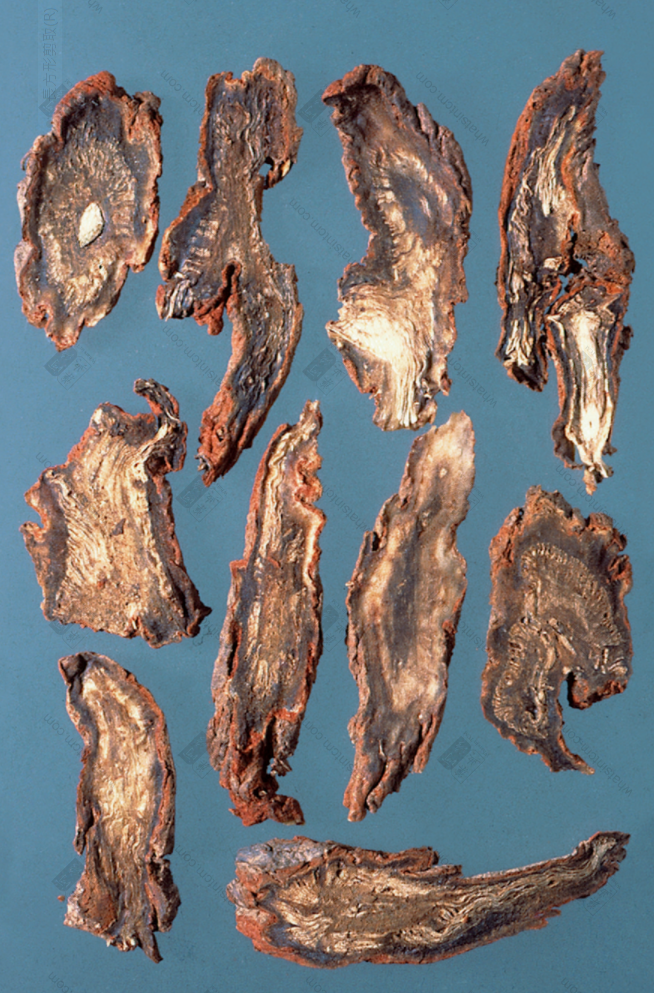 Sichuan Danshen Slices (Brown flesh, radial vascular bundles)
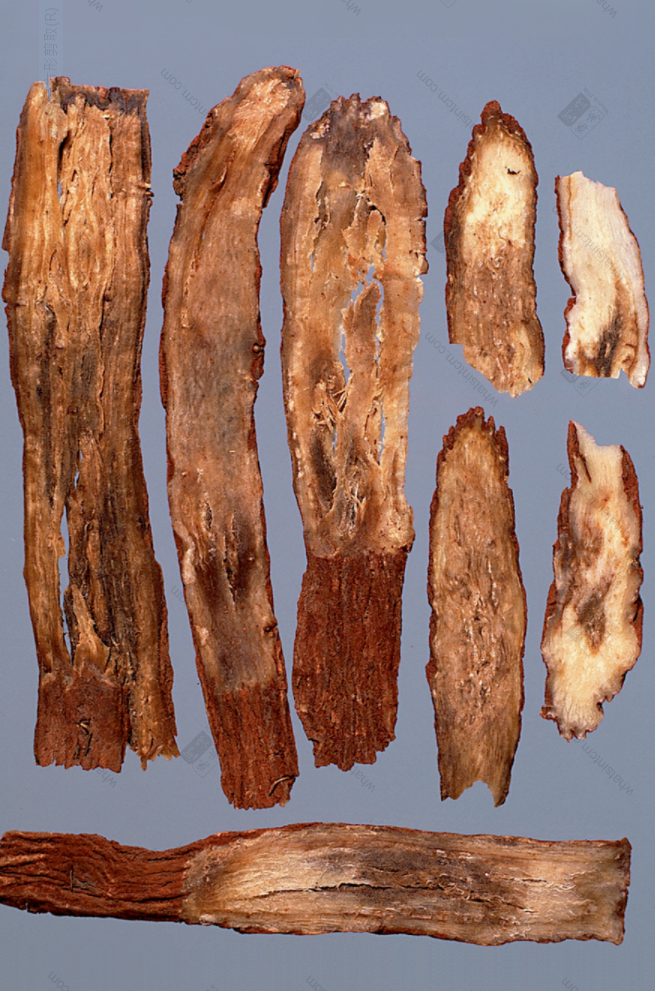 Mountain Danshen Slices (Yellowish-white flesh)
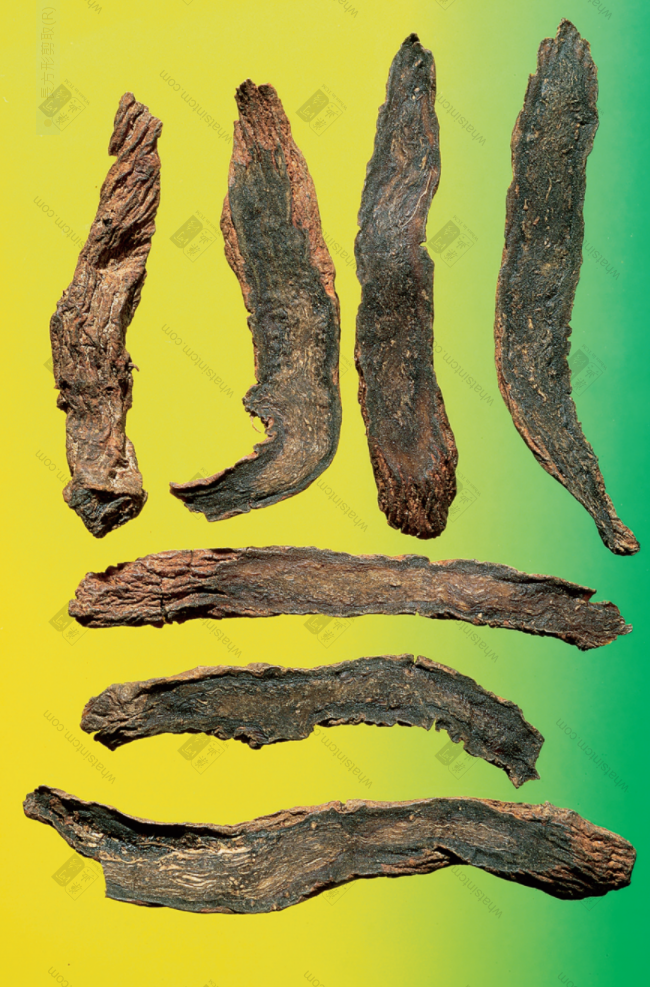 Wine-processed Sichuan Danshen Slices
【Naming】
【Source】
Superior class in the Classic of Herbal Medicine
【Common Usage Level】
B
【Botanical Origin】
The dried root of Salvia miltiorrhiza Bunge, family Lamiaceae (Danshen).
【Characteristics】
This product is a root with a rhizome. The rhizome is slightly thick, with remnants of the stem base. One, two, or many slender roots are connected below the rhizome. The roots are slightly cylindrical, wrinkled, and often curved, with varying lengths up to 25 cm and a diameter of about 4-10 mm. The outer surface is brick red to brownish-red, with numerous irregular longitudinal wrinkles. The cork layer is easily detached. The texture is relatively brittle, and the fractured surface is fibrous. Cultivated products have thicker main roots, are brick red with longitudinal wrinkles, and the cork layer is not easily detached. The texture is relatively firm, the fractured surface is slightly horny, the odor is weak, and the taste is sweet and astringent.
The prepared slices are oblique or irregular circular transverse slices, mostly about 4-10 mm in diameter and about 1-2 mm thick. The edges are wavy and uneven. The cut surface of the cortex is dark reddish-brown, purplish-black, or brick red. The vascular bundles of the xylem are yellowish-white and arranged radially, with numerous fissures. The odor is unique, and the taste is bitter and astringent.
【Processing】
【Identification】
The best quality is dry, thick, purplish-red (hence the name “Purple Danshen“), with fine and tight skin, plump flesh, no dirt, no fine roots, solid, and the fractured surface is yellowish-brown or brownish-red, with an oily luster and soft texture. It should have few fibers and a sweet and bitter taste.
【Identification Terminology】
1. Wrinkles: Refers to the uneven surface of roots and rhizome medicinal materials, presenting a wrinkled texture. Shallow, irregularly curved depressions are commonly called “wrinkles,” while deeper, horizontal or vertical depressions are commonly called “lines.” In the south, they are often called “grooves,” and in the north, they are called “furrows.”
【Category】
Roots