



Fructus Aristolochiae (Ma Dou Ling)
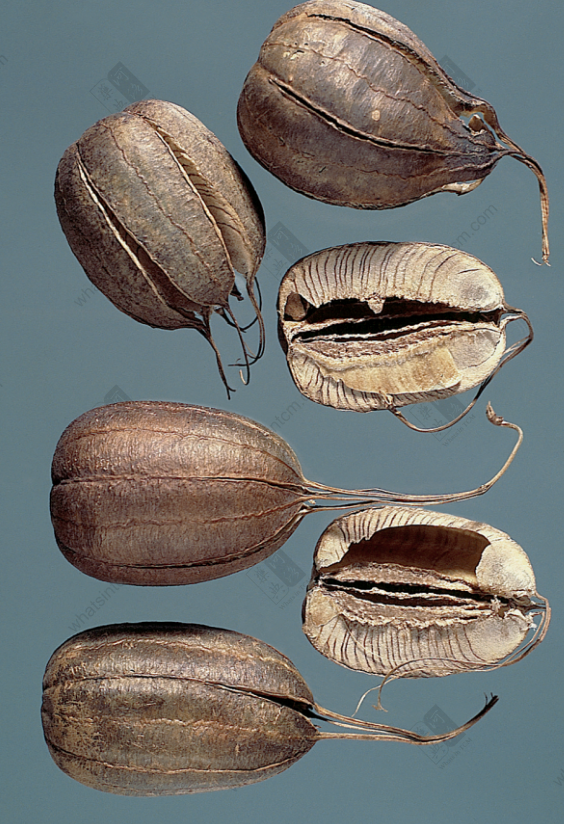 Fructus Aristolochiae (Horse neck bell, split ovoid, brownish-brown, convex wavy longitudinal ridges, crushed pericarp divided into six lobes)
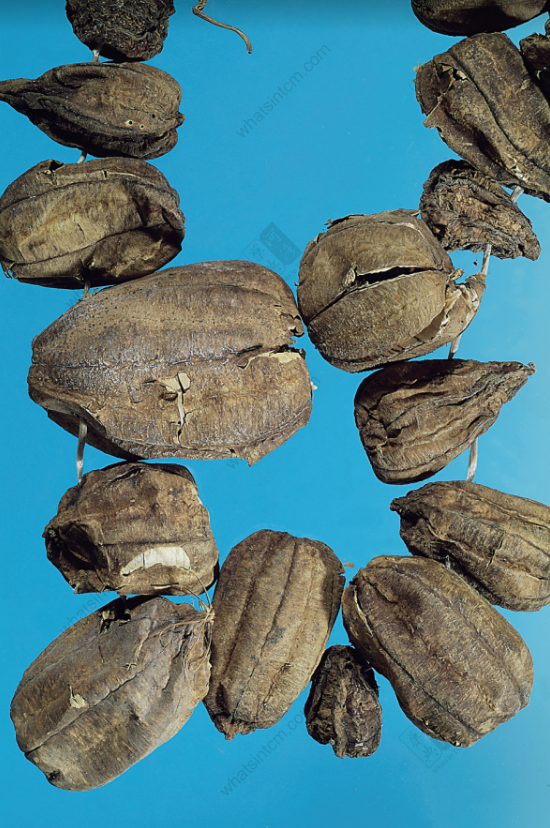
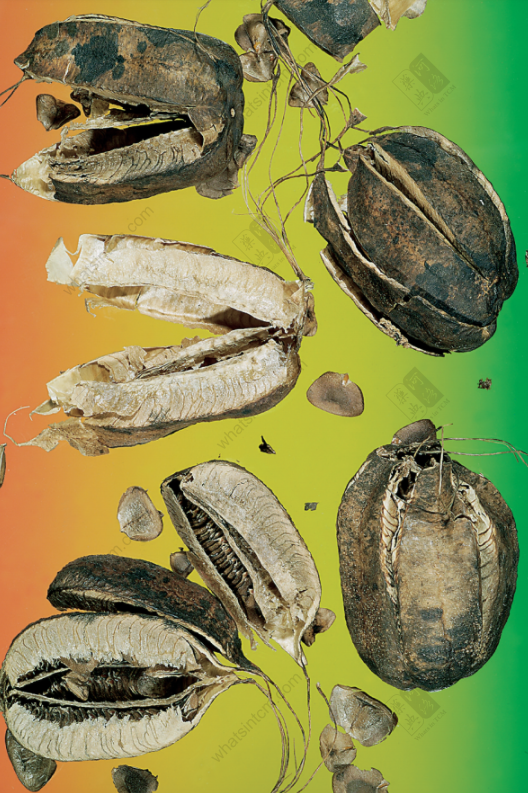
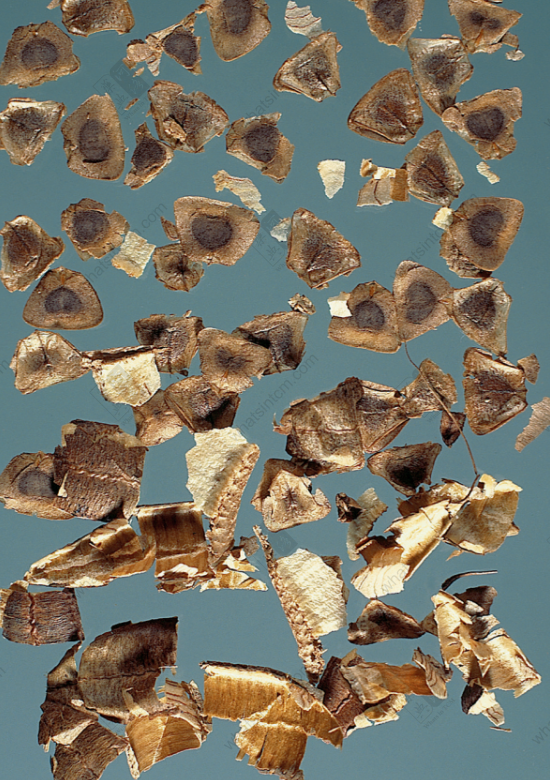 Fructus Aristolochiae (Pericarp is light, brittle, and easily cracked, fan-shaped seeds, thin membrane)
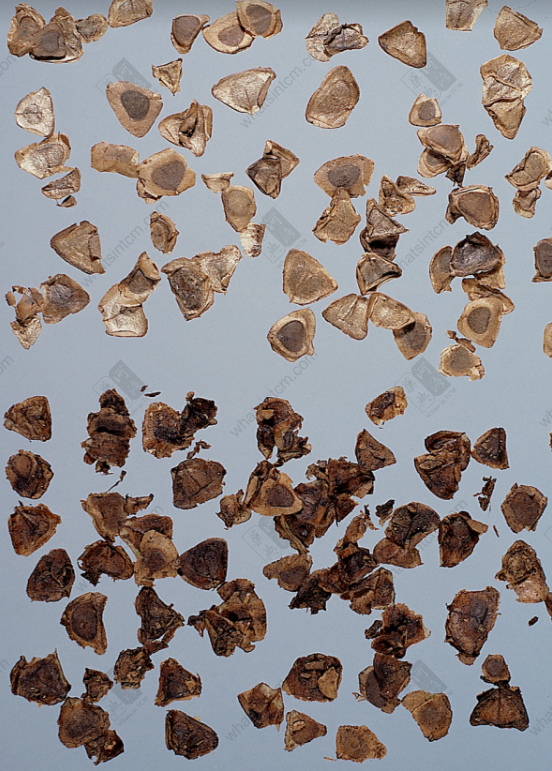 Fructus Aristolochiae (Honey-fried below)
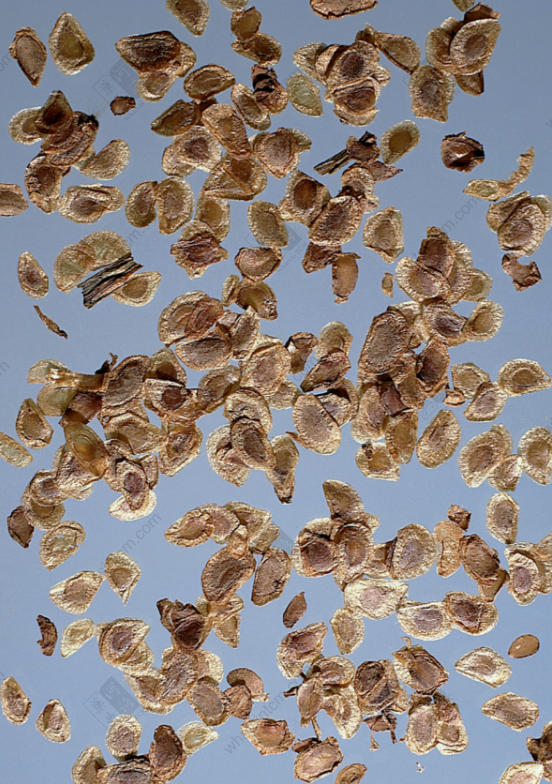 Bulbus Lilii子Fructus Aristolochiae
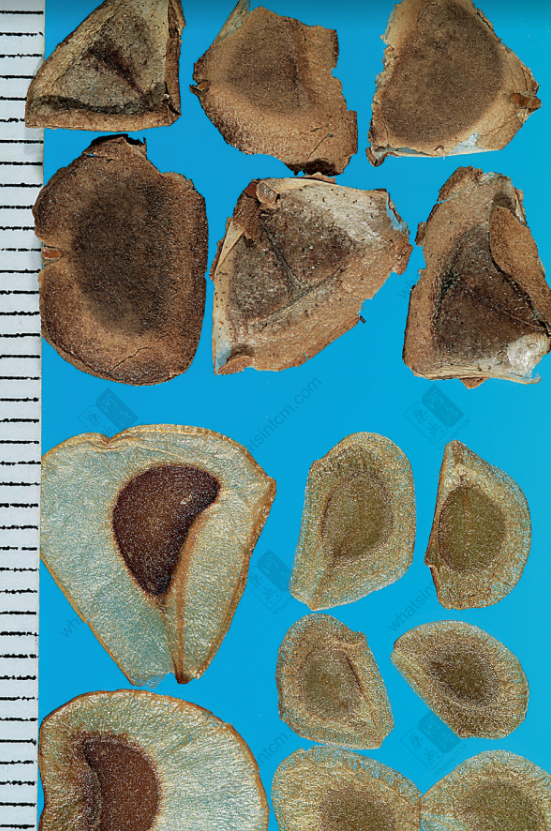 (Top) Zheng Ma Dou Ling (Bottom Left) Mainland (Bottom Right) Taiwan Bulbus Lilii
【Naming】
【Source】
Song Kaibao
【Frequency of Use】
D
【Botanical Origin】
The dried mature fruit of Aristolochia contorta Bge. or Aristolochia debilis S. et Z. of the Aristolochiaceae family.
【Characteristics】
It is a dehiscent capsule, generally ovoid in shape, 3~5㎝ long and 2~3㎝ in diameter. The outer skin is grey-green or grey-yellow, with 6 raised wavy longitudinal ridges, interspersed with 6 longitudinal lines and transverse fine vein patterns. One end is relatively flat with a small hilum, and the other end has a thin stalk. The pericarp is light and brittle, easily splitting into 6 lobes, and the fruit stalk also splits into 6 lines along with the lobes. The fruit splits into six lobes in four seasons, forming 6 lines connected to the fruit lobes, dividing into 6 chambers, with each chamber containing 6 rows of flat stacked seeds. The seeds are flat, triangular or fan-shaped, with light brown edges and a brown center, and a thin membranous wing attached to one side. The seed kernel is milky white and oily. It has a peculiar odor and a bitter taste.
【Processing】
1. Fructus Aristolochiae 2. Honey-fried Fructus Aristolochiae
【Identification】
“Materia Medica Meng Quan” states: “Slightly stir-fry until dry for medicinal use is best.” It is best to use those that are large, firm, full, intact, grey-green in color, free of impurities, and not moldy.
【Category】
Fruits