


Fu Ling (Poria)
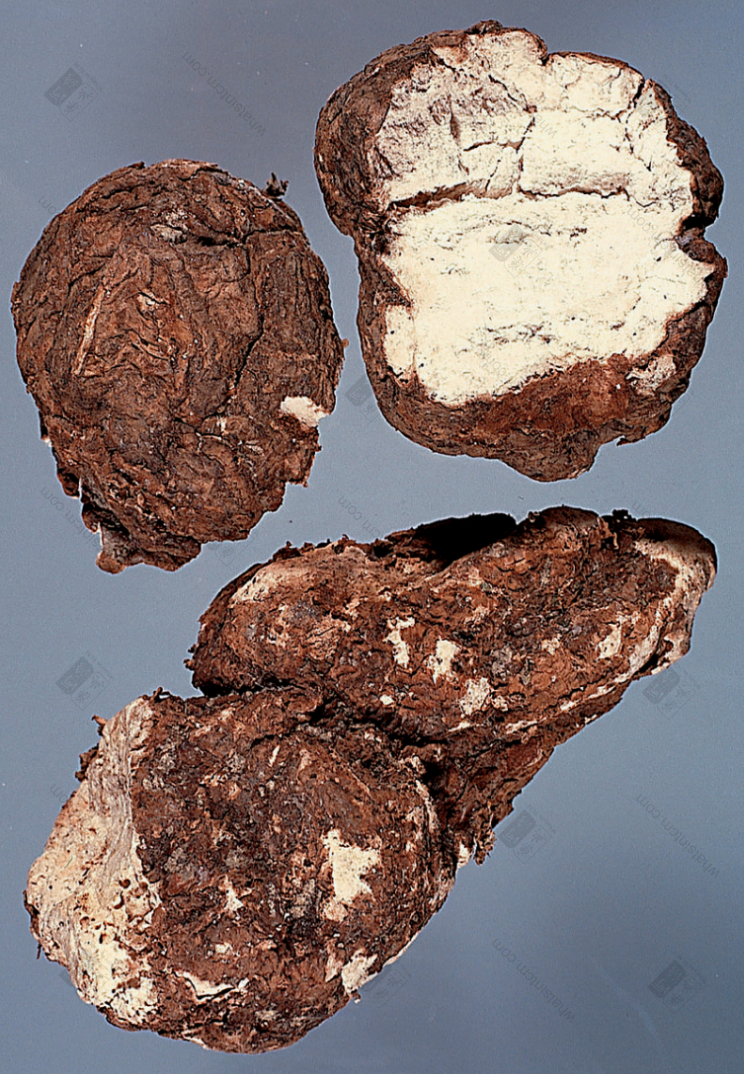 Fu Ling (Poria) (Massive, brownish-red, thin and rough outer skin, with obvious raised wrinkles)
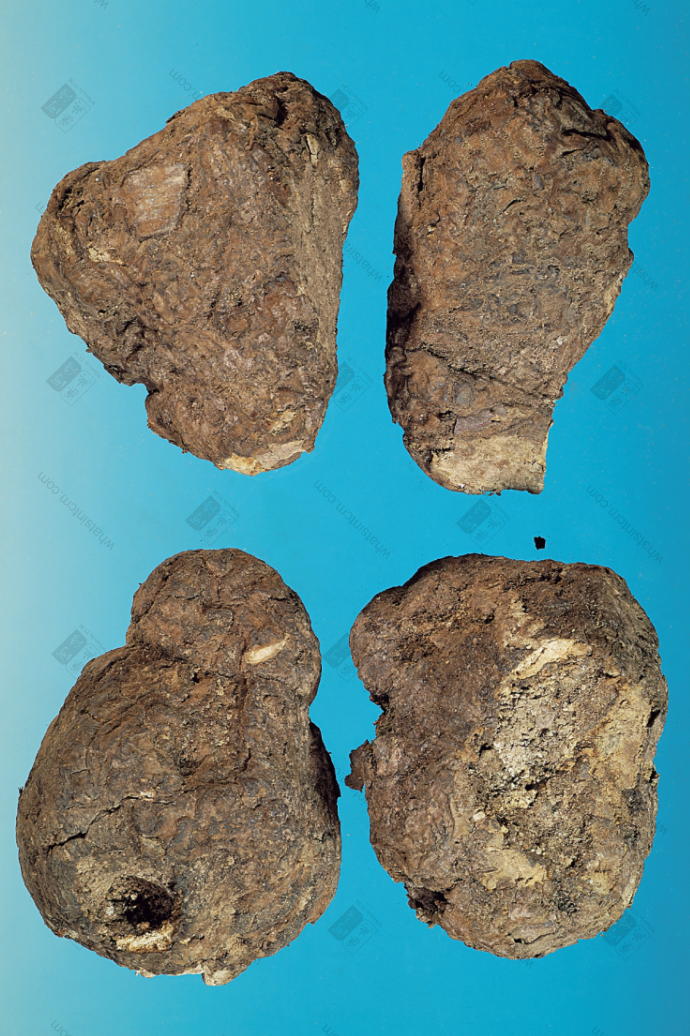 Cultivated Fu Ling (Poria) (Outer layer dark brownish-black, inner layer white, granular, with fissures)
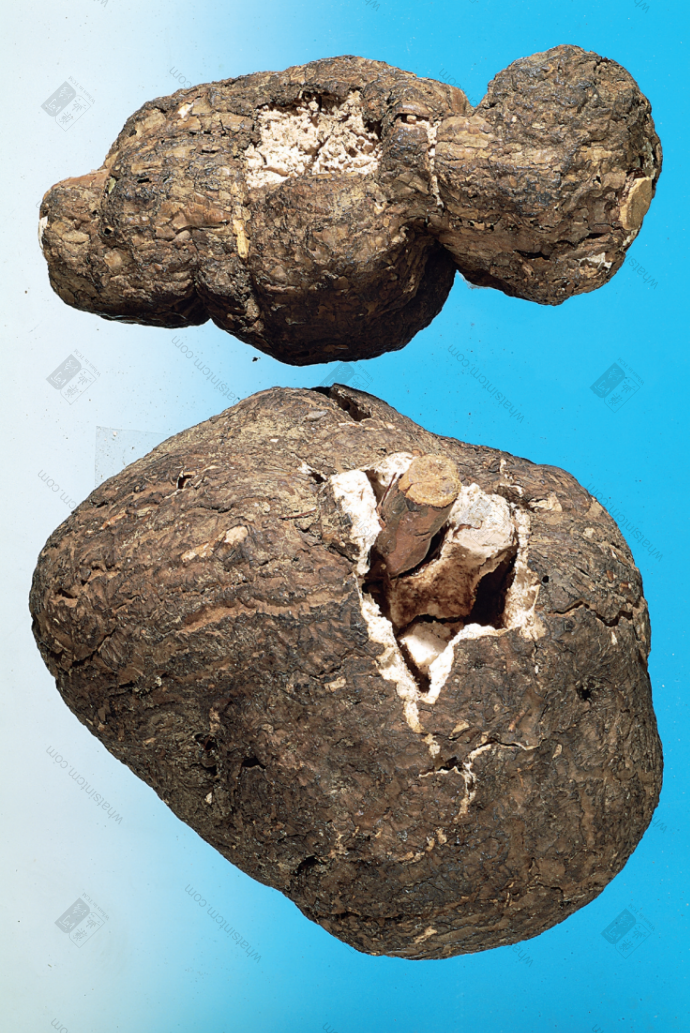 Fu Shen (Poria with pine root) (With pine root penetrating through the middle)
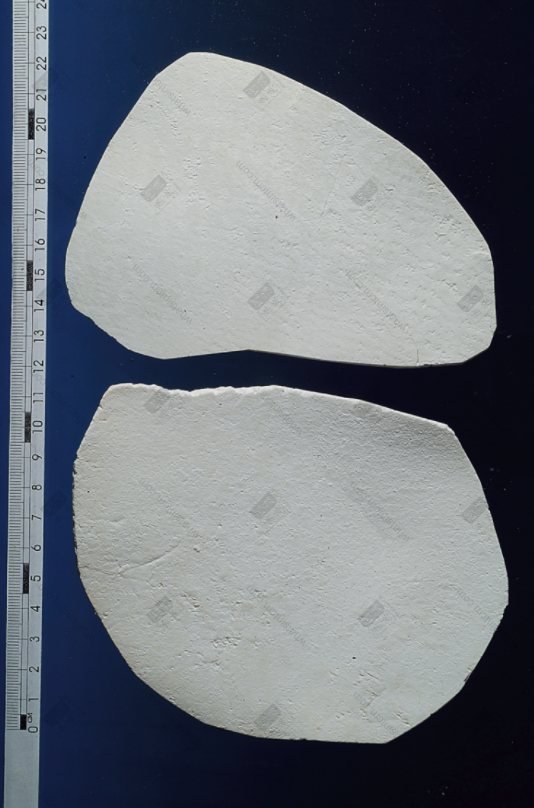 Top Grade Hubei Jing Fu Ling (Poria)
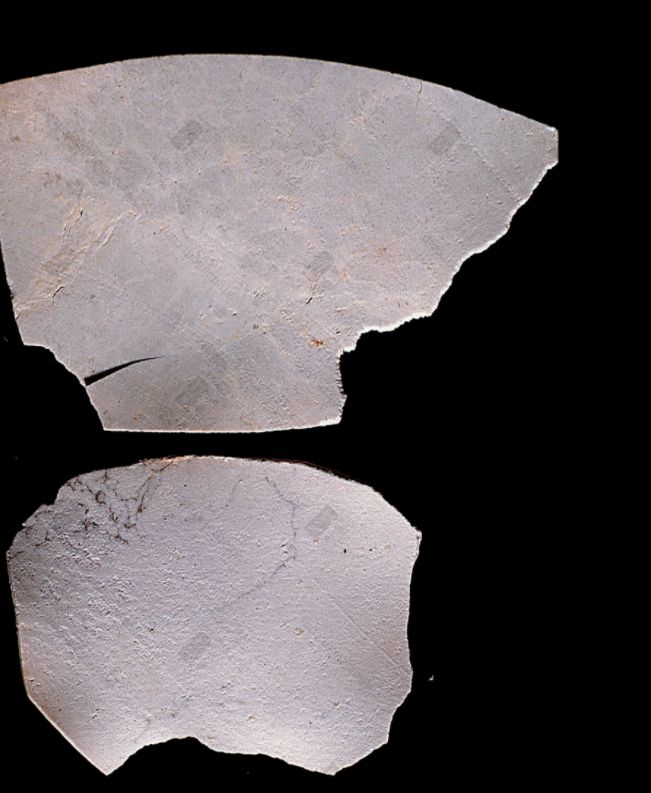 Fu Ling (Poria) (Jing Fu Ling)
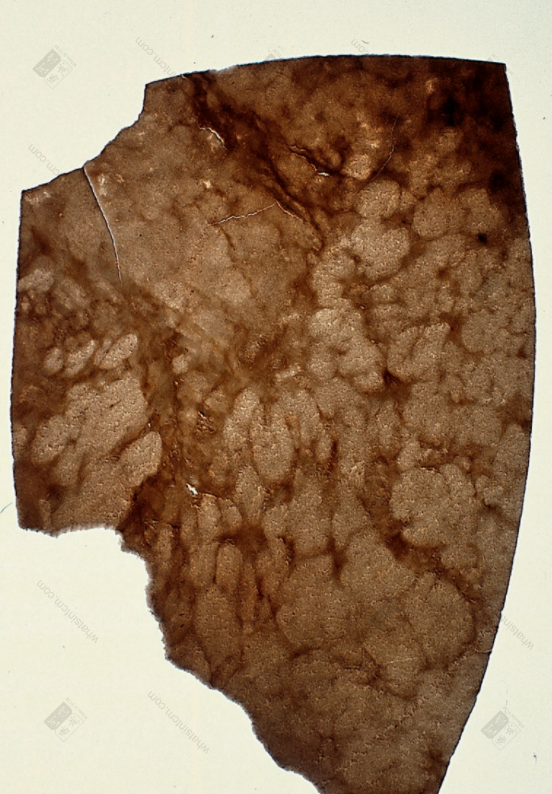 Fu Ling (Poria) (Mycelial growth)
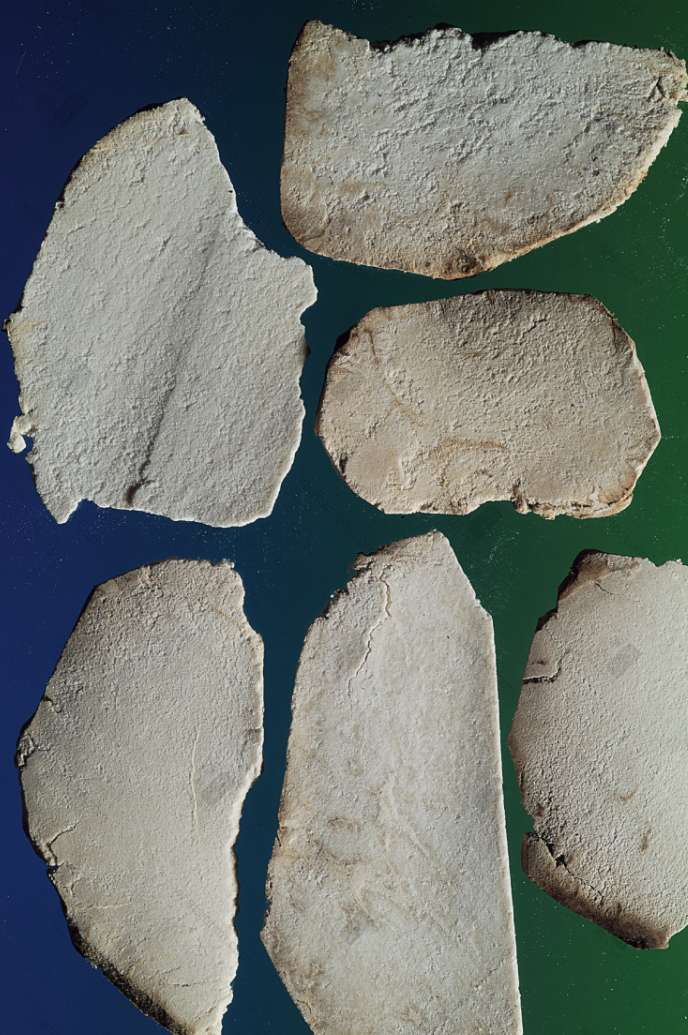 Wild Fu Ling (Poria)
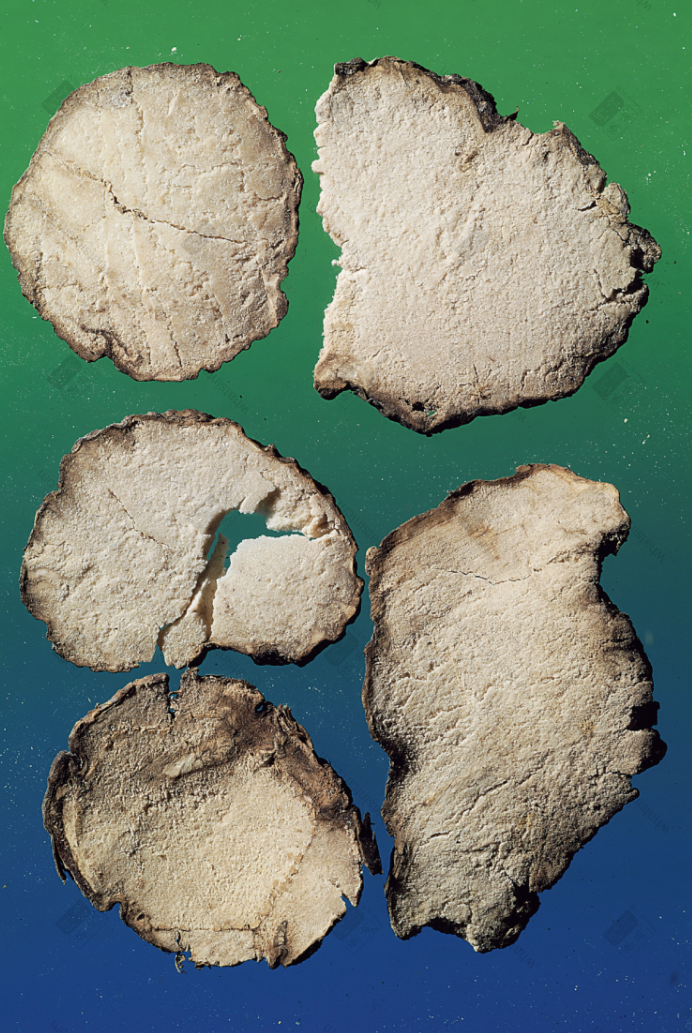 Wild Fu Ling (Poria) with skin
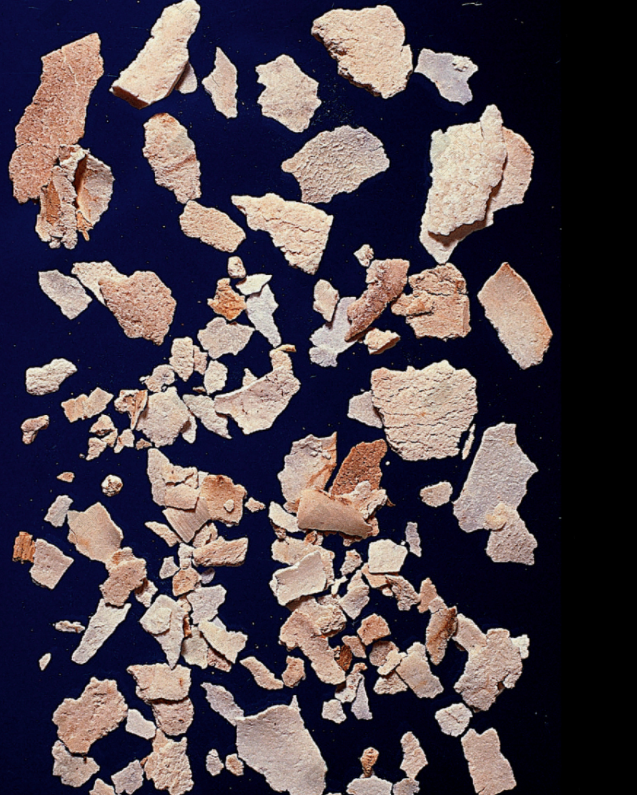
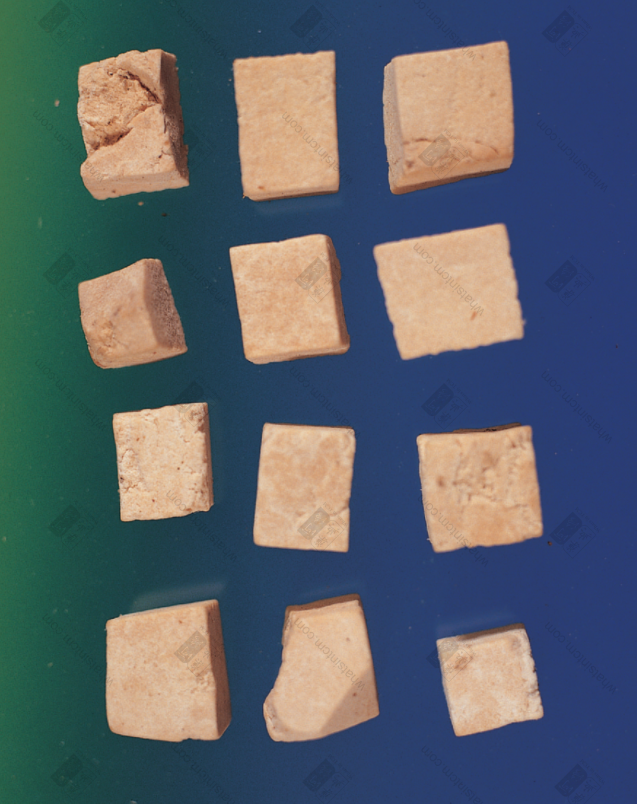 Fu Ling (Poria) Chunk
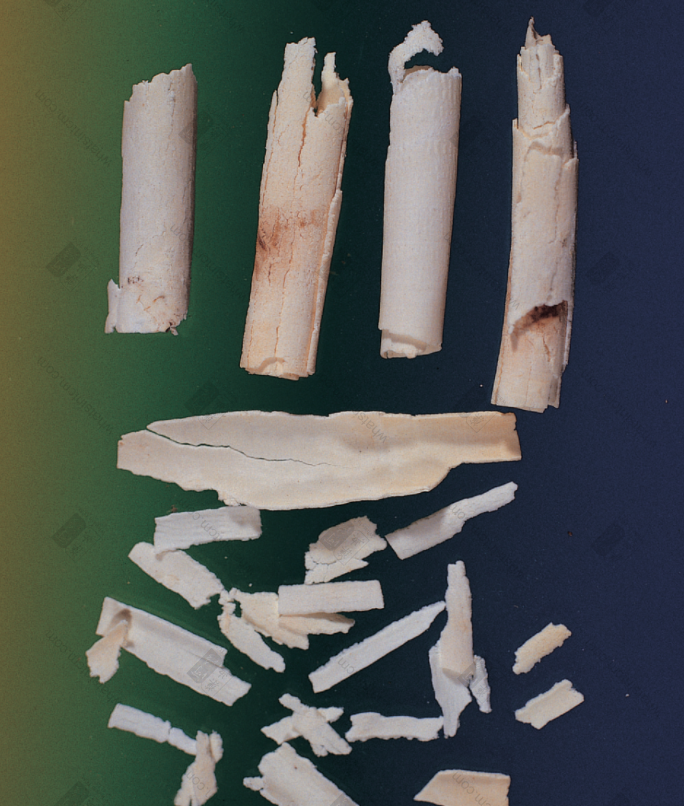 Fu Ling (Poria) Slices
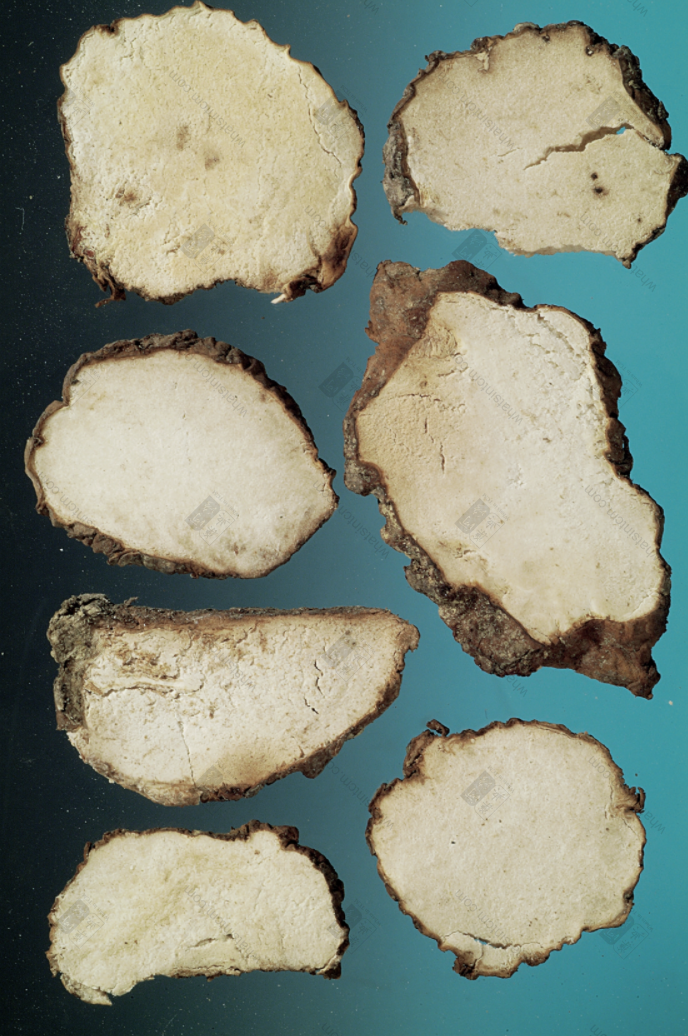 Red Fu Ling (Poria)
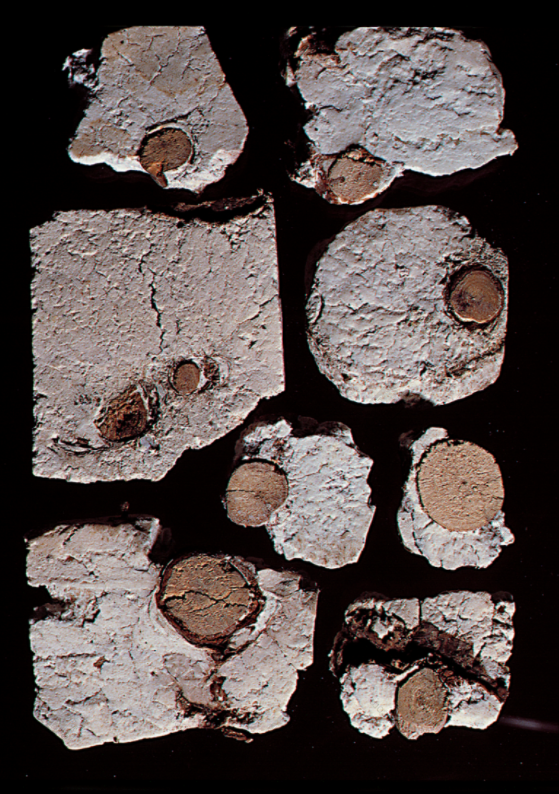 Fu Shen (Poria with pine root) (Pine root penetrating)
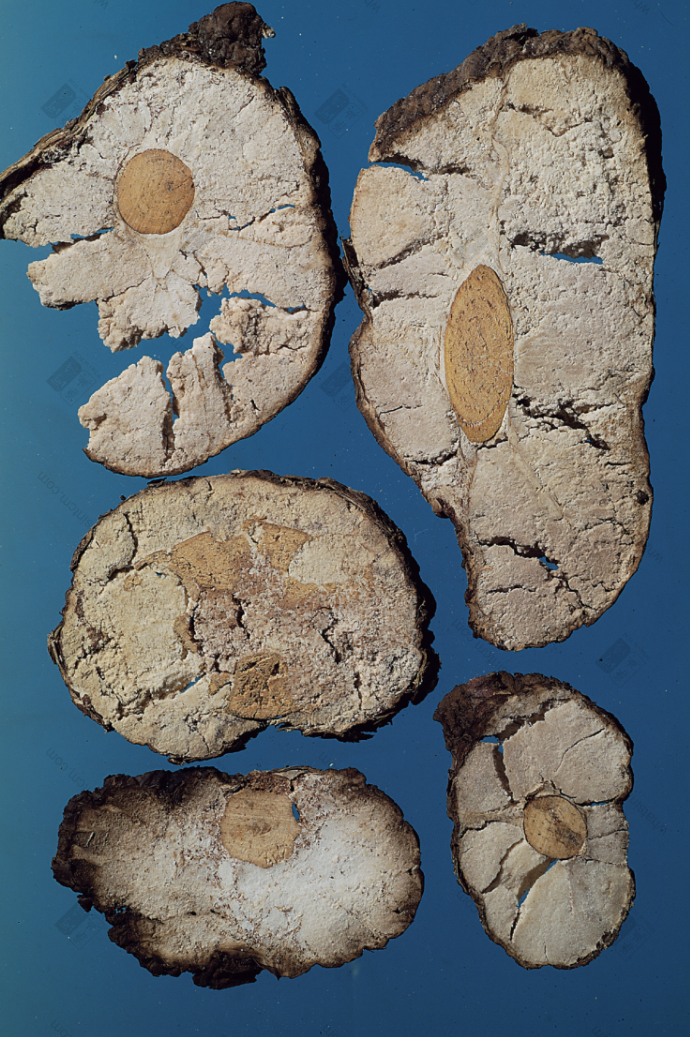 Fu Shen (Poria with pine root)
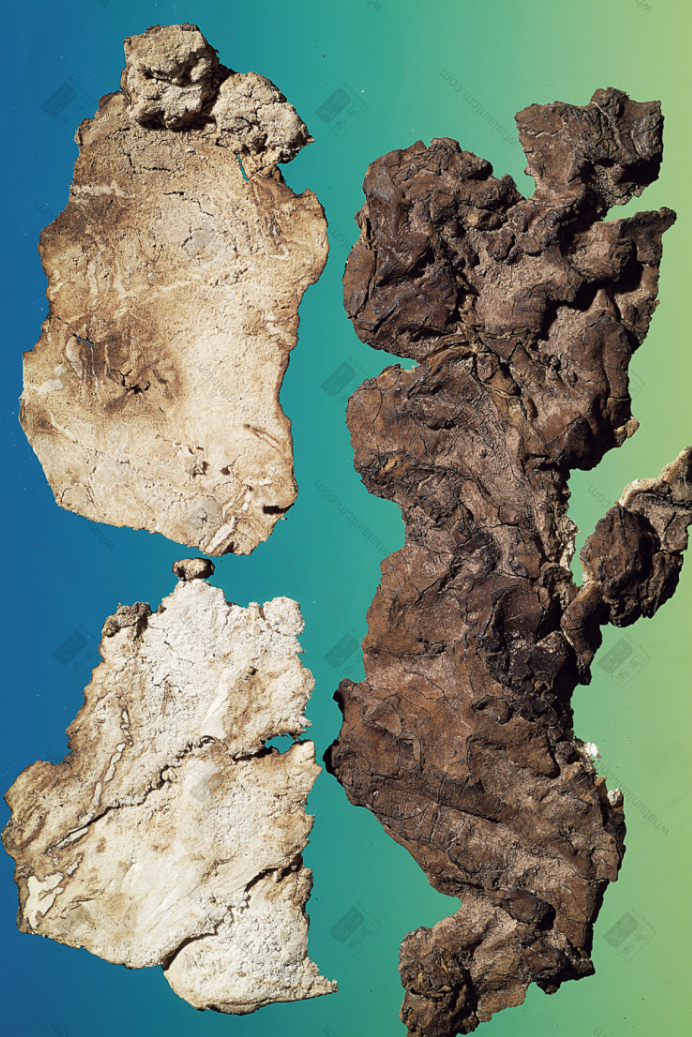 Fu Ling (Poria) Skin (Sandy skin) (Outer skin long strips, outer surface dark brown, inner light brownish-red part)
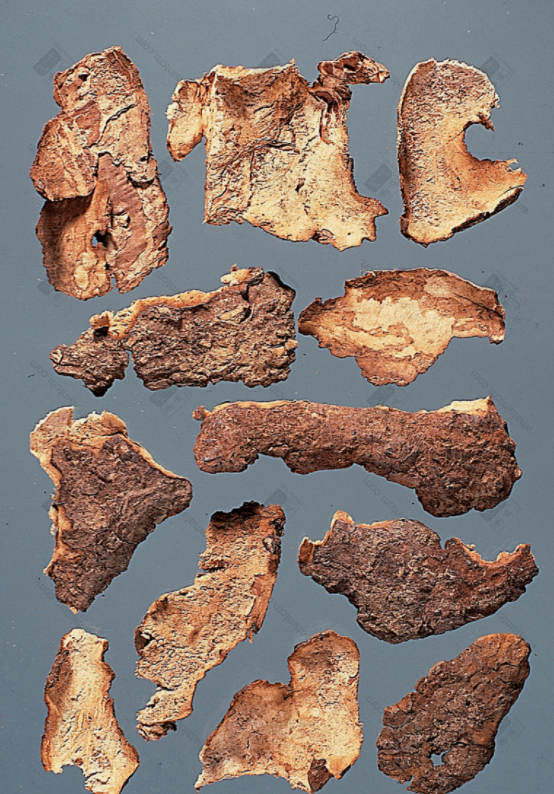 Fu Ling (Poria) Skin
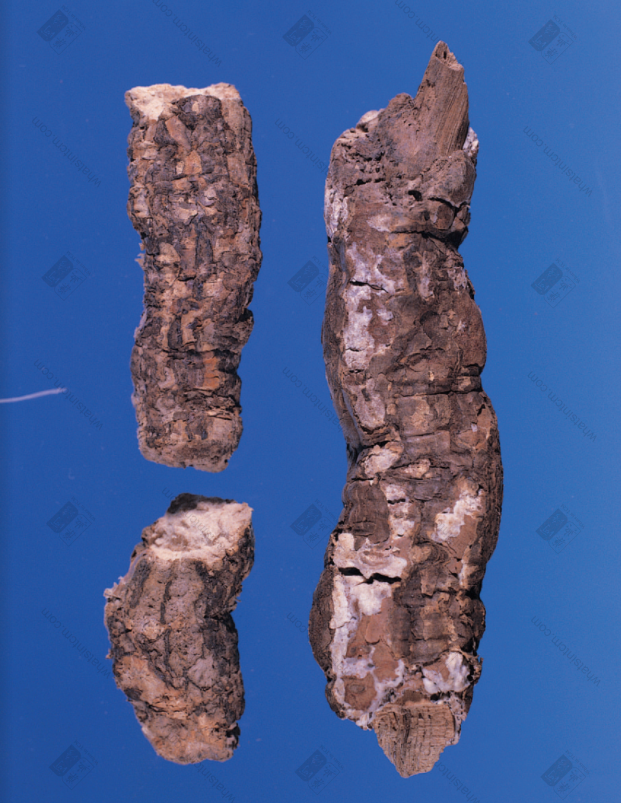 Fu Shen Mu (Poria with pine wood)
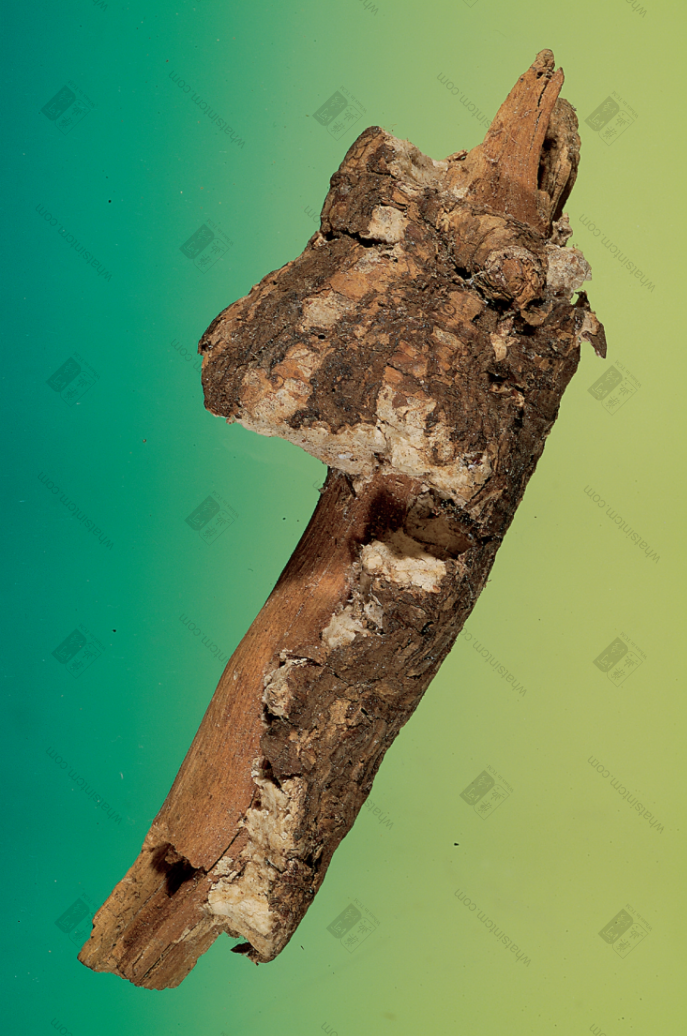 Fu Shen Mu (Poria with pine wood)
【Naming】
【Source】
Shen Nong’s Herbal Classic, Upper Class
【Commonly Used Level】
A
【Botanical Source】
The dried sclerotium of the polypore Poria cocos (Schw.) Wolff. Fu Shen (Poria with pine root) is the white portion in the center of the sclerotium that naturally embraces pine roots.
【Properties】
(1) Fu Ling (Poria) whole: It is spherical, oblate, or irregularly shaped, varying in size, and weighing from a few ounces to over ten pounds. The surface is dark brown or brownish-brown, the outer skin is thin and rough, with obvious raised wrinkles. It is heavy, hard in texture, and not easily broken. The fracture surface is uneven, granular or powdery, the outer layer is light brown or light red, the inner layer is all white, a few are light brown, delicate, and cracks or brown pine roots and white villous masses are embedded in the middle. It has no odor and is sticky when chewed.
(2) Fu Ling (Poria) Skin: It is the outer skin of Fu Ling (Poria). It is mostly long and strip-shaped, of varying sizes, the outer surface is dark brown or brownish-brown, the inner surface is grayish-white or grayish-brown, and the texture is soft and slightly elastic.
(3) Red Fu Ling (Poria): It is the light red part cut off from the periphery or inside after removing the Fu Ling (Poria) skin. It is in the form of pieces or fragments of varying sizes, mostly square.
(4) White Fu Ling (Poria): It is the white part cut off after cutting off the Red Fu Ling (Poria). It is cut into slices, blocks, or diced squares. There are various names for commercial products depending on the shape, such as “Wen Bai” and “Ping Pian”. White color is better, and withered color is secondary.
(5) Fu Shen (Poria with pine root): The morphology of the dried sclerotium is the same as Fu Ling (Poria), but there is a pine root running through the middle. Most of the commercial products have been cut into square thin slices, which are firm in texture and powdery. The cut pine root is brownish-yellow, and the surface has ring-shaped textures (annual rings).
(6) Fu Shen Mu (Poria with pine wood): It is the pith of Fu Ling (Poria). It is mostly curved and not straight pine roots or pine branches, with residual Fu Ling (Poria) on the outside, showing white or gray, the inside is still woody, loose and light in texture, without skin, slightly like decayed wood.
【Processing】
1. Red Fu Ling (Poria), White Fu Ling (Poria). 2. Cinnabar-treated Fu Shen, Cinnabar-treated Fu Ling (Poria)
【Identification】
《Yi Xin Fang》: “Mei Zhu: Fu Ling (Poria), pine resin flows into the ground, and after a thousand years, it turns into Fu Ling, and the one that looks like birds, animals, turtles, and turtles is good.” 《Zheng Lei Ben Cao》: “It grows under dry pine trees, and the shape is uncertain. The best one is the one that looks like human, turtle, or bird shape,” “The ones harvested in February and August are good.” 《Pu Ji Fang》: “White Fu Ling (Poria) is better if it is white.” 《Yi Fang Lei Ju》: “Remove the black skin from Fu Ling (Poria), and the white inside is better.” 《Yao Jian》: “Milk-made is good.” 《Ben Cao Bei Yao》: “The spirit of the pine root is condensed, and the large, solid, and white ones are good.” 《Jing Yan Dan Fang Hui Bian》: “Fu Ling (Poria), firm, and the slices that are bright and jade-colored are genuine.” 《Yan Fang Xin Bian Wan》: “Fu Ling (Poria), choose the white ones, which are produced in the Six Ying Mountains or Yunnan is better.” 《Zeng Yao Bian》: “Fu Ling (Poria) should be sliced whole, and the genuine one has fine tendons when illuminated, and the slices will curl up by themselves when cut, and the pure white one is the best.” 《Liang Lie Jian Bie》: “The skin is black, the inside is white, the texture is dense, hard, and heavy, is a good product.”
The best is the one that is heavy and firm, the outer skin is brown and slightly shiny, the wrinkles are deep, the cut surface is white and delicate, and the stickiness is strong. White Fu Ling (Poria) has been cut into thin slices or squares, with a white, delicate, and powdery feel. The texture is loose and brittle, easily broken, and sometimes the edges are yellowish-brown.
【Identification Terms】
1. Sandy skin: refers to the Fu Ling (Poria) skin and flesh, which mainly contains more sandy substances.
【Category】
Fungi and Algae
Related Products
