



Guan Zhong
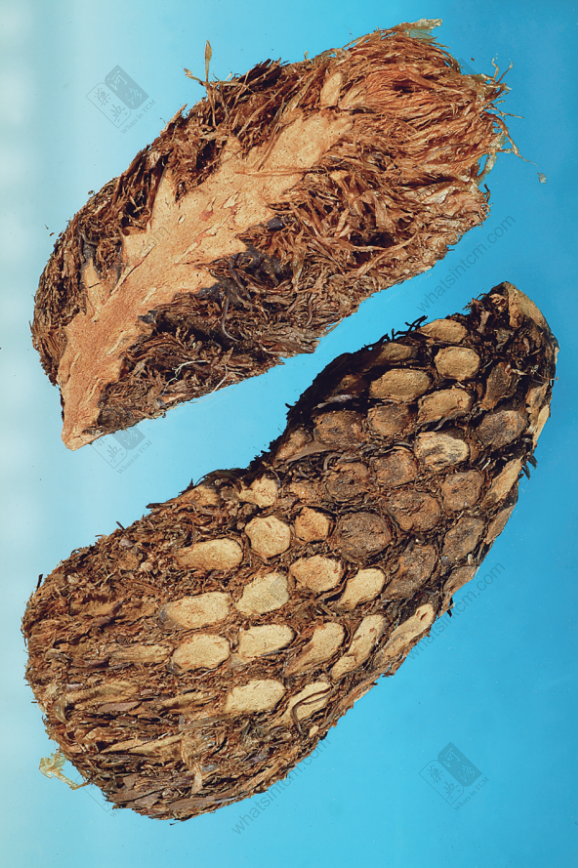 Guan Zhong (Thick Rhizome Dryopteris) (Brownish-yellow scaly Dryopteris)
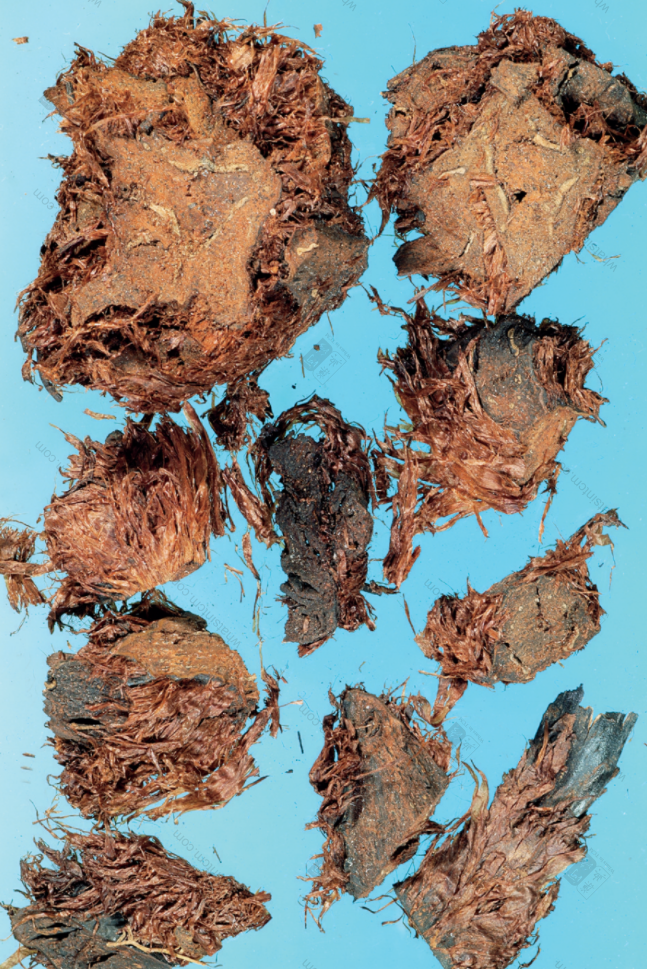 Guan Zhong Pieces
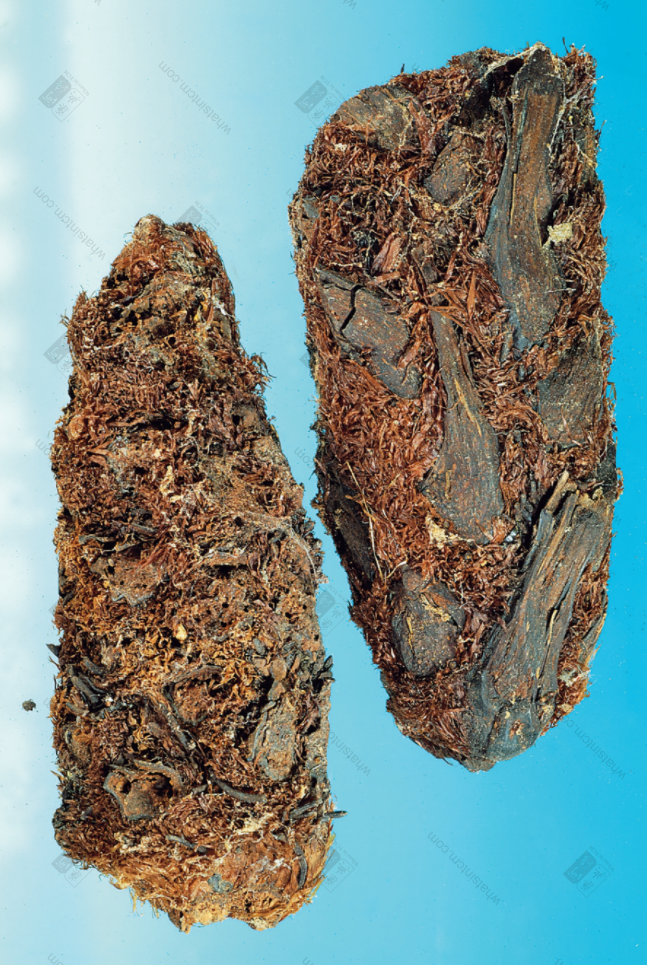 Guan Zhong (Gou Ji Fern) (Slender lateral roots or root scars)
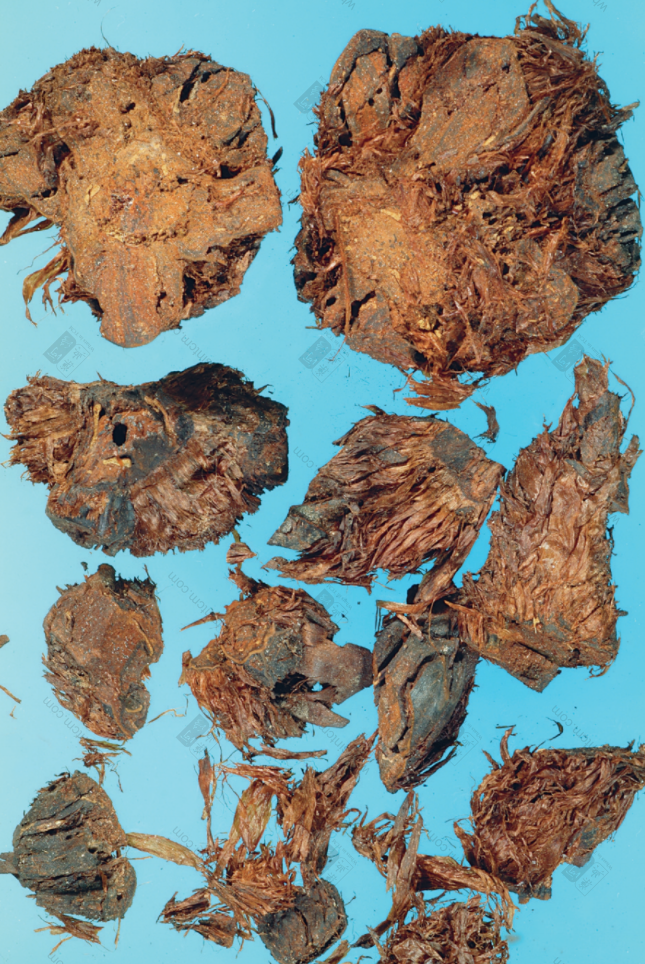 Guan Zhong Pieces
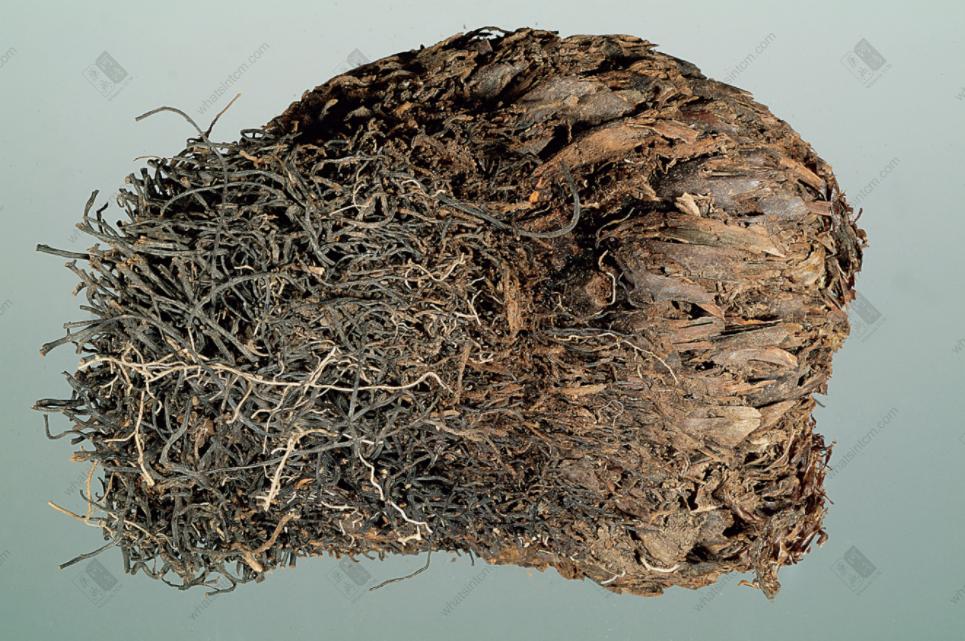 Guan Zhong (Ostrich Fern)
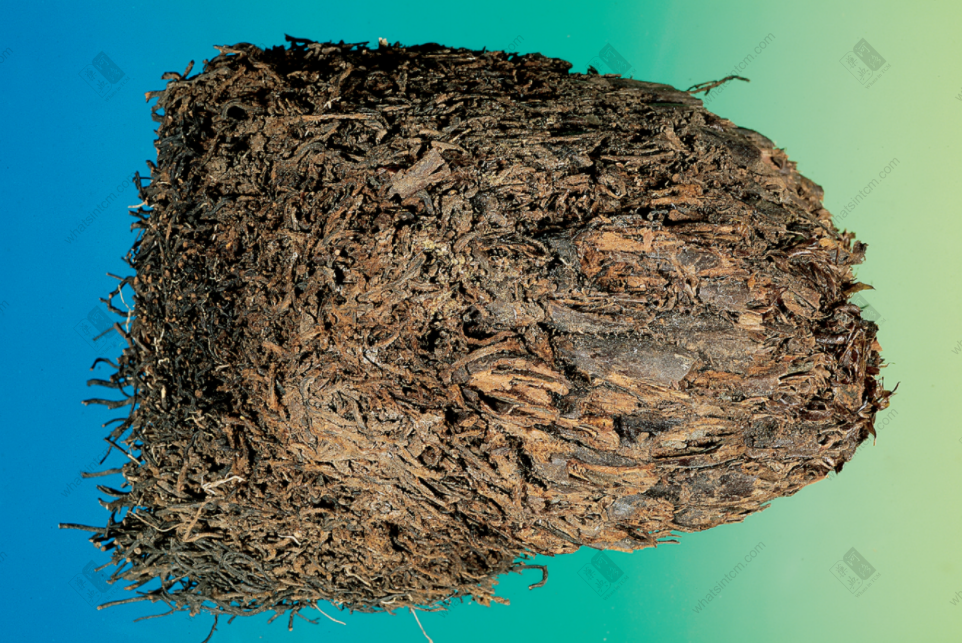 Guan Zhong (Ostrich Fern)
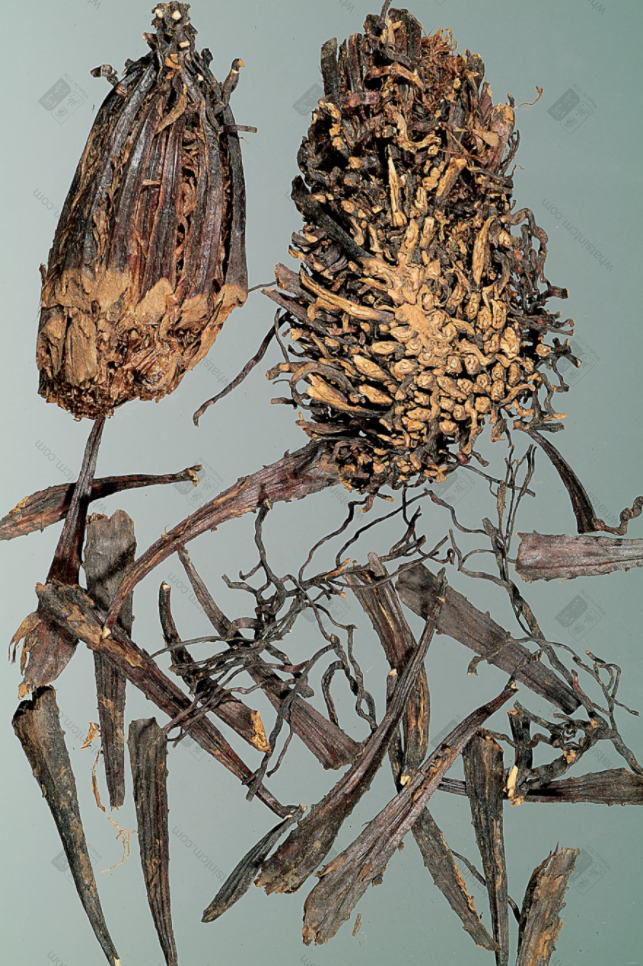 Guan Zhong Pieces (Ostrich Fern)
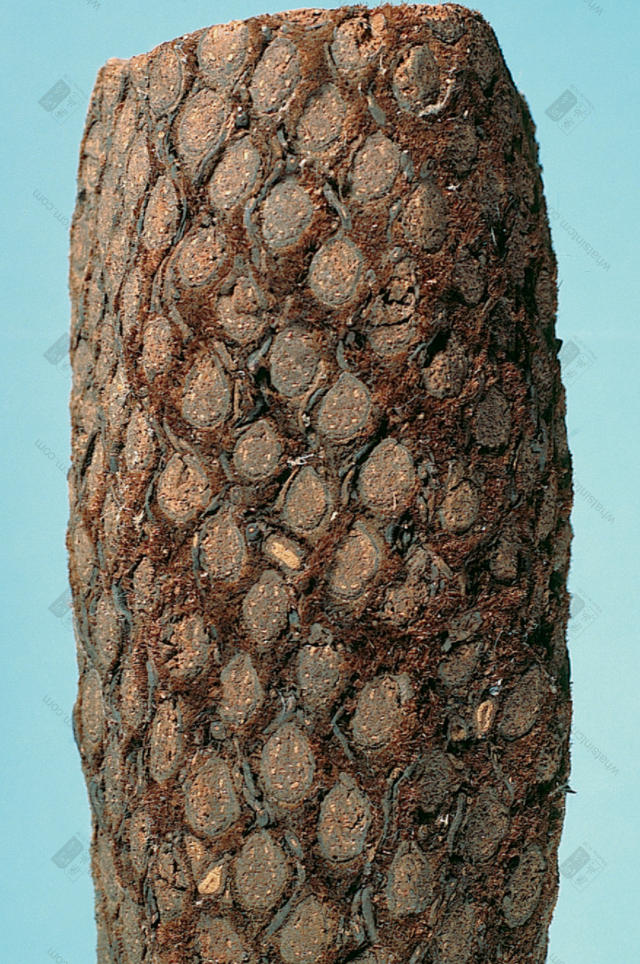 Guan Zhong (Cycas Fern)
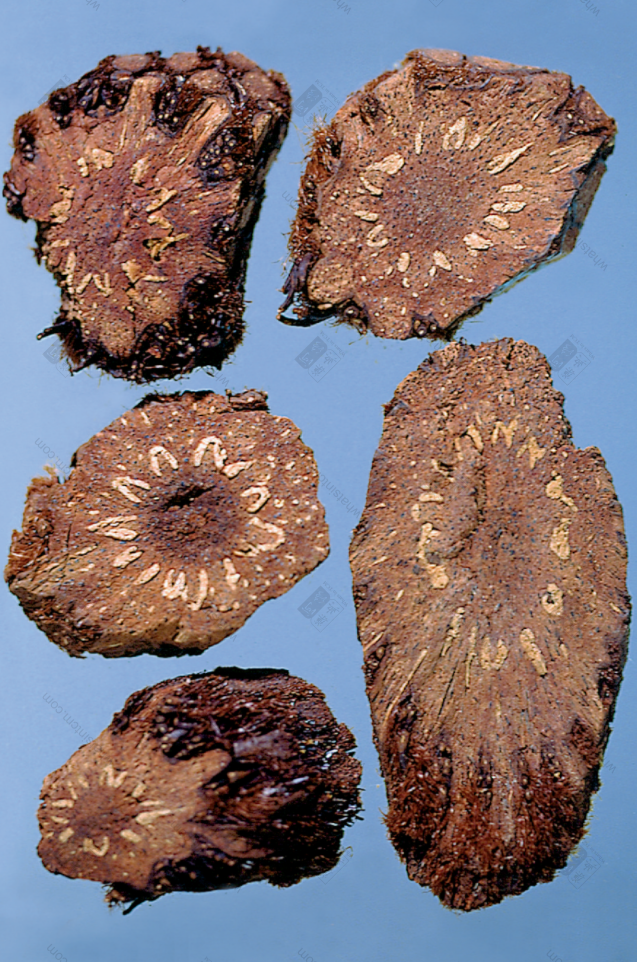 Guan Zhong Pieces (Cycas Fern)
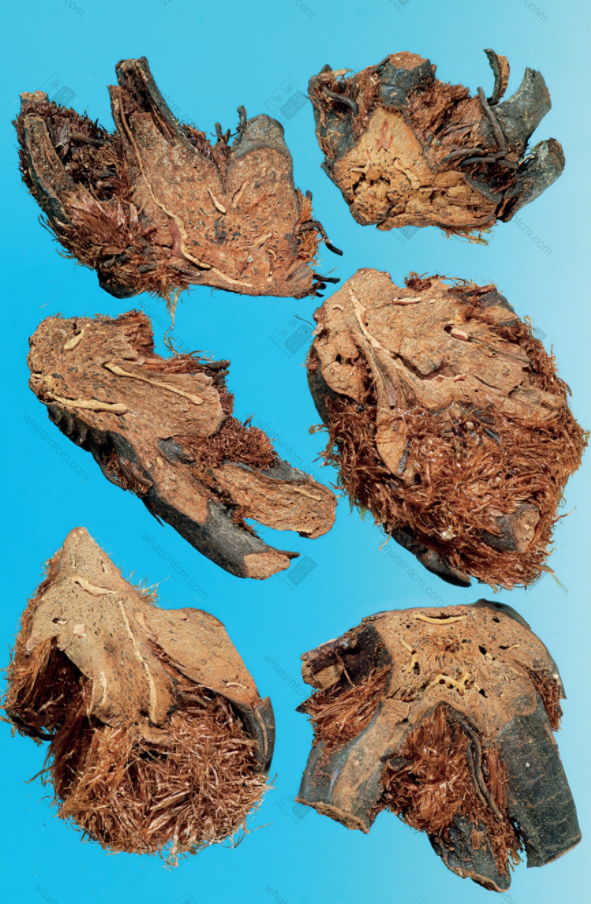 Guan Zhong Pieces
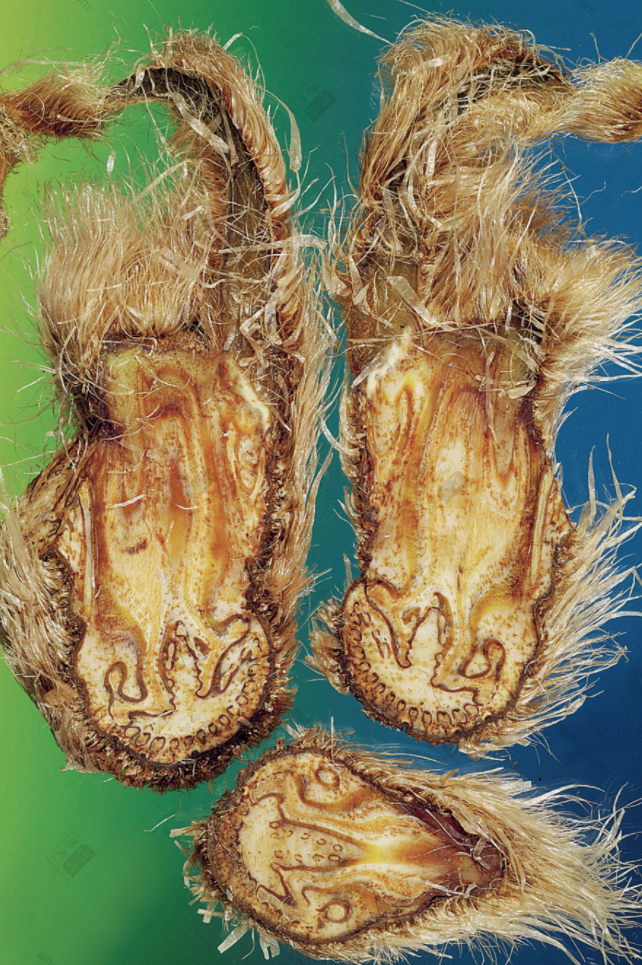 Guan Zhong (Fresh Equisetum stem)
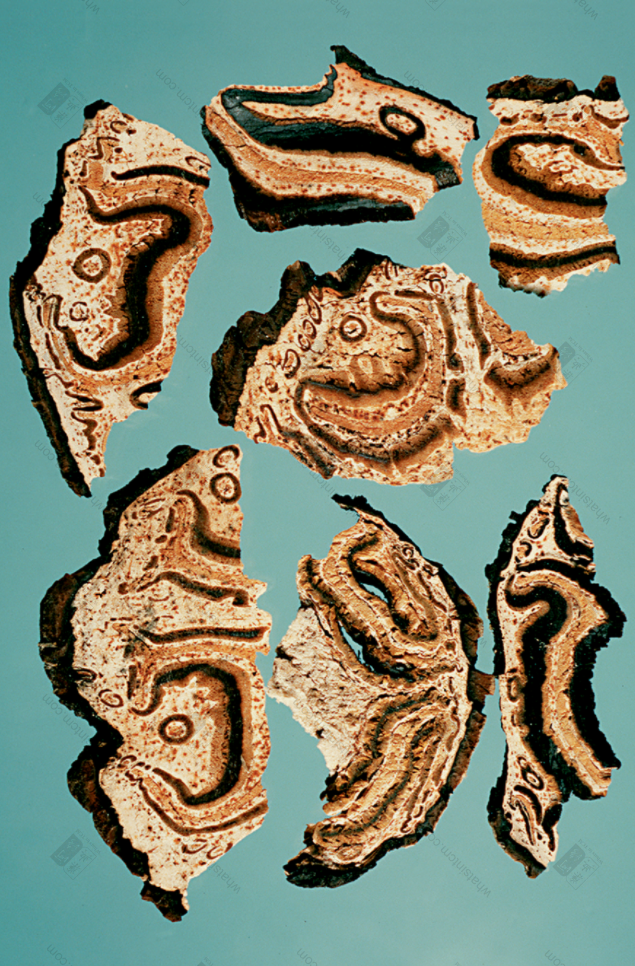 Guan Zhong Pieces (Misuse of Equisetum)
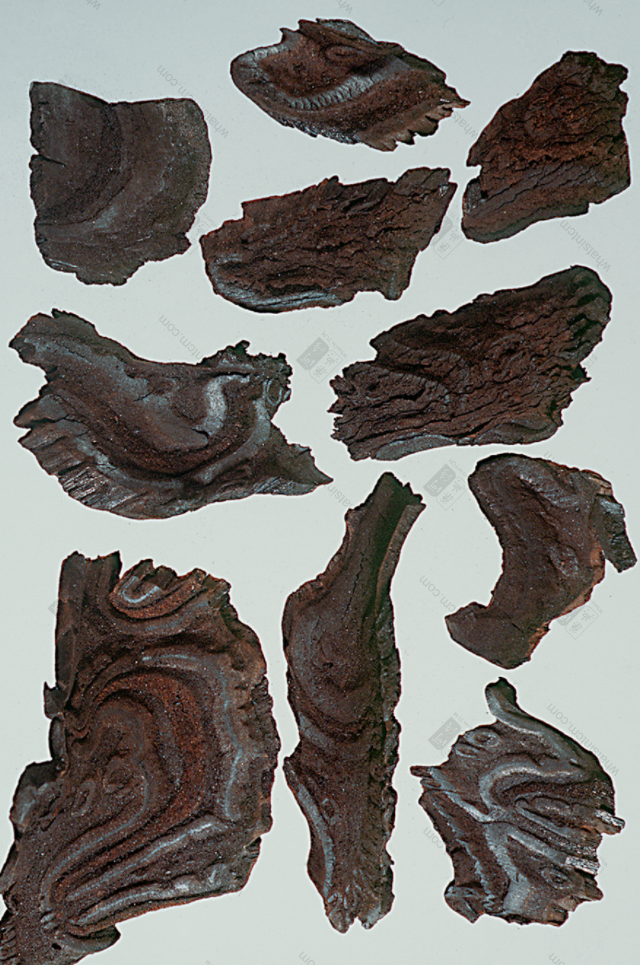 Guan Zhong Charred
【Naming】
【Source】
Shen Nong’s Herbal Classic, Lower Grade
【Common Usage Level】
D
【Botanical Origin】
Rhizomes and leaf stalk bases of Cyrtomium fortunei J. Smith (Fortune’s Holly Fern) of Dryopteridaceae family, Dryopteris crassirhizoma Nakai (Thick Rhizome Dryopteris) of Aspidiaceae family, Matteuccia struthiopteris (L.) Todaro (Ostrich Fern) of Onocleaceae family, Brainea insignis (Hook.) J. Sm. (Cycas Fern) of Blechnaceae family, Osmunda japonica Thunb. (Japanese Royal Fern) of Osmundaceae family, Woodwardia unigemmada (Makino) Nakai (Single Bud Gou Ji) of Blechnaceae family, etc.
【Appearance】
This product is usually a rhizome with leaf stalk bases and fine roots, shaped like small pear-shaped pieces. It is about 3-7cm long and has reddish-brown, slightly smooth scales on the outside. The leaf stalk base is relatively thin, with a diameter of about 2-3mm. Its cross-section appears dark brown, crescent-shaped or flat-round, with 3-4 vascular bundle dot marks in a U or V shape. Many brownish-black fine roots grow around the rhizome. It has a faint odor and a astringent taste.
Cottony Guan Zhong: Is the rhizome of Dryopteris crassirhizoma with leaf stalks. Appearance: The whole is long obovate, slightly curved, with a blunt round or truncated upper end and a sharper lower end; some are longitudinally cut in half, 10-20cm long and 5-8cm in diameter. The surface is yellowish-brown to blackish-brown, densely covered with tightly arranged leaf stalk bases and scales, and has curved fibrous roots. The leaf stalk base is flat cylindrical, the fracture surface is brown, with 5-13 separate stele arranged in a ring. It has a unique odor and a taste that is initially bland and slightly astringent, then gradually bitter and pungent.
Osmunda japonica Guan Zhong: The whole is spindle-shaped, spheroidal, or irregularly oblong to triangular conical, slightly curved, sometimes branched, with a pointed tip, 10-30cm long and 4-8cm in diameter. The surface is brownish-brown, densely covered with oblique leaf stalk bases and black fibrous roots. The leaf stalk is flat cylindrical, hollow, with ear-shaped wings on both sides, which are easy to fall off. The cross-section is crescent-shaped or flat-round, with a U-shaped separate stele visible. It has a faint and unique odor, and a bland, slightly astringent taste.
Single Bud Gou Ji Guan Zhong: It is long cylindrical or cut into a columnar shape, straight or slightly curved, with a thicker and blunter upper end and a sharper lower end, 6-30cm long and 3-7cm in diameter. The surface is reddish-brown to blackish-brown. The rhizome is stout and densely covered with short, thick leaf stalk bases; the scales are brownish-red with entire margins; the fine roots are brownish-black. The leaf stalk base is hard, the cross-section is semi-circular, with 5-8 separate stele, the inner pair being larger, kidney-shaped, and arranged in a figure-eight pattern. It has no odor, a bland taste, and is slightly astringent.
Matteuccia struthiopteris Guan Zhong: The whole is elliptical, obovate, or oblong-ovate, with a blunt round upper end and a sharper lower part, slightly curved, 10-16cm long and 4-8cm in diameter. The surface is brownish-brown, densely covered with leaf stalk bases, fibrous roots, and a few scales. The upper part of the leaf stalk base is flat, the lower part is narrower, the back is raised, with a longitudinal ridge in the center, and there is a V-shaped or M-shaped wrinkle near the upper part. The ventral surface is slightly concave. The fracture surface shows 2 separate stele arranged in a figure-eight pattern. It has a faint and unique odor, and a slightly astringent taste.
Prepared slices: 1. Raw Guan Zhong: The surface is dark brown or brownish-brown, and the cut surface is brown. The texture is loose. It has no odor and a slightly bitter and astringent taste. 2. Guan Zhong Char: It is blackish-brown.
【Processing】
1. Raw Guan Zhong 2. Guan Zhong Char
【Identification】
“*Yi Fang Lei Ju*” (“Classified Prescriptions”): “Guan Zhong is only effective if collected on Zi, Wu, Mao, and You days, and green ones are the best”.
The best ones are those that are dry, uniform in size, neat, large, purple in color, without fibrous roots, without leaves, and without impurities.
【Identification Terminology】
1. Vascular Bundle Patterns: Refers to the vascular bundle marks on the cross-section of the medicinal material. For example, the leaf stalk vascular bundle pattern of Osmunda japonica Guan Zhong is horseshoe-shaped, while the leaf stalk vascular bundle pattern of Stephania cepharantha Guan Zhong is figure-eight-shaped, which can be used for identification.
2. Line Patterns: Refers to the linear traces of vascular bundles on the cross-section or cut surface of the medicinal material. For example, the leaf stalk cross-section of Guan Zhong has two crescent-shaped separated yellow line patterns.
【Chapter】
Rhizomes