



Kudzu Root
<img class="wp-image-13016 size-full" src="https://whatsintcm.com/wp-content/uploads/2020/07/p149-59-1葛根.png” alt=”” width=”586″ height=”886″ /> Kudzu Root (Spindle-shaped lobed block cylinder, yellowish-white, heavy and hard)
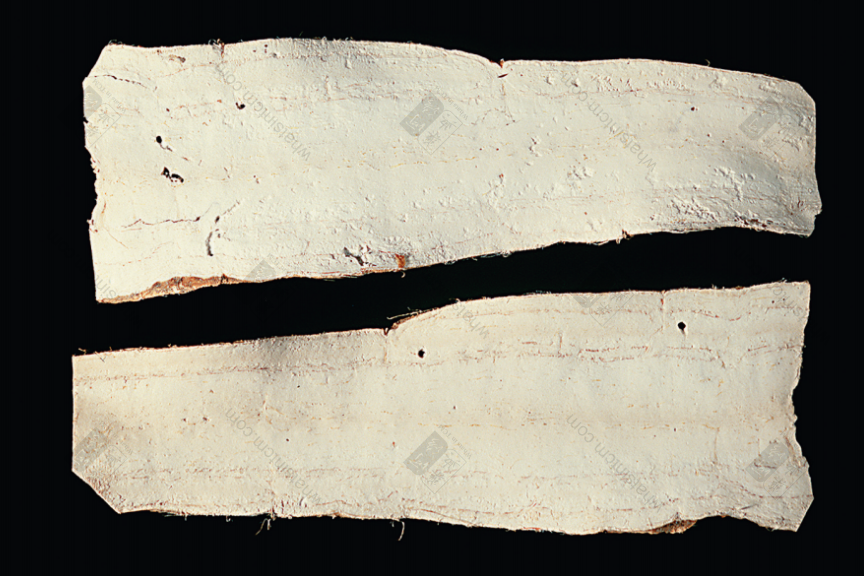 Powdered Kudzu Root Slices
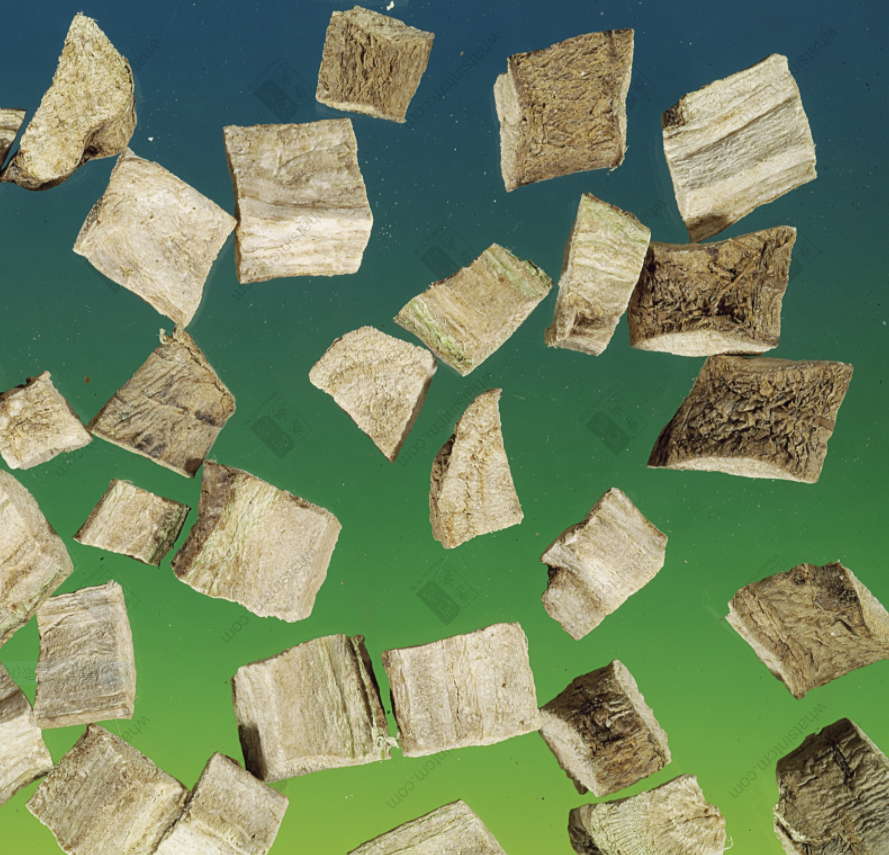 Top-end Cubed Kudzu Root Slices, Unfumigated with Sulfur
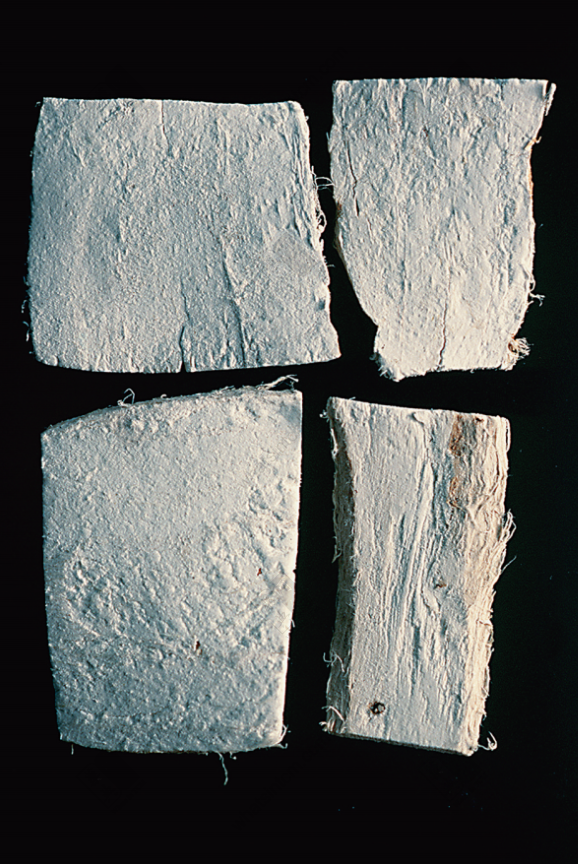 Kudzu Root Slices (White, with visible veins, fibrous, and powdery)
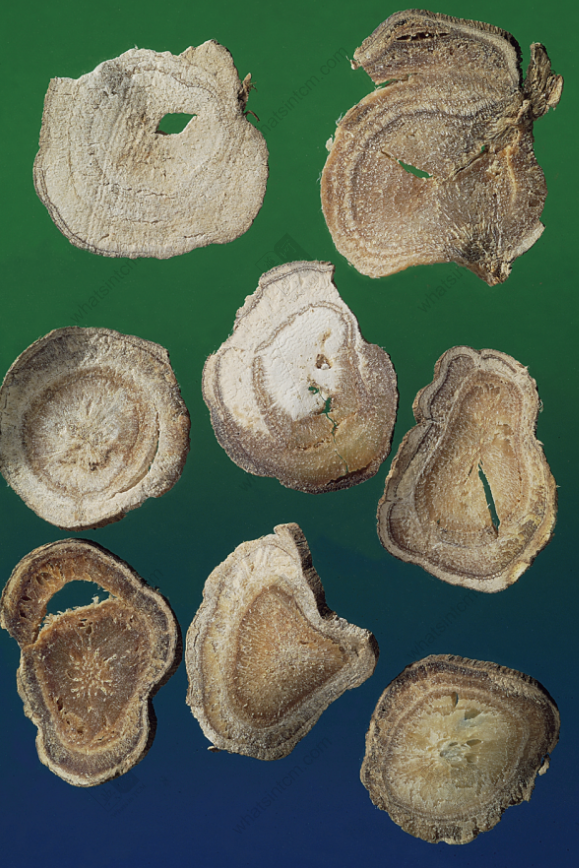 Kudzu Root Slices (Not fumigated with sulfur)
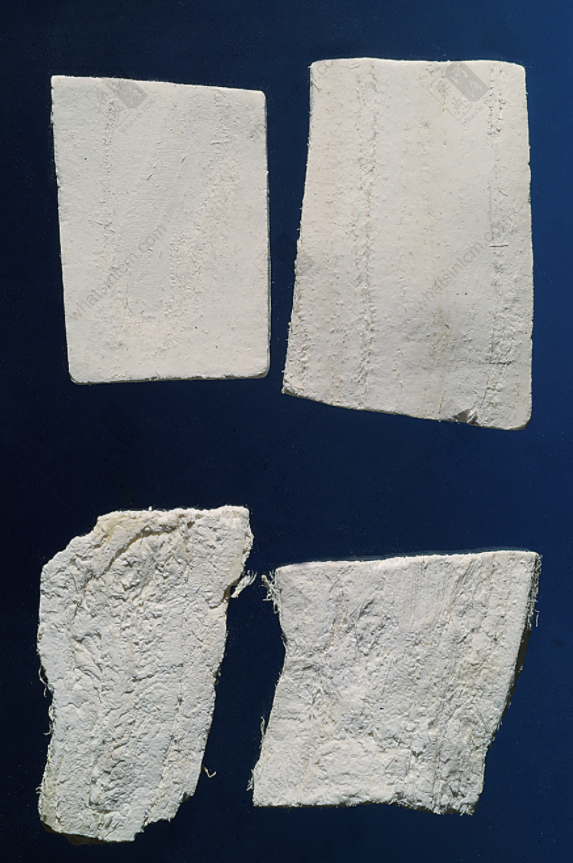 Sichuan Kudzu Root (Top), Guangdong Kudzu Root Slices (Bottom)
【Naming】
【Source】
Classified as a medium grade in the Classic of Herbal Medicine.
【Common Usage Level】
A
【Botanical Origin】
The root of Pueraria lobata (Willd.) Ohwi or Pueraria thomsonii Benth, both belonging to the Fabaceae family.
【Characteristics】
It is obtained by drying longitudinally sliced roots. Thinner roots are cylindrical and not cut into halves. The length and width vary, with a length of about 20cm, width of about 5cm, and thickness of about 3cm. The surface is yellowish-white, yellowish-brown, or light brown, shrunken and uneven, with the corky layer peeled off, and traces of lateral roots can be seen. The texture is firm and heavy. The cut surface is white and powdery, rough, with obvious fibrous veins in the longitudinal section, and strong fibrousness. The texture is not obvious. The transverse section shows concentric rings. It is heavy and hard, or light and tough, and the aroma and taste are not significant.
Processed slices are straight, white, with a rough cut surface, rich in powder, and contain a large amount of fiber. In the transverse section, concentric rings formed by fibers can be seen. In the longitudinal section, fibers alternate with powdery substance, forming longitudinal lines. Odorless, sweet taste.
【Processing】
1. Raw Kudzu Root 2. Baked Kudzu Root
【Identification】
Illustrated Materia Medica: “The one that grows deep into the soil is considered best.” Compendium of Materia Medica Essentials: “The one with arm-thick, purplish-black color, growing deep into the soil, is considered best.” Compendium of Materia Medica: “Dry it in the sun, and the one that grows deep into the soil is considered best.” Simple Book of Benevolent Techniques: “The Kudzu Root from the south with powder is good.” Pharmacopoeia: “The so-called raw dried one sold in pharmacies is considered good.”
The best ones are large, firm, white, with few veins, sufficient powder, little fiber, and free from mold and insect damage. Those that are loose, yellow, lack powder, and have more fiber are of secondary quality.
【Identification Terminology】
1. Residue: A quality term used in experiential identification, where the presence or absence of residue represents the amount of fiber contained in the medicinal material. Chewing a small amount of medicinal material, if it contains a lot of fiber, it is called having “residue.” For example, Kudzu Root is sometimes referred to as “residue-free” in some places, meaning it dissolves easily.
2. Veins: Refers to the fibers or vascular bundles within the tissue of the medicinal material. After breaking the medicinal material, the fibers or vascular bundles appear as uneven strands, like human veins. For example, Kudzu Root has numerous fibers, and generally, many veins are considered secondary quality. Veins are often called “vein spots” on the neat cut surface of the medicinal material.
【Category】
Root Category