



Lingzhi
 Lingzhi (Pileus corky, semicircular to kidney-shaped, upper surface cuticle hard, reddish-brown, shiny, wrinkled, lower surface white to light brown, stipe up to 20cm)
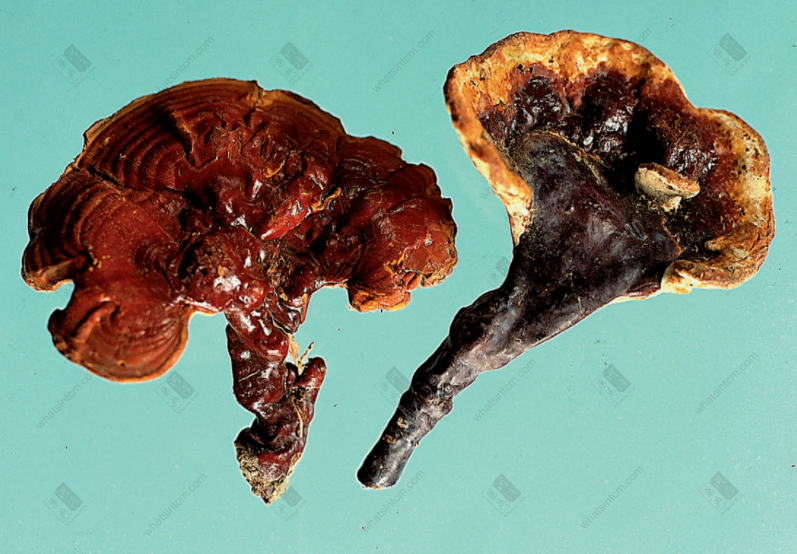 Lingzhi (Fruiting body)

 Lingzhi top view
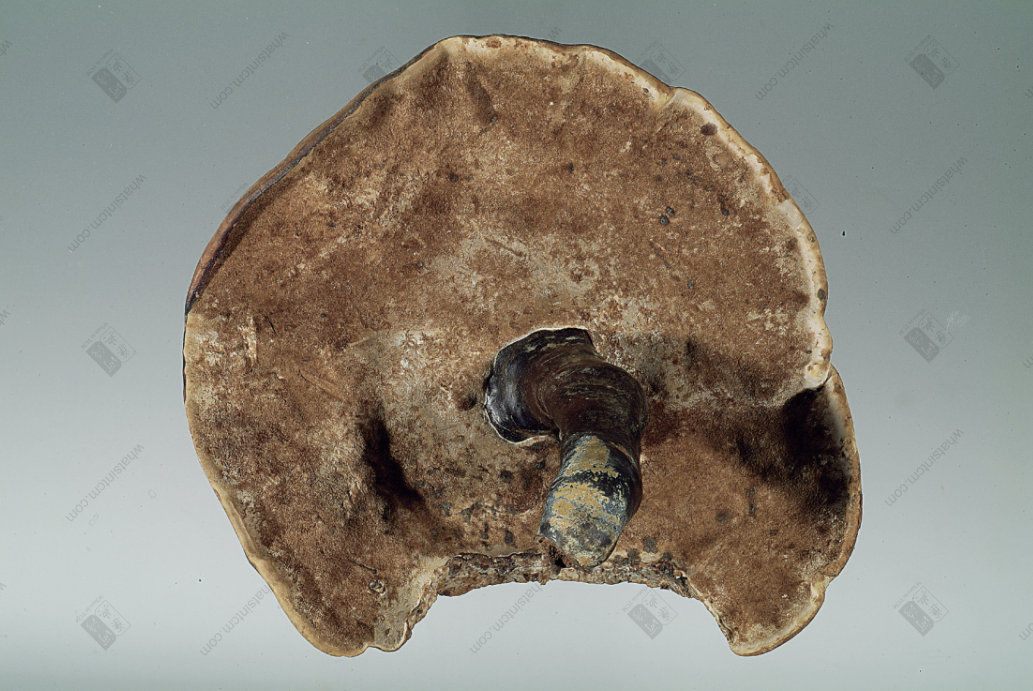 Lingzhi bottom view
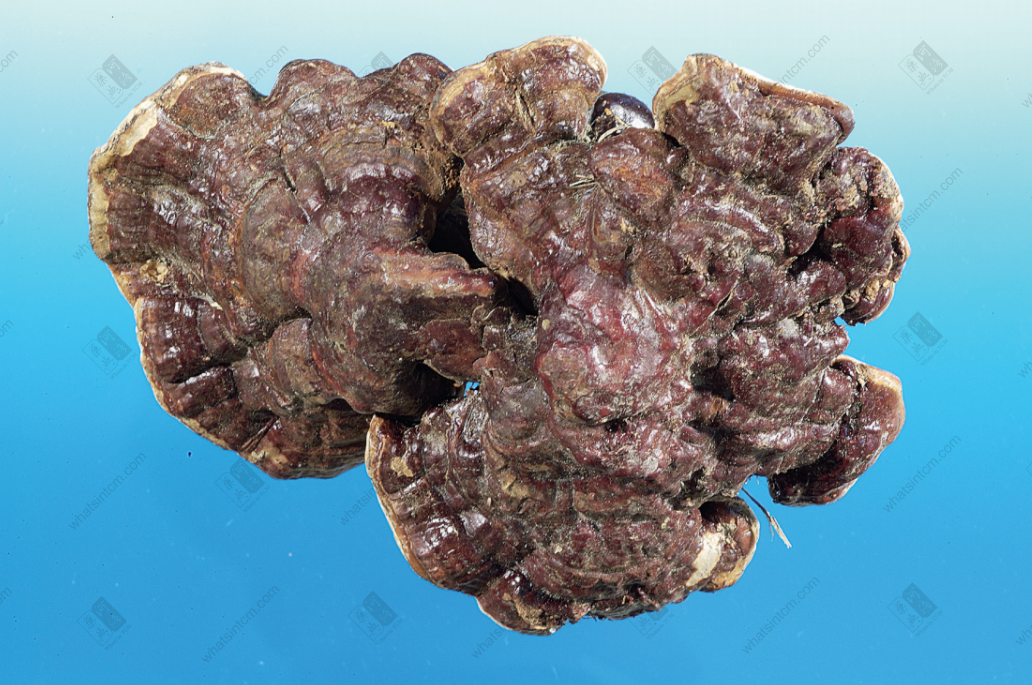
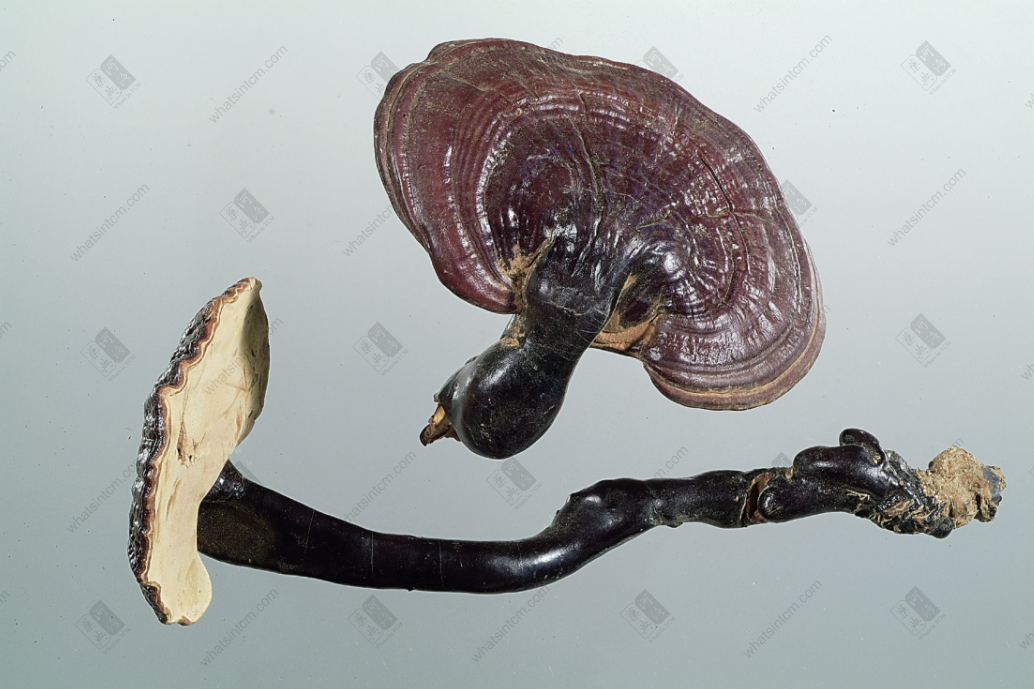 Lingzhi growing on bamboo roots
 Red Lingzhi
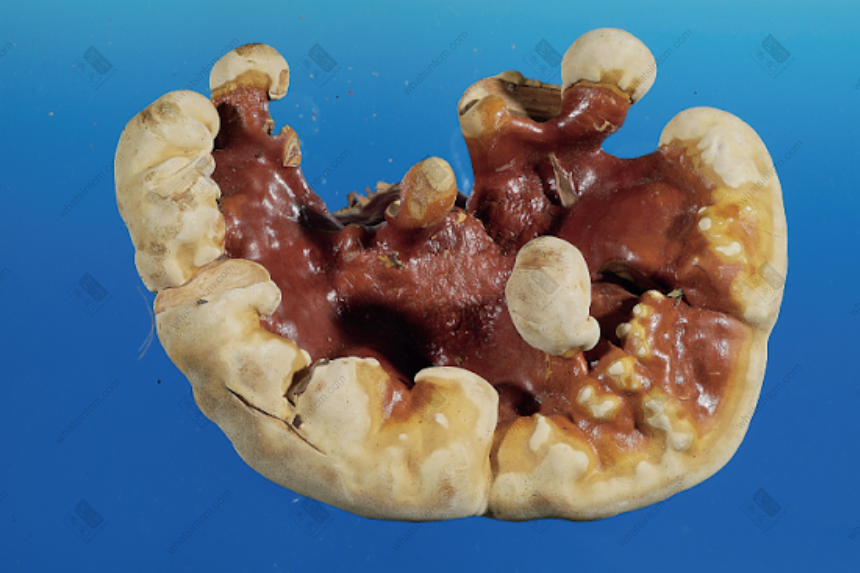 Red Lingzhi
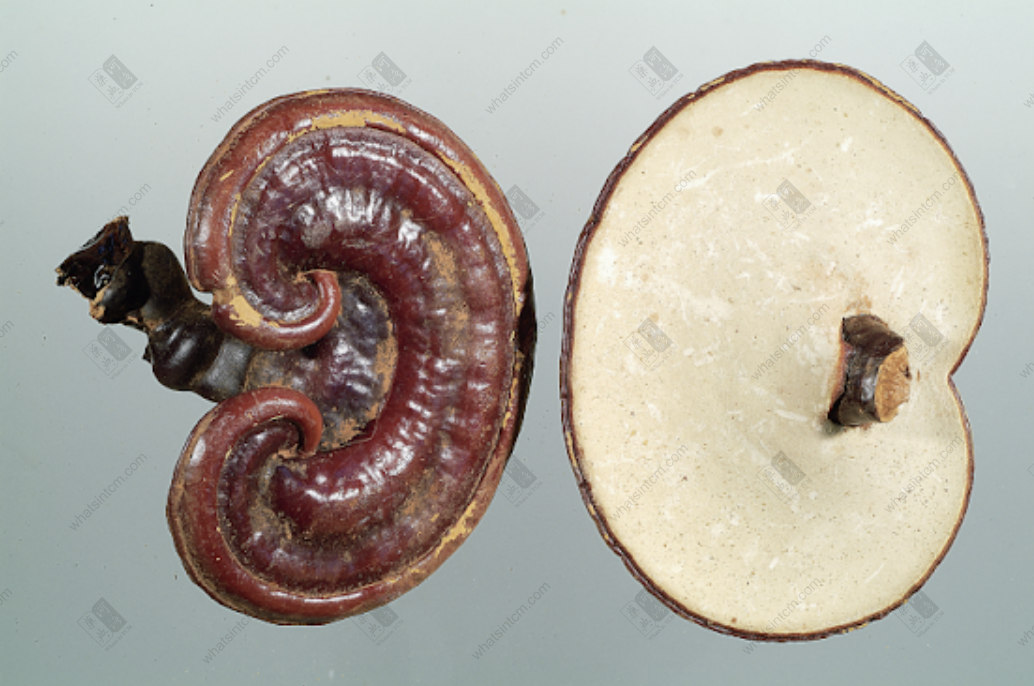 Cultivation of Red Lingzhi
 Red Lingzhi with abundant spore powder
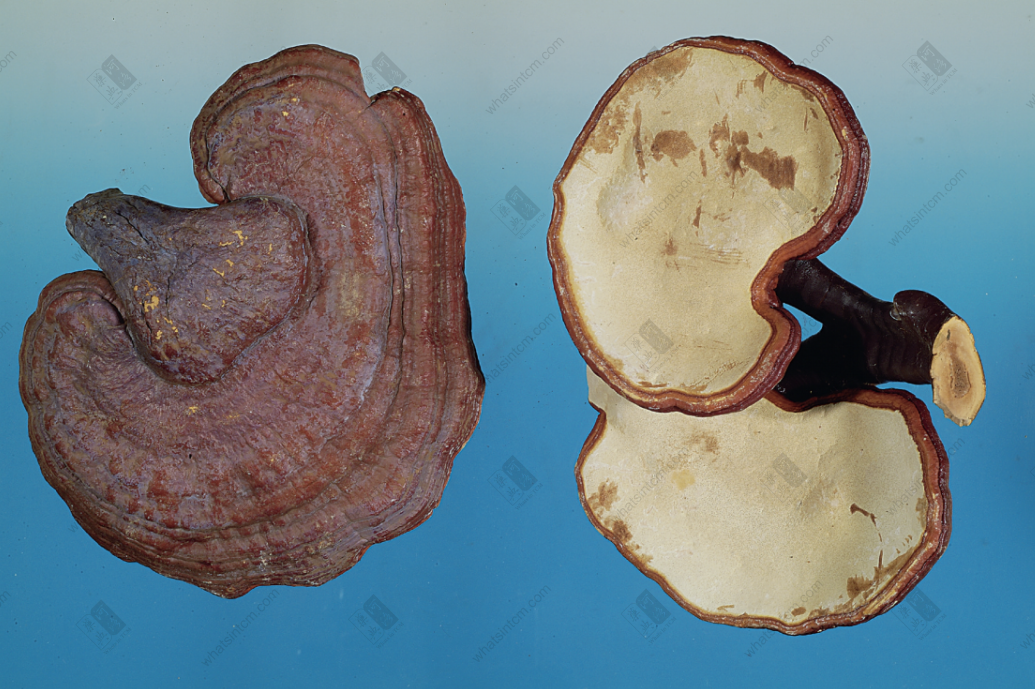 Can grow Antler Lingzhi Red Lingzhi

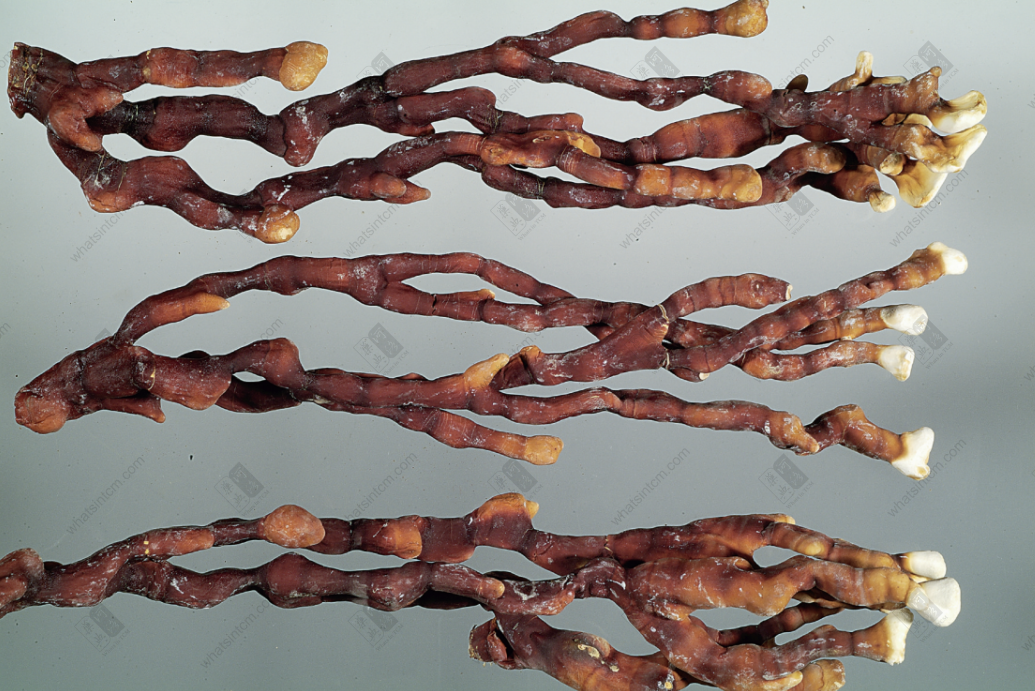
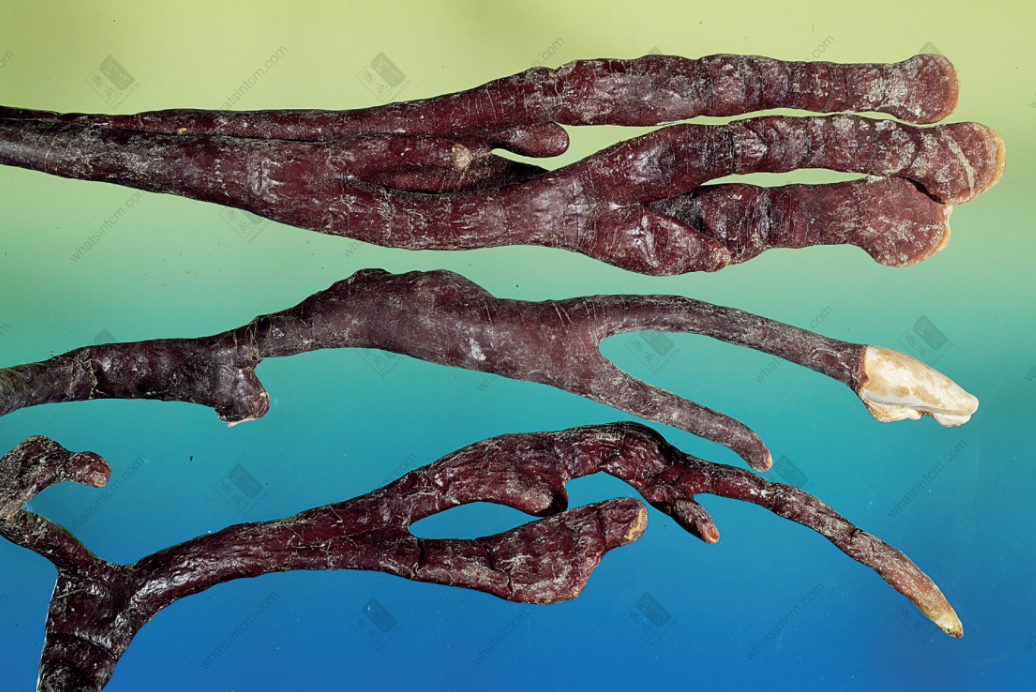
 Purple Lingzhi
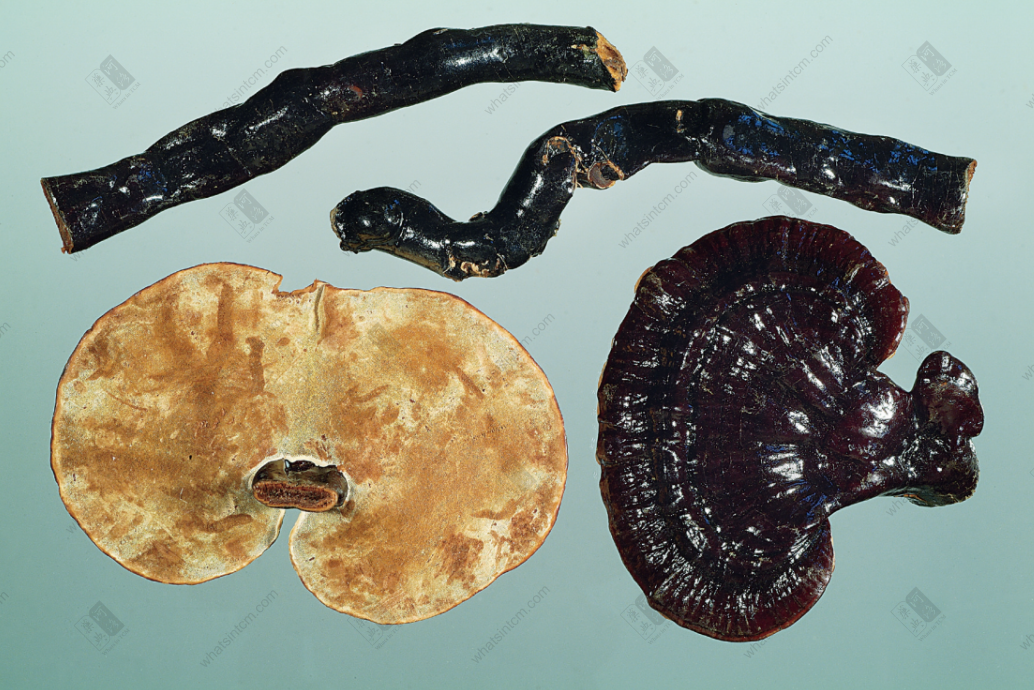 Purple Lingzhi
 Black Lingzhi
 Lingzhi (Multiple spores)
 Yunzhi (Turkey Tail Mushroom)
 White Lingzhi (Southern Lingzhi)
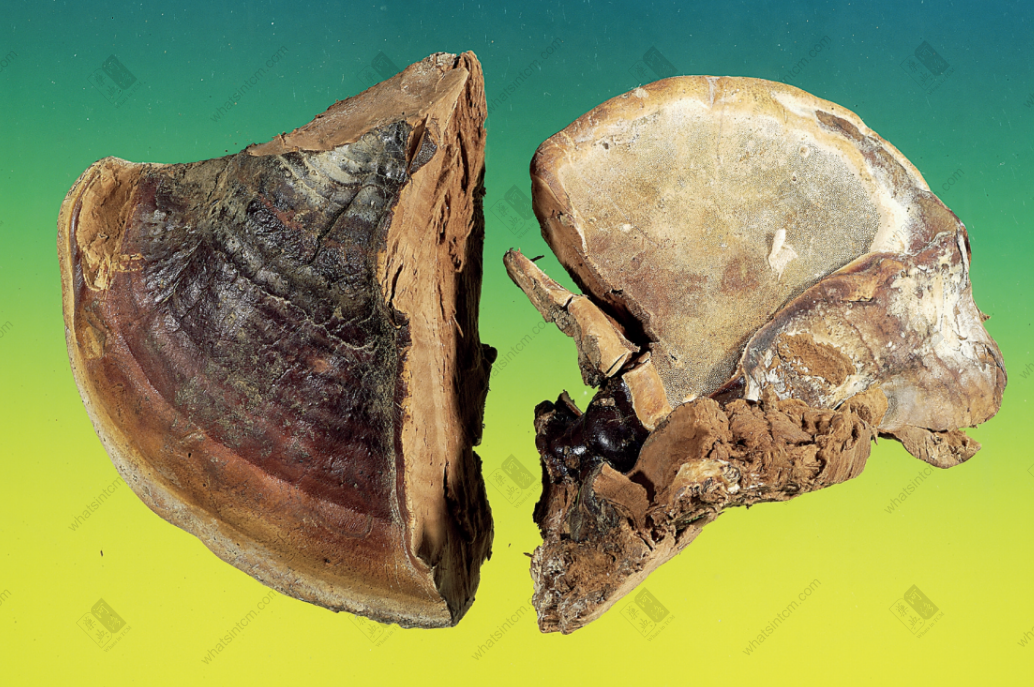 Wild Tropical Lingzhi
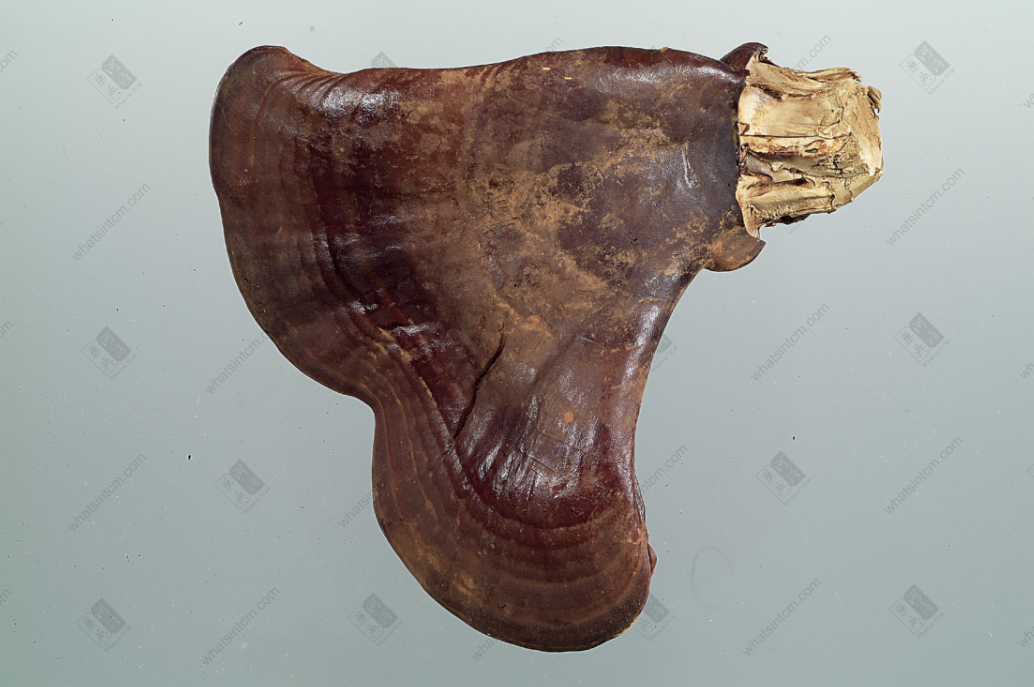 Cultivated Tropical Lingzhi
 Weber’s Lingzhi
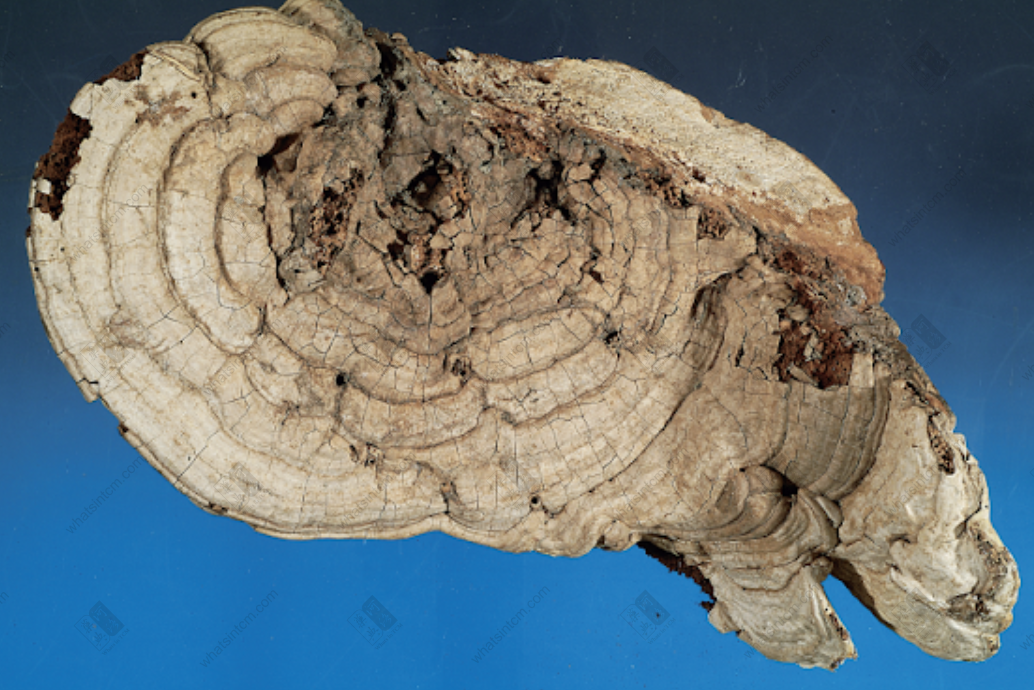 Wild Lingzhi on plum tree stump
 Wild Lingzhi in Taiwan
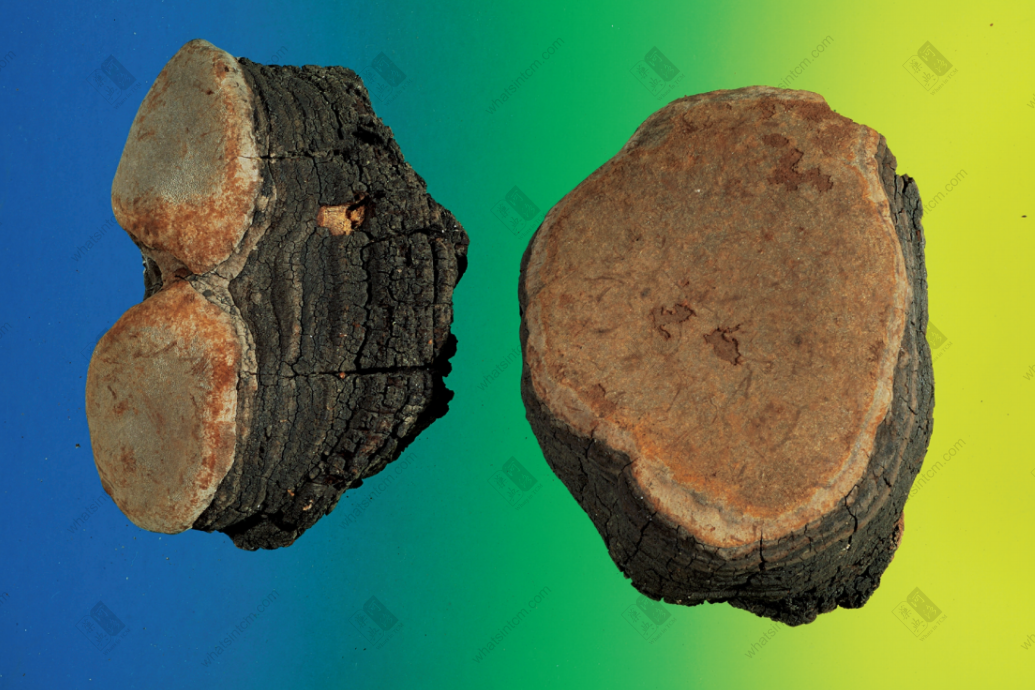 Wild Lingzhi in Taiwan
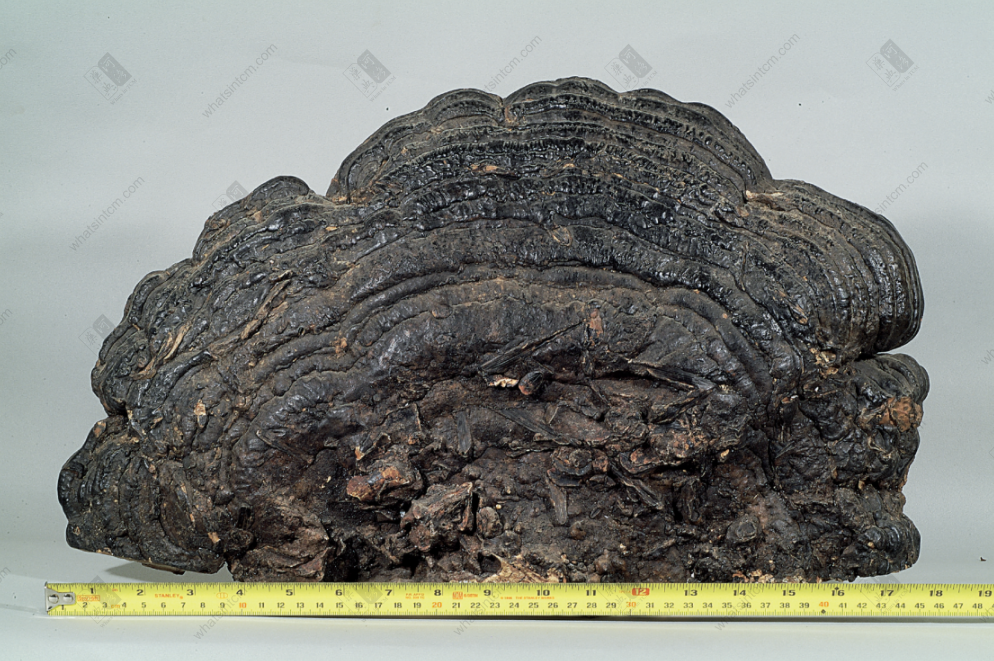 Fomitopsis pinicola (Red Belt Conk)
 Inonotus hispidus (Mistaken as Lingzhi)
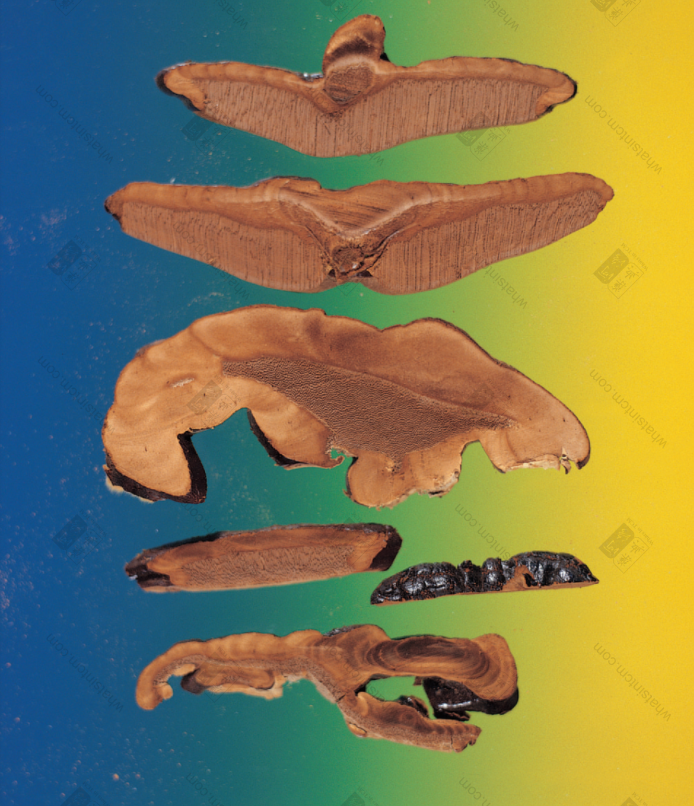 Lingzhi slices
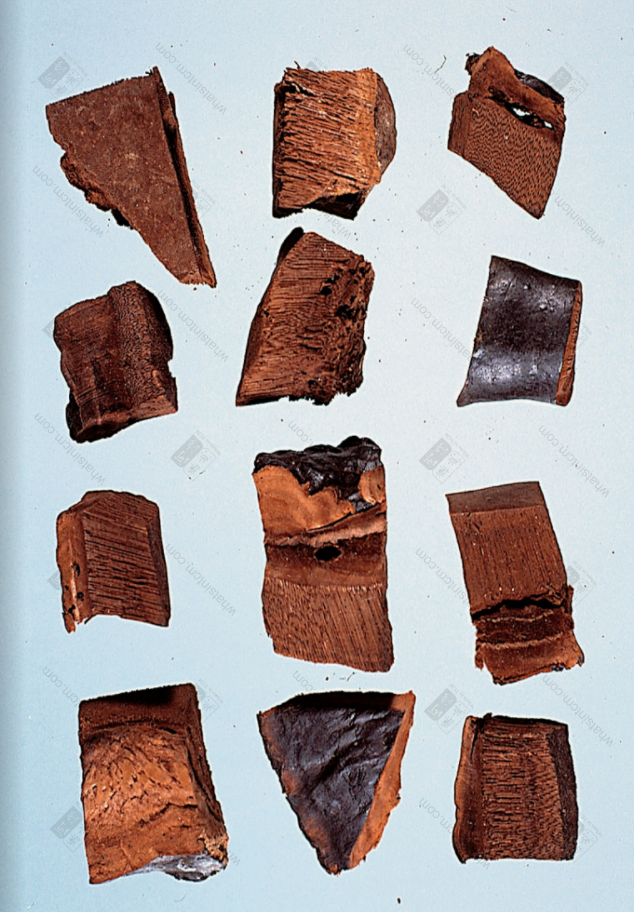 Lingzhi slices
【Naming】
【Source】
Shen Nong’s Herbal Classic, Superior Grade‧Zhi (Ganoderma)
【Frequency of Use】
A
【Botanical Origin】
Whole plant of Ganoderma lucidum (Leyss. ex Fr.) Karst. (Red Lingzhi) or G. sinensis Zhao, Xu et Zhang, belonging to the Polyporaceae family.
【Characteristics】
1. Lingzhi: Also known as Red Lingzhi. The pileus is corky, semi-circular or kidney-shaped, 12-20 cm wide. The upper surface cuticle is hard, initially bright yellow, gradually turning reddish-brown, with a glossy appearance, exhibiting annular ridges and radial wrinkles. The edge is slightly involute. The lower surface is white to light brown, composed of numerous fungal tubes forming the flesh, with round tube openings. The stipe is lateral, up to 19 cm long, with a hard cuticle, purplish-brown in color, and a lacquer-like sheen. The spores are oval, brown, truncated at the apex, with a rough inner wall and containing a large oil droplet in the center.
2. Purple Lingzhi: The main difference is that the cuticle of the pileus and stipe is purple or black; the flesh is rust-brown; the spores are larger than Lingzhi, and the inner wall has obvious small wart protrusions.
【Identification】
The best quality is characterized by a reddish-brown upper surface of the pileus, a lacquer-like sheen, and distinct annular ridges.
【Identification Terminology】
(Modern Terminology) 1. Fruiting body: The spore-producing structure of fungi. It varies in form, from simple and small to complex and giant. In addition to spore-producing tissue, it also includes various tissues, pseudo-tissues, and auxiliary structures that play a role in the protection, formation, and dispersal of spores.
【Category】
Fungi and Algae