

Loquat Leaf
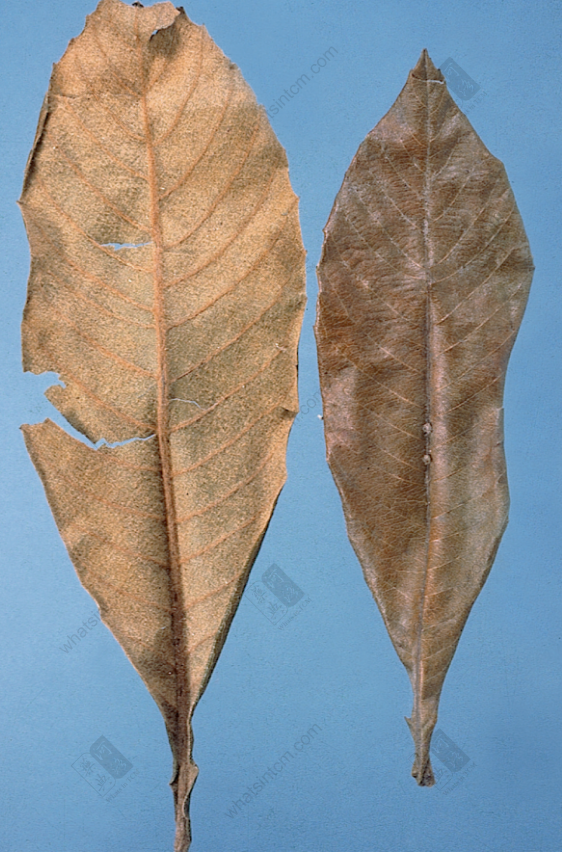 Loquat Leaf (Pipa leaf, the upper surface is grayish-green reddish-brown, shiny, the lower surface is densely covered with yellow villi, the main vein is raised with pinnate reticulate veins, leathery, brittle and easily broken)nn
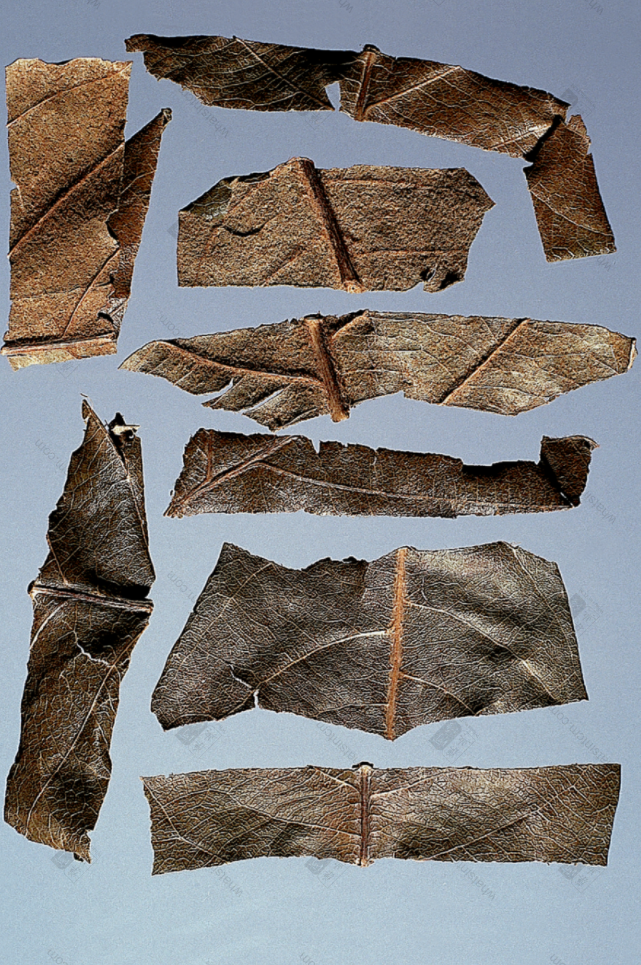 Loquat Leaf Shredded Piecesnn
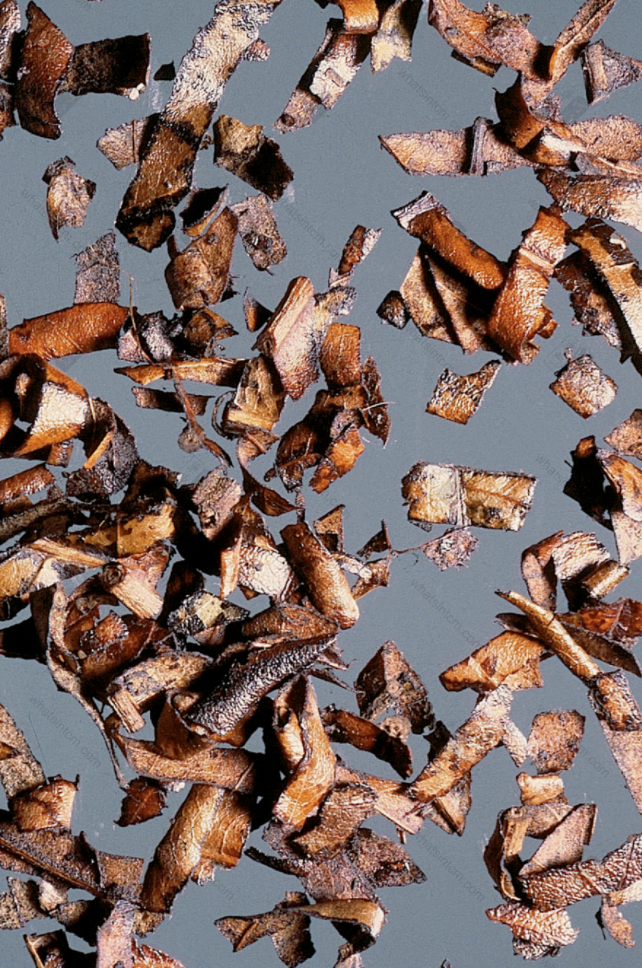 Honey-Prepared Loquat Leafnn【Name】n
n 【Source】n
Recorded in the “Separate Records” (別錄) as a medium-grade herb
n 【Frequency of Use】n
B
n 【Botanical Origin】n
The dried leaf of the Rosaceae plant, Eriobotrya japonica Lindl.
n 【Characteristics】n
This product is obovate to oblong-elliptic, 12~25㎝ long, 4~9㎝ wide, with an acuminate leaf tip, a cuneate base, serrated margins in the upper part, entire margins in the base, pinnate reticulate veins, a raised midrib on the lower surface, a grayish-green, yellowish-brown, or reddish-brown leaf surface with luster; brown villi on the lower surface, a short petiole, a leathery and brittle leaf, odorless, and slightly bitter in taste.nRaw Loquat Leaf: It is light brownish-green, yellowish-brown, or reddish-brown, densely covered with grayish-brown villi on the back. It has a slightly fresh fragrance and a slightly bitter taste. Prepared (stir-baked) Loquat Leaf: It is yellowish-brown.
n 【Preparation】n
1. Raw Loquat Leaf 2. Honey-Prepared Loquat Leaf 3. Ginger-Prepared Loquat Leaf
n 【Identification】n
“Prescriptions for Universal Relief” (普濟方) states: “Loquat Leaf should have its hairs removed and dried in the shade; the freshest ones are the best.” “Compendium of Materia Medica” (本草綱目) states: “The white ones are superior.”nGood quality is characterized by being dry, having large leaves, being green or reddish-brown in color, not being broken, without yellow leaves, and not being moldy. There are two types of dried goods: green and yellow. The green ones are obtained by cutting the leaves with scissors and drying them in the sun, and are of good quality. The yellow ones are fallen leaves and are of poor quality.
n 【Category】n
Leaf Category
Related Products
