



Magnolia Bark (Hou Po)
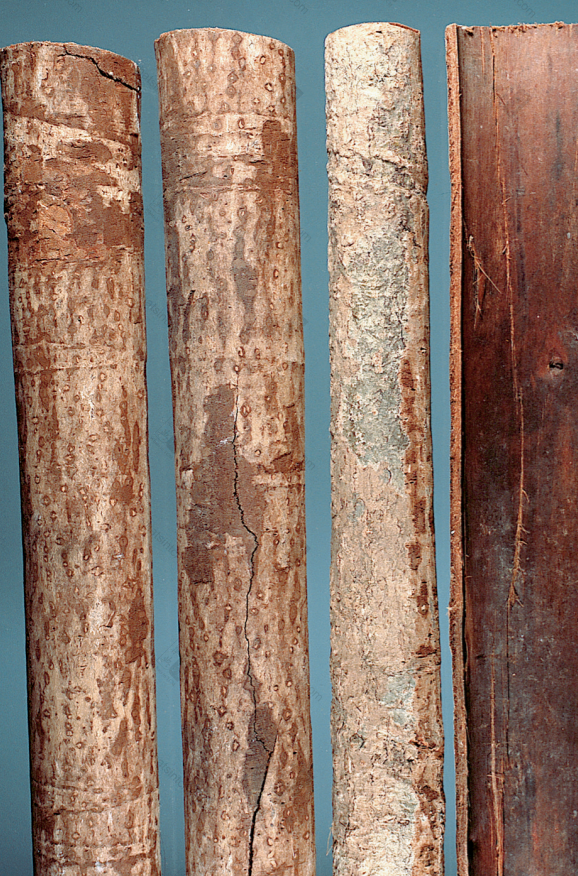 Magnolia Bark (Hou Po) (Sichuan Magnolia Bark) (Single/Double rolls, gray-brown, lenticels, lichen spots, purplish-brown inside, shiny spots)
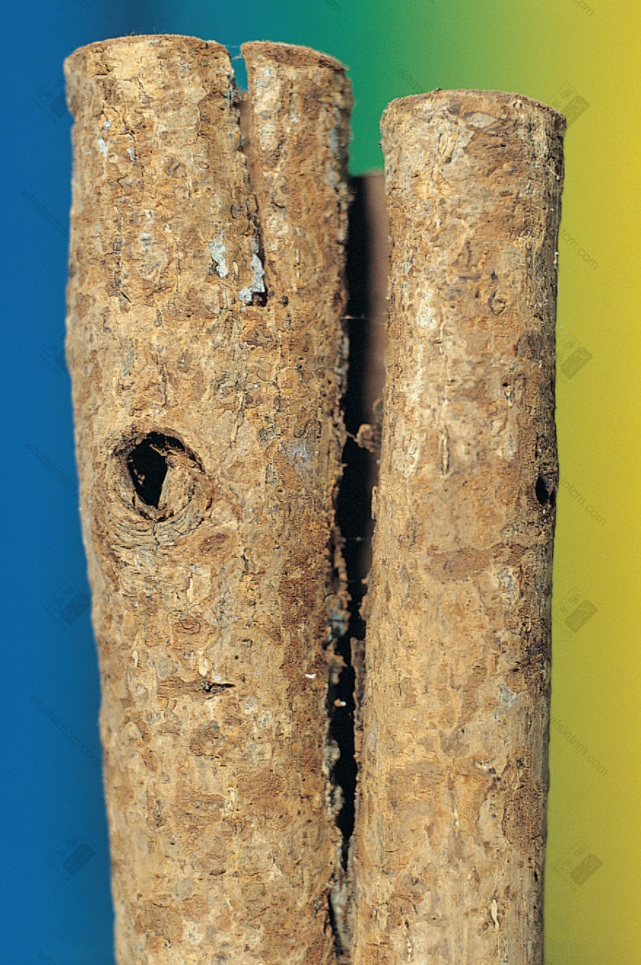 Wenzhou Magnolia Bark (Hou Po) (Pungent, oily)
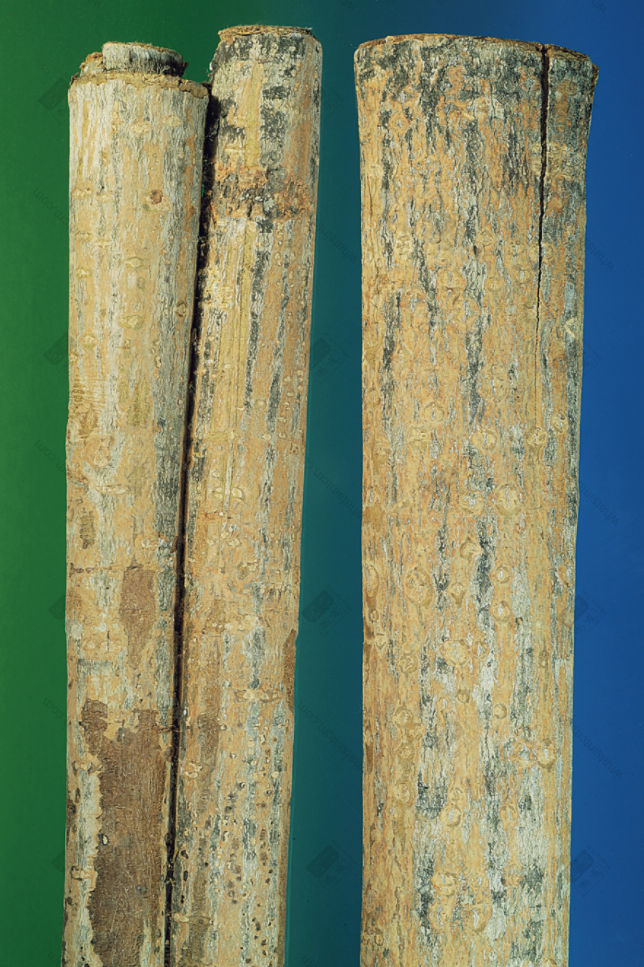 Hubei Magnolia Bark (Hou Po) Roll
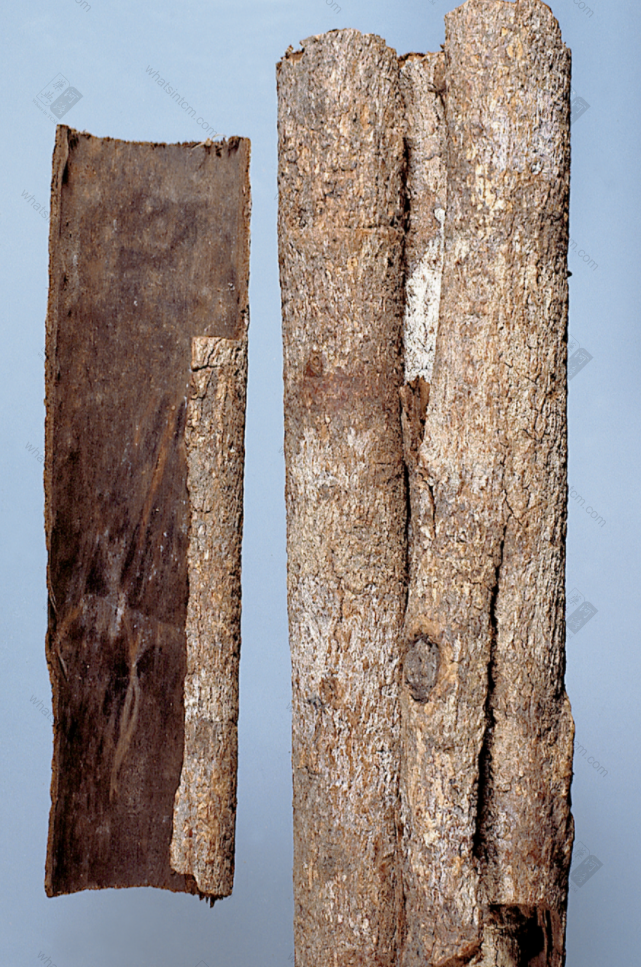 Guizhou Magnolia Bark (Hou Po)
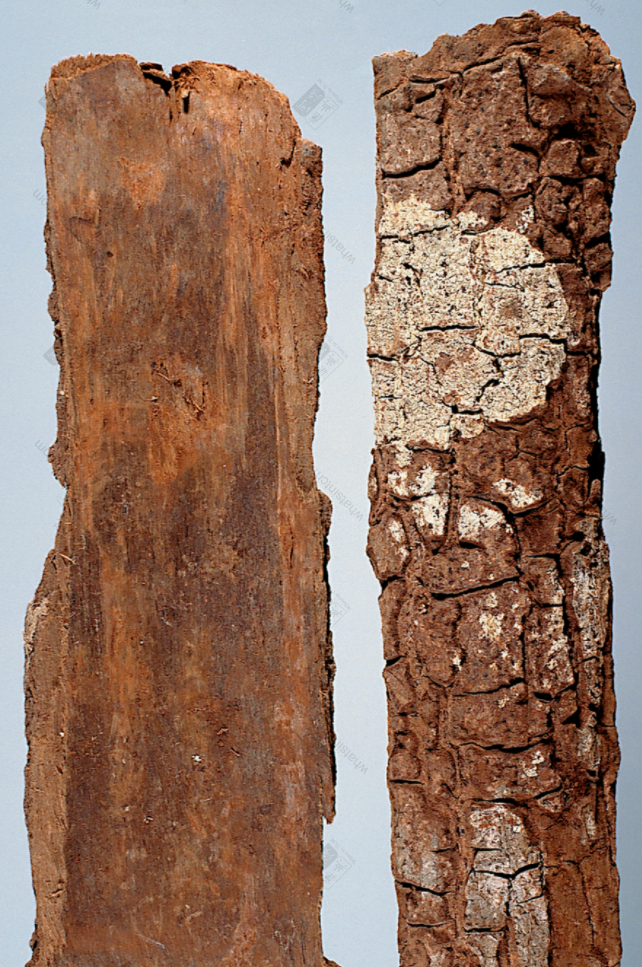 Guizhou Magnolia Bark (Hou Po)
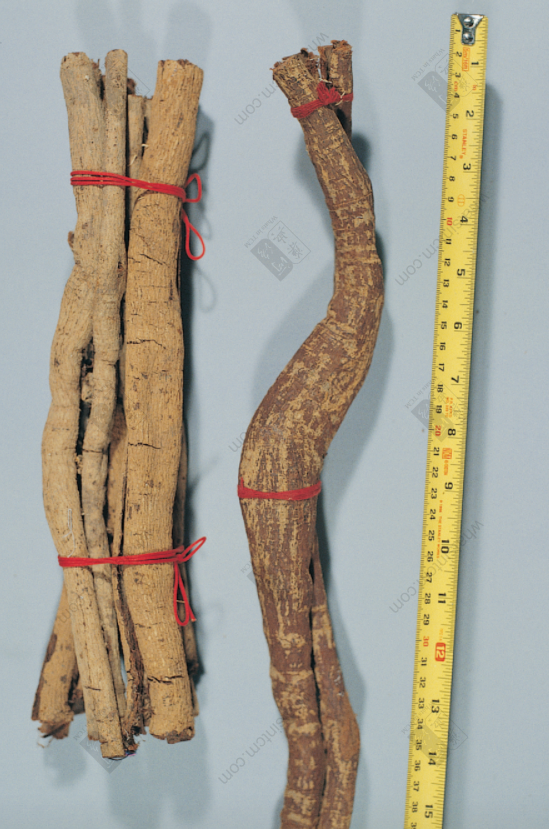
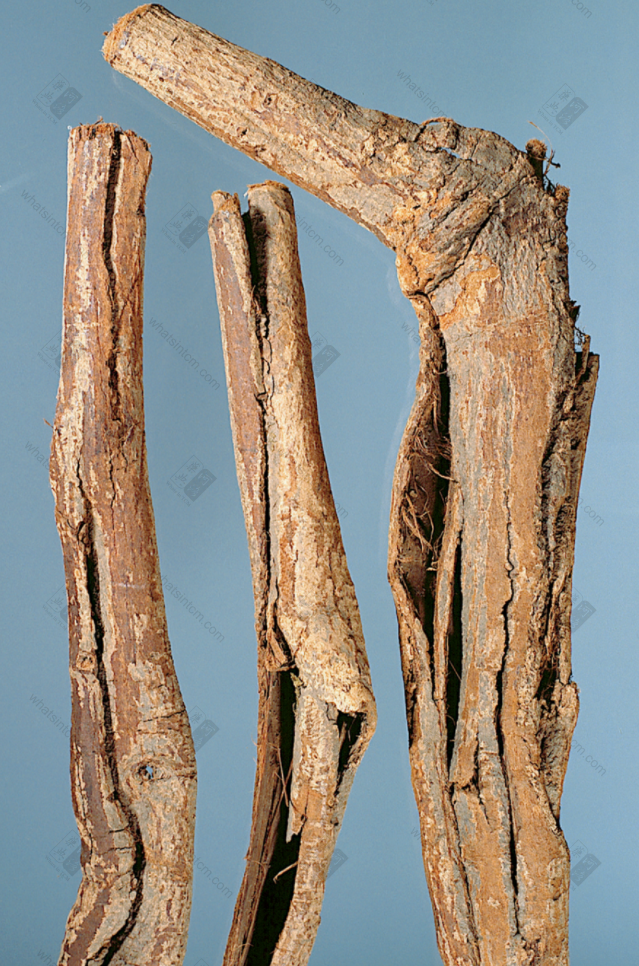 Root Bark (Curved like chicken intestines)
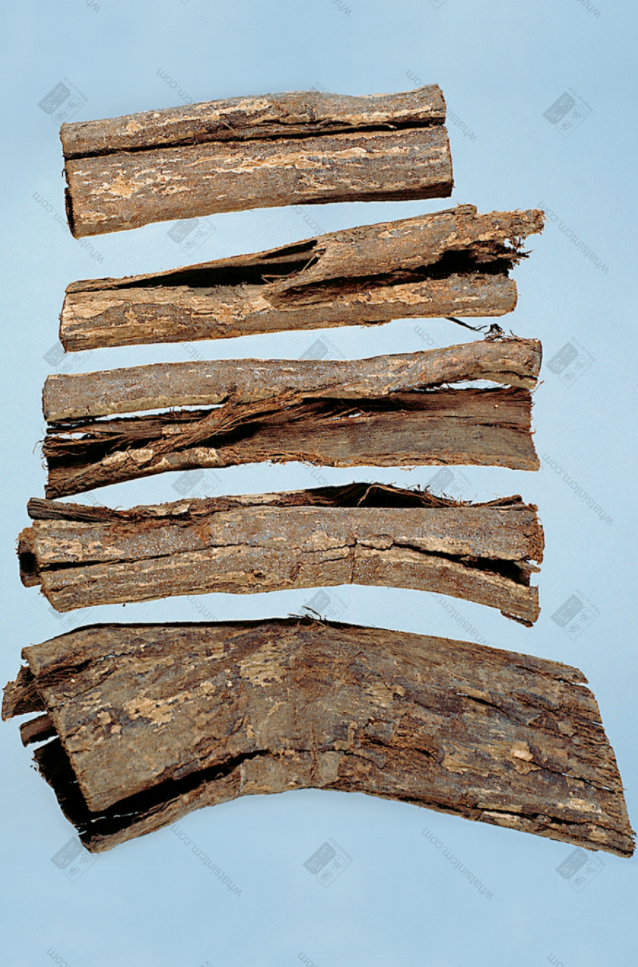 Root Bark Sections
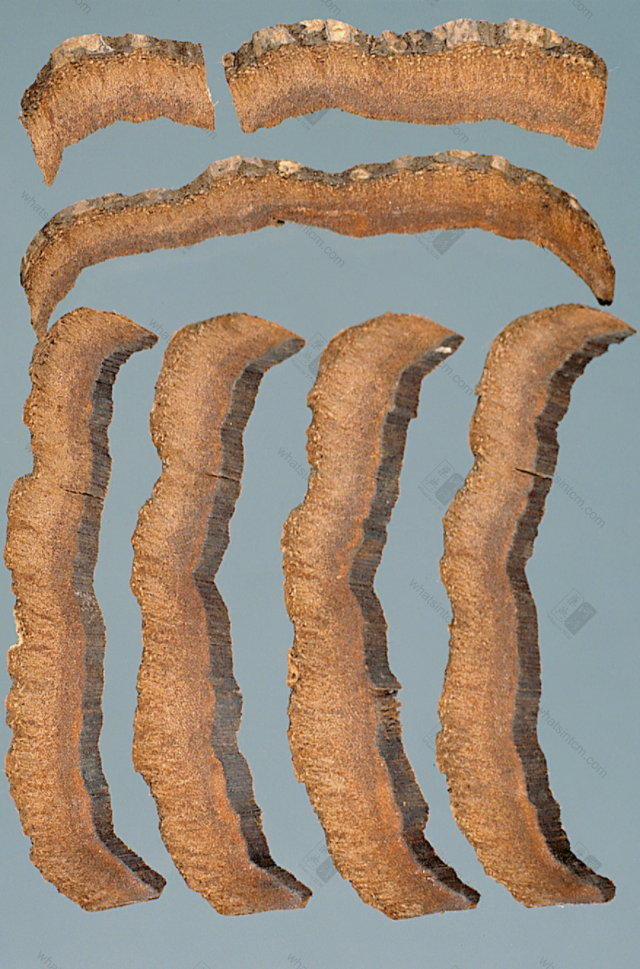 Gold Star Bark Slices (Shiny spots)
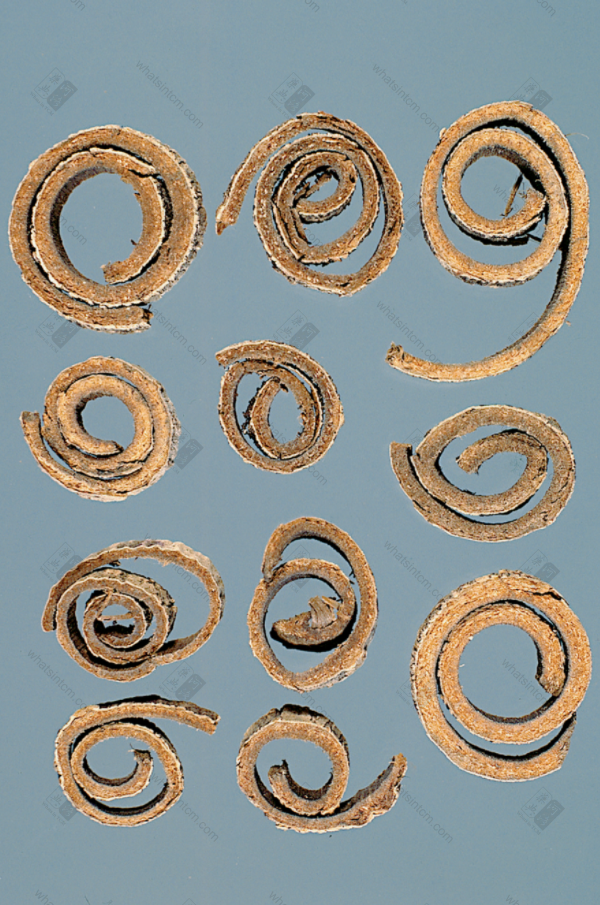 Magnolia Bark (Hou Po) (Incense coil slices)
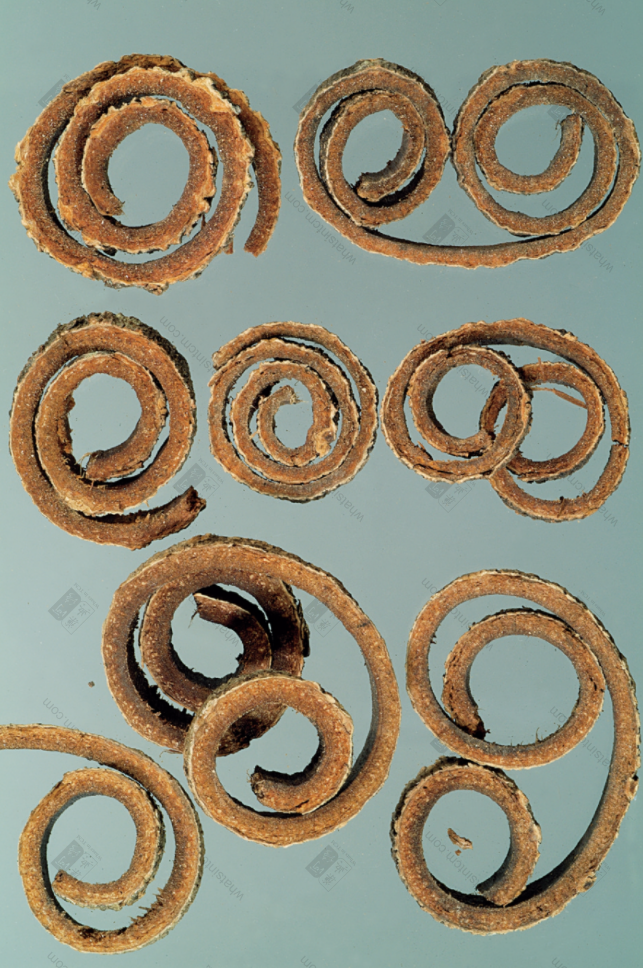 Hubei Magnolia Bark (Hou Po)
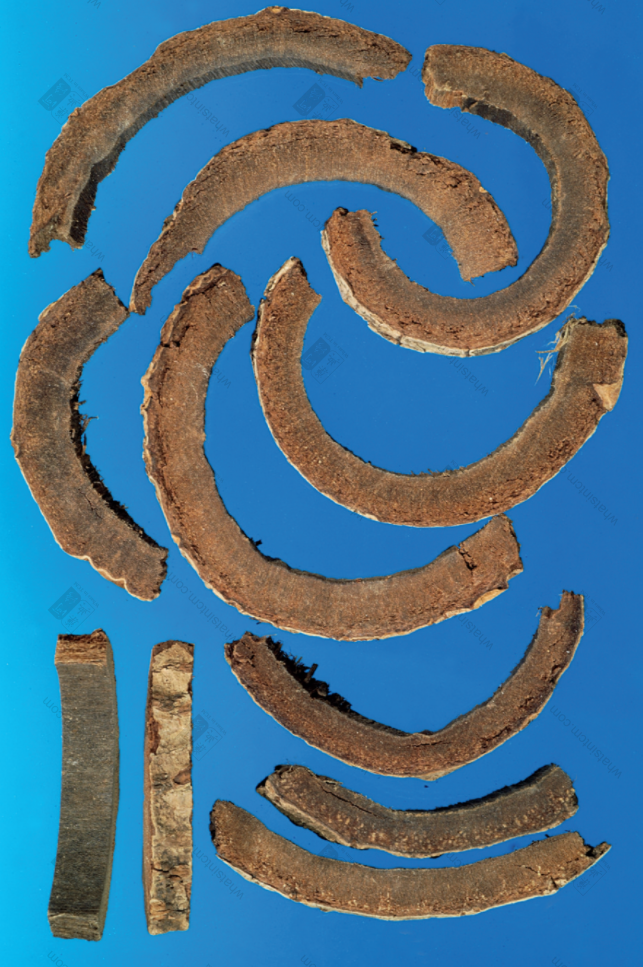 Vietnam Magnolia Bark (Hou Po)
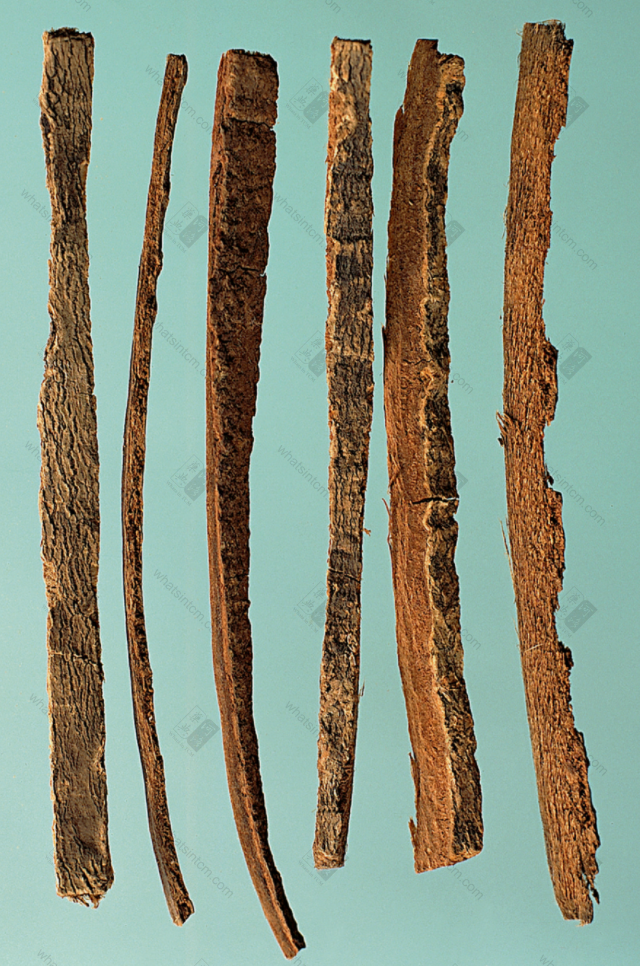 Magnolia Bark (Hou Po) Filamentous Slices
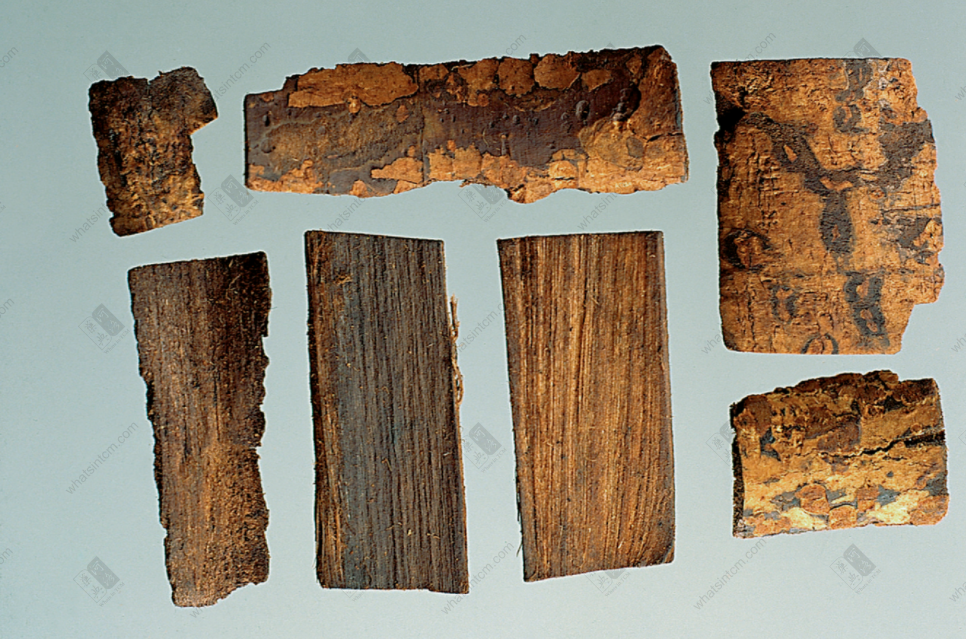 Ginger-Prepared Magnolia Bark (Hou Po) Slices
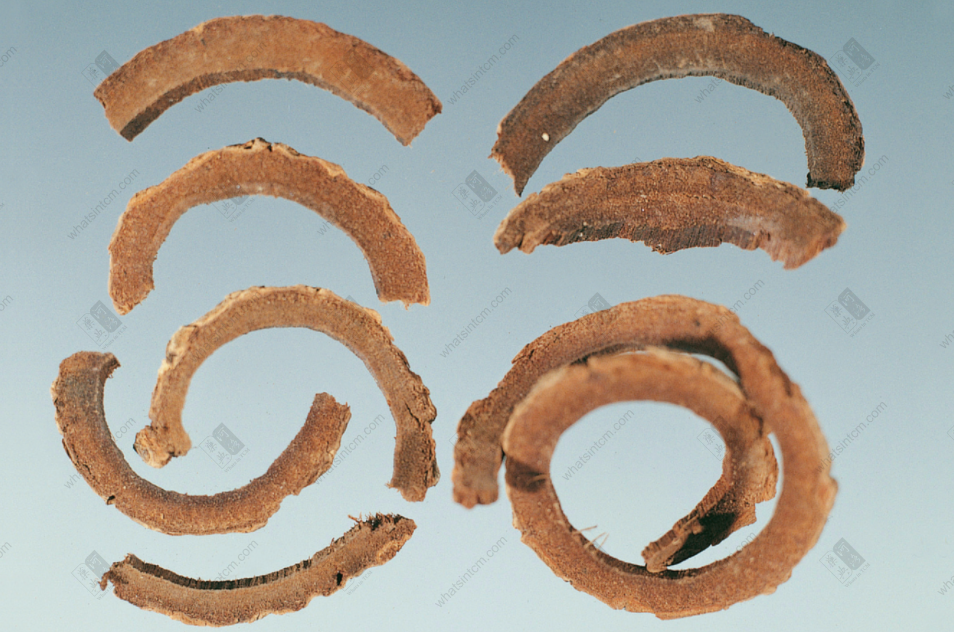 Ginger-Prepared Magnolia Bark (Hou Po) Slices
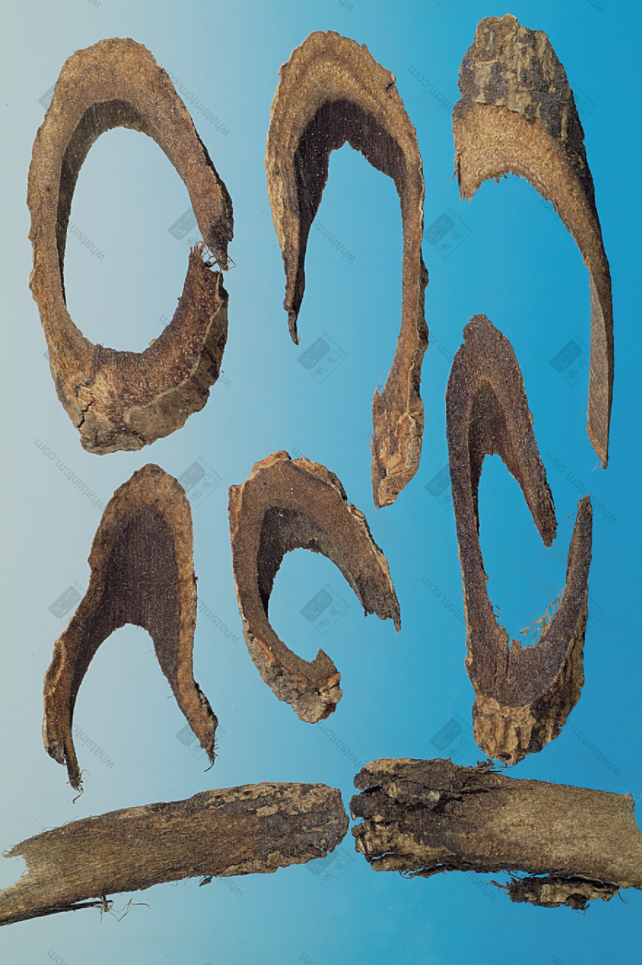 Ginger-Prepared Oblique-Cut Root Bark Slices
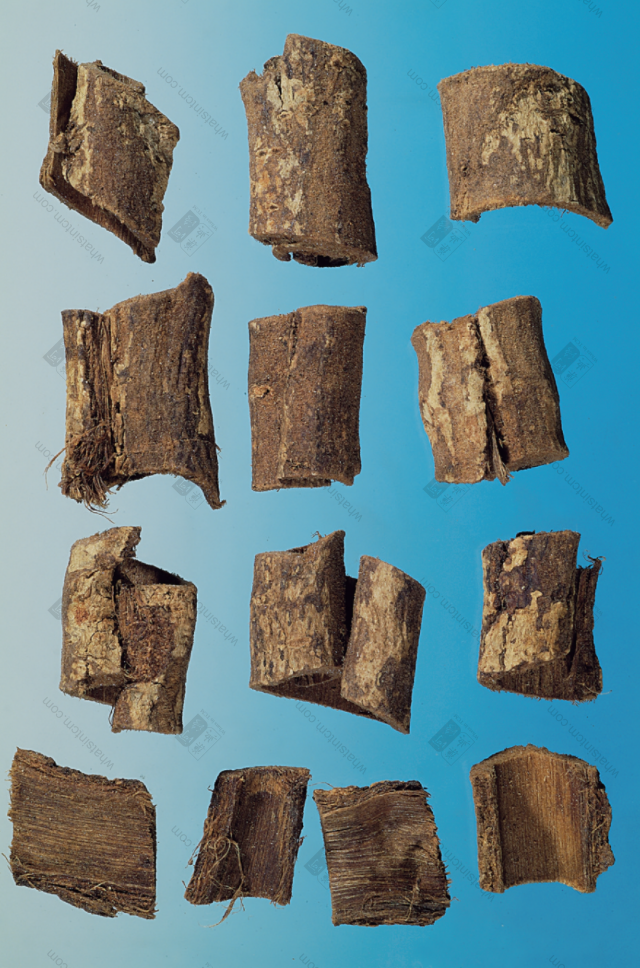 Ginger-Prepared Straight-Cut Root Bark
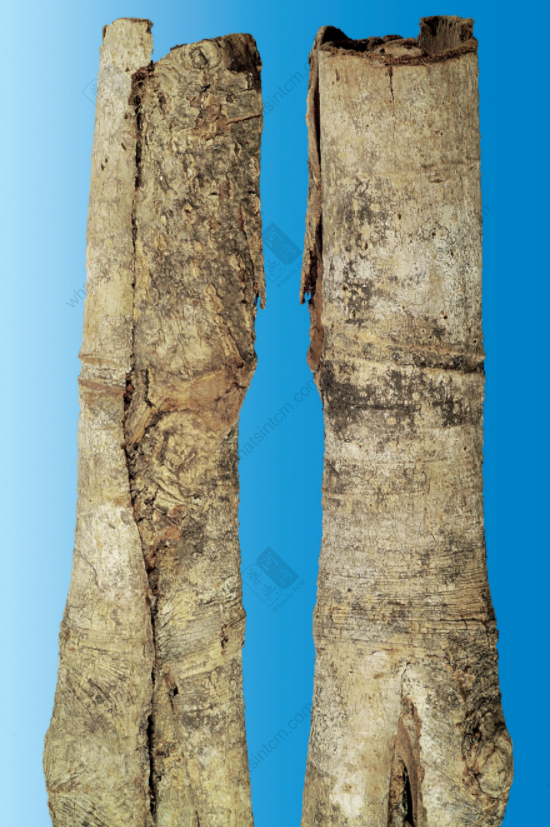 Japanese Magnolia Bark (Hou Po)
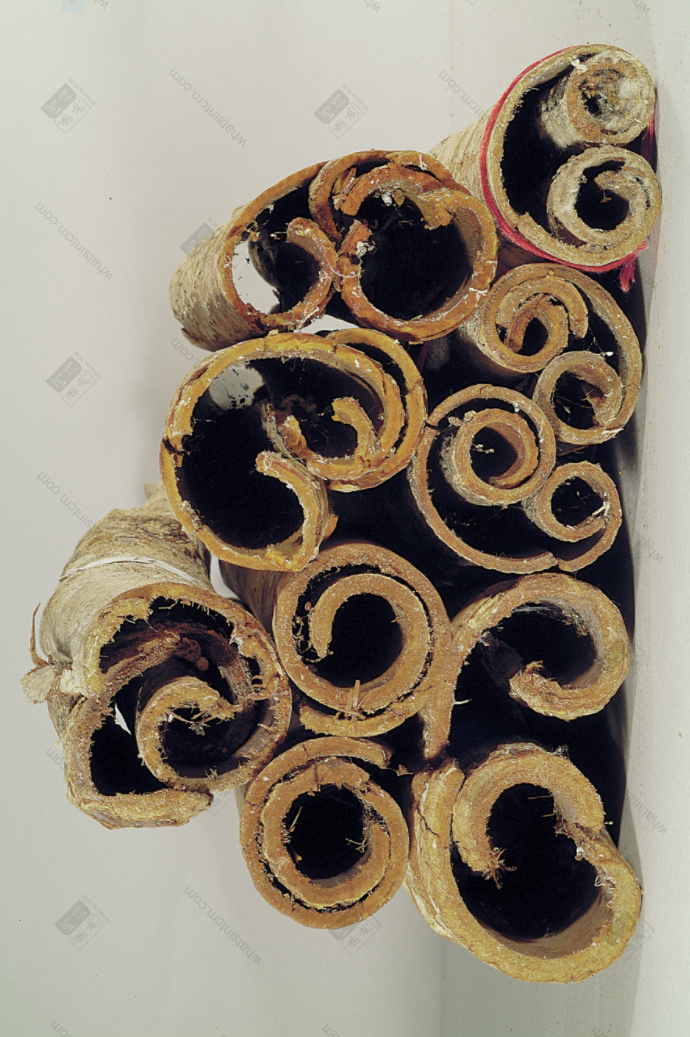 Magnolia Bark (Hou Po) Single/Double Rolls
【Naming】
【Source】
Shen Nong’s Herbal Classic of Materia Medica, Middle Grade
【Common Usage Level】
A
【Botanical Origin】
Dried trunk bark or root bark of Magnolia officinalis Rehd. et Wils., Magnolia officinalis var. biloba Rehd. et Wils., or Magnolia rostrata W. W. Smith, belonging to the Magnoliaceae family.
【Characteristics】
(1) Cylinder Bark: Refers to the trunk bark of the main stem, which is processed and rolled into a double cylindrical shape. It is 15~45cm long and 2~5mm thick. The surface is light brown to dark brown. The thinner bark has fewer cracks on the surface and has longitudinal lines, with visible round, longitudinally cracked lenticels. Thicker bark has a rough surface with scale-like cork that is easily peeled off. The inner surface is purplish-brown, smooth and shiny, with fine longitudinal textures. Scratching it with a fingernail reveals oily streaks. It is relatively moist and hard, not easily broken, has an aromatic odor, a slightly pungent taste, and leaves few residues when chewed.
(2) Root Bark: Refers to the root bark that has been processed and rolled into a single or double roll, often split open, and curved like chicken intestines, hence the name “Chicken Intestine Bark.” It is 15~45cm long, 0.5~2cm in diameter, and about 1~3mm thick. The surface is rough, grayish-brown, with transverse cracks and longitudinal wrinkles. The inner surface is deep purplish-brown, with prominent longitudinal lines and traces of branch roots. It is tough, difficult to break, oily, and has the same odor as the trunk bark, but leaves more residues after chewing. Decoction Pieces: Filamentous slices are thread-like, about 3~5cm long and about 2.5mm thick, slightly curved inward, with a black-brown epidermis and a purplish-brown, smooth inner surface with longitudinal纹理. The cut surface has shiny crystals, the texture is firm, and the taste is pungent and slightly bitter. Incense Coil Slices: These are original rolled cylinder bark that has been transversely cut into round or disc-shaped small pieces. Ginger-Prepared Magnolia Bark (Hou Po): Generally made into filamentous slices and has a ginger flavor. In addition, depending on the location, there are also 1. Boot Bark: The trunk bark and root bark near the root, shaped like a boot. 2. Ear Bark: The trunk bark near the root, in block or semi-rolled form, often ear-like. 3. Branch Bark: The bark of branches, thinner, in the form of a single roll. These three types are not available in Taiwan.
【Processing】
1. Magnolia Bark (Hou Po) 2. Ginger-Magnolia Bark (Hou Po)
【Identification】
“Lei Gong’s Treatise on Processing” states: “When using, it is best to use purple-colored and pungent-tasting ones.” “Newly Revised Materia Medica” states: “The best are those that are extremely thick and purplish-red in color.” “Illustrated Materia Medica” states: “The best are those with extremely scaly and thick bark, purplish-red and moist,” and “Only those from Ya Chang are of the highest quality.” “Universal Relief Prescriptions” states: “For Magnolia Bark (Hou Po), those from Zizhou should be used. They should be thick and purple, and oil should come out when pinched.” “Convenient Guide to Benevolent Art” states: “Remove the rough skin of Magnolia Bark (Hou Po) and wash it. The best are those that are purple, thick, and fragrant.” “Medicine Characteristics” states: “Those produced in the Han region are good.” “Quality Discrimination” states: “The best are those with a purplish-black external appearance, longitudinal lines inside, extremely thick bark, very dense texture, difficult to scratch with nails, strong odor, slightly bitter taste, and a fresh aroma.” All the above types of Magnolia Bark (Hou Po) have dot-like, shiny crystals on the cut surface. The best are those with a purplish-red, shiny cut surface, coarse bark and fine flesh, dark purple inner color, high oil content, strong aroma, bitter, pungent, and slightly sweet taste, and no residue when chewed. Generally, the bark near the root is better than the branch bark.
【Identification Terminology】
1. Boot Bark: Refers to the bark of Magnolia Bark (Hou Po) at the part connecting the ground and underground. 2. Cylinder Bark: The trunk bark of Magnolia Bark (Hou Po) is in the form of a cylinder or double cylinder, called Cylinder Bark. 3. Boot-Shaped Cylinder Bark: The dry bark of Magnolia Bark (Hou Po) near the root expands at one end like a trumpet mouth, resembling a boot opening. 4. Double Cylindrical Shape: Refers to the bark that, during the drying process, has a greater loss of water from the inner layer of tissue, causing the outer layers on both sides to curl inward into a cylindrical or rolled shape, forming a double cylindrical shape, such as in Magnolia Bark (Hou Po). 5. Chicken Intestine Bark: The root bark of Magnolia Bark (Hou Po) is in a single cylindrical shape, often curved, resembling chicken intestines. 6. Fibrous: The fractured surface of the medicinal material reveals irregular flakes or fibrous materials and has strong toughness, such as Magnolia Bark (Hou Po) and Phellodendron Bark.
【Category】
Bark Category
Related Products
