



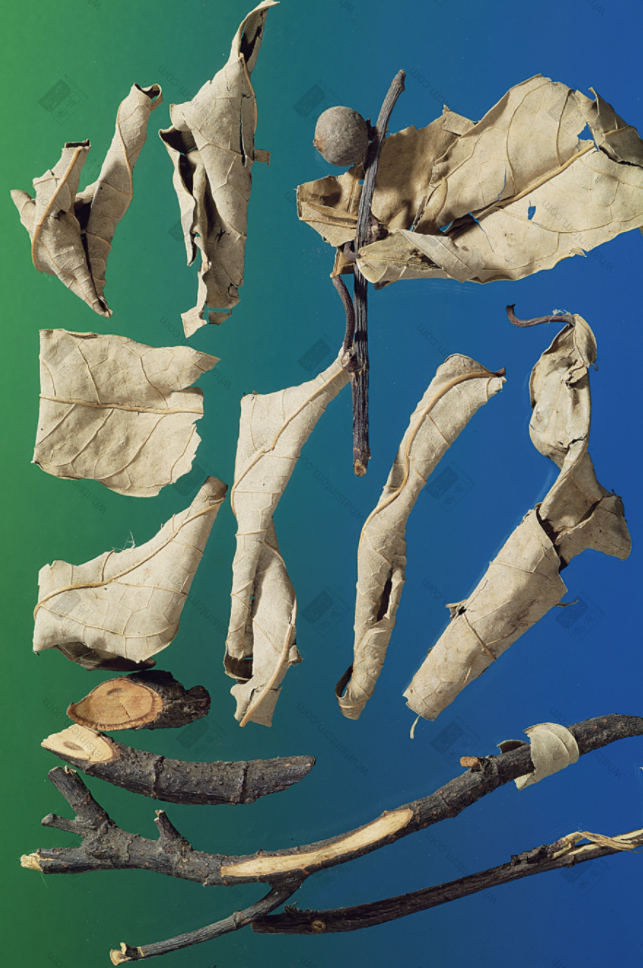
Shi Nan Teng (Photinia stem)
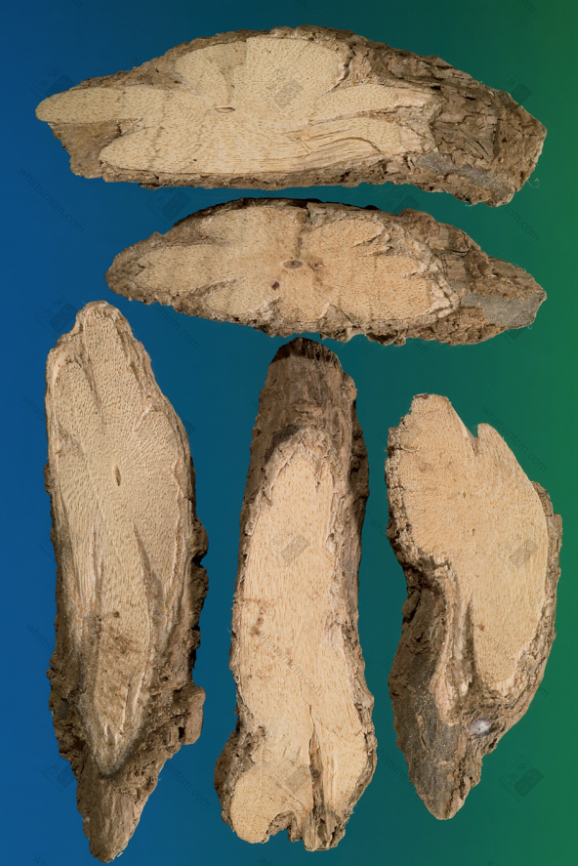
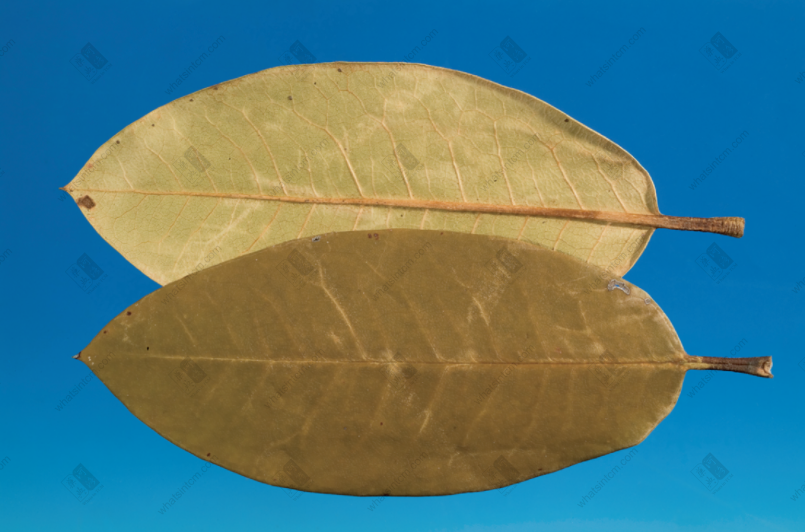 Shi Nan Ye (Photinia leaf)
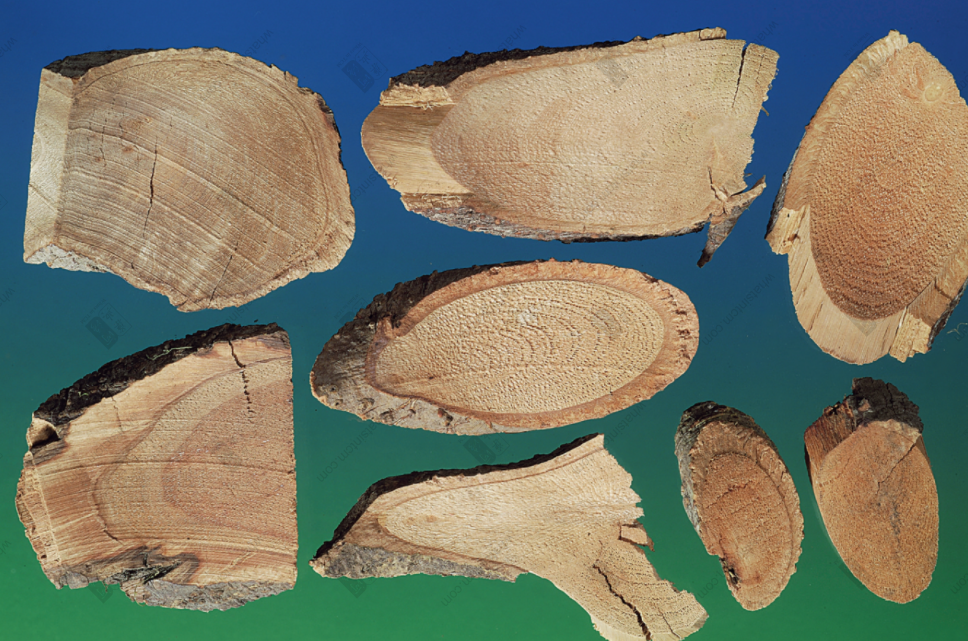 Shi Nan Teng (Photinia stem) (Misuse)
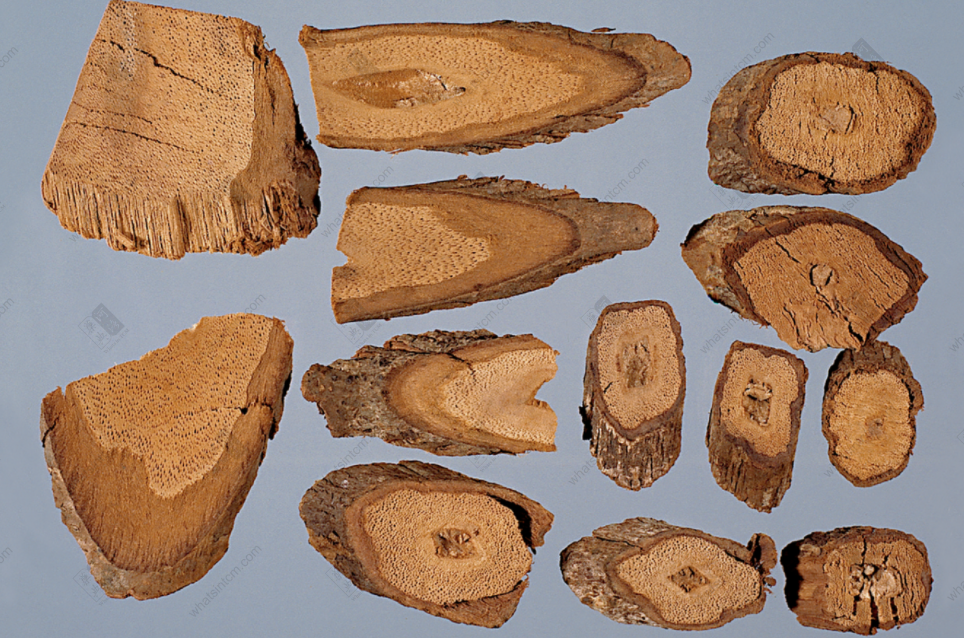 Shi Nan Teng (Photinia stem) (Misuse)
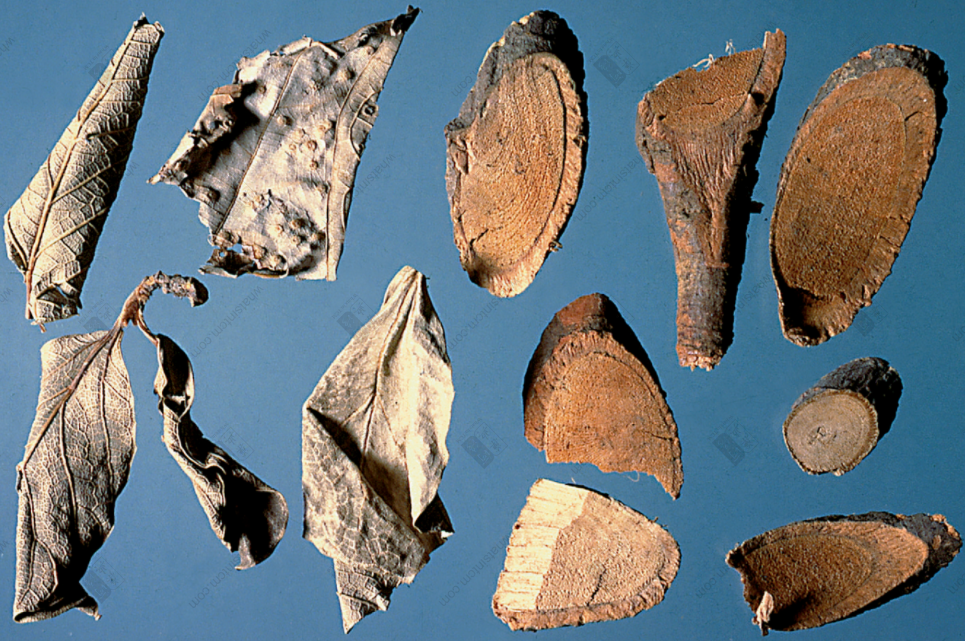 Shi Nan Teng (Photinia stem) leaf (Misuse)
 Shi Nan Ye (Photinia leaf) (Misuse)
【Naming】
【Source】
Shen Nong Ben Cao Jing, Lower Class
【Frequency of Use】
D
【Origin】
The dried twigs, sometimes with leaves, of Photinia serrulata Lindl. (Rosaceae). Alternatively, its dried leaves are referred to as Shi Nan Ye (Photinia Leaf).
【Characteristics】
Cylindrical in shape with branches, varying in length, approximately 3-6 mm in diameter. The surface is dark grayish-brown with longitudinal wrinkles and transverse fissures. There are numerous leaf scars, semi-lunar in shape. The texture is firm and brittle, easily broken.
The processed slices are oblique thin slices. The bark is thin and easily peeled off. The wood is yellowish-white, with split fragments. It has a slight odor and a bitter taste.
The leaves are obovate-oblong, 8-16 cm long and 3-6 cm wide, with petioles. The apex is shortly pointed, the base nearly rounded or cuneate, and the margin has fine, sharp serrations. The upper surface is reddish-brown or dark brown, and the lower surface is slightly lighter in color. The midrib is prominently raised, and the lateral veins are arranged pinnately. Both surfaces are smooth and hairless. The leaves are relatively thick, leathery, and brittle.
The processed slices are reddish-brown filamentous slices with fine serrations on the edges. The taste is bitter and astringent.
【Processing】
1. Shi Nan Teng (Photinia stem) 2. Shi Nan Ye (Photinia leaf)
【Identification】
Xin Xiu Ben Cao: “The ones with small leaves are considered good.” Zheng Lei Ben Cao: “Tang Dynasty commentary states: The ones with small leaves are considered good.” “For medicinal use, the ones from Guan Zhong with small leaves are good.”
1. Shi Nan Teng (Photinia stem): The best are the tender branches, with even strips, and grayish-brown outer bark.
2. Shi Nan Ye (Photinia leaf): The best are those that are dry, neat, yellowish-brown with a reddish tint, and free of impurities. Those that are black and moldy are inferior.
【Category】
Vine and Wood Category