



Astragalus Root
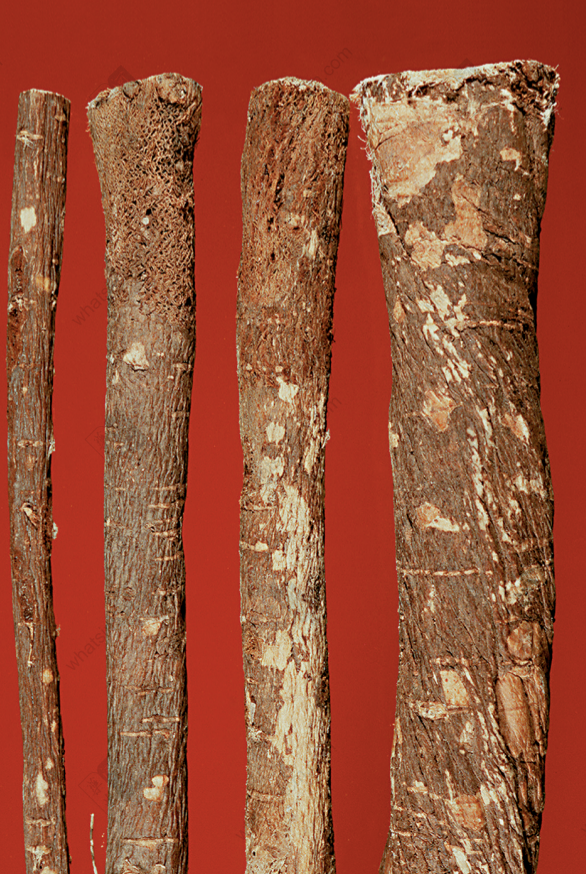 Jin Astragalus (From right: Astragalus King, grades 1, 2, 3) (Long cylindrical, reddish-brown, skin easily peels off revealing light yellow, hard, tough, fibrous, sweet)
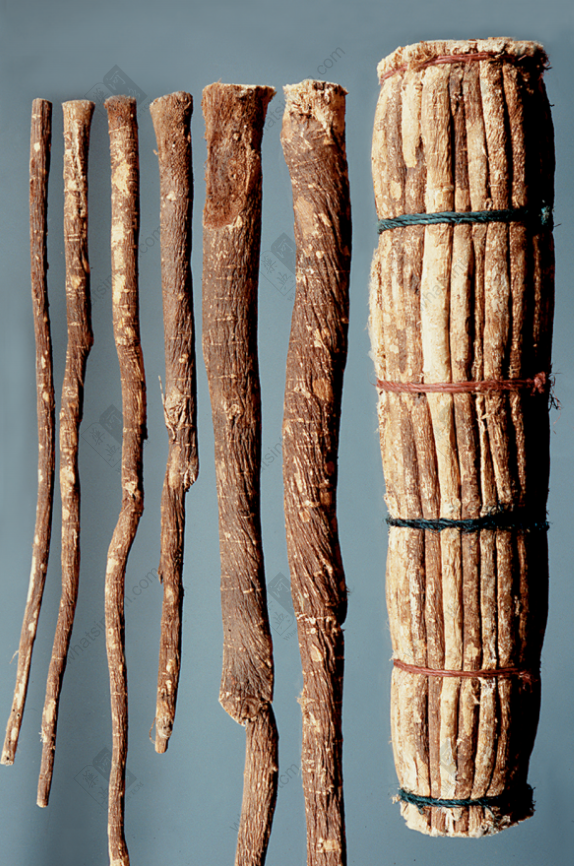 Jin Astragalus (Bundled, Loose)
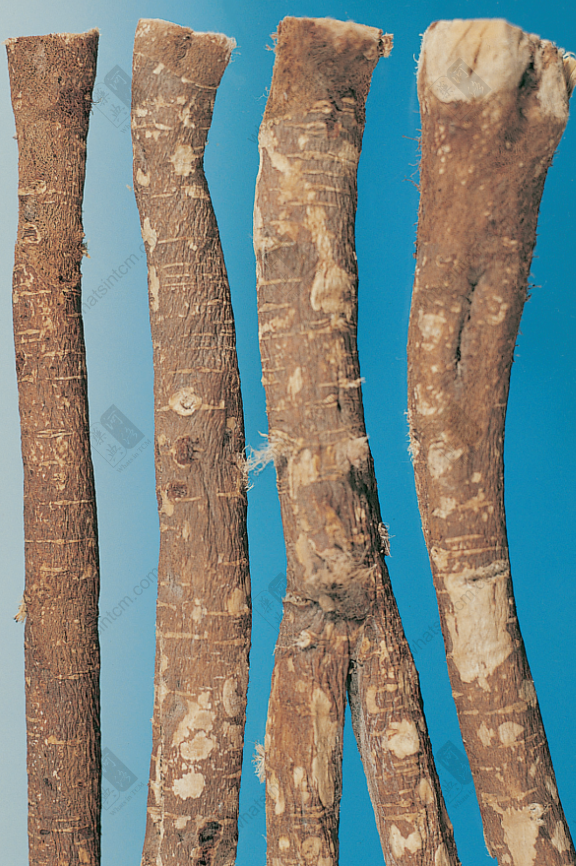 Jin Astragalus (Left 1: Wudu, Right 3: Dangchang)
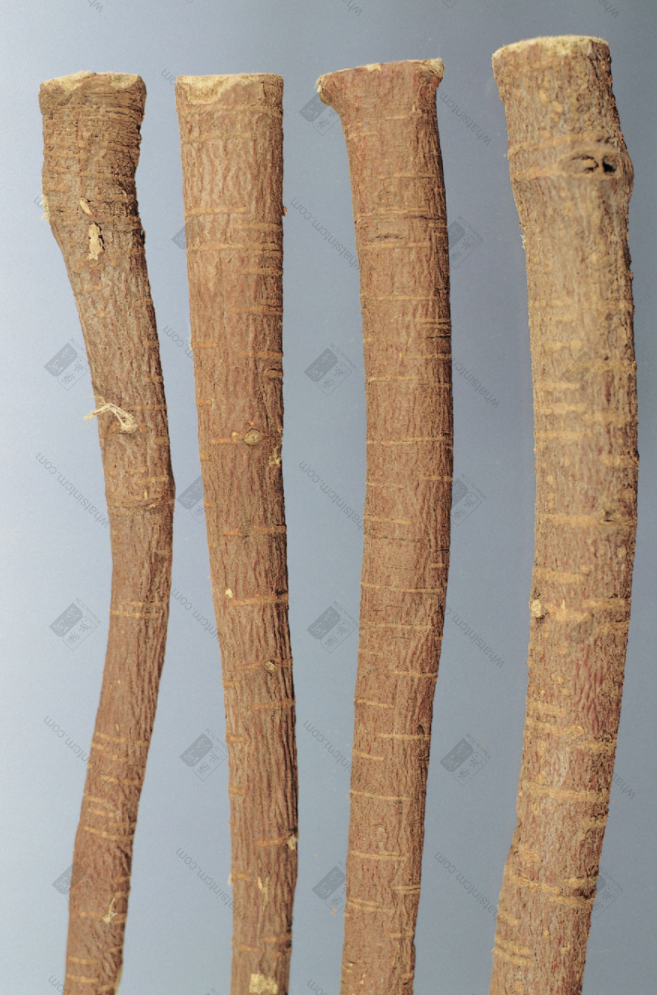 Jin Astragalus
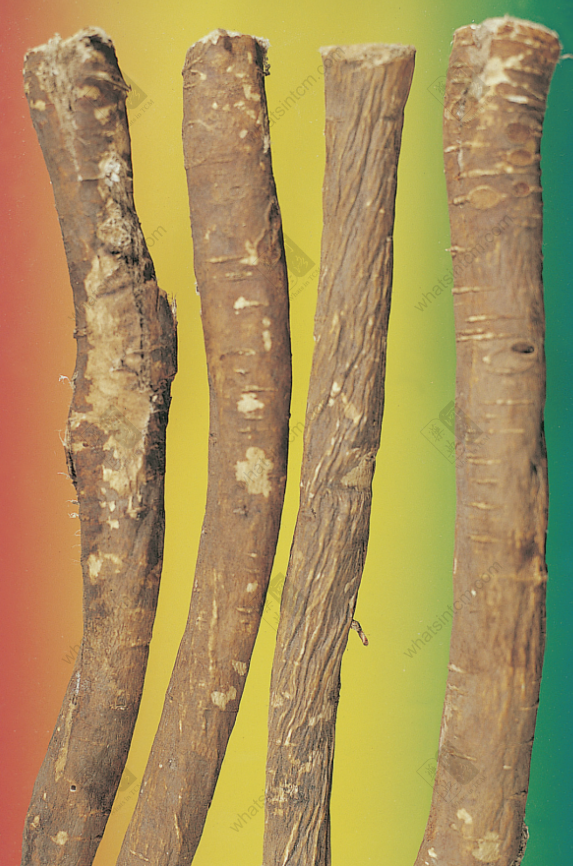 Sichuan Astragalus
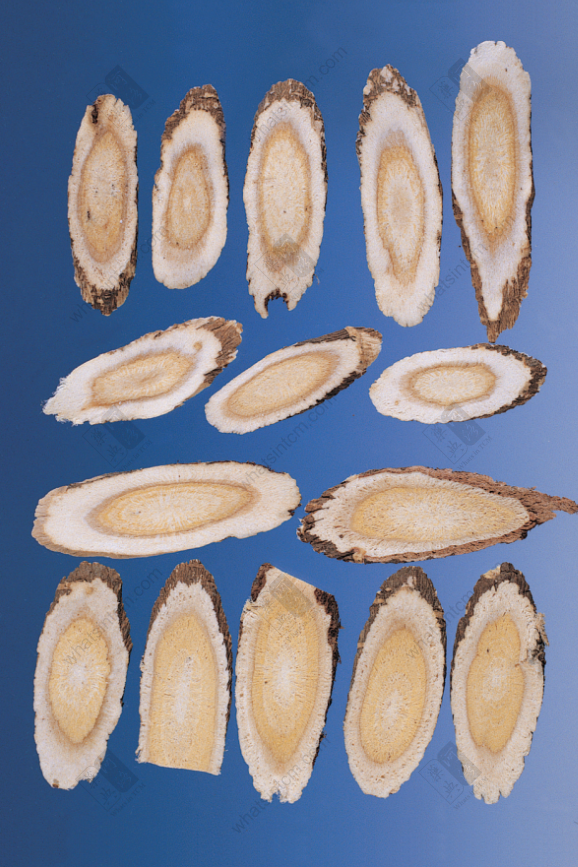 Jin Astragalus Slices (Original cut, not flattened, top 8 wild, bottom 7 cultivated)
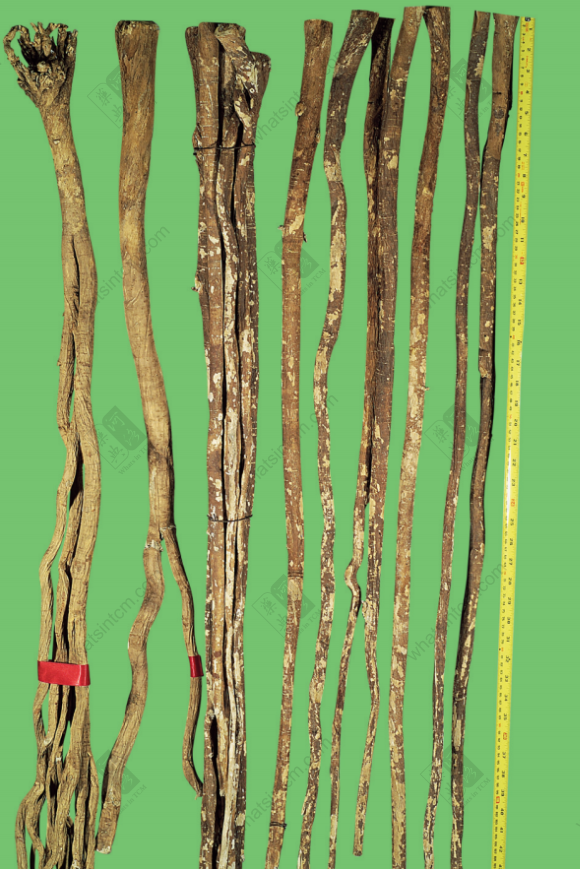 Northern Astragalus (Left 2 strips) Jin Astragalus King (Right 10)
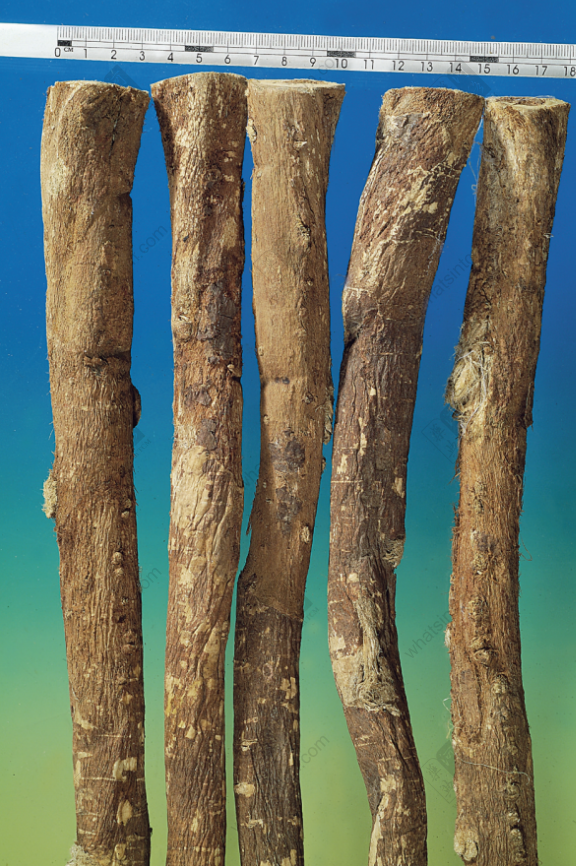 Jin Astragalus King
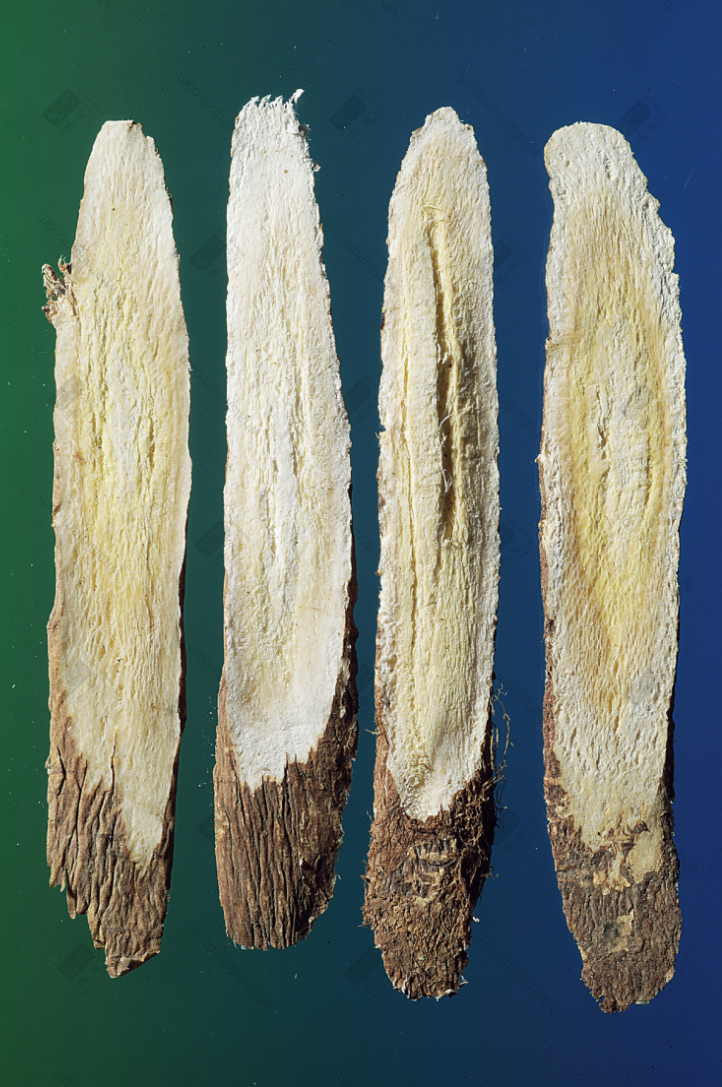 Jin Astragalus Slices Grade 1 (Gold Well Jade Railing) (Flattened slices)
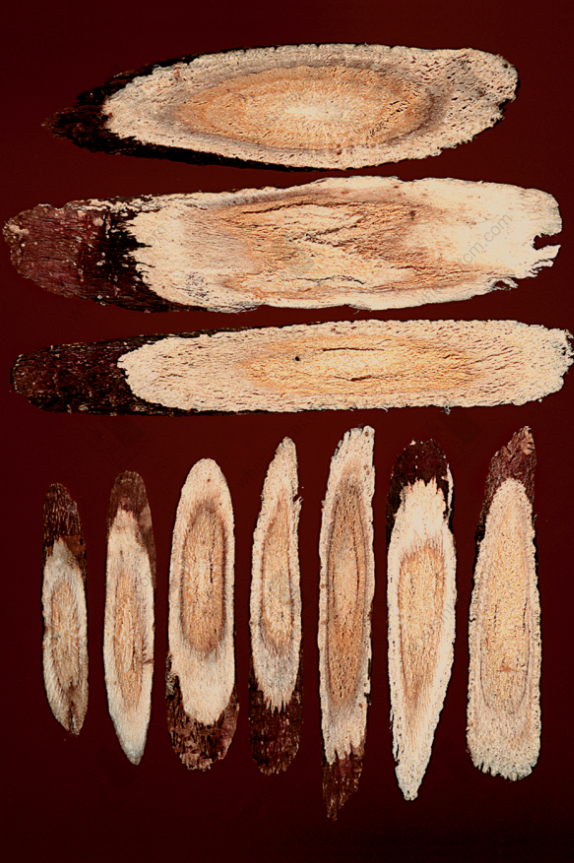 Jin Astragalus Slices (Top Grade 2, Bottom Grade 3)
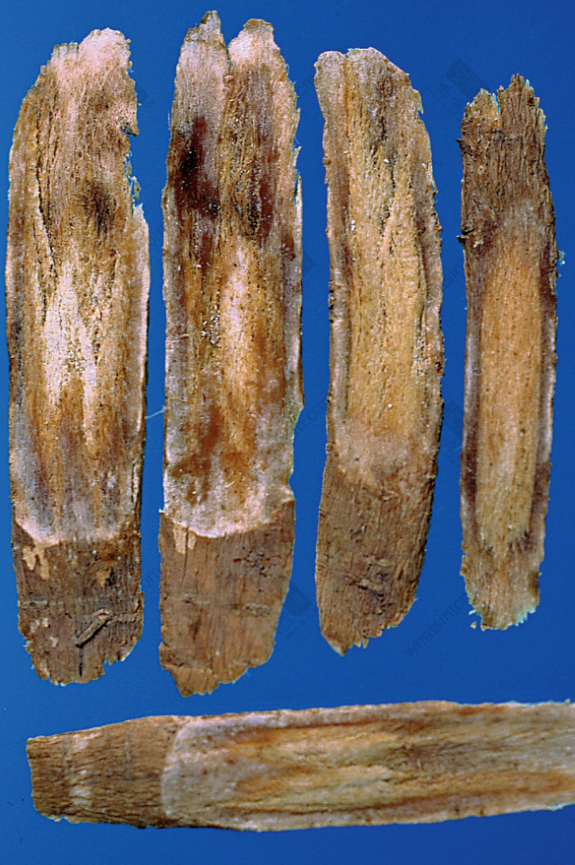 Oily Astragalus Slices
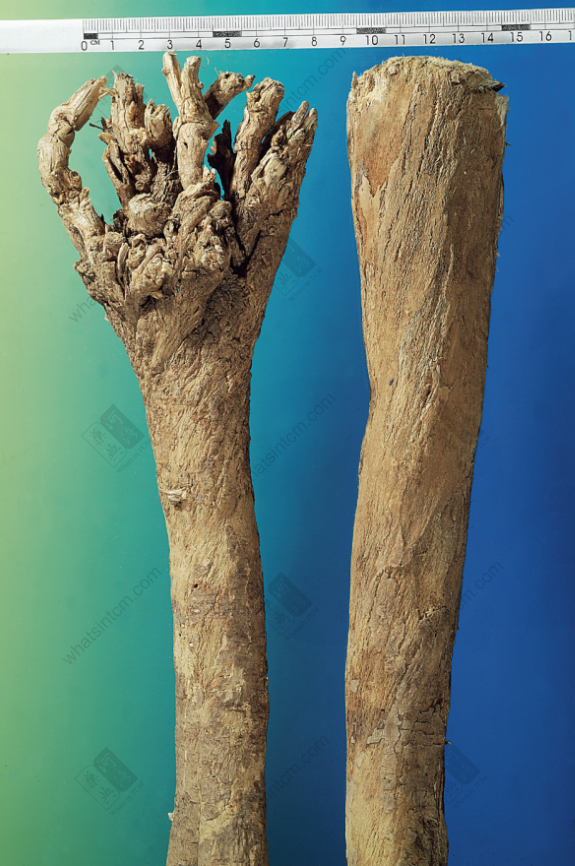 Northern Astragalus King
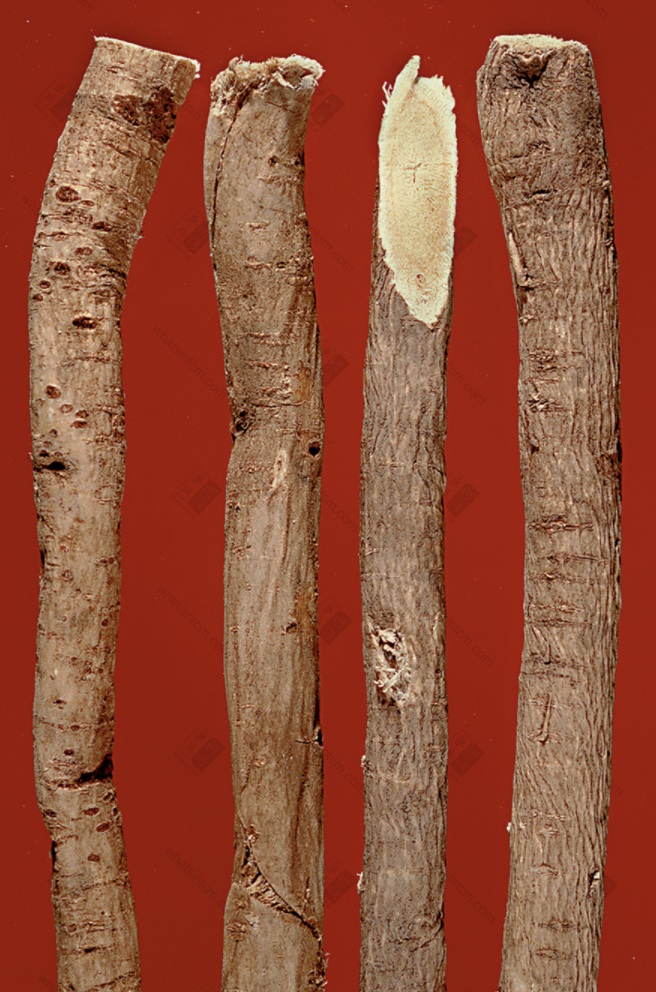 Northern Astragalus (Sandy eyes, cracks, loose skin, tight flesh)
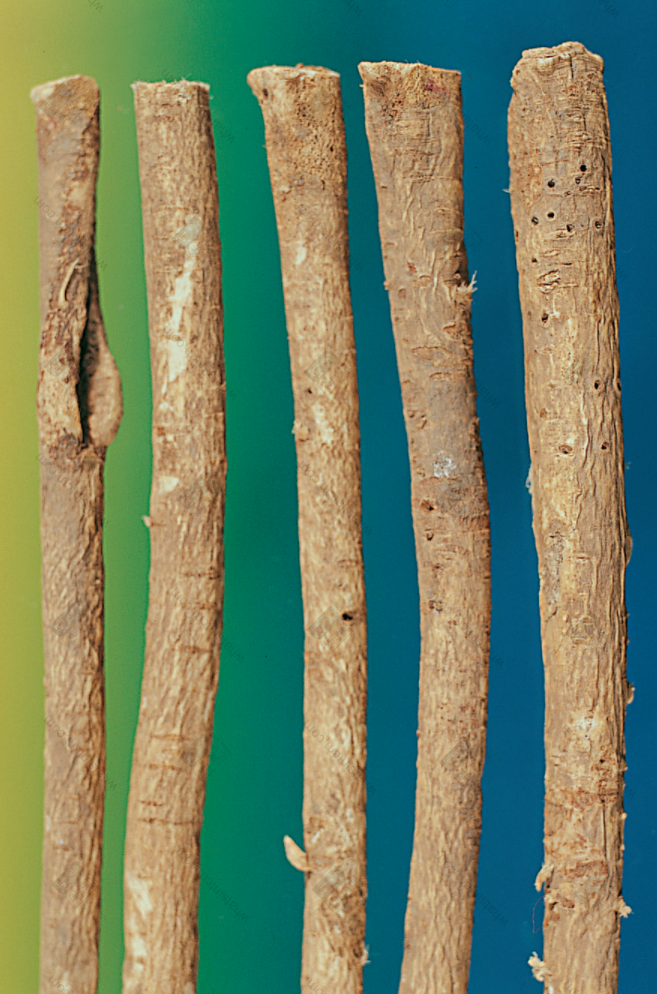 Inner Mongolia Astragalus (Cylindrical, branched, thick at the top, yellowish-brown, clear longitudinal wrinkles, hard, tough fiber)
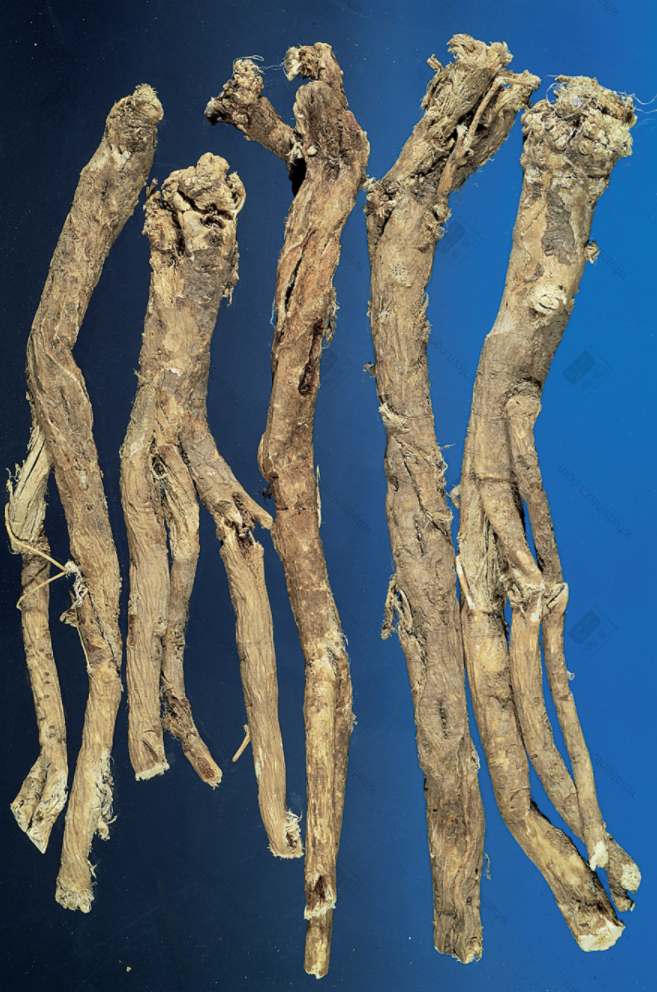 Wild Mongolian Astragalus
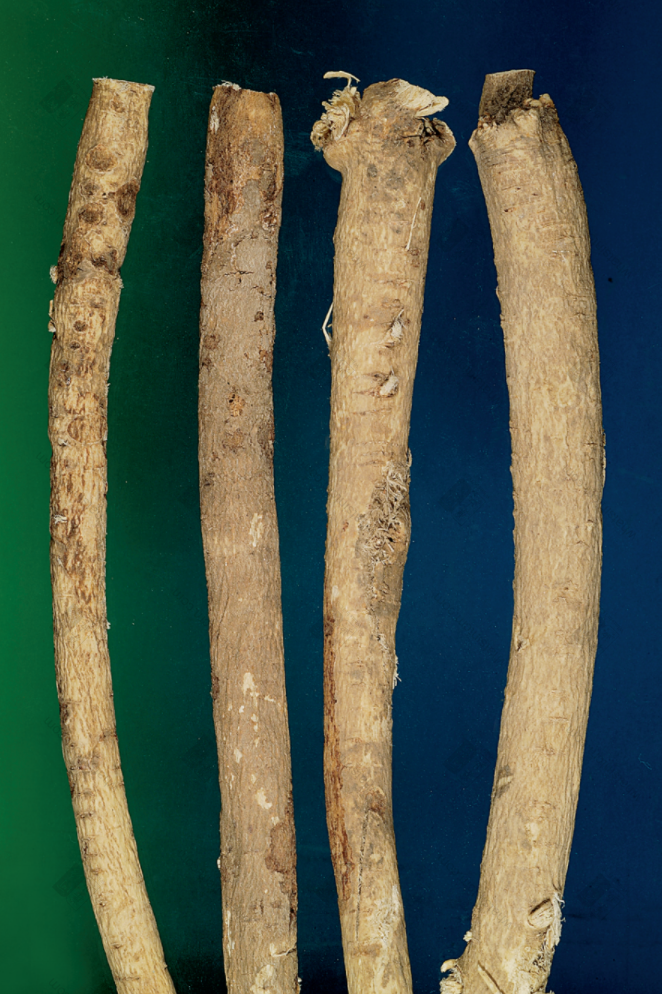 Wild Mongolian Astragalus
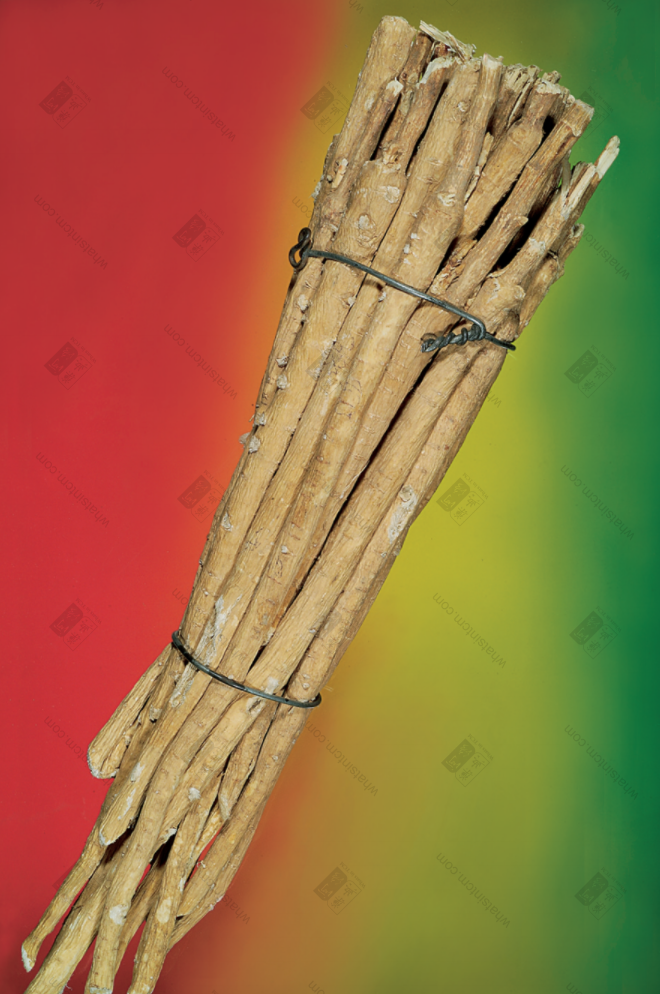 Authentic Northern Astragalus
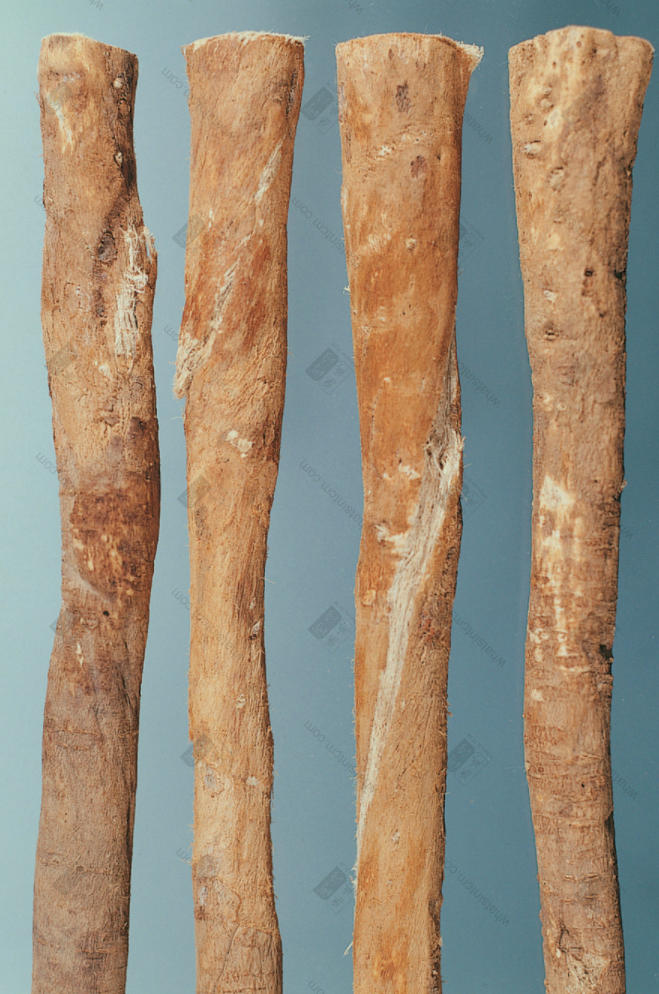 Hunyuan Astragalus from Shanxi
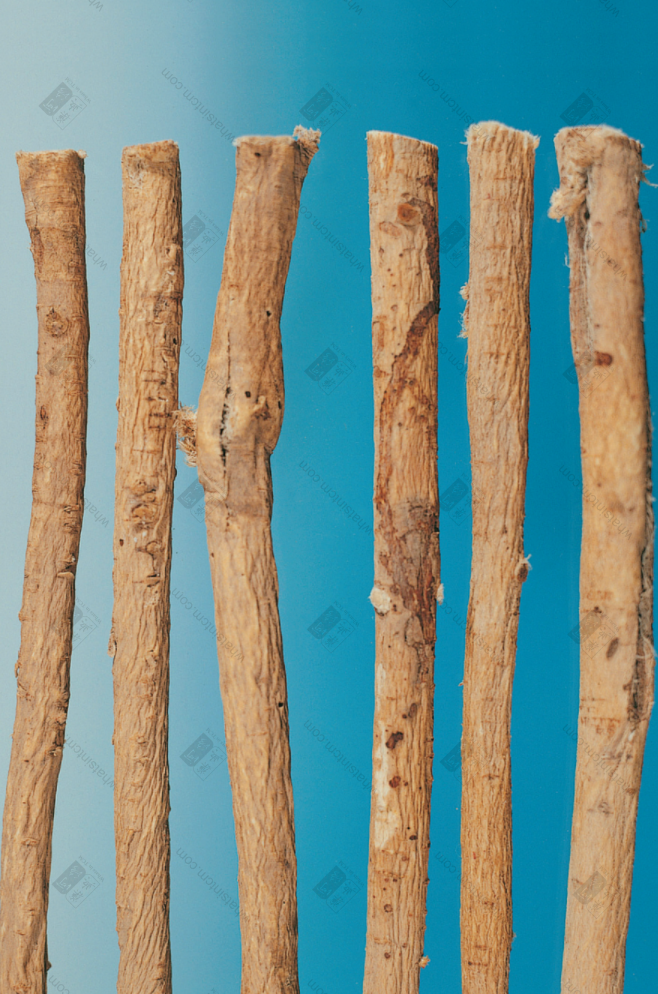 Astragalus (Left 3: Shaanxi, Right 3: Gansu, cultivated)
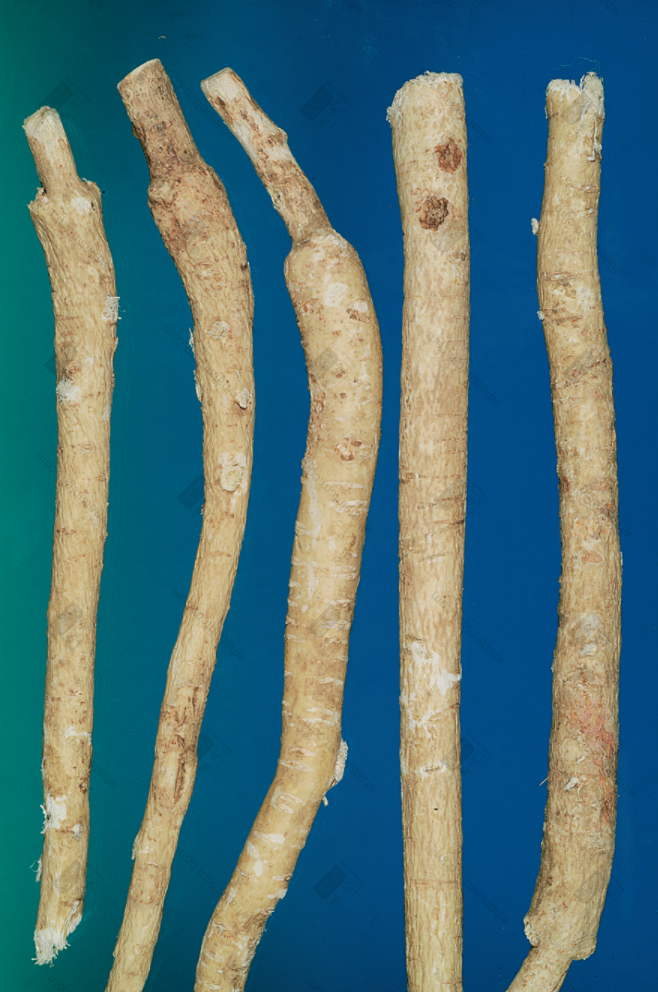 White Skin Astragalus
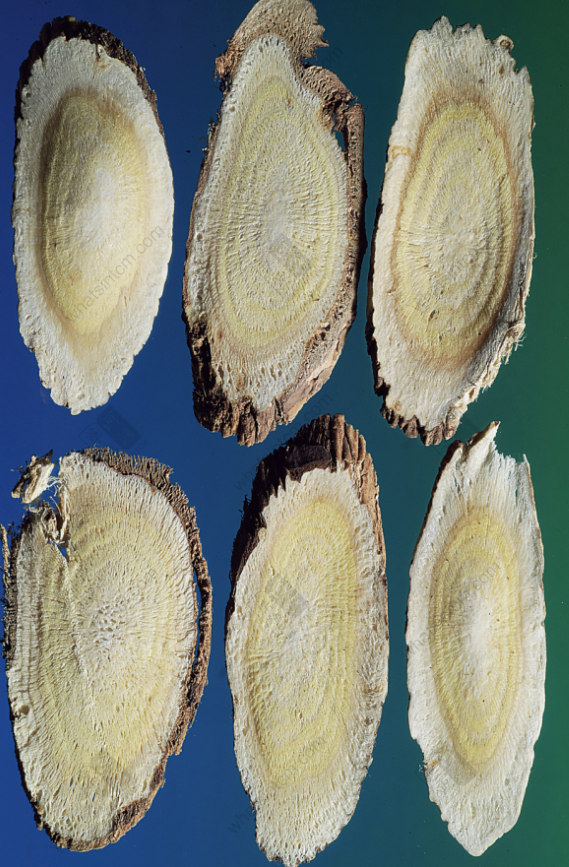 Semi-wild Astragalus from Shanxi (Original slices)
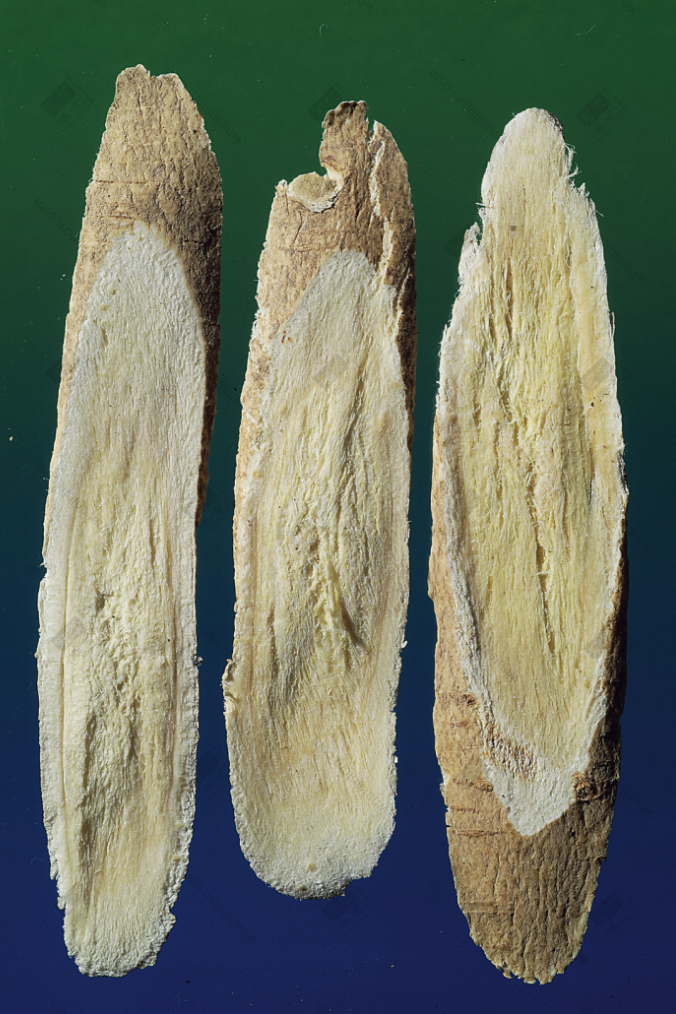 Northern Astragalus Grade 1 (Flattened slices)
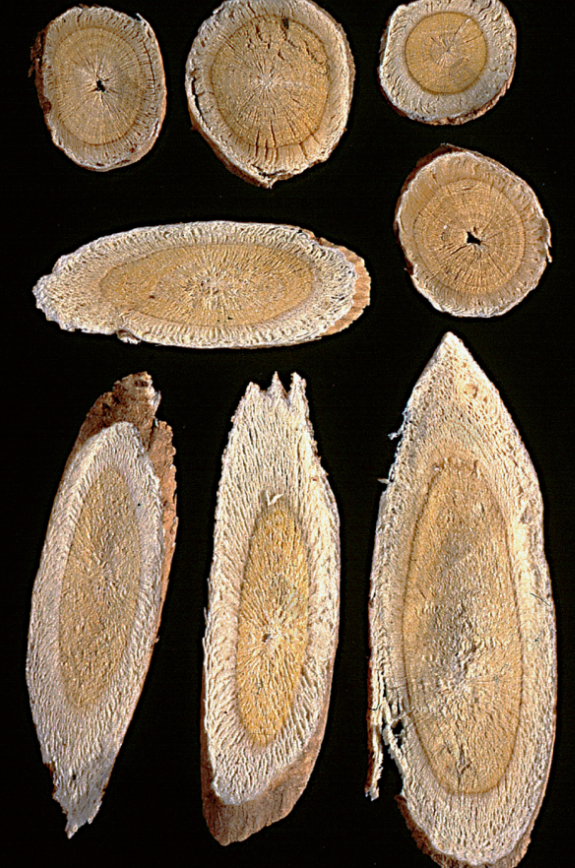 Northern Astragalus Slices (Gold Well Jade Railing)
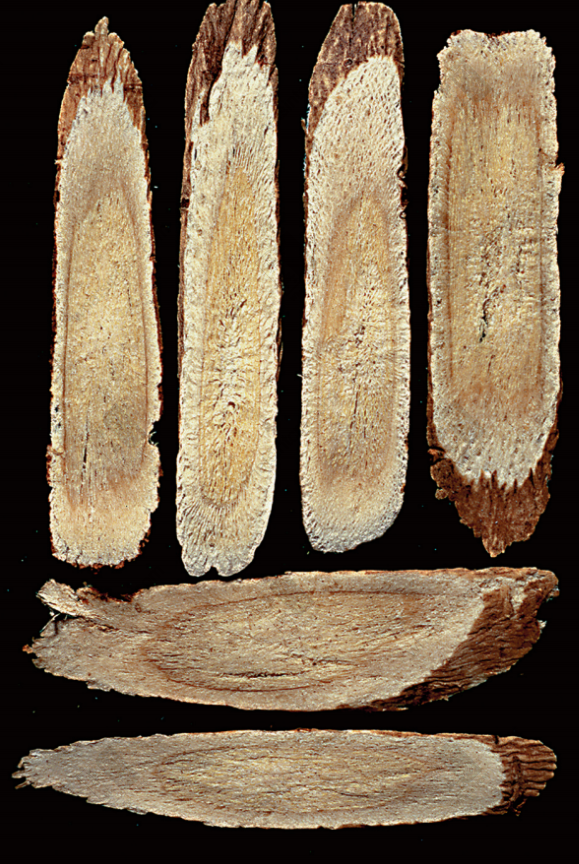 Northern Astragalus (Bean-like smell)
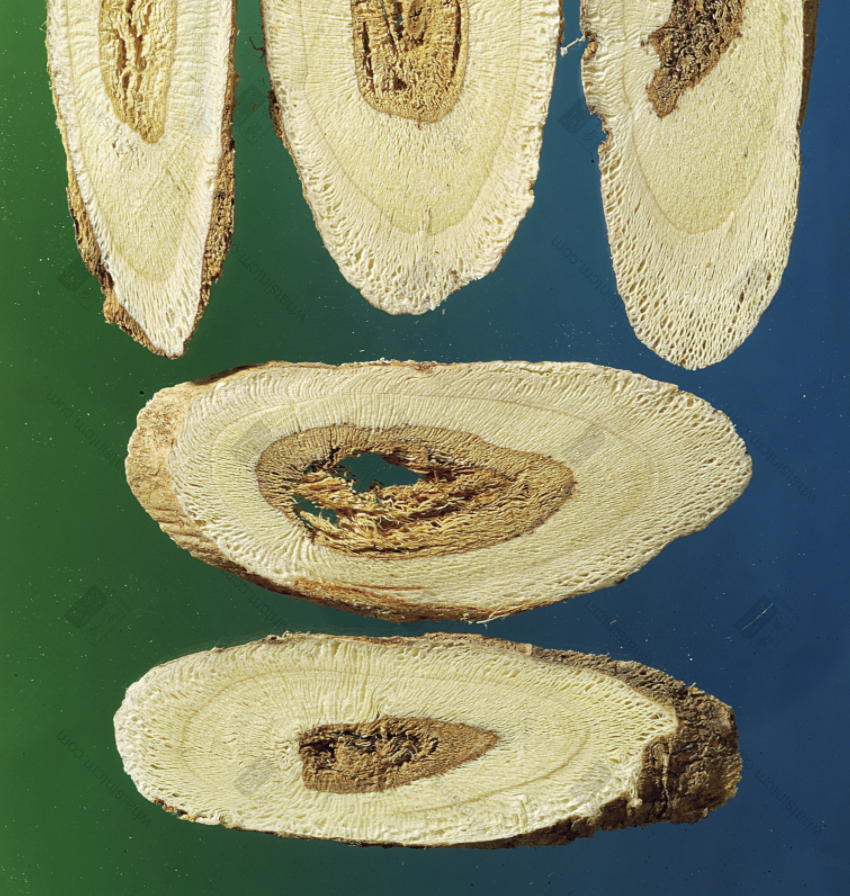 Northern Astragalus (Head slices have holes) (Empty head)
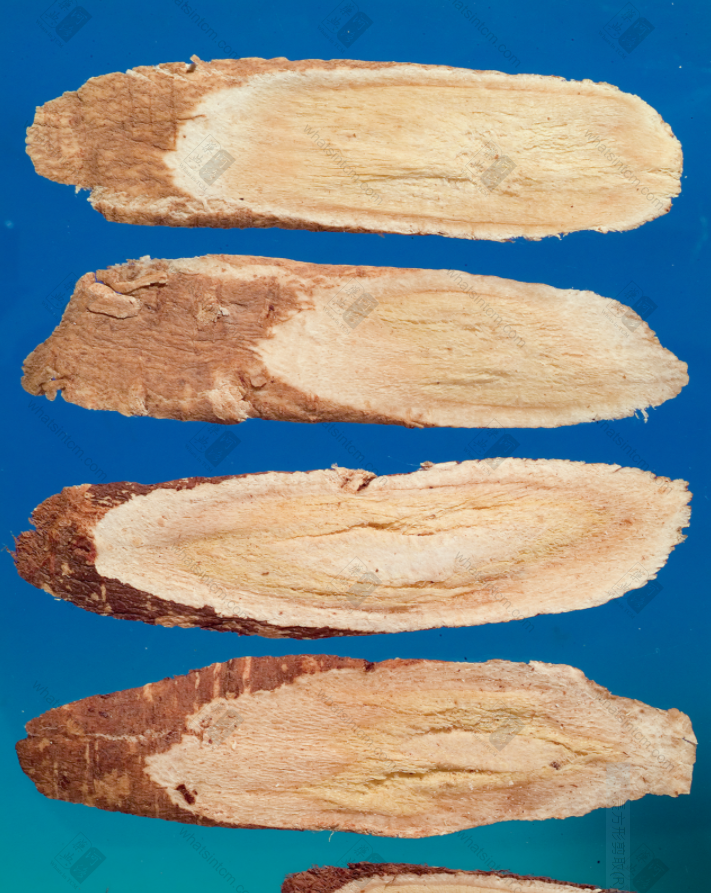 Northern Astragalus 2, Jin Astragalus 4 (Bottom 2 have holes in head slices)
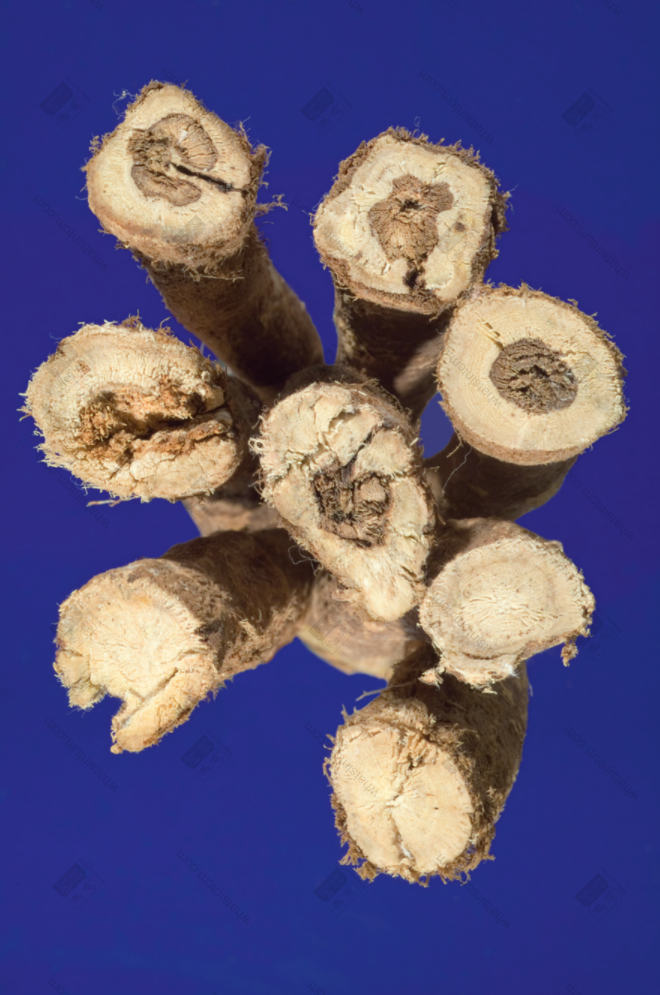 Jin Astragalus Head (With holes)
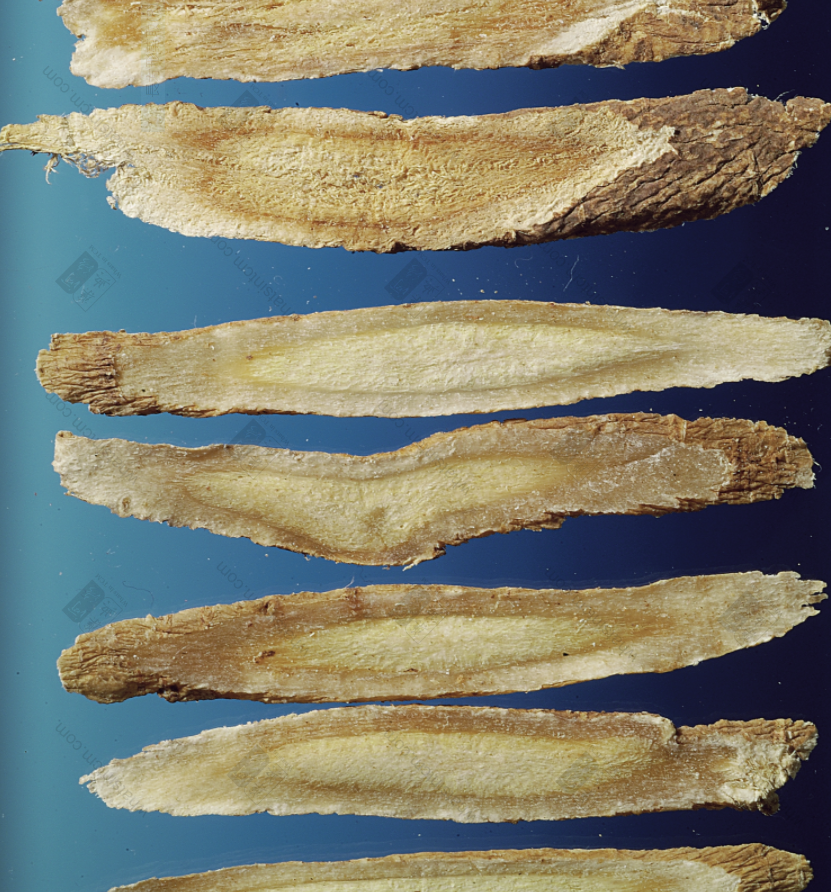 Oily Astragalus (Bottom 5: Oily Astragalus picked out from Jin Astragalus)
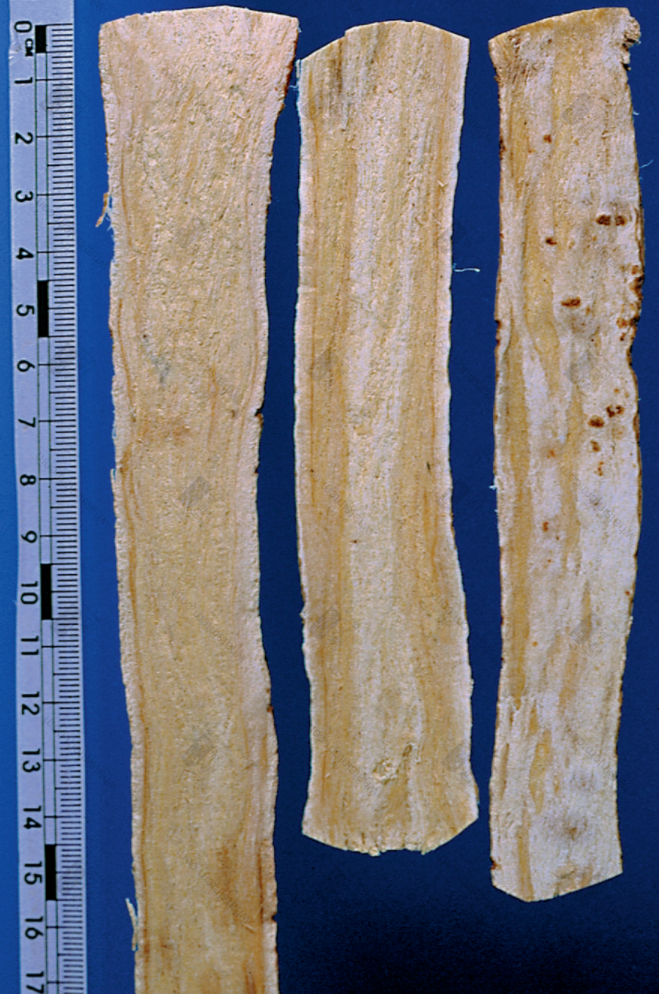 Northern Astragalus Slices
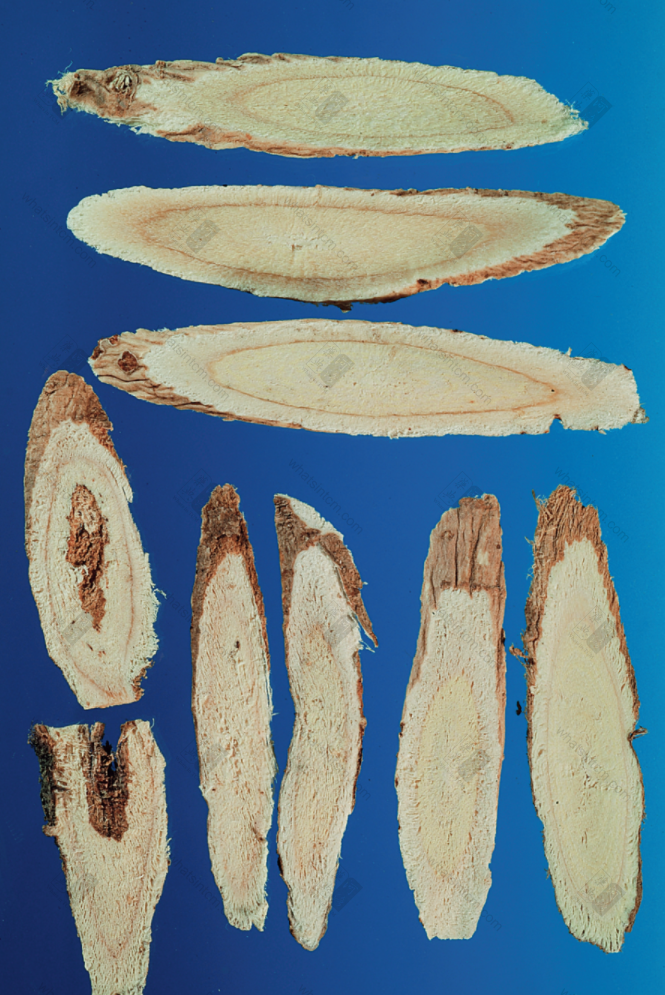 Mongolian Astragalus (Top 3) Northern Astragalus Slices from Shanxi (Bottom 6)
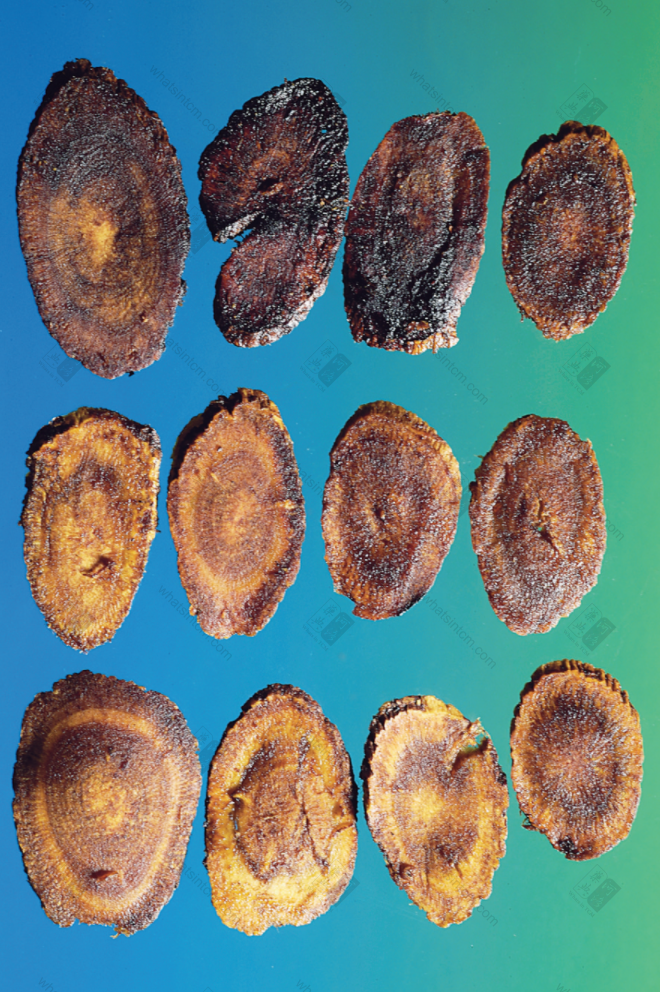 Honey-fried Astragalus
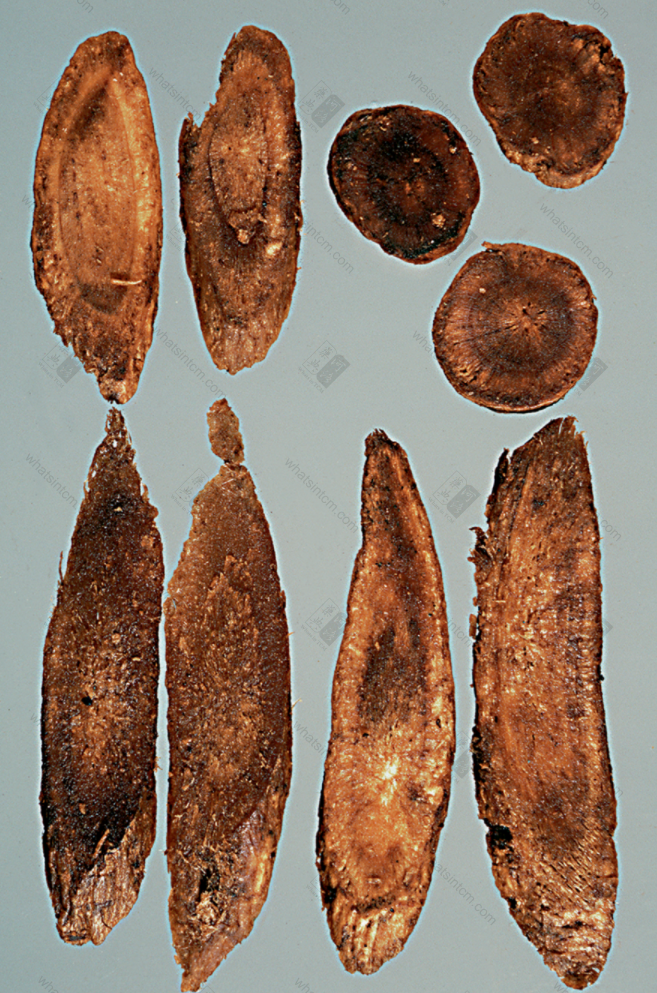 Honey-prepared Astragalus (Guan Gong Astragalus)
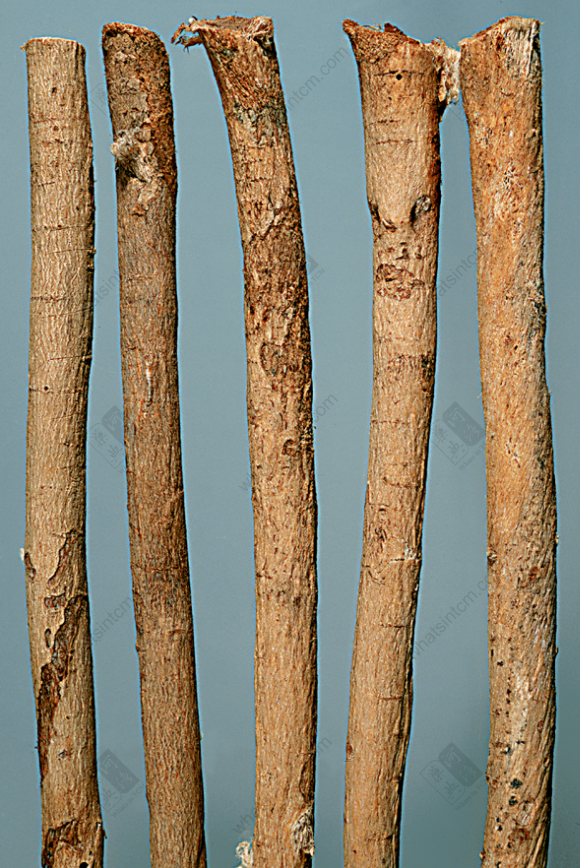 Mian Astragalus (Cottony Astragalus)
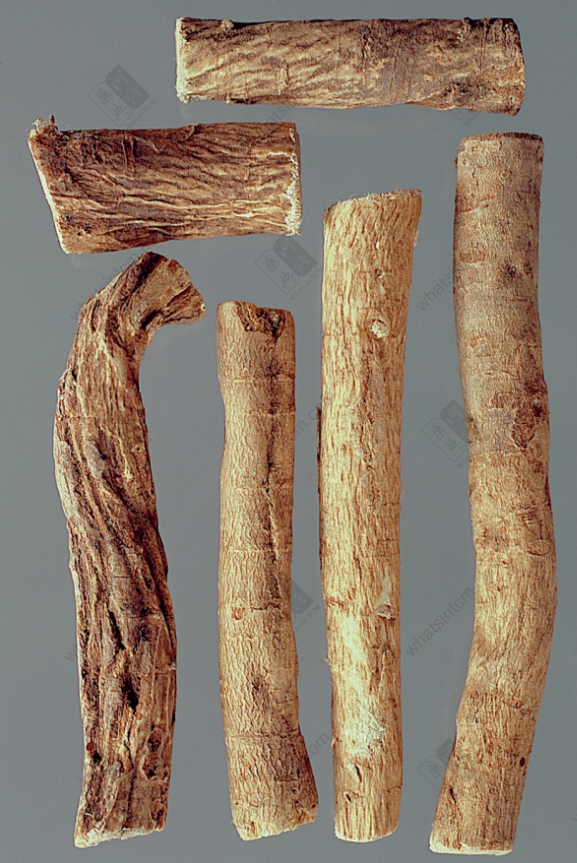 Small Mian Astragalus
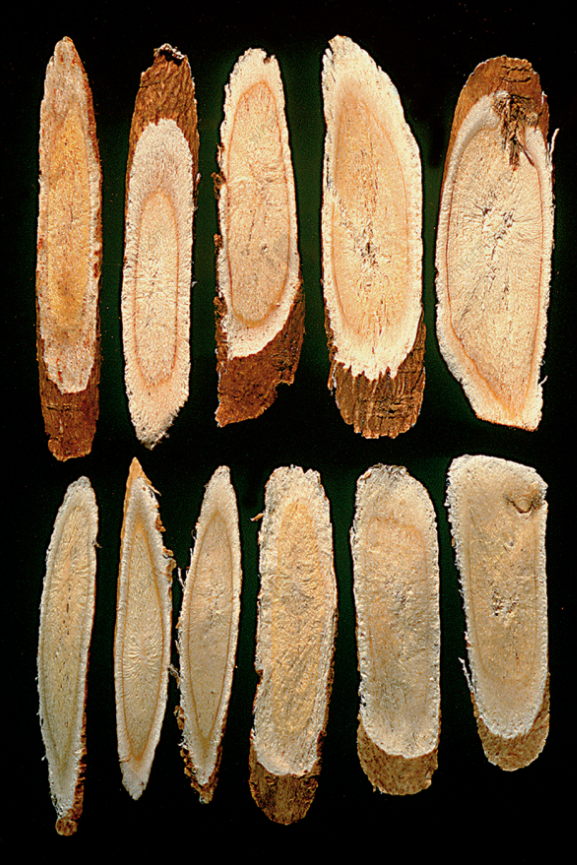 Mian Astragalus Slices (Bottom left 3: small Mian Astragalus)
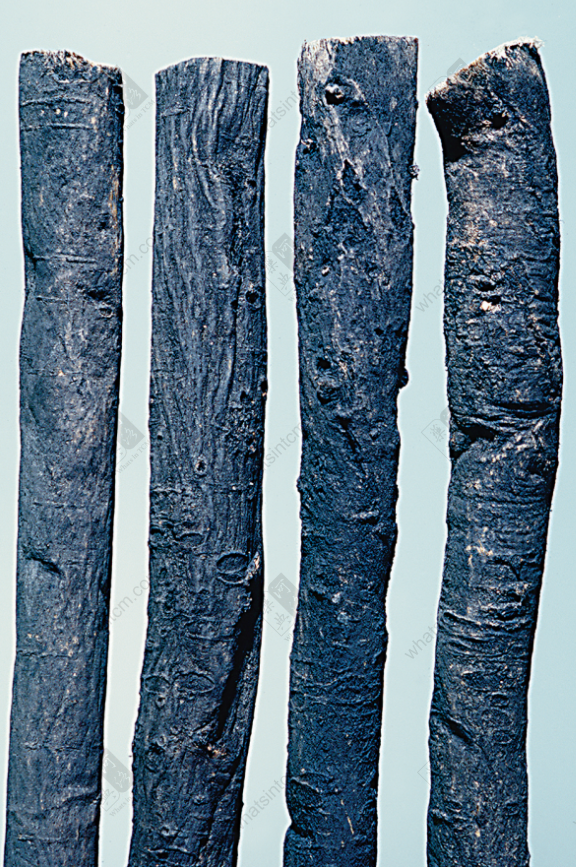 Black Skin Astragalus
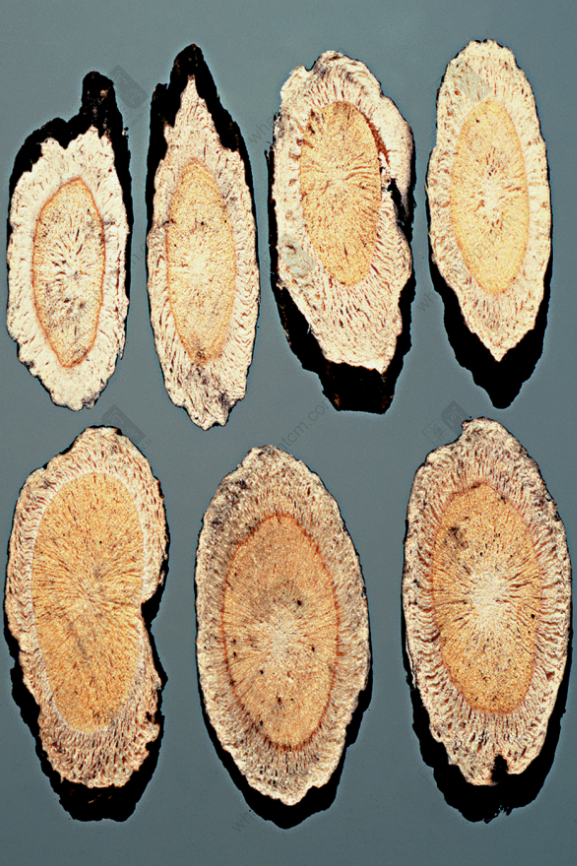 Black Skin Astragalus Slices (Loose skin, tight flesh)
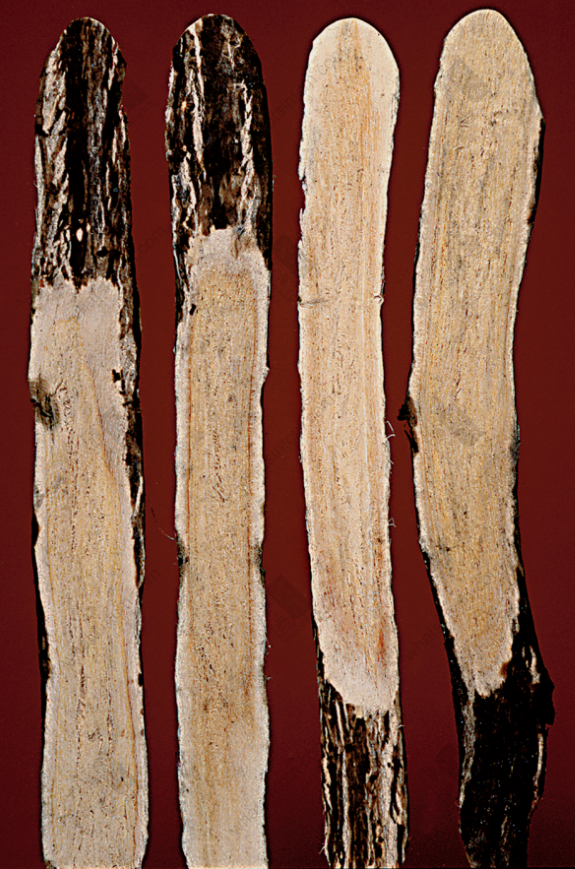 Black Skin Astragalus Slices
【Naming】
【Source】
Superior Grade in Classic of Herbal Medicine
【Botanical Origin】
Root of Astragalus membranaceus Bge., and Astragalus membranaceus (Fish.) Bunge var. mongholicus (Bunge) Hsiao, both in the Leguminosae family. Jin Astragalus is the root of Hydesarum polybotrys Hand.-Mazz. of Leguminosae family.
【Characteristics】
Northern Astragalus (Native Astragalus): Derived from Astragalus membranaceus (Fish.) Bunge var. mongholicus, and sometimes Astragalus membranaceus. The commercial product is cylindrical, slightly curved, about 20~40~60cm long, 0.6~2.5~4cm in diameter, with a few branches at the lower end. The outer surface is grayish-brown, light yellow to earthy yellow. The root head is slightly enlarged with a few branches. Longitudinal wrinkles and transverse lenticels are visible on the root surface. The outer skin of thicker roots easily peels off, revealing a reticulated fiber. The texture is hard and brittle. The cross-section is fibrous with the cortex tightly adhering to the xylem. The texture is firm and resilient. The center of the cross-section is bright yellow, and the outer ring is light yellow, which is the so-called “Gold Well Jade Railing”. It is firm and resilient, with a sweet taste. When sliced, the aroma is strong and slightly fishy, with little residue after chewing.
Guan Astragalus (Black Skin Astragalus, Authentic Astragalus): Derived from Astragalus membranaceus. The root is a long cylindrical shape, single branch, with occasional branches, straight, some slightly twisted. The aerial stems and thin ends have been removed. It is 35-70cm long, 1-2.5cm in diameter. The aerial stem cut is perfectly circular, with a dead hollow in the center, appearing as a dark brown hole, commonly known as “Empty Head.” The depth of the empty head is generally around 5cm, shallower than that of Northern Astragalus. The surface is dark brown or fragrant gray, with irregular fine longitudinal wrinkles and sparse rootlet scars. The texture is firm, heavier than other types of Astragalus, and not easily broken. The cross-section is fibrous and slightly powdery. The cortex is slightly loose, white or light yellowish-white. The xylem is more compact, bright yellow or light yellow in color, with a distinct Chrysanthemum heart, commonly known as “Loose Skin, Tight Flesh.” It has a fragrant smell, sweet taste, and little or no residue after chewing.
Jin Astragalus (Red Astragalus): Derived from Hydesarum polybotrys. The root is cylindrical, single branch, straight, thick at the top and thin at the bottom, with few branches. It is 30-50cm long, 0.6-2cm in diameter. The outer skin is reddish-brown to brownish-red, grayish reddish-brown, with walnut-like texture. The bark is finely wrinkled and solid, and the cork layer is easily peeled off. Near the root head, the cork layer often peels off, revealing a dark brownish-yellow reticulated pattern. The texture is firm and flexible, not easily broken. The cut surface of the cortex is whitish, about 1/3-1/2 of the radius. The texture is hard, dense, and slightly tough. The xylem is light yellowish-white to brownish-yellow in color, and the flesh is powdery white. The cambium layer is distinct, appearing as a light brown ring. It is rich in powder, with especially abundant powder. It has a slight aroma and a sweet taste with a fishy smell after chewing.
The appearance of prepared slices is grayish-yellow or light brownish-yellow. The cambium layer is distinct on the cut surface, mostly with fissures. The outer layer of the cross-section is yellowish-white, relatively loose, with a bright yellow Chrysanthemum heart (Gold Well Jade Railing) in the center. Northern Astragalus has a bean-like smell when chewed, and Jin Astragalus has a sweet taste. Honey-fried Astragalus: After honey-frying, it appears old yellow in color and has a scorched aroma.
【Processing】
1. Raw Astragalus 2. Honey-fried Astragalus
【Identification】
《Classified Materia Medica》: “Astragalus is best from Mianshang.” 《Essential of Materia Medica》: “The one with roots that break like cotton is good.” 《Compendium of Materia Medica》: “The roots are two or three feet long, and the ones that are firm like arrow shafts are good.” 《Essentials of Materia Medica》: “The one with yellow skin, white flesh, and firm texture is good.” 《Collection of Experienced Prescriptions》: “Astragalus should be straight like arrow shafts, soft like cotton, with white flesh, yellow center, and sweet taste.” 《Identification of Good and Bad》: “The one with a yellowish-white appearance, sweet taste, and fragrant aroma is called Mian Astragalus, which is the highest grade. The one with a light internal color and very dense texture is also a good product.”
The best quality is one that is dry, with a single branch without forks, thick and long strips with few wrinkles on the skin, firm and tough texture, not easily broken, white cortex in the cross-section, bright yellow xylem, sufficient powder, clear “Gold Well Jade Railing, Gold Cup Silver Plate”, large non-fibrousness, sweet taste, without black heart or hollow fissures. For Northern Astragalus, the stronger the bean-like smell, the better.
【Identification Terms】
1. Loose Skin, Tight Flesh: Refers to the cortex being loose and the xylem being firm in the cross-section of certain root medicinal materials. Such as Astragalus, Codonopsis.
2. Gold Well Jade Railing: The center of the cross-section is bright yellow, and the outer ring is white or light yellow, which is the so-called “Gold Well Jade Railing.”
3. Empty Head: The aerial stem cut of Guan Astragalus is perfectly circular, with a dead hollow in the center, appearing as a dark brown hole, commonly known as “Empty Head.”
4. Sandy Eyes: The surface of root medicinal materials has scattered pitted small holes, called “Sandy Eyes,” such as the surface of Astragalus, etc.
5. Kulun Astragalus: Also known as “Authentic Astragalus.” It refers to Astragalus produced in Mongolia, which is traditionally considered to be of the best quality.
6. Cracks: Generally refers to the cracked part formed on the cross-section after the medicinal material is dried. Such as Astragalus, South Glehnia, etc.
7. Mian Astragalus: Also known as “Cottony Astragalus.” It refers to a genuine Astragalus produced in Mianshang, Shanxi (i.e., the area from Qinyuan to Qin County), also named for its softness like cotton. Because its roots are relatively long and shaped like arrow shafts, it is also known as “Arrow Astragalus.”
8. Whip Shaft Astragalus: Refers to Astragalus produced in Northeast China, named for its thick top and thin bottom, resembling a whip shaft.
9. Guan Gong Jin: The degree of honey-frying Astragalus should not be too dark, maintaining a honey-red color, not charred black.
【Category】
Roots
Related Products

