

King of the Nine Immortal Herbs: A Post-Pandemic Yin Nourisher
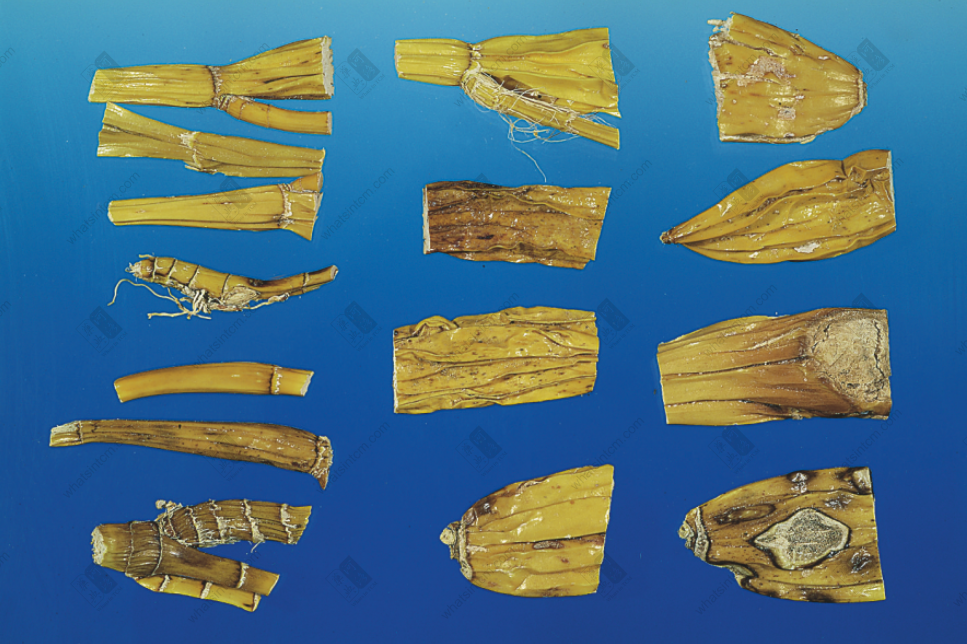
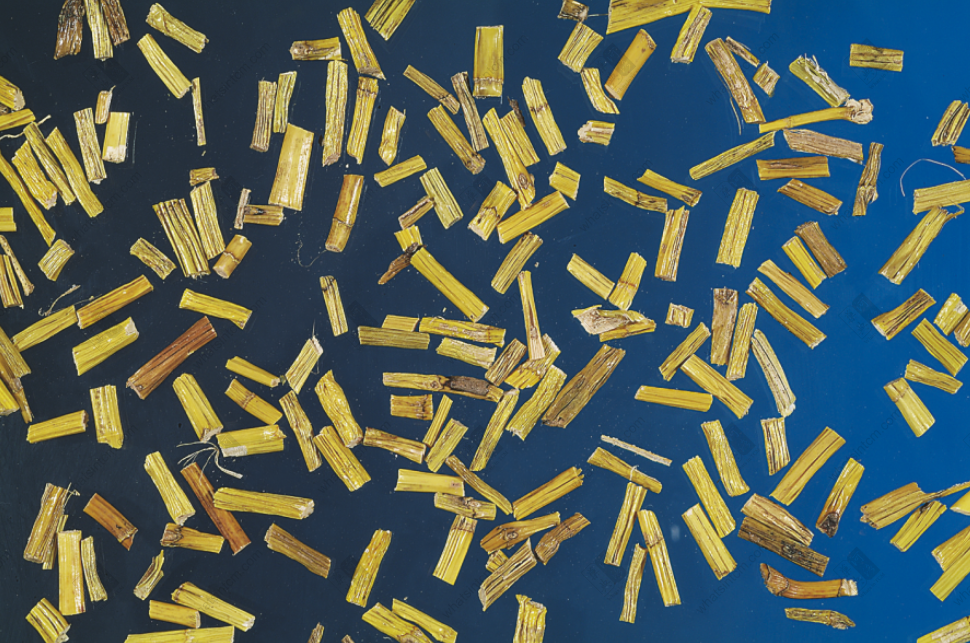
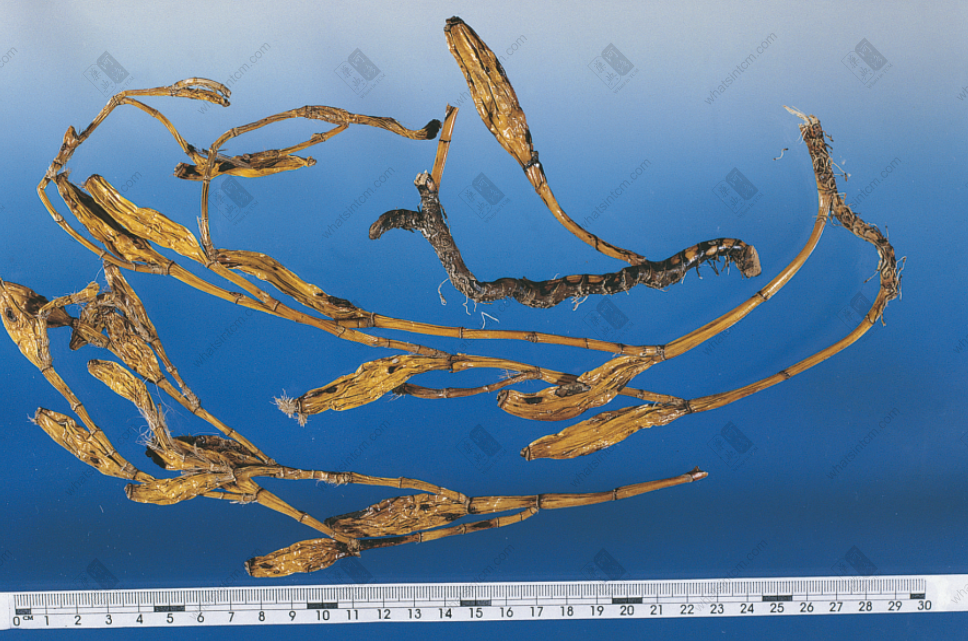 Dendrobium: Flattened cylindrical, golden yellow, smooth and firm with fine longitudinal striations, fleshy and brittle, with a yellowish-white fibrous fracture surface.
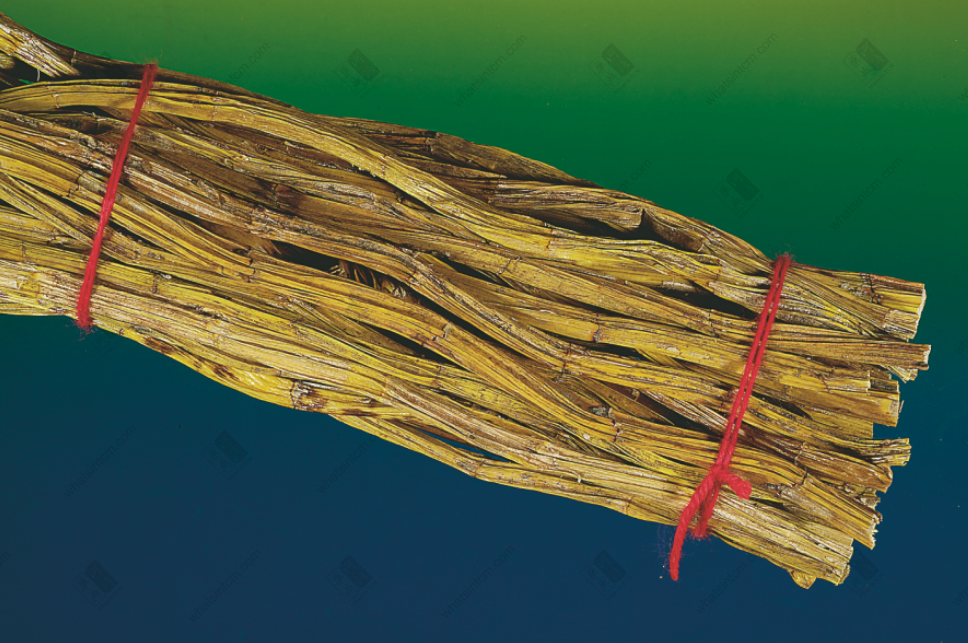 Yellow grass dendrobium: Wild from Anhui.
Wood dendrobium
 Fringed golden dendrobium
 Ring-leaf dendrobium
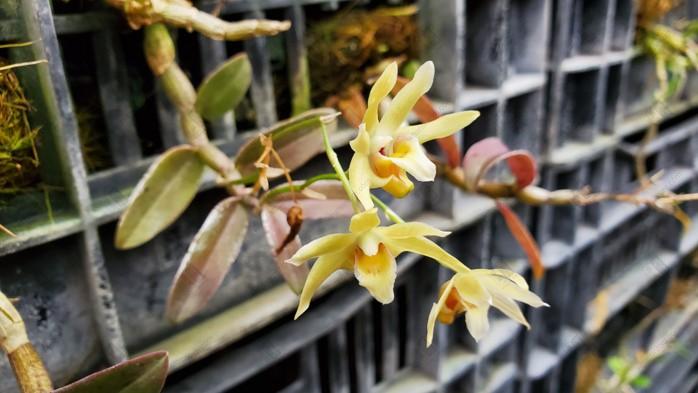
Red-stemmed dendrobium
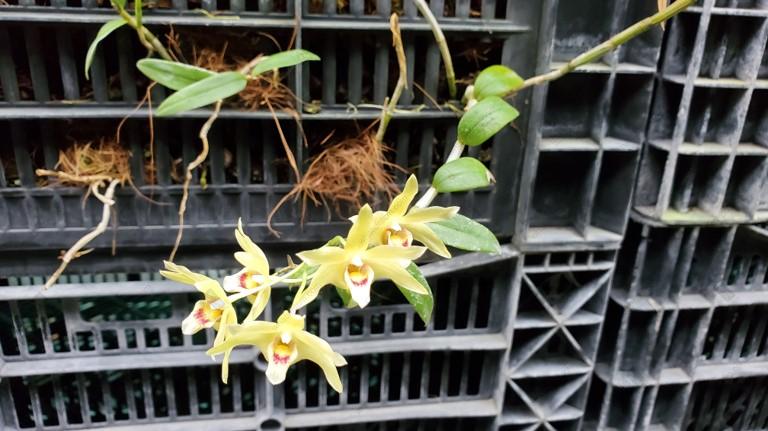
Green-stemmed dendrobium
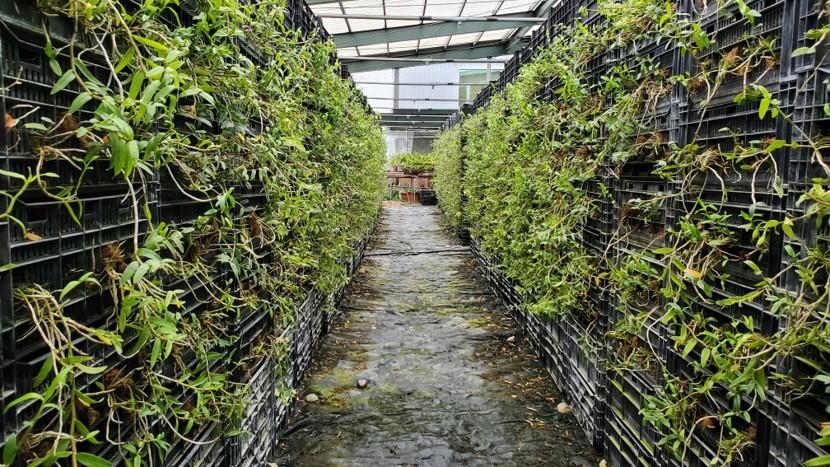 Taiwanese dendrobium cultivated in a greenhouse
“Grasshopper legs with many joints, a bee’s honeycomb with fragrance. Moss marks divide the curves, orchid sprouts gather in a beautiful array. The pharmacopoeia knows it exists, its poetic title remains to be experienced. The wind rustles in the pot in the evening, brushing away a cool breeze.”
《Dendrobium》 —— (Song Dynasty) Hong Zikui
This is a poem by a Song Dynasty poet praising dendrobium. We often hear: “Ginseng in the north, Fengdou in the south.” Fengdou refers to dendrobium officinale. The Taoist classic “Daozang” from the Tang Dynasty recorded: “Dendrobium officinale, Tianshan Snow Lotus, two or three taels of ginseng, 120-year-old He Shou Wu, a sixty-year-old Fuling clump (Poria cocos), deep mountain lingzhi, undersea pearl, and Cordyceps sinensis” as the “Nine Great Immortal Herbs of China,” with dendrobium officinale being revered as the foremost among them. It is associated with legends of imperial palaces and nobility, including Emperor Qianlong’s longevity secret, Empress Wu Zetian’s secret to eternal youth, and the legend of Qin Shi Huang’s elixir of immortality, demonstrating its high regard throughout history.
According to the Fourth Edition of the Taiwanese Pharmacopoeia, Dendrobium (https://reurl.cc/zZ5LpV) refers to the fresh or dried stems of orchid species such as Dendrobium nobile Lindl., Dendrobium loddigesii Rolfe, Dendrobium chrysanthum Wall. ex Lindl., Dendrobium fimbriatum Hook., Dendrobium officinale Kimura & Migo, Dendrobium chrysotoxum Lindl., or Dendrobium tosaense Makino. Dendrobium officinale is further divided into “green-stemmed dendrobium” and “red-stemmed dendrobium” based on the color of its stem and leaves. It has a sweet and mild nature, beneficial for nourishing the stomach, generating fluids, and clearing heat from yin deficiency. Generally, fresh dendrobium has a stronger effect in clearing heat, while dried dendrobium is more effective in nourishing yin. The “Shen Nong Ben Cao Jing” from the Wei, Jin, Southern and Northern Dynasties recorded it as “Lin Lan” and classified it as a superior herb. The “Ming Yi Bie Lu” recorded it as: “Also known as Jin Sheng, Du Lan, and Shi Sui.” Dendrobium is distributed in the Yangtze River basin and provinces to the south, primarily produced in Guangdong, Guangxi, and Zhejiang. Huoshan dendrobium is mainly produced in the Huoshan county area of Anhui, while ring-leaf dendrobium and yellow grass dendrobium are mainly produced in Guangdong, Guangxi, Yunnan, and Guizhou. Taiwan, with its advanced orchid cultivation technology, also has significant cultivation, with greenhouse cultivation in areas like Taichung and Nantou in central Taiwan. Well-known pharmaceutical companies also utilize Taiwanese betel nut trees for cultivation, achieving excellent results and providing Taiwan with opportunities to use fresh dendrobium. Japan also has dendrobium, with flowers in yellow, white, and pink hues. Research shows that its health-preserving components are also very rich. The harvesting season varies depending on the latitude of its cultivation environment. For fresh use, roots and soil are removed. For dried use, impurities are removed, then lightly blanched or softened with boiling water, and then rubbed and sun-dried until the leaf sheaths are clean before further drying. Harvesting typically follows the rule of “remove one, preserve two,” meaning it is harvested the year after flowering for optimal quality. Fresh dendrobium medicinal material is considered best when it is greenish or blackish-green on the outside, with plump and juicy stems that are sticky when chewed. Dried dendrobium medicinal material is considered best when it is golden yellow and lustrous on the outside, with a flexible texture, and when it is brightly colored, plump, and sticky when chewed.
Additionally, there are specialized terms used in selecting dendrobium. Medicinal material that leaves no residue when chewed is called “huazha” (dissolves in the mouth). Dendrobium officinale, after trimming some of its fibrous roots, is then stir-fried and twisted into a spiral or spring shape before being dried, and is called “Tiepi Fengdou” or “earring dendrobium.” High-grade Huoshan Mi-hu can fetch hundreds of thousands of yuan per jin, making it the most precious. Because dendrobium medicinal material is relatively expensive, there are some imitations on the market. The most common is the fringed golden dendrobium, which can be identified by its pseudobulbs being golden yellow and swollen into a flattened spindle shape. Therefore, when encountering thicker slices, they should be carefully examined. If they are the same as other slices, they are correct. However, if the outer skin is smooth or has only shallow longitudinal striations, it may be a mixed product of the golden dendrobium family. Furthermore, some dyed fringed dendrobium with added weight powder has been found, with obvious powdery yellow foreign matter adhering to the surface, and the dark yellow cut surface also shows adherence of yellow or white powder. These are typically heavier and harder in texture, with a cool and tongue-prickling sensation when tasted.
Due to the difficulty in cultivation and harvesting, and the labor involved, dendrobium is priced at a higher level. Therefore, consumers should purchase from reputable vendors. Taiwanese authorities also have standards for heavy metal and sulfur dioxide testing of Chinese medicinal dendrobium, so consumers can use it with confidence.
【Image Provider】Professor Zhang Xianzhe, “Illustrated Guide to Authentic Medicinal Materials” https://whatsintcm.com