

During the Start of Winter, the Commonly Used Traditional Chinese Medicine for Nourishment, Dang Shen and Ren Shen, are Different
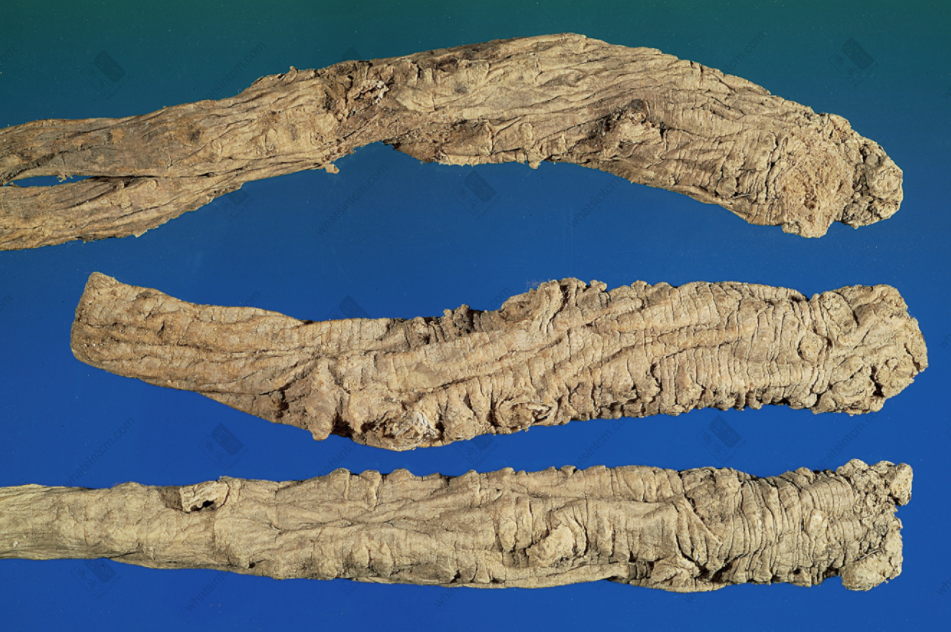
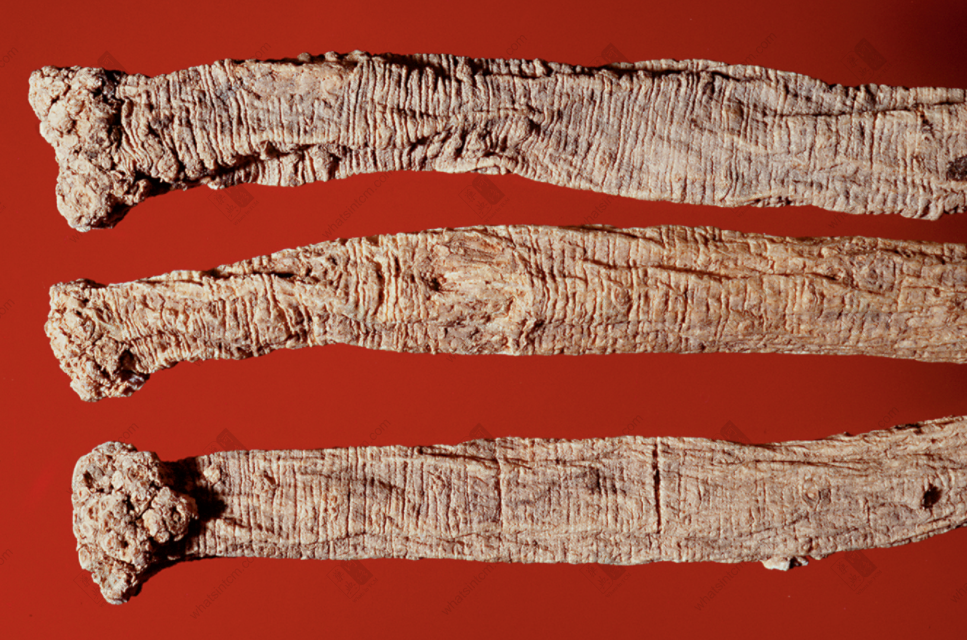 Specially Graded Textured Dang Shen: Long cylindrical and slightly curved, ash-brown, with longitudinal wrinkles and lenticels.
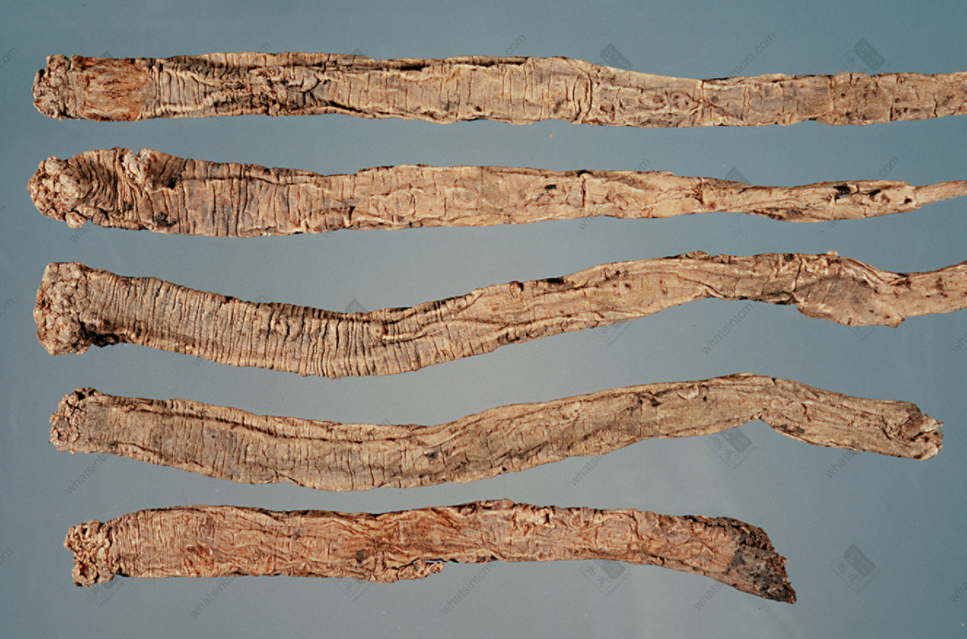 Textured Dang Shen: Annular wrinkles, earthworm head.
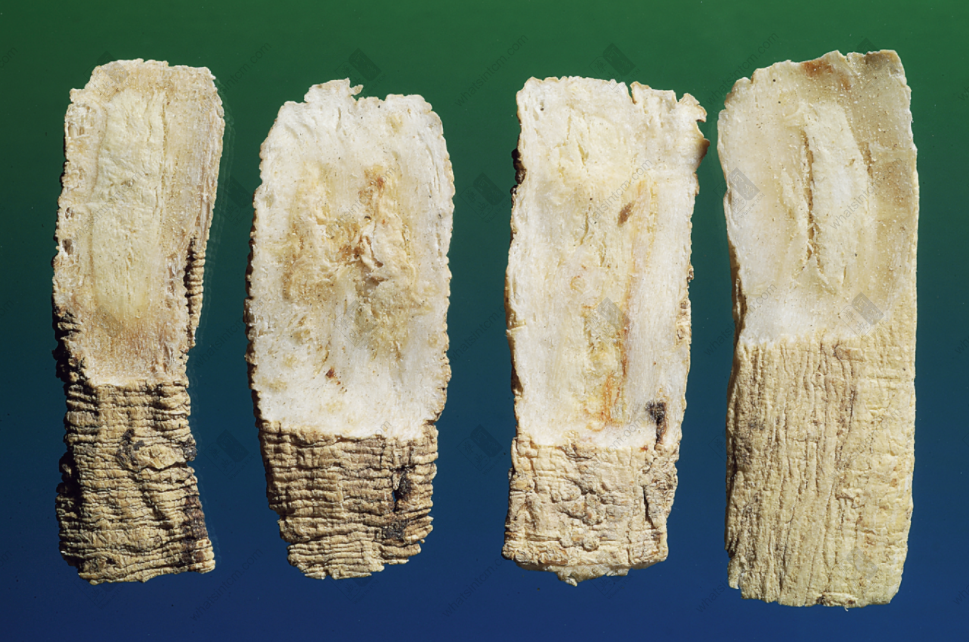 Specially Graded Textured Dang Shen from Gansu: Loose skin and tight flesh, with oil spots, fragrant odor, and sweet taste.
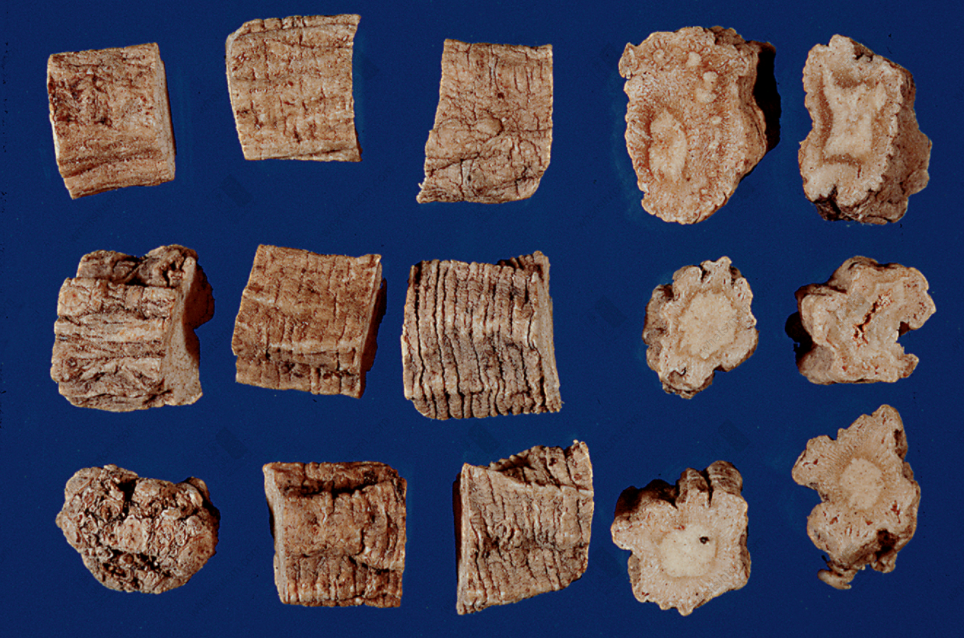 Sichuan Textured Dang Shen Slices: Radiating lines, distinct wood, chrysanthemum core.
 First Grade Lu Dang Shen: Lion’s head root.
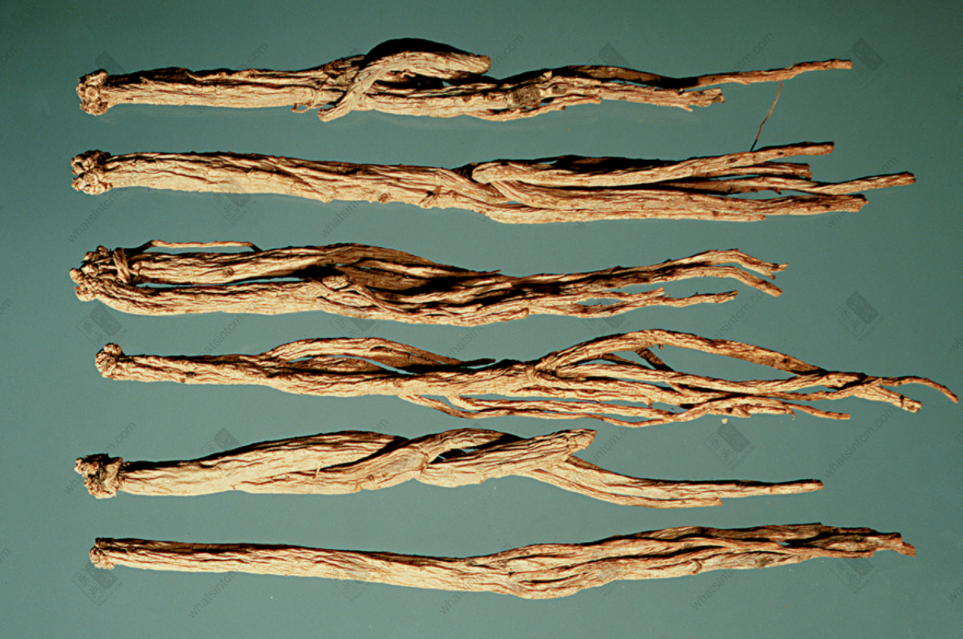 Guizhou Dang Shen
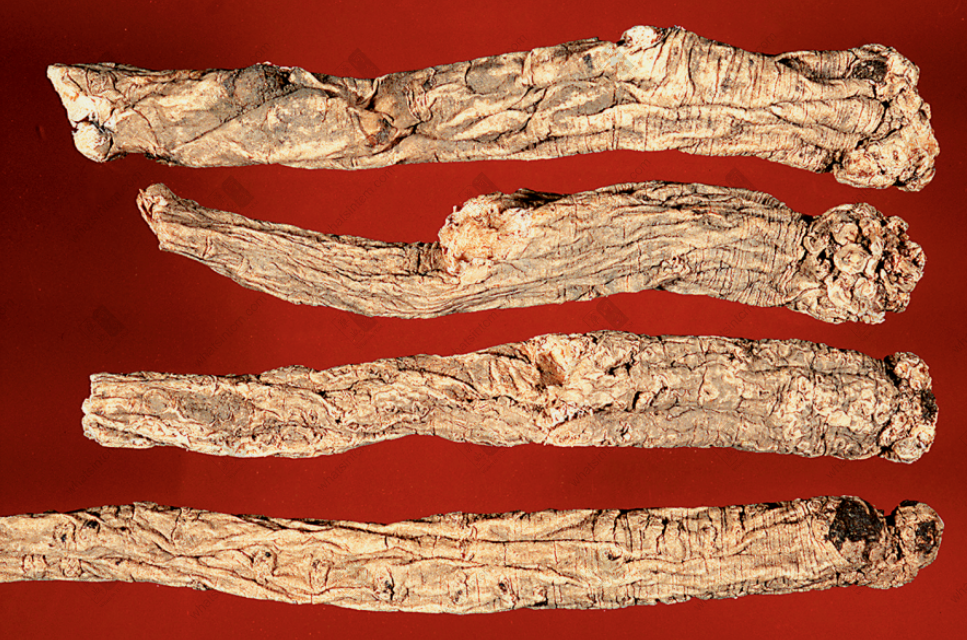 First Grade Banqiao Dang: The black-brown gelatinous substance at the bottom right is its characteristic feature.
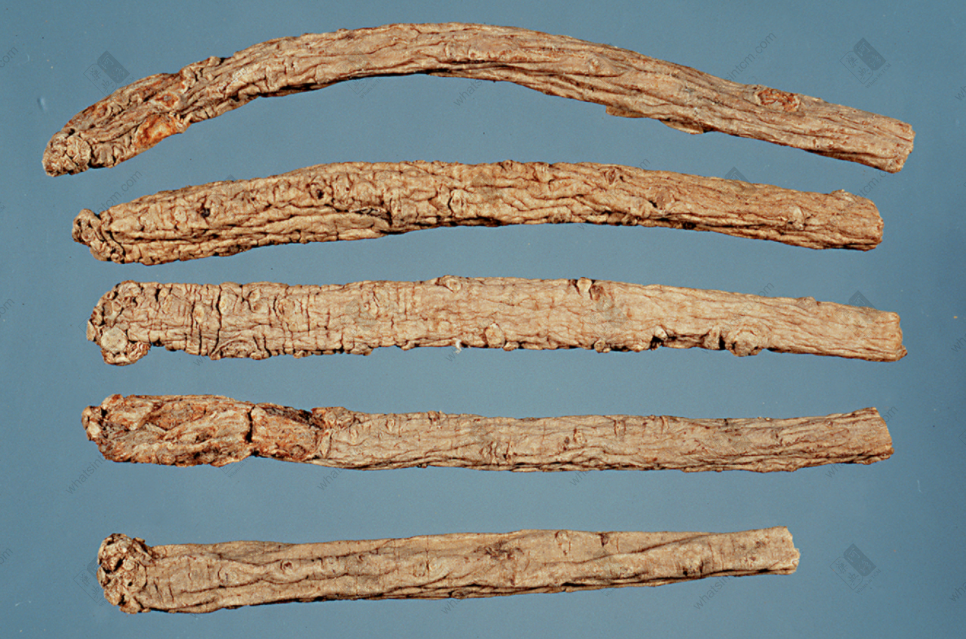 Second Grade Banqiao Dang: Few branches.
“Top-grade Shangdang ink sticks, Yiling cinnabar powder. Orchid and musk condensed precious ink, only its brilliance is worth collecting. Yellow-headed slave girls with double raven hair buns, kept in brocade bags within their sleeves. Today I give them to Lantian to take away, and when inspiration strikes, I will sprinkle my brush on Kuaiji Mountain.” – Li Bai, “Ode to Zhang Sima for Gifting Ink”
The poem by Li Bai expresses his gratitude to Zhang Sima for gifting him ink sticks produced in Shangdang. The pine trees grown under special geographical conditions serve as raw materials, and the meticulous craftsmanship of the local people makes Shangdang ink unparalleled. The “History of the Tang Dynasty” records: “The tribute from the great commandery of Shangdang in Luzhou included silks, cloths, ginseng, and rock honey, as well as ink.” This indicates that Shangdang Prefecture also produced a high-quality traditional Chinese medicine that was offered as tribute to the imperial court during the Tang Dynasty. At that time, it was called ginseng. However, through research, it has been determined that it is not the same medicinal material as the Panax ginseng commonly referred to today. Nevertheless, because its root resembles ginseng and it originated from the Shangdang region, and it is a commonly used medicinal ingredient for nourishment during the start of winter, it was named “Dang Shen” (黨參).
According to the Fourth Edition of the Taiwanese Chinese Materia Medica (https://whatsintcm.com/en/dt_articles/dangshen-codonopsis/), Dang Shen is the dried root of the Codonopsis pilosula (Franch.) Nakai, Codonopsis pilosula (Franch.) Nakai var. modesta (Nakai) L.T.Shen, or Codonopsis tangshen Oliv. plants belonging to the Campanulaceae family. It is mainly produced in Shaanxi, Shanxi, Gansu, and Sichuan. Dang Shen cultivated in places like Jincheng, Shanxi, is called “Lu Dang” (潞黨), also known as “Bai Pi Dang” (白皮黨). Wild varieties from Mount Wutai in Shanxi are usually called “Tai Dang” (台黨) and are typically harder. Those produced in Gansu, Shaanxi, and northwestern Sichuan are called “Xi Dang” (西黨), while those from northeastern Sichuan are called “Dong Dang” (東黨). As it is a root-based medicinal material, it is usually harvested, washed, and sun-dried in the autumn. It has a sweet taste and a neutral property, with the functions of tonifying the middle and benefiting qi, strengthening the lungs, and aiding the spleen. Due to its origin in the Shangdang region, it is also known as “Shang Dang Ren Shen” (上黨人參), with other aliases including Shang Dang Shen, Shi Tou Shen, and Zhong Ling Cao. The raw material is typically long and cylindrical, slightly curved, with a surface color ranging from ash-brown to yellow-brown. It has few branches, measuring 10-22 cm in length and approximately 0.5-2 cm in diameter. The root head usually has numerous wart-like stem scars and buds, resembling a lion’s head, hence the name “Shi Tou Pan Tou Lu” (獅子盤頭蘆). It is firm, light, and elastic. The transverse section is pale yellow-brown with fissures and a yellow central core. It has a special aroma when smelled and a slightly sweet taste. The transverse section of the root material exhibits radiating lines, resembling an open chrysanthemum, hence the name “Ju Hua Wen” (菊花紋). Additionally, the root material is loose in texture, and the wood is firm, leading to the description “Pi Song Rou Jin” (皮鬆肉緊, loose skin and tight flesh). Generally, thicker and longer pieces with a strong aroma, which dissolve in the mouth when chewed (meaning no residue is left), are considered superior. “Tai Dang” and “Xi Dang” are generally considered to be of higher quality. Sichuan Dang Shen, also known as “Tiao Dang” (條黨), “Ba Xian Dang” (八仙黨), and “Banqiao Dang” (板橋黨), has medicinal properties similar to Dang Shen. The root head usually has a root crown, but the stem scars are fewer and smaller. The root is long and cylindrical, mostly single and strip-like, hence the name “Tiao Dang.” Processed slices purchased in the market are preferably yellowish-grey to yellow-brown on the outside, fragrant when smelled, and slightly sweet and residue-free when chewed. Furthermore, depending on clinical use, there are also stir-fried Dang Shen with rice, which are shaped like Dang Shen slices but are darker yellow, occasionally with burnt spots.
When purchasing in the market, be aware of other confusingly similar herbs. There is also a plant from the Campanulaceae family, *Campanula maximowiczii*, whose root is medicinally known as “Tu Dang Shen” (土黨參), which has the functions of nourishing blood, calming the spirit, tonifying lung qi, and relieving cough. Additionally, there is the dried root of the umbelliferous plant *Phyteuma charmica*, whose medicinal name is “Ming Dang Shen” (明黨參). The names are very similar, so it is important to pay attention when purchasing and using them. The government pharmaceutical regulations in Taiwan clearly stipulate the limits for heavy metals and sulfur dioxide testing. Therefore, as long as the public finds qualified manufacturers, they can use it with peace of mind and enjoy the winter.
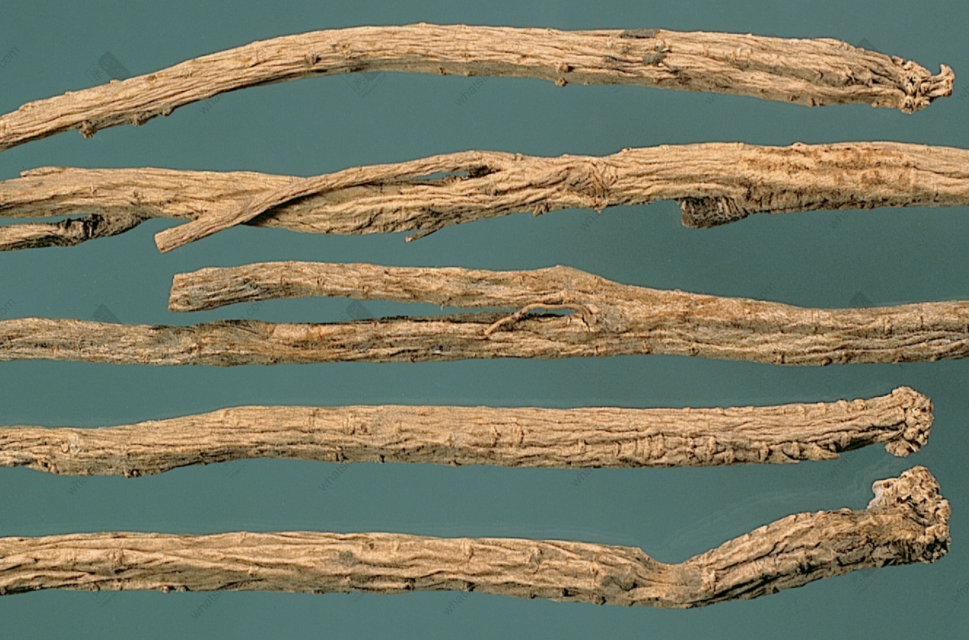 Bai Pi Dang
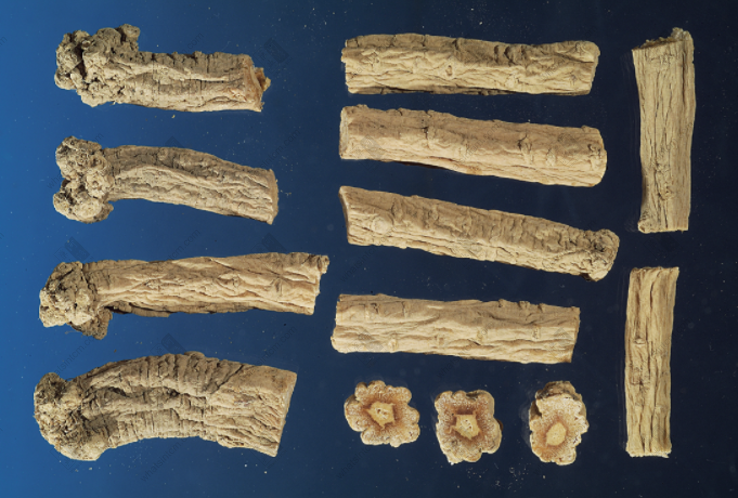
Wufeng Dang
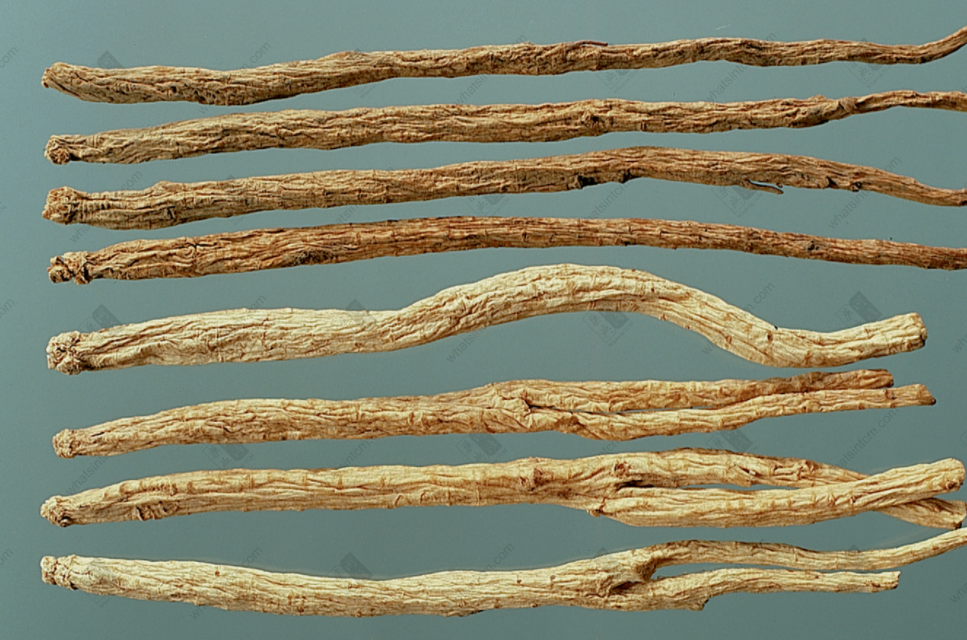 Tianshui Dang: The top four are natural color, the bottom four are sulfur-fumigated.
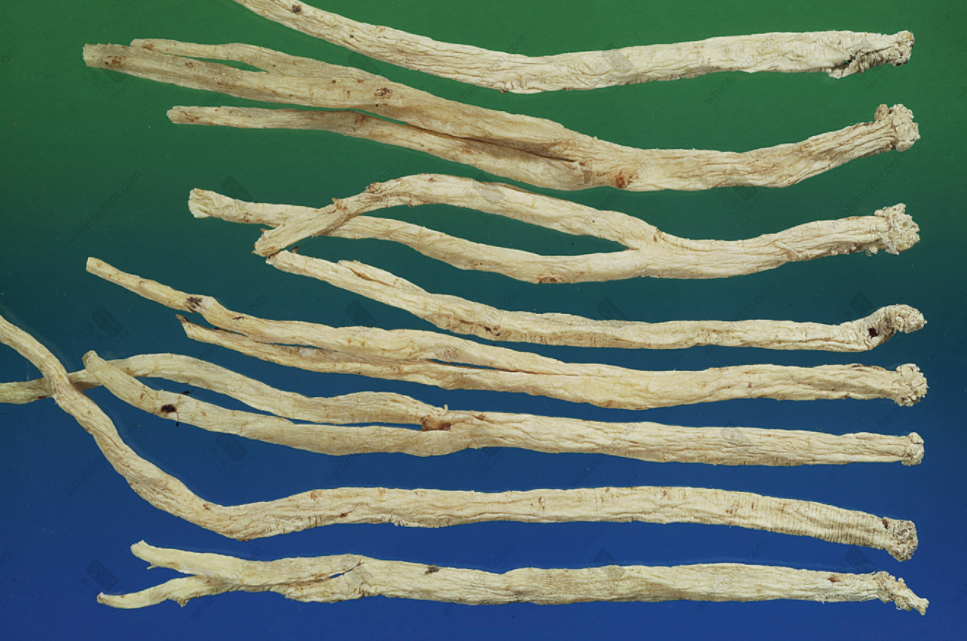 Longxi Bai Tiao Dang
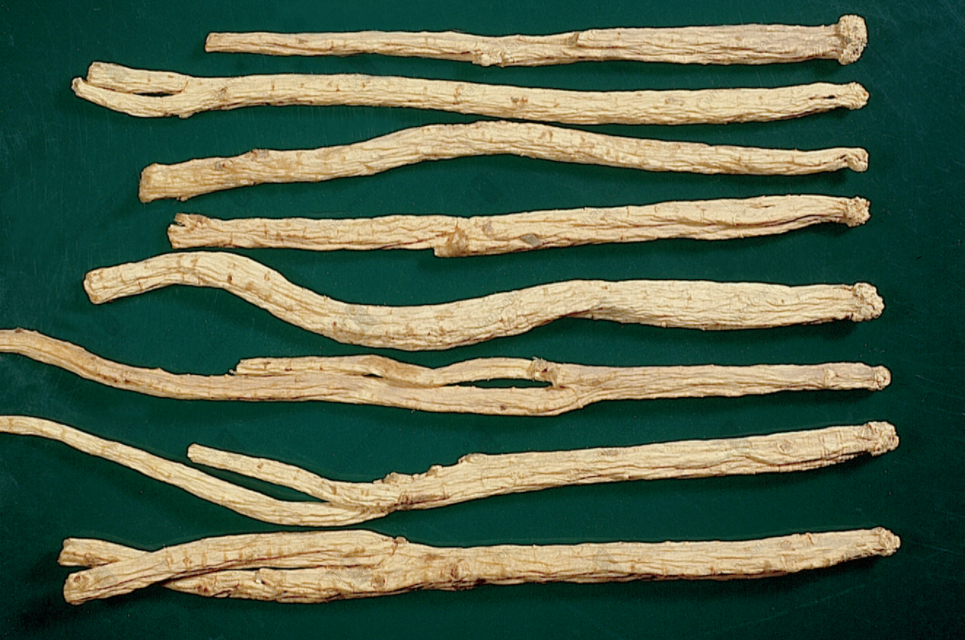 Bai Pi Dang Shen
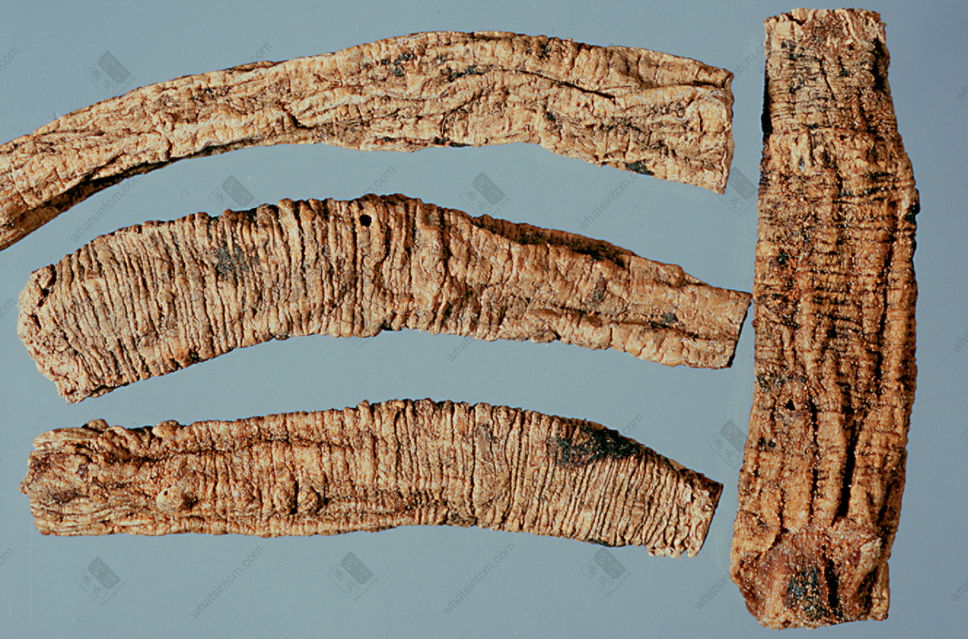 Fang Dang
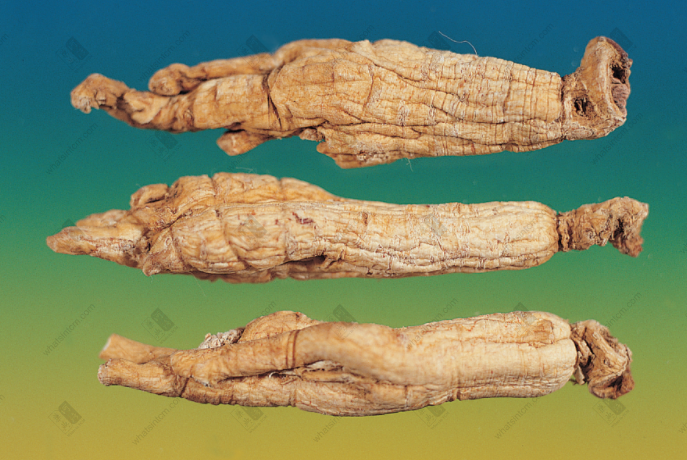
Bai Shen
[Images provided by] Professor Zhang Xianzhe, “Illustrated Guide to Authentic Medicinal Materials” https://whatsintcm.com