



Agarwood: A Commonly Used Qi-Regulating Herb, but Expensive – Be Very Careful When Purchasing
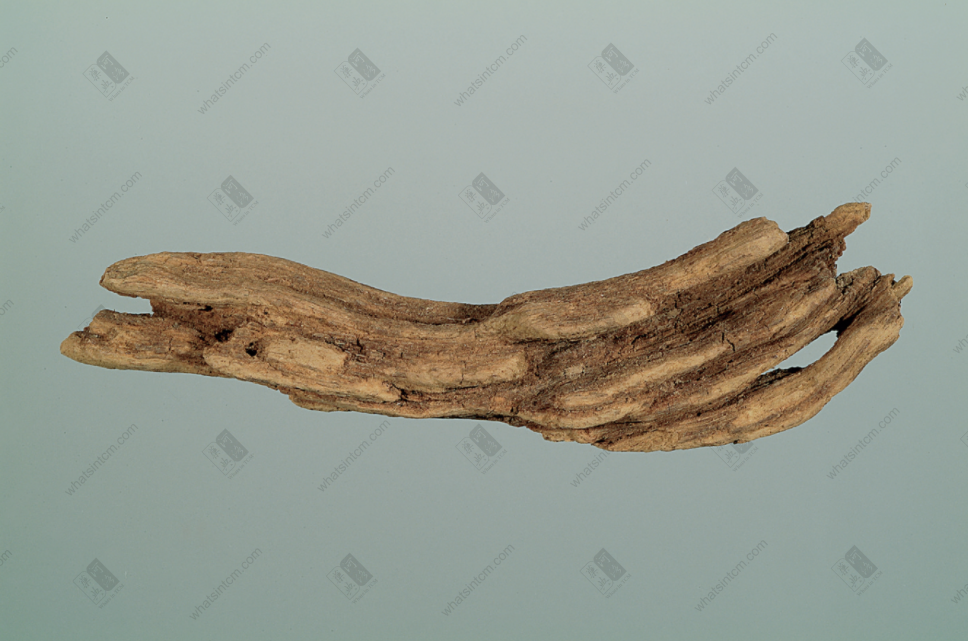 Qinan Agarwood
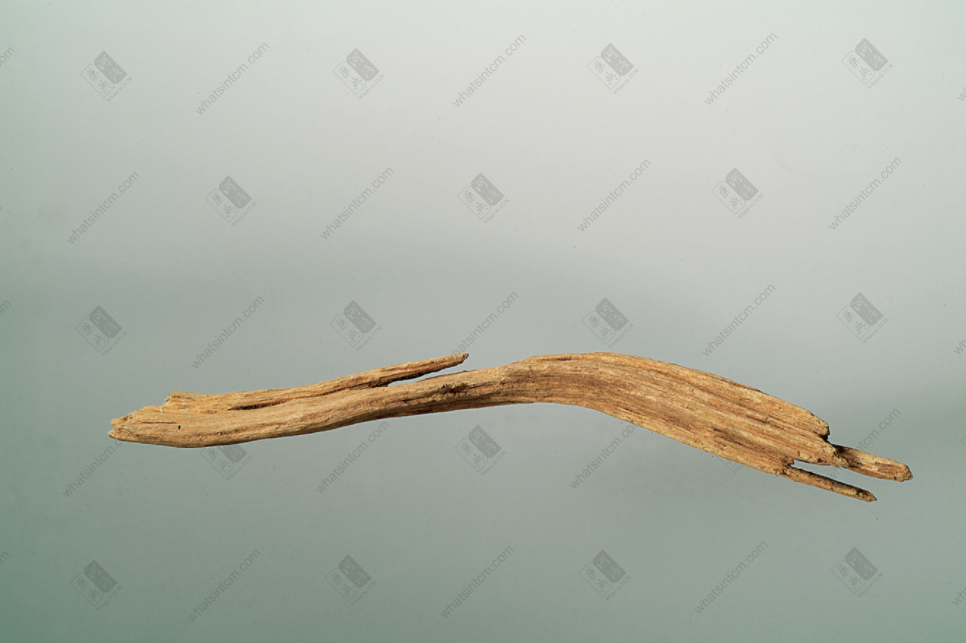 Vietnamese Nha Trang Green Qinan
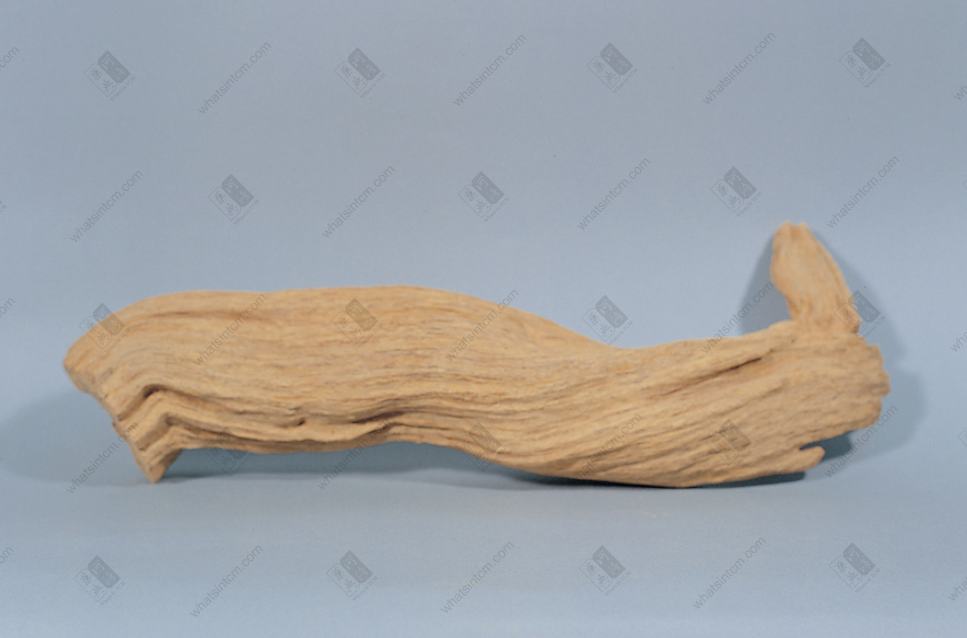 Vietnamese Yellow Qinan
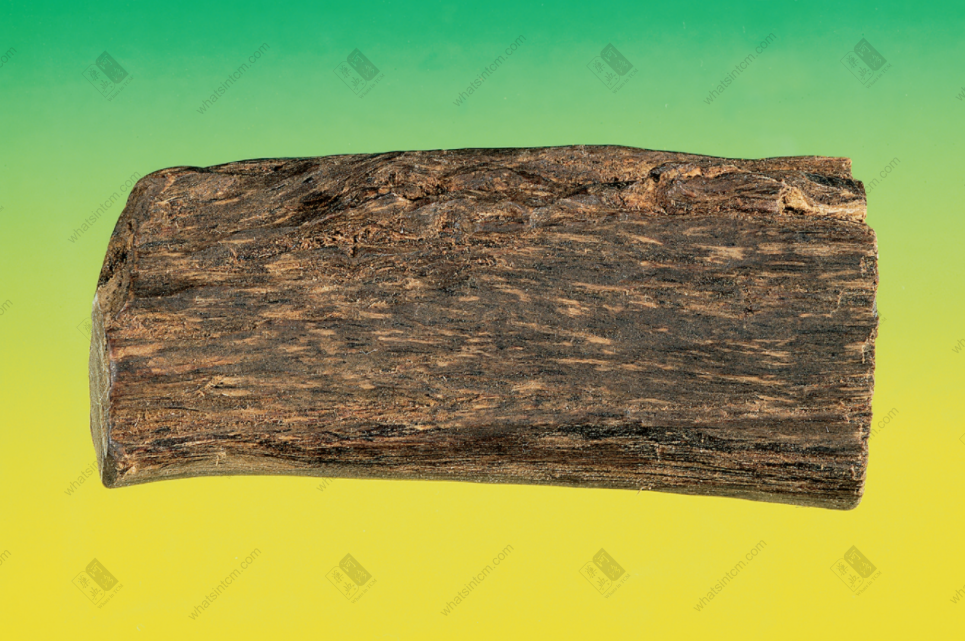 Qinan Agarwood: Brunei Black Qinan
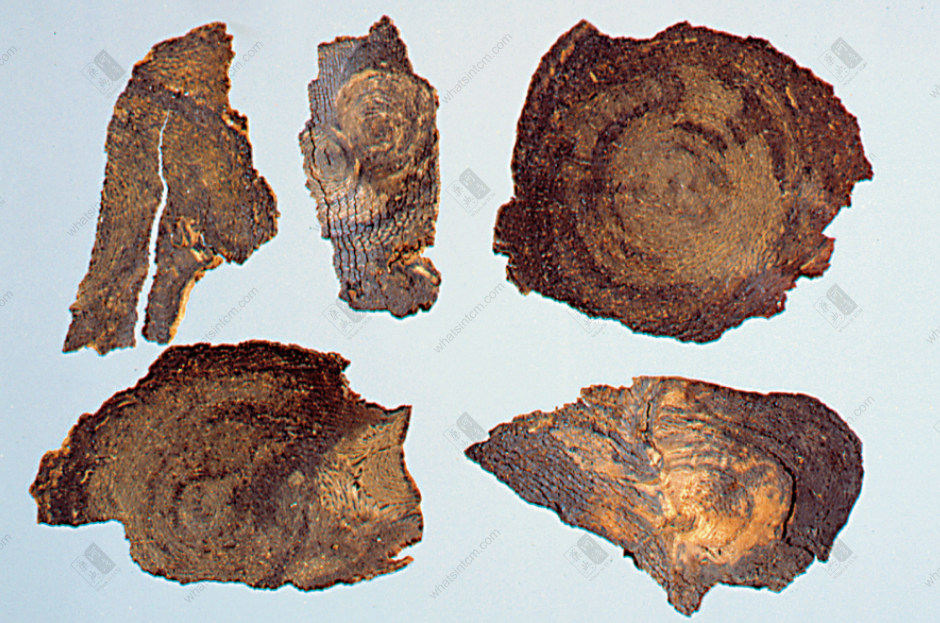 Agarwood Slices
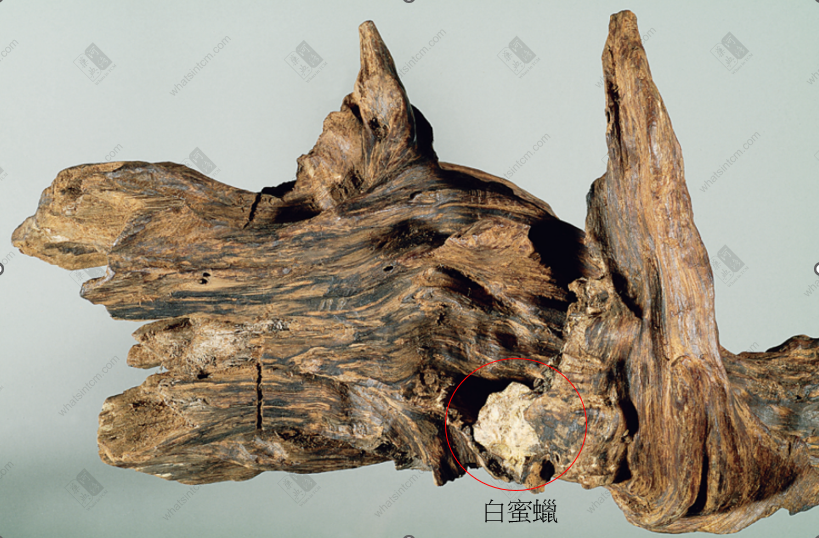 Vietnamese Agarwood with White Beeswax
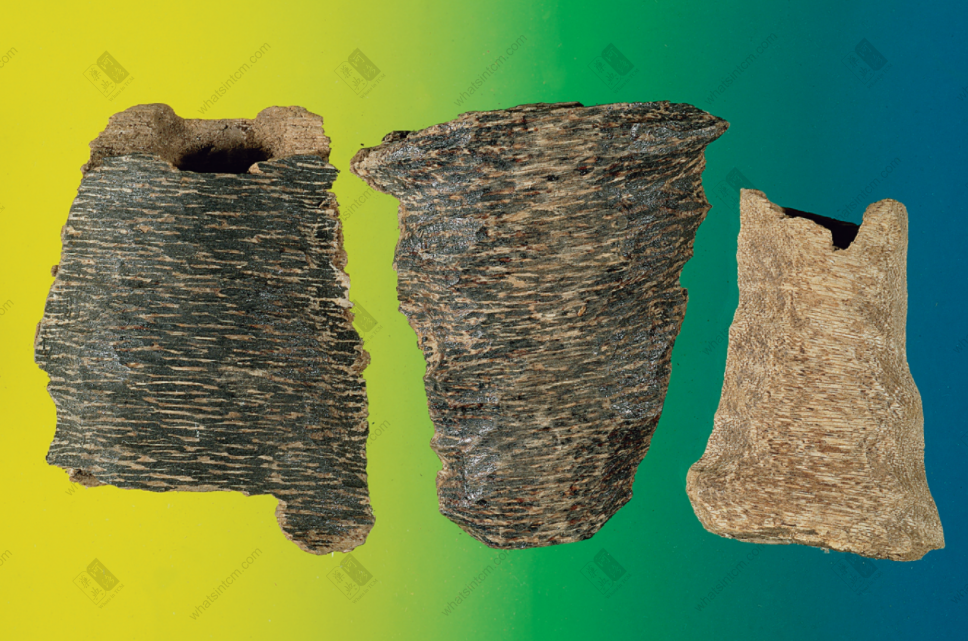 Vietnamese Tiger Shell Agarwood: The two pieces on the left have black patterns, the one on the right has yellow patterns.
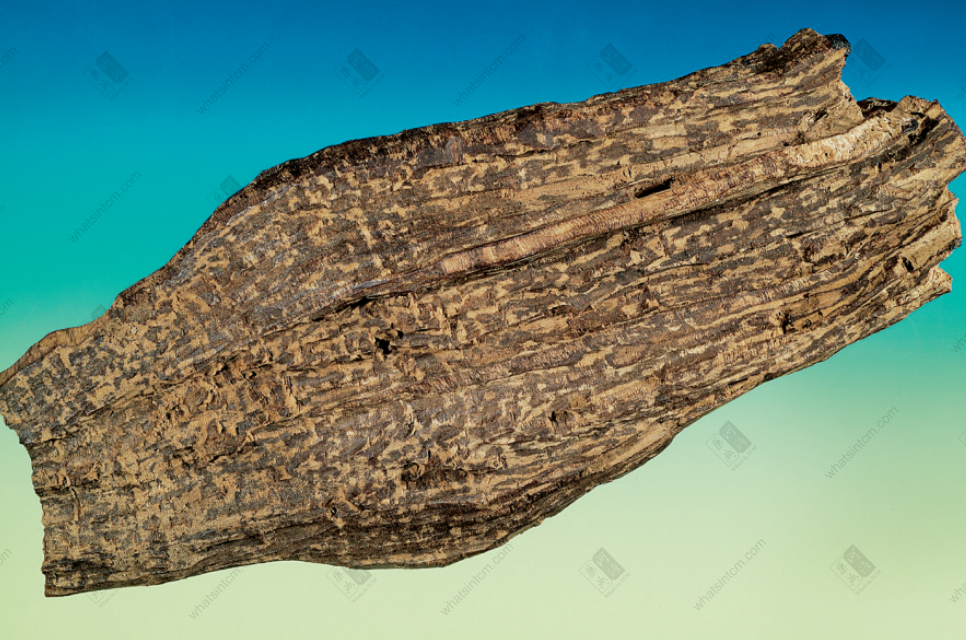 Vietnamese Agarwood with Horizontal Strands
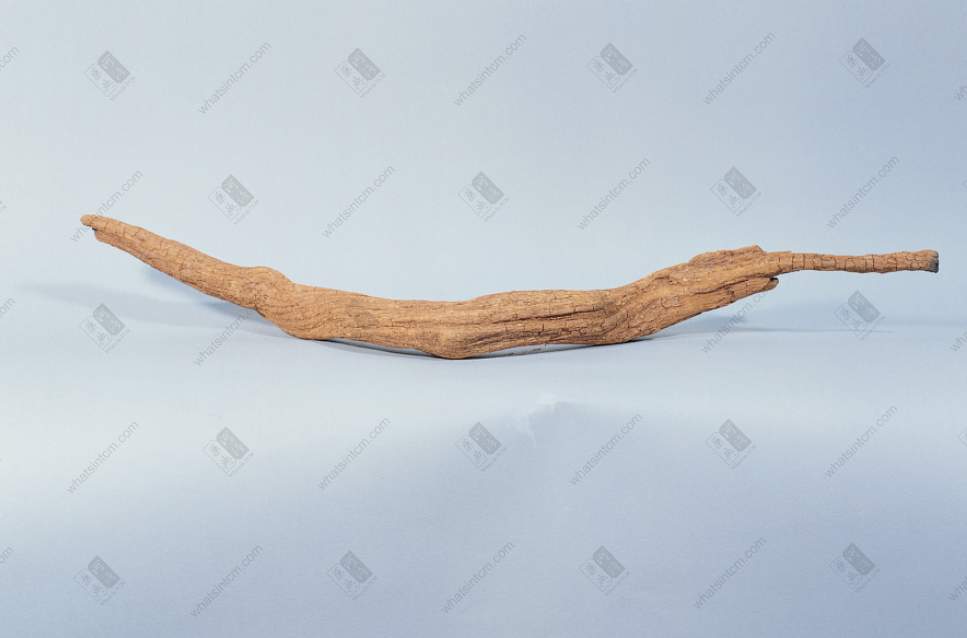 Vietnamese Red Earth Agarwood
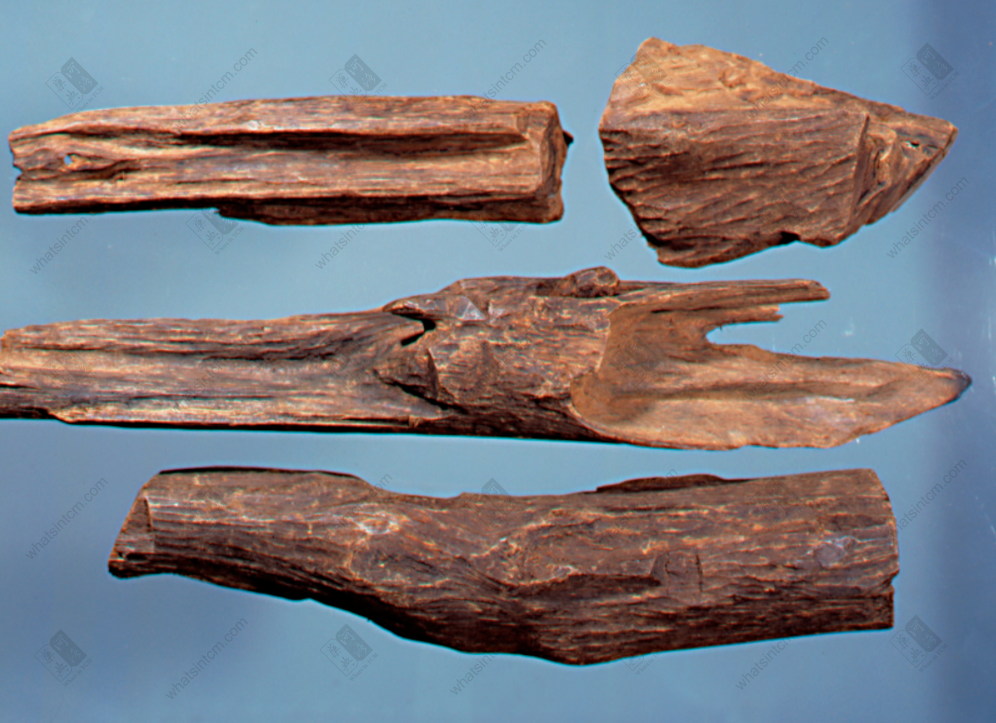 Hui’an sinking agarwood
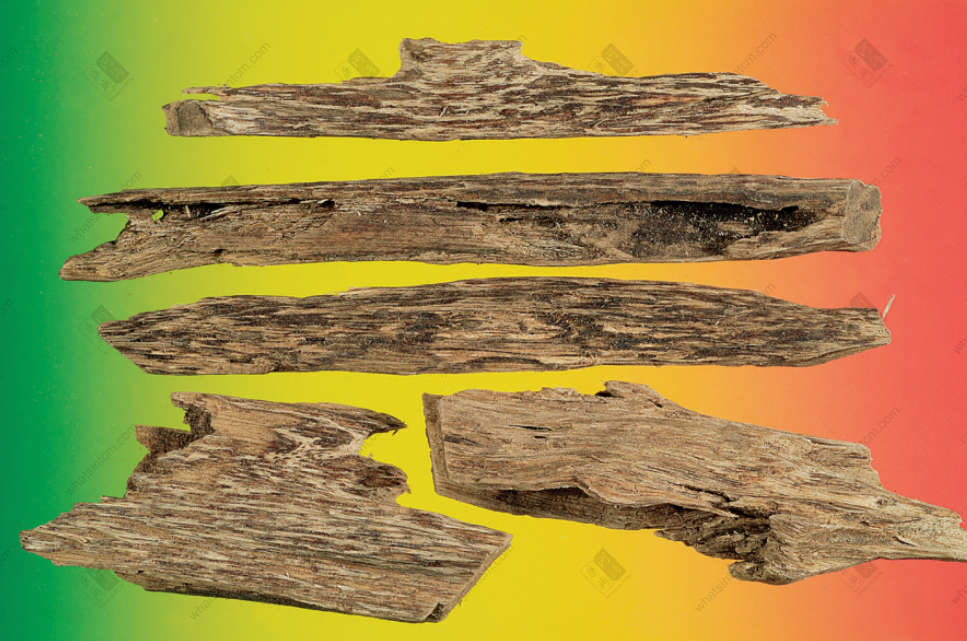 Agarwood from the central region of Sumatra, Indonesia
Video Introduction to “Dr. Da Zhen Discusses Chinese Medicine”:
https://youtu.be/ezBfH675_vU
“Agarwood burns in the courtyard, fine Jiajian blends. Why not ignite a small flame, wreathed in smoke, and sing a clear song. Greedy people know no hunger or satiety, and seek more pepper. Zhu and Liu, two madmen, fall like wind-blown lotus. I intended to fish in a dried-up lake, but alas, what about next year.”
By Su Dongpo, Northern Song Dynasty, from “Nine Imitations of Ancient Poems”, No. 1
The poem reflects the author’s observation during his tenure as an official in Hainan, witnessing the over-logging of Hainan agarwood due to its exorbitant price and fame. The author realized that if this continued, agarwood would face resource depletion. This indicates that agarwood was heavily logged as early as the Song Dynasty. The situation worsened in the Ming and Qing dynasties, and in recent years, due to severe logging, the United Nations has included it in the Convention on International Trade in Endangered Species of Wild Fauna and Flora (CITES) for protection. Any import or export requires an export permit issued by the exporting country. However, since agarwood is a commonly used Chinese medicinal material, the Ministry of Economic Affairs, in its official document “Jing Mao Zi No. 11104601760,” stipulates that individuals importing 1 kilogram of agarwood wood chips, 24 milliliters of agarwood oil, and 2 items (not exceeding 0.3 kilograms) of beads, rosaries, necklaces, or bracelets are exempt from providing relevant certificates, to comply with the customs and practices of the people.
According to the Fourth Edition of the Taiwan Pharmacopoeia, agarwood (https://reurl.cc/8oEVLj) is the dried resinous wood of the Thymelaeaceae plant Aquilaria sinensis (Lour.) Spreng. and its closely related species. It is mainly produced in subtropical and tropical regions, Southeast Asia, and South Asia. It is produced in Hainan, Guangdong, Guangxi in mainland China, as well as Vietnam, Cambodia, Indonesia, Malaysia, and other regions. Taiwan began cultivating it in the early 1980s and has achieved significant results through its agricultural technology advantages, with large-scale cultivation now established. Based on origin, agarwood is mainly categorized into several types: first, Hui’an agarwood from Vietnam, Laos, and Cambodia; second, Xin Zhou agarwood from Indonesia, Malaysia, and Brunei; and finally, Hainan-系的 agarwood from Hainan, Guangdong, and Yunnan in mainland China. Agarwood is also known as “sinking agarwood” because its heartwood usually contains black resin, making it heavy and able to sink in water, and it emits a fragrance. It is also called “water sinking agarwood.” As Hainan is one of the main production areas, it is also called “Hainan agarwood.” Due to cultivation in some parts of Dongguan, Guangdong, it is also called “Guan agarwood.” Shen Huaiyuan of the Southern Song Dynasty recorded in “Nanyue Zhi”: “There is a honey-scented tree in Jiaozhou. To obtain it, one must first cut its roots. After a year, the outer bark rots, and the heartwood and knots that are hard, black, and sink in water are called agarwood. Those that float on the water surface are called chicken bone, and the coarsest are called zhan xiang.” This explains its origin and distinctions. The agarwood listed in the Taiwan Pharmacopoeia is typically in the form of flakes, chunks, or irregular long strips of varying sizes. The surface is uneven with processing marks from cutting. The oily parts appear as blackish-brown and yellowish wood intermingled patterns, and the porous surfaces resemble rotten wood. It is usually lighter in texture, with some pieces not sinking in water. It has a fragrant aroma and a bitter taste. When burned, it produces dense smoke and a strong fragrance. It can be harvested year-round. After harvesting the resinous wood, the non-resinous parts are removed, and it is then air-dried for use. According to “Ben Jing Feng Yuan”: “Shui Chen Xiang specifically transforms qi, and is suitable for those with stagnant qi that does not expand.” Furthermore, agarwood has the functions of promoting qi circulation, relieving pain, descending rebellious qi, and calming asthma. It can improve symptoms such as abdominal pain, chest oppression, and rebellious qi with dyspnea.
Agarwood is a precious medicinal material, so it is easy to accidentally purchase adulterated herbs. Therefore, one must be very careful when buying. Inferior agarwood, which is of poorer quality, is typically made from the non-resinous wood of the Thymelaeaceae plant Aquilaria sinensis. Agarwood is a resinous substance produced by the Aquilaria sinensis tree after physical, chemical, or biological damage. Natural agarwood is rare, hence its high price. In recent years, artificial production of agarwood has increased, and prices have decreased to around NT$15,000 to NT$30,000 per kilogram. However, there are still counterfeit agarwood products on the market, which are made from other non-resinous woods. These sell for about NT$3,000 to NT$5,000 per kilogram. The surface of these medicinal materials is usually uneven, with few blackish-brown resinous and black-yellow intermingled patterns. The concave areas often resemble rotten wood, and the aroma is faint or almost odorless. Another common adulterant is wood from the Isatis genus, which is in short blocky pieces, brown to dark brown in color, with alternating light and dark patterns or grooves. The wood grain is finer, the aroma is slightly weaker, and there is less fragrance when burned. Additionally, there is a product called “Nü Er Xiang” (Daughter’s Fragrance), which refers to the unresinified wood of soil agarwood. Its quality is poor and it is rarely used in medicine. Furthermore, some people use the roots of camphor trees, labeling them as “Tu Chen Xiang” (Soil Agarwood) or “Shan Chen Xiang” (Mountain Agarwood). These have a distinct camphor smell, making them easy to distinguish from genuine agarwood. Another type is called “Jia Chen Xiang” (Shell Agarwood), which is mainly made from rotten bottom boards of ships or camphor wood ship planks. It is in irregular blocky pieces, with a rough, blackish-brown surface and a smell of rotten wood. Some counterfeit agarwood is made from other woods using methods like spray painting. These medicinal materials are often irregular pieces and flakes, with a yellowish-white surface, and gray-black patches from spray paint or dye. They lack the unique aroma of agarwood and may have a pine scent or other odors. Therefore, one must be very careful when purchasing agarwood.
Furthermore, for agarwood used for scent or religious offerings, prices vary greatly based on different fragrances and origins. This type of agarwood is brownish in appearance, often with intermingled black and yellow patterns, smooth and lustrous. When cut, the cross-section is grayish-brown. It is solid and heavy, usually sinking in water or semi-sinking. It has a unique aroma, a bitter taste, and when burned, oil seeps out, producing a very strong fragrance. Common commercial names include Ganlan Xiang, Jialuo (Sanskrit for black), Qinan Xiang, Qinan, Qinan, Ganlan, etc. Additionally, selecting agarwood with abundant resin, and trimming away the parts with less oil and lighter color, often in rectangular strips or blocks, results in “Green Oil Ganlan” if the outer surface is greenish-brown, and “Purple Oil Ganlan” if it is purplish-black. The outer surfaces are both oily and smooth. When cut, the cross-section is blackish-brown or purplish-black, with heavy oil content, considered the highest grade of agarwood.
In summary, in addition to its use as a medicinal material, agarwood also plays an indispensable role in daily life. Therefore, the Chinese Medicine and Pharmacy Agency of the Ministry of Health and Welfare has set limits for sulfur dioxide, as well as heavy metals such as arsenic, cadmium, mercury, and lead, to ensure the safety of Chinese medicinal products for the public. Thus, the public can use them with peace of mind.
“Agarwood burns in the courtyard, fine Jiajian blends. Why not ignite a small flame, wreathed in smoke, and sing a clear song. Greedy people know no hunger or satiety, and seek more pepper. Zhu and Liu, two madmen, fall like wind-blown lotus. I intended to fish in a dried-up lake, but alas, what about next year.”
By Su Dongpo, Northern Song Dynasty, from “Nine Imitations of Ancient Poems”, No. 1
The poem reflects the author’s observation during his tenure as an official in Hainan, witnessing the over-logging of Hainan agarwood due to its exorbitant price and fame. The author realized that if this continued, agarwood would face resource depletion. This indicates that agarwood was heavily logged as early as the Song Dynasty. The situation worsened in the Ming and Qing dynasties, and in recent years, due to severe logging, the United Nations has included it in the Convention on International Trade in Endangered Species of Wild Fauna and Flora (CITES) for protection. Any import or export requires an export permit issued by the exporting country. However, since agarwood is a commonly used Chinese medicinal material, the Ministry of Economic Affairs, in its official document “Jing Mao Zi No. 11104601760,” stipulates that individuals importing 1 kilogram of agarwood wood chips, 24 milliliters of agarwood oil, and 2 items (not exceeding 0.3 kilograms) of beads, rosaries, necklaces, or bracelets are exempt from providing relevant certificates, to comply with the customs and practices of the people.
According to the Fourth Edition of the Taiwan Pharmacopoeia, agarwood (https://reurl.cc/8oEVLj) is the dried resinous wood of the Thymelaeaceae plant Aquilaria sinensis (Lour.) Spreng. and its closely related species. It is mainly produced in subtropical and tropical regions, Southeast Asia, and South Asia. It is produced in Hainan, Guangdong, Guangxi in mainland China, as well as Vietnam, Cambodia, Indonesia, Malaysia, and other regions. Taiwan began cultivating it in the early 1980s and has achieved significant results through its agricultural technology advantages, with large-scale cultivation now established. Based on origin, agarwood is mainly categorized into several types: first, Hui’an agarwood from Vietnam, Laos, and Cambodia; second, Xin Zhou agarwood from Indonesia, Malaysia, and Brunei; and finally, Hainan-系的 agarwood from Hainan, Guangdong, and Yunnan in mainland China. Agarwood is also known as “sinking agarwood” because its heartwood usually contains black resin, making it heavy and able to sink in water, and it emits a fragrance. It is also called “water sinking agarwood.” As Hainan is one of the main production areas, it is also called “Hainan agarwood.” Due to cultivation in some parts of Dongguan, Guangdong, it is also called “Guan agarwood.” Shen Huaiyuan of the Southern Song Dynasty recorded in “Nanyue Zhi”: “There is a honey-scented tree in Jiaozhou. To obtain it, one must first cut its roots. After a year, the outer bark rots, and the heartwood and knots that are hard, black, and sink in water are called agarwood. Those that float on the water surface are called chicken bone, and the coarsest are called zhan xiang.” This explains its origin and distinctions. The agarwood listed in the Taiwan Pharmacopoeia is typically in the form of flakes, chunks, or irregular long strips of varying sizes. The surface is uneven with processing marks from cutting. The oily parts appear as blackish-brown and yellowish wood intermingled patterns, and the porous surfaces resemble rotten wood. It is usually lighter in texture, with some pieces not sinking in water. It has a fragrant aroma and a bitter taste. When burned, it produces dense smoke and a strong fragrance. It can be harvested year-round. After harvesting the resinous wood, the non-resinous parts are removed, and it is then air-dried for use. According to “Ben Jing Feng Yuan”: “Shui Chen Xiang specifically transforms qi, and is suitable for those with stagnant qi that does not expand.” Furthermore, agarwood has the functions of promoting qi circulation, relieving pain, descending rebellious qi, and calming asthma. It can improve symptoms such as abdominal pain, chest oppression, and rebellious qi with dyspnea.
Agarwood is a precious medicinal material, so it is easy to accidentally purchase adulterated herbs. Therefore, one must be very careful when buying. Inferior agarwood, which is of poorer quality, is typically made from the non-resinous wood of the Thymelaeaceae plant Aquilaria sinensis. Agarwood is a resinous substance produced by the Aquilaria sinensis tree after physical, chemical, or biological damage. Natural agarwood is rare, hence its high price. In recent years, artificial production of agarwood has increased, and prices have decreased to around NT$15,000 to NT$30,000 per kilogram. However, there are still counterfeit agarwood products on the market, which are made from other non-resinous woods. These sell for about NT$3,000 to NT$5,000 per kilogram. The surface of these medicinal materials is usually uneven, with few blackish-brown resinous and black-yellow intermingled patterns. The concave areas often resemble rotten wood, and the aroma is faint or almost odorless. Another common adulterant is wood from the Isatis genus, which is in short blocky pieces, brown to dark brown in color, with alternating light and dark patterns or grooves. The wood grain is finer, the aroma is slightly weaker, and there is less fragrance when burned. Additionally, there is a product called “Nü Er Xiang” (Daughter’s Fragrance), which refers to the unresinified wood of soil agarwood. Its quality is poor and it is rarely used in medicine. Furthermore, some people use the roots of camphor trees, labeling them as “Tu Chen Xiang” (Soil Agarwood) or “Shan Chen Xiang” (Mountain Agarwood). These have a distinct camphor smell, making them easy to distinguish from genuine agarwood. Another type is called “Jia Chen Xiang” (Shell Agarwood), which is mainly made from rotten bottom boards of ships or camphor wood ship planks. It is in irregular blocky pieces, with a rough, blackish-brown surface and a smell of rotten wood. Some counterfeit agarwood is made from other woods using methods like spray painting. These medicinal materials are often irregular pieces and flakes, with a yellowish-white surface, and gray-black patches from spray paint or dye. They lack the unique aroma of agarwood and may have a pine scent or other odors. Therefore, one must be very careful when purchasing agarwood.
Furthermore, for agarwood used for scent or religious offerings, prices vary greatly based on different fragrances and origins. This type of agarwood is brownish in appearance, often with intermingled black and yellow patterns, smooth and lustrous. When cut, the cross-section is grayish-brown. It is solid and heavy, usually sinking in water or semi-sinking. It has a unique aroma, a bitter taste, and when burned, oil seeps out, producing a very strong fragrance. Common commercial names include Ganlan Xiang, Jialuo (Sanskrit for black), Qinan Xiang, Qinan, Qinan, Ganlan, etc. Additionally, selecting agarwood with abundant resin, and trimming away the parts with less oil and lighter color, often in rectangular strips or blocks, results in “Green Oil Ganlan” if the outer surface is greenish-brown, and “Purple Oil Ganlan” if it is purplish-black. The outer surfaces are both oily and smooth. When cut, the cross-section is blackish-brown or purplish-black, with heavy oil content, considered the highest grade of agarwood.
In summary, in addition to its use as a medicinal material, agarwood also plays an indispensable role in daily life. Therefore, the Chinese Medicine and Pharmacy Agency of the Ministry of Health and Welfare has set limits for sulfur dioxide, as well as heavy metals such as arsenic, cadmium, mercury, and lead, to ensure the safety of Chinese medicinal products for the public. Thus, the public can use them with peace of mind.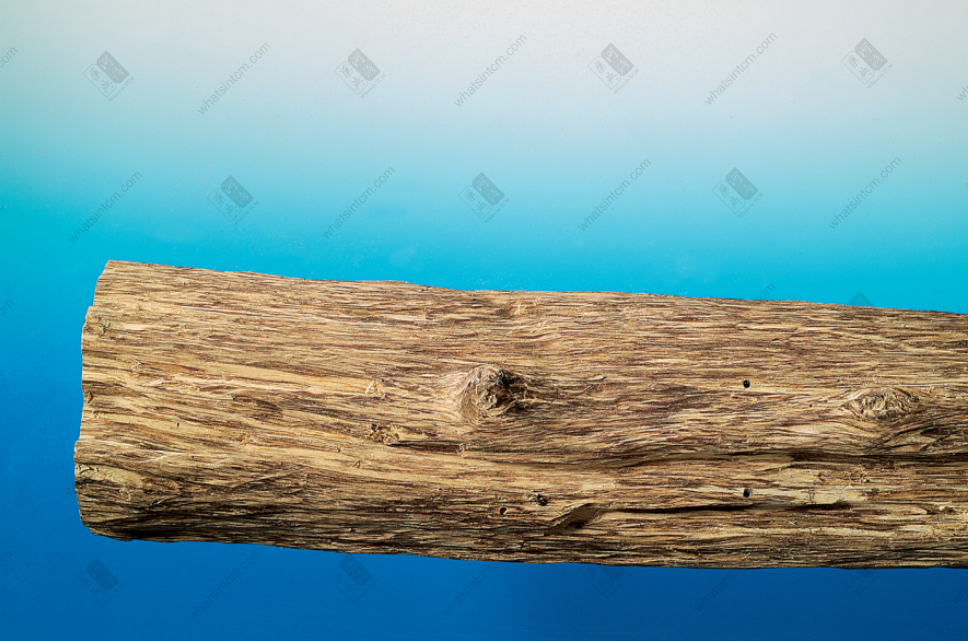 Papua New Guinea water sinking agarwood
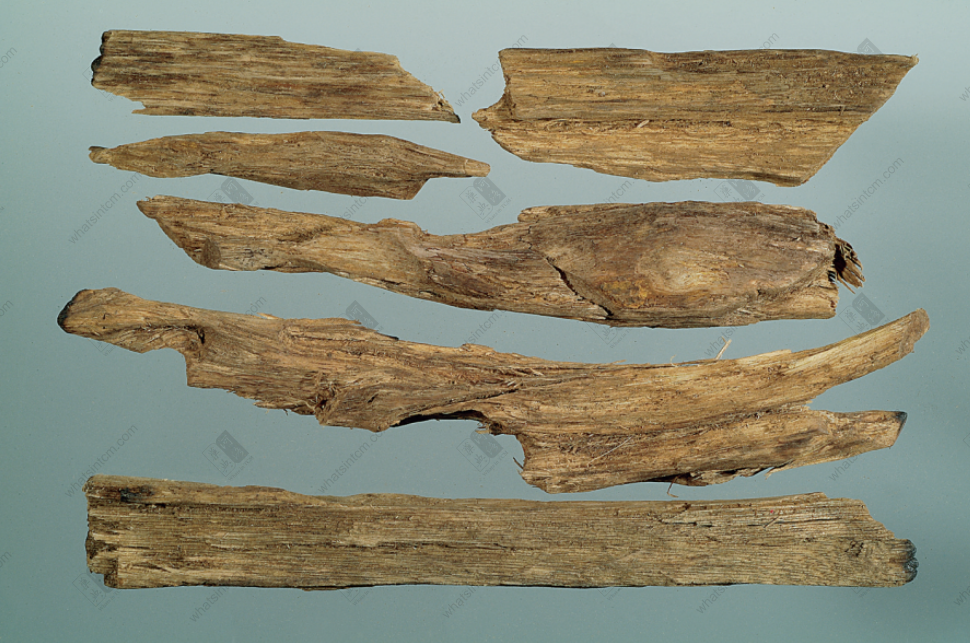 Agarwood from the Kalimantan region of Indonesia
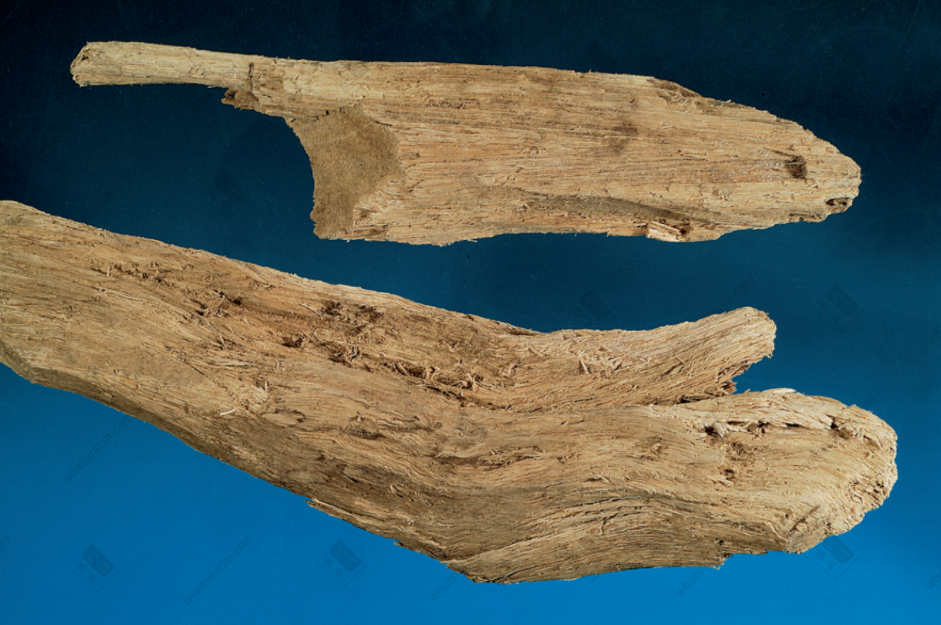 Lower grade Indonesian agarwood
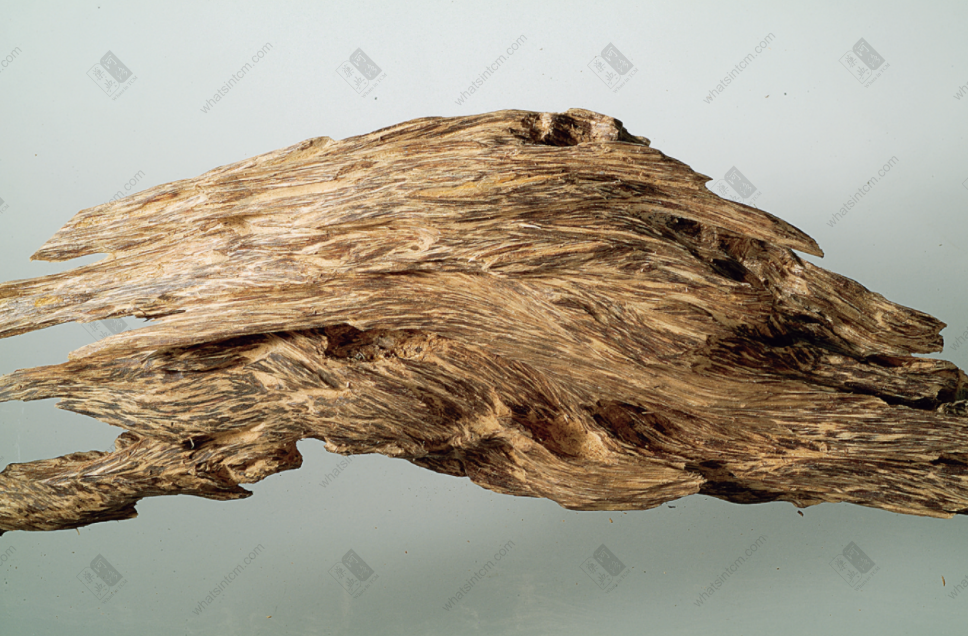 Malaysian tiger striped agarwood
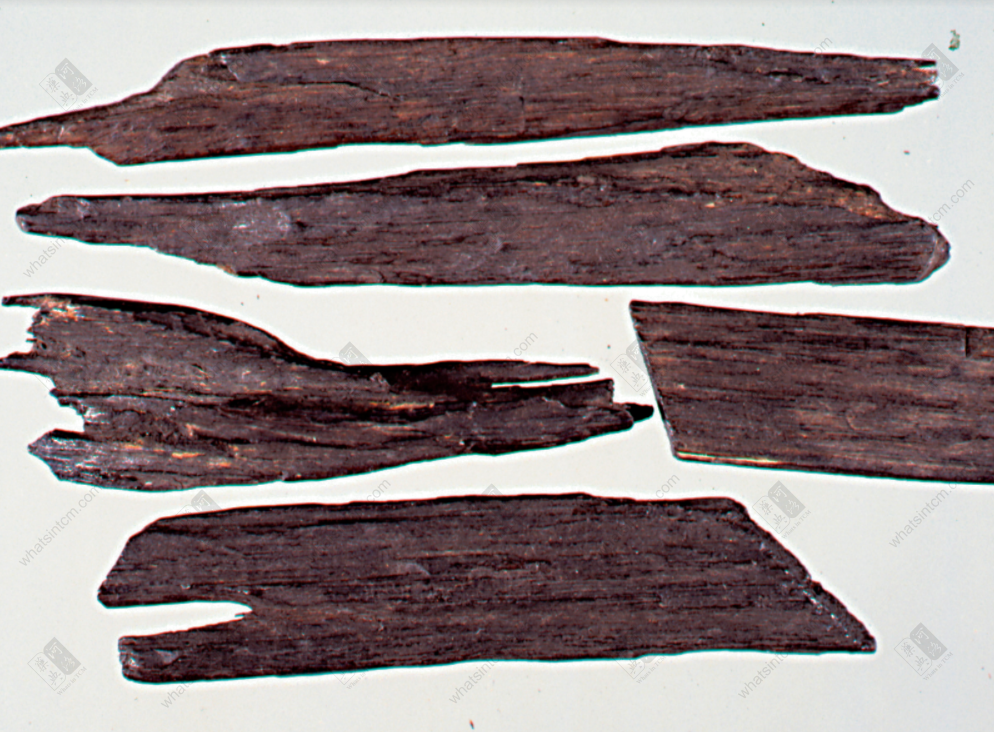 Malaysian water sinking agarwood
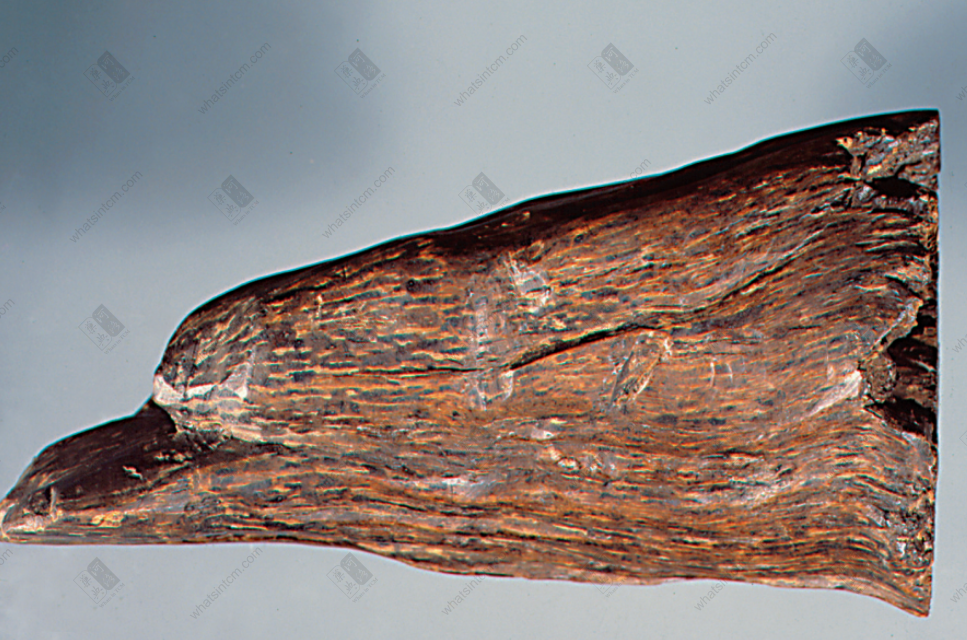 Laotian agarwood
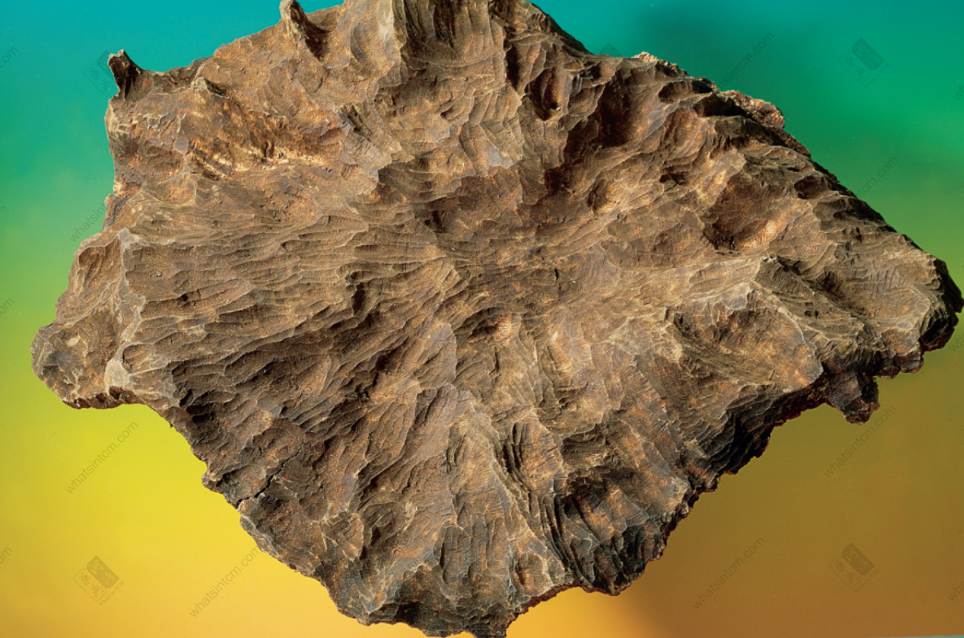 Hainan Island thick-shelled agarwood
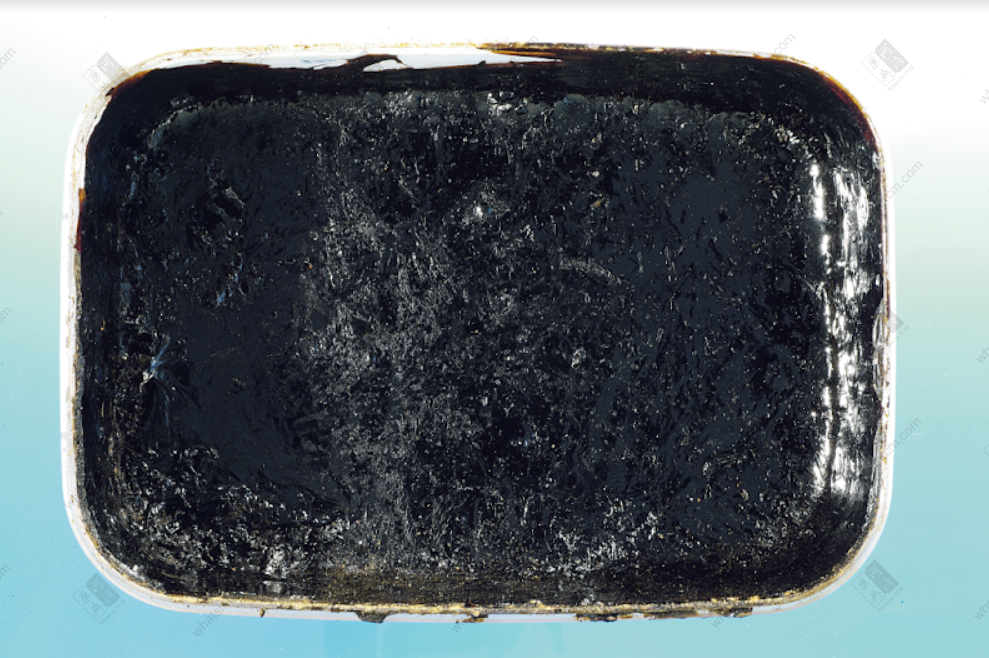 Agarwood oil
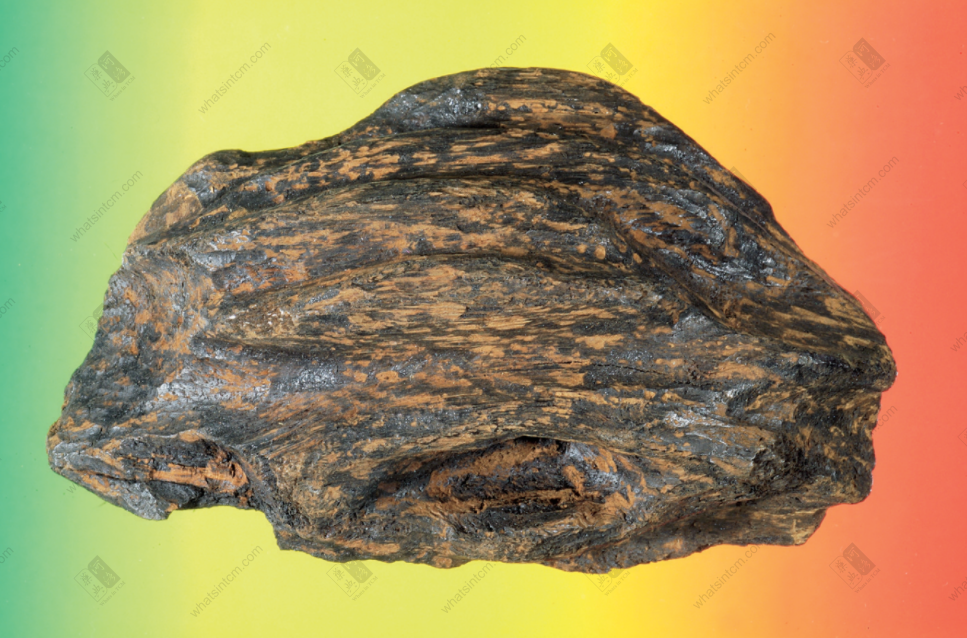 Counterfeit agarwood
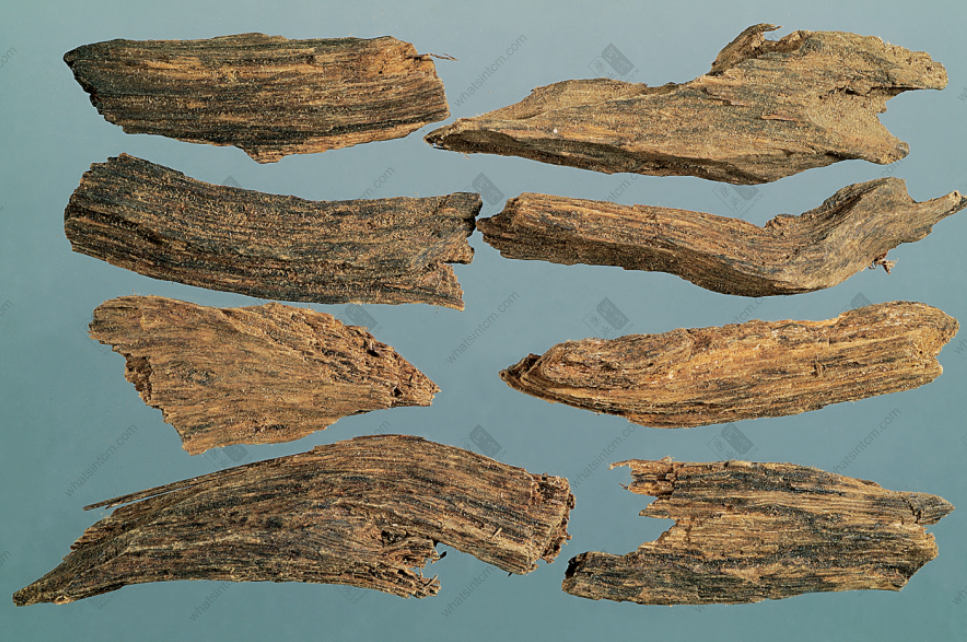 Indonesian flavored counterfeit agarwood
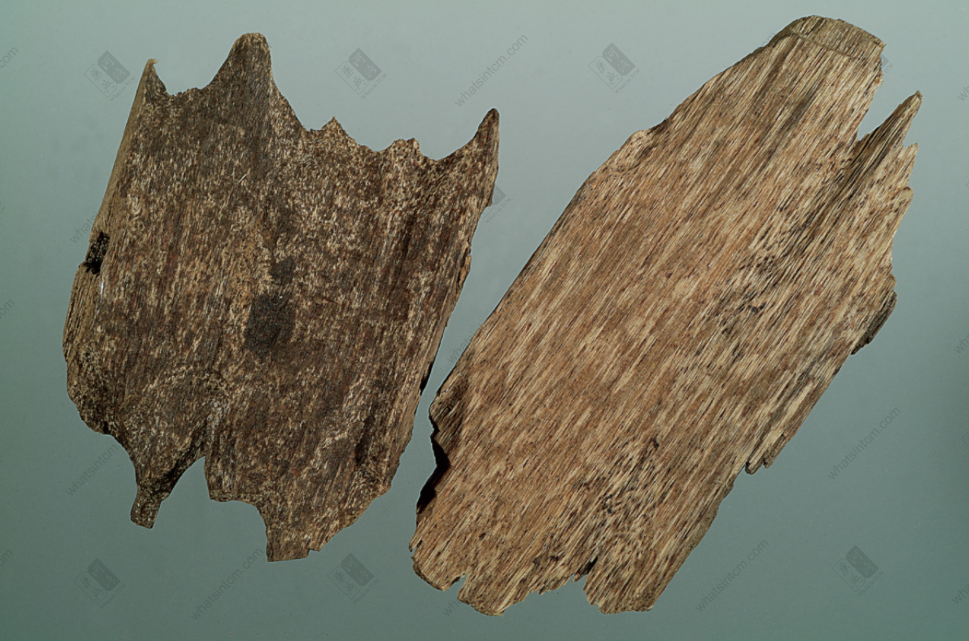 Vietnamese colored counterfeit agarwood
【Image Credits】Professor Chang Hsien-Cheh, “Illustrated Guide to Authentic Medicinal Materials” https://whatsintcm.com