

Eating Too Many Tangyuan? Si Shen Tang Can Aid Digestion, But Be Cautious When Buying Lotus Seeds
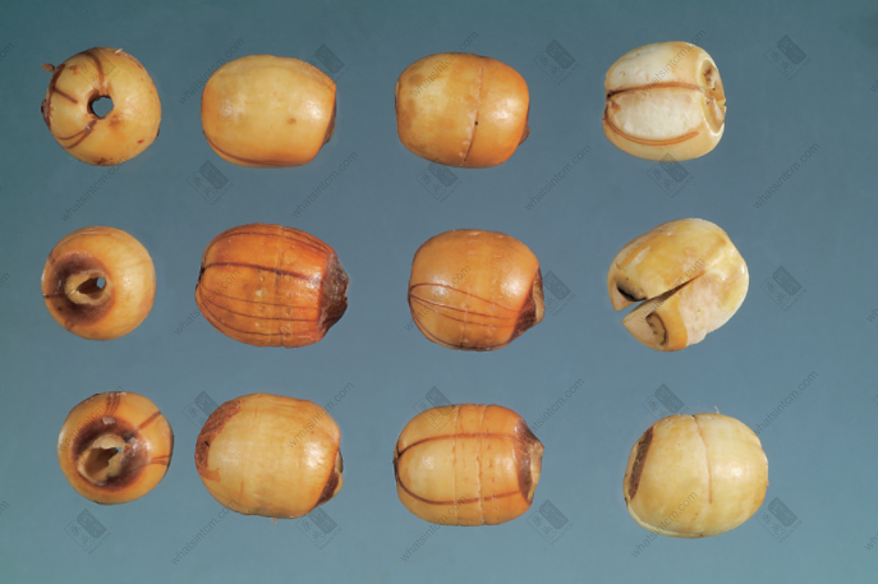
 Red Lotus Seeds: Oval-shaped, reddish-brown, with prominent longitudinal ribbed protuberances and clear cracks.
 Fresh Lotus Seeds
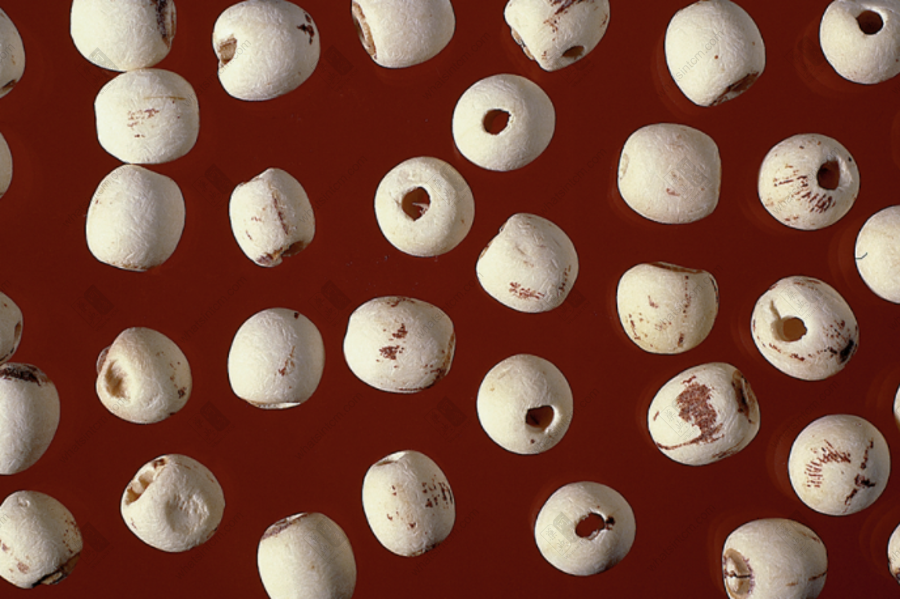 Xiang Lotus Seeds
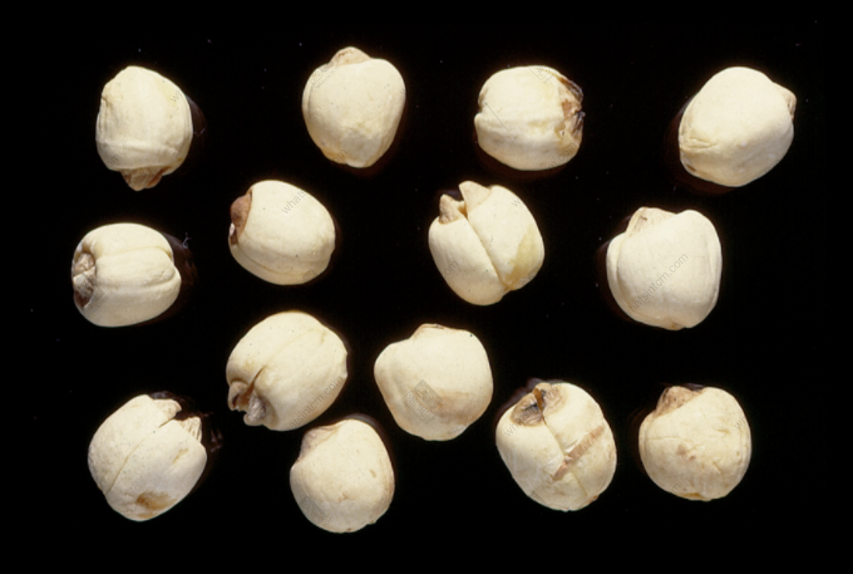 White Lotus Seeds: Outer skin removed.
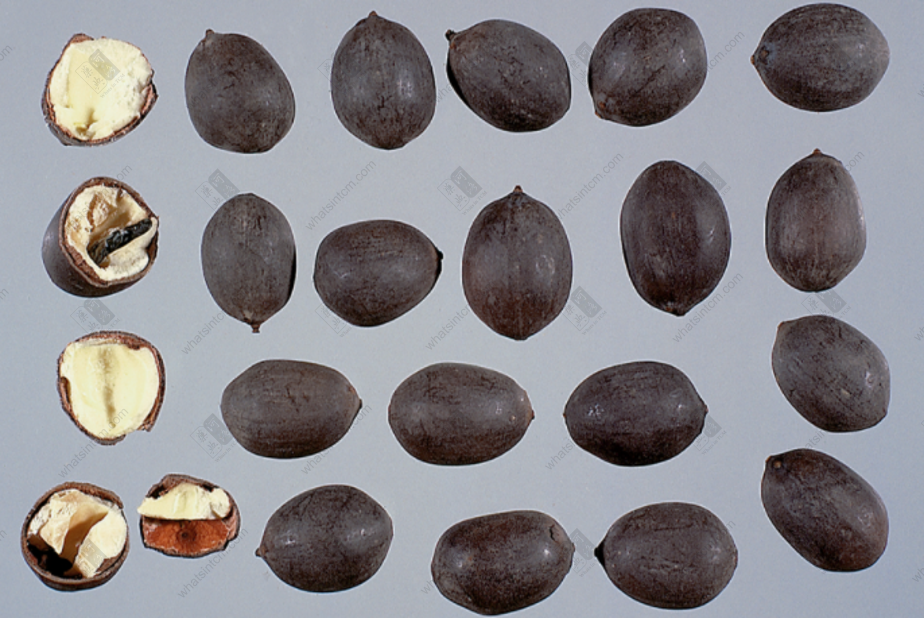 Sweet Stone Lotus Seeds: Oval, grey-black, slightly pointed at both ends, with a greyish-white powdery coating.
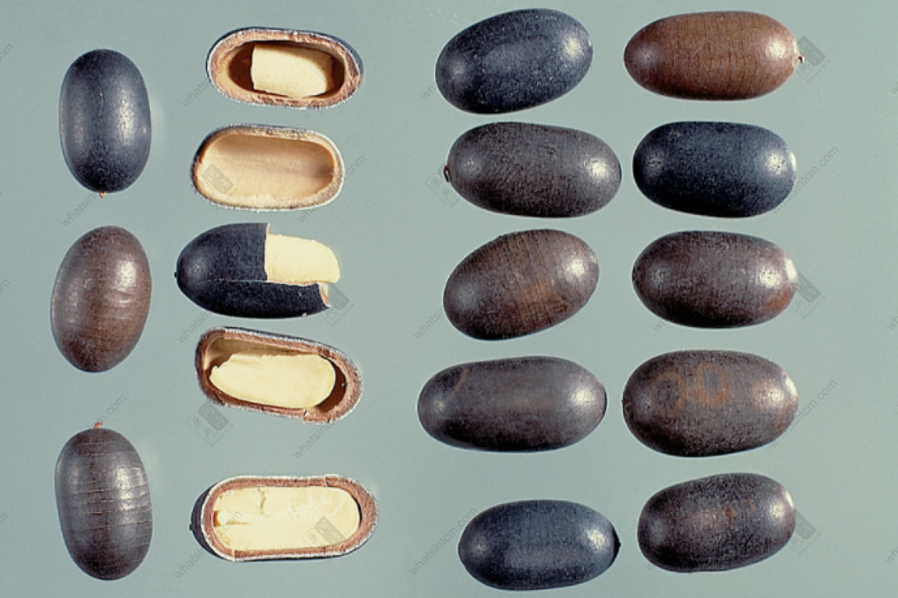 Bitter Stone Lotus Seeds: Oval, jet-black, rounded at the ends, with annular horizontal cracks, and hard.
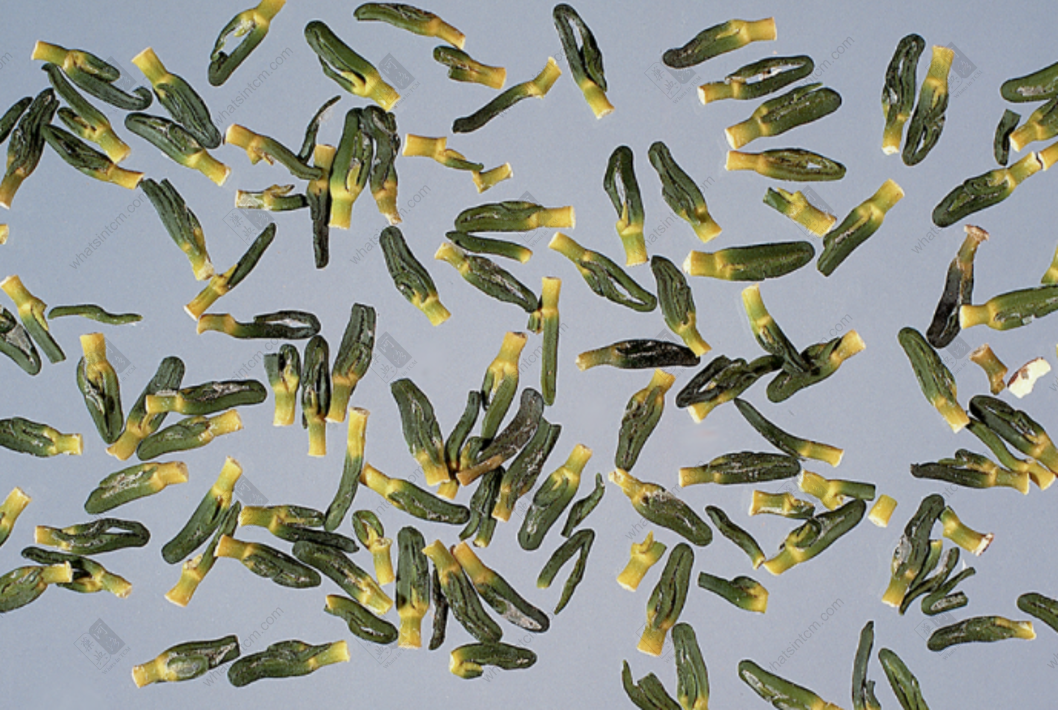 Lotus Plumule: Bluish-green embryo bifurcates into two, one long and one short, resembling a tightly rolled arrow with the tip curled downwards, between tiny embryonic young leaves.
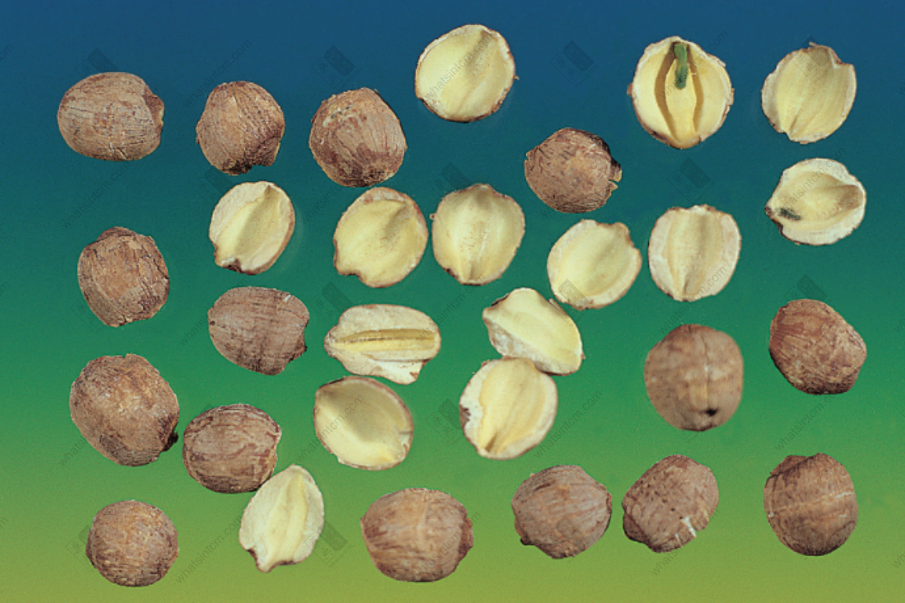
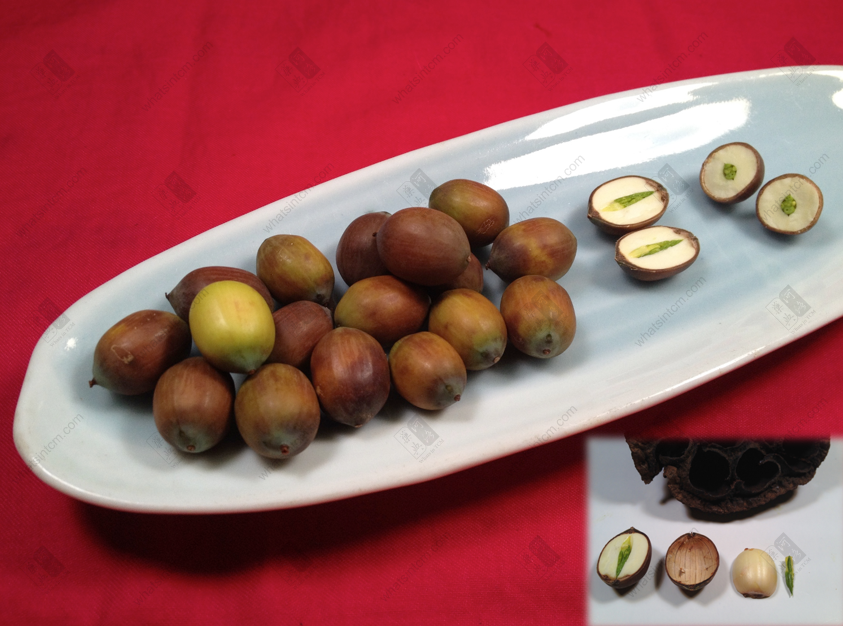 Taiwan White Lotus Seeds: Left shows seeds with husks, upper right is a cross-section, lower right is a diagram of the seed head. Provided by Dr. Chen Da-zhen.
“Green jade honeycomb, white jade peak, picked with dew and still carrying the breeze. Glass basin surface, water bottom, drunkenly chewing a hundred fresh lotus seed heads.”
Song Dynasty, Yang Wanli, “Eating Lotus Seeds”
According to the Fourth Edition of the Taiwan Chinese Materia Medica, lotus seeds (https://whatsintcm.com/en/dt_articles/lotus-seed/) are the dried mature seeds of the water lily family plant, Nelumbo nucifera Gaertn. They are mainly produced in Hunan, Fujian, Jiangsu, Zhejiang, Jiangxi, and other provinces, and are also cultivated throughout Taiwan, with large-scale cultivation primarily in Taoyuan and Tainan. Typically, after the fruits mature in autumn, the seed heads are harvested, the fruits are extracted, the husks are removed, and then they are dried for use. They have many aliases; because they are the seeds of the lotus, they are also called “lian shi” (lotus fruit). Since they grow inside the lotus seed head, they are also called “peng zi” (seed head seeds). As they taste sweet, they are also called “tian shi lian” (sweet stone lotus). Therefore, they have many aliases. The medicinal use of lotus seeds was first recorded in the “upper grade” section of “Ou” (lotus root) in the Shen Nong Ben Cao Jing. The Ben Cao Gang Mu records: “It benefits the heart and kidneys, strengthens the intestines and stomach, solidifies vital essence, strengthens bones and tendons, replenishes deficiency and damage, … stops chronic diarrhea and dysentery of the spleen.” From this, it can be seen that lotus seeds have very broad efficacy and are beneficial for the spleen and stomach. In the market, lotus seeds usually appear in several different forms: their outer shells are black or dark brown, without ring patterns, slightly pointed at both ends, oval or elliptical, about 1.3-2 cm long and 0.6-1.5 cm wide, densely covered with light-colored small dots, usually with a short pedicel at the bottom, and are hard in texture. When cut open, the inner seed is the lotus seed. The seed coat is reddish-brown, the cotyledons are thick and yellowish-white, with a green lotus plumule in the center. It is odorless, the lotus plumule tastes bitter, and the cotyledons taste sweet. Common market varieties include those with reddish-brown seed coats or those with the skin removed. The ones with reddish-brown seed coats are usually used medicinally, while the white, peeled ones are for consumption. They are oval or nearly spherical in shape, with a light yellow-brown to reddish-brown surface, are hard in texture, have a faint smell, and taste sweet and slightly astringent. Generally, larger and fuller seeds are preferred. Additionally, there is another easily confused product on the market called bitter stone lotus, which are the dried mature seeds of the legume plant *Caesalpinia minax* Hance. Due to their similar appearance and color, as well as similar names, confusion can arise. There are several ways to distinguish them. Externally, bitter stone lotus seeds are oval and rounded at both ends, with a shiny jet-black surface and horizontal cracks. Stone lotus seeds, on the other hand, are oval or nearly spherical and slightly pointed at both ends without horizontal cracks. Furthermore, after tasting both, bitter stone lotus seeds will have a bitter taste, while stone lotus seeds have a sweet taste, thus they are different. Therefore, the distinction can be made by appearance or by tasting, making them very easy to differentiate. In summary, the lotus flower is the same as the lotus. Water lilies and lotus flowers are different plants. The best way to distinguish them is by their leaves: lotus flowers typically stand out of the water, while water lilies float on the surface. Additionally, lotus flowers have seed heads, while water lilies do not, making them easy to differentiate.
Si Shen Tang (https://whatsintcm.com/dt_articles/%e5%9b%9b%e7%a5%9e%e6%b9%af/) primarily consists of Poria, Chinese Yam, Euryale ferox, and lotus seeds. Poria and Chinese Yam have been previously discussed. After this explanation, you should be able to select the correct lotus seeds. The Fourth Edition of the Taiwan Chinese Materia Medica stipulates limits for heavy metals and sulfur dioxide, as well as regulations for aflatoxin content, to ensure public safety. Furthermore, because lotus seeds are not only used as traditional Chinese medicine but also as a common food, the pharmacopoeia also states, “When this material is used for commercial purposes, the limits for heavy metals, sulfur dioxide, and aflatoxins shall comply with food standards,” to provide more stringent oversight for public use. Therefore, the public can use them with peace of mind.
【Images provided by】Professor Zhang Xian-zhe, “A Guide to Authentic Chinese Medicinal Materials” https://whatsintcm.com