



Frost Descent: An Auspicious Time for Nature’s Medicine
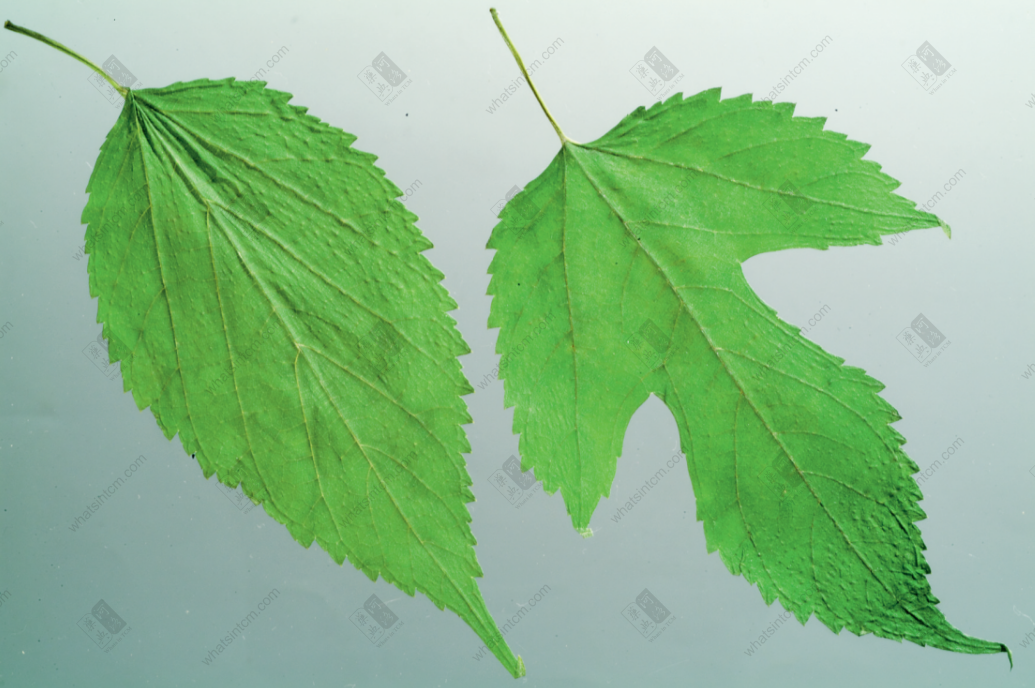 Fresh Mulberry Leaves
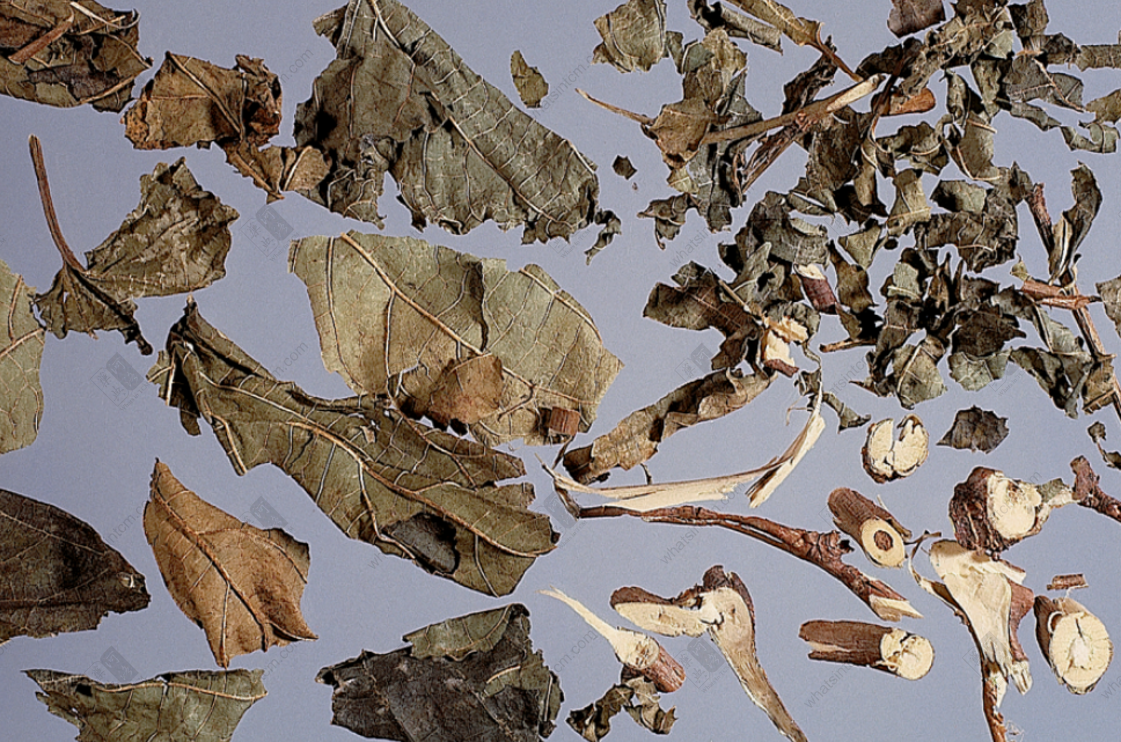 Mulberry Leaves: The left shows intact leaves, while the right displays shriveled, broken, and cracked ones, colored yellow-green or yellow-brown, with petioles and prominent reticulate venation.
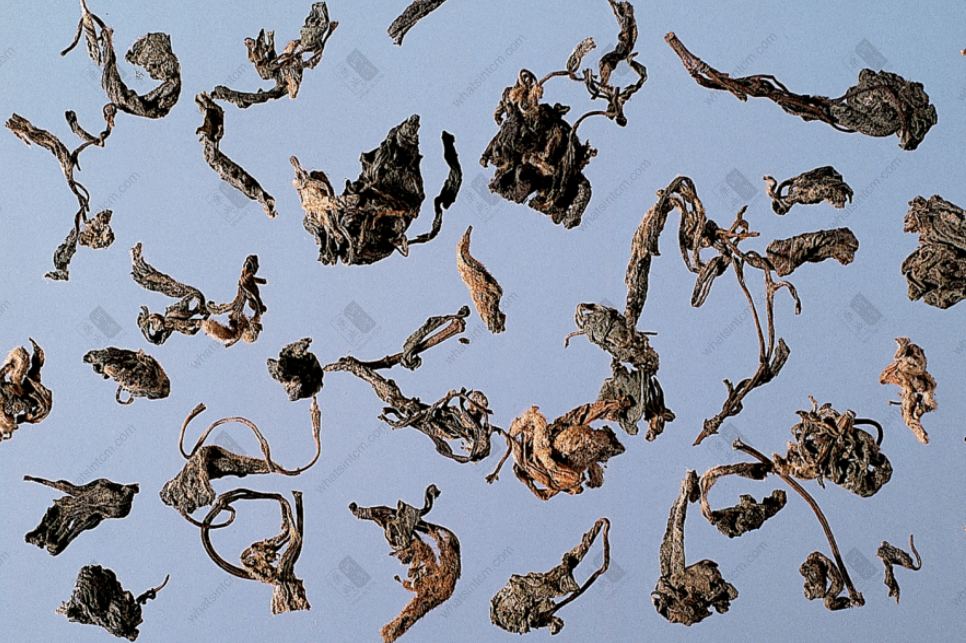 Mulberry Leaf Buds
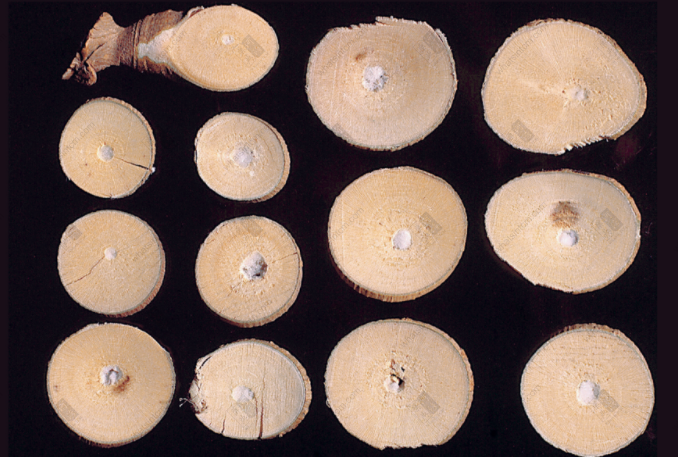
Mulberry Twig Medicinal Slices: Thin bark, yellowish-white, with distinct annual rings and white pith resembling cotton.
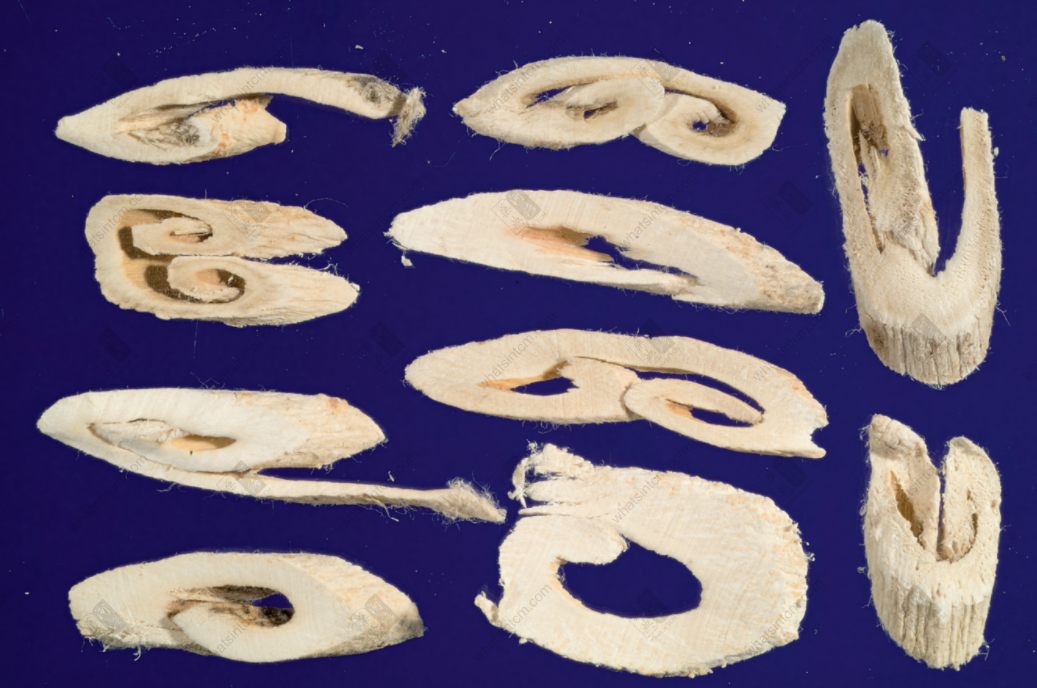 Mulberry Bark Medicinal Slices: Lightweight, fibrous, and tough.
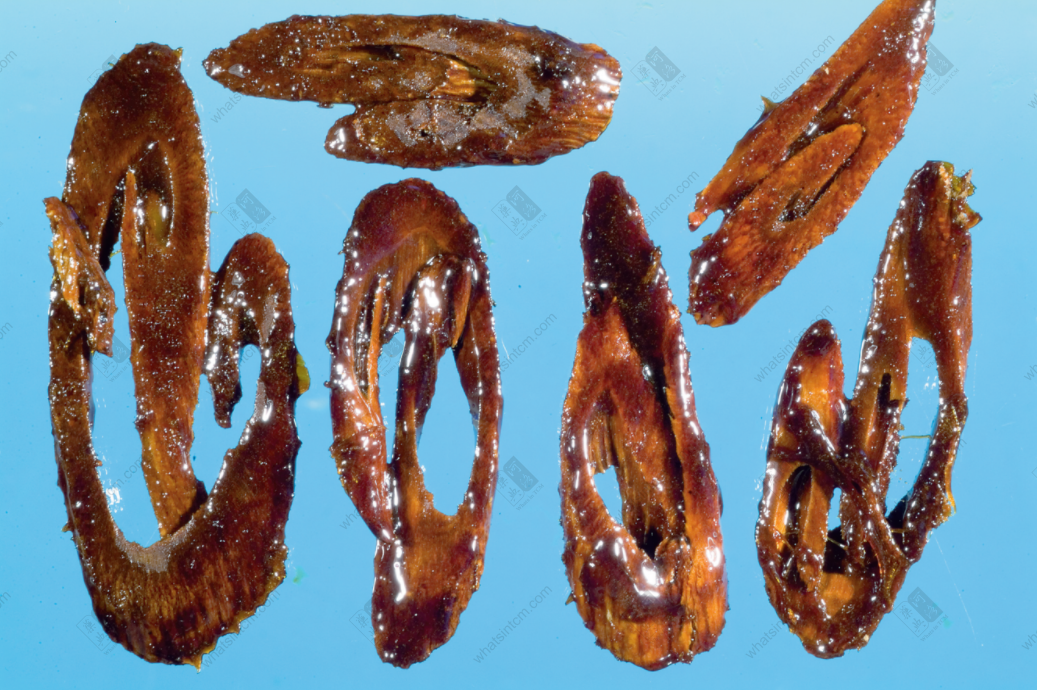 Honey-Prepared Mulberry Bark Medicinal Slices
“In the low mulberry grove, its leaves are difficult to bear. Having seen my lord, how joyous I am. In the low mulberry grove, its leaves are lush. Having seen my lord, why am I not joyous? In the low mulberry grove, its leaves are deep. Having seen my lord, your virtuous words are so constant. My heart is filled with love, why do I not express it? Deep within my heart I hide it, on what day shall I forget it!” – Book of Songs, Odes, Xiaoya, Mulberry.
This poem intertwines the beauty of the mulberry tree with the joy of seeing a loved one, transforming it into a love poem. The mulberry is the plant that appears most frequently in the Book of Songs, found in sections like ‘Guofeng,’ ‘Xiaoya,’ ‘Dayá,’ and ‘Song,’ demonstrating its profound influence on people’s lives. Beyond its use in feeding silkworms, mulberry leaves are also a common traditional Chinese medicine.
According to the 2021 fourth edition of the Taiwan Chinese Materia Medica, Sang Ye (Mulberry Leaf) (https://whatsintcm.com/en/dt_articles/mulberry-leaf/) refers to the dried leaves of the mulberry plant, *Morus alba L.*, primarily cultivated in Anhui, Zhejiang, Jiangsu, and Sichuan provinces. They are typically harvested the morning after the first frost of the ‘Shuangjiang’ period (Frost Descent), after the frost has melted. Impurities are removed, and the leaves are sun-dried. Because they are harvested after frost, they are also known as ‘Shuang Sang Ye’ (Frost Mulberry Leaf) or ‘Dong Sang Ye’ (Winter Mulberry Leaf). The ‘Bai Cao Jing’ (Hundred Herbs Mirror) records: “Mulberry leaves must be pressed by heavy snow; the day after clear snow, harvest them, string them, and hang them in a shaded area to dry. Their color is often dark blue-green, and when the wind blows, they make a metallic sound, hence the name ‘Tie Shan Zi’ (Iron Fan). Those harvested after the Winter Solstice are best.” Therefore, it also has the alternative name ‘Tie Shan Zi,’ along with others such as ‘Jia Sang Ye’ (Domestic Mulberry Leaf), ‘Sang Shen Shu Ye’ (Mulberry Fruit Tree Leaf), ‘Sang Shu Ye’ (Mulberry Tree Leaf), and ‘Shen Xian Ye’ (Immortal Leaf). The medicinal form is often shriveled and broken. Intact leaves have petioles, and when unfolded, are broadly ovate. They measure 8-15 cm long and 7-13 cm wide, with a gradually tapering apex and a truncate, rounded, or cordate base. The margins are usually serrated or obtusely serrated and may have irregular divisions. The upper surface of the leaf is yellow-green or pale yellow, with some small warty protrusions. The lower surface is slightly lighter in color, with prominent veins forming a small reticulate pattern. The veins are sparsely hairy, and the vein bases have tufts of hair. The texture is brittle, with a faint odor and a slightly bitter and astringent taste. A common adulterant is the leaf of the poplar tree. The primary distinguishing feature is the venation pattern. The small areas enclosed by the lateral veins are called venation areoles. In mulberry leaves, these areoles are nearly uniform in size, with lengths and widths that are almost equal. In contrast, poplar leaves, which are used as adulterants, have areoles of varying shapes and sizes, with significant differences between their long and short diameters. Therefore, this serves as a point of differentiation. Additionally, as mulberry leaves are harvested after frost, their surface should be yellow or pale yellow. If both sides are green, or if there are dark-colored leaves, caution should be exercised.
Furthermore, depending on clinical application, mulberry leaves are processed with honey to become ‘Mi Sang Ye’ (Honey Mulberry Leaf) or ‘Zhi Sang Ye’ (Honey-Prepared Mulberry Leaf). First, refined honey is diluted with an appropriate amount of boiling water, then mixed with clean mulberry leaf fragments. The mixture is allowed to moisten, and then stir-fried in a hot pan over low heat until the surface turns deep yellow, slightly glossy, and no longer sticky. It is then removed and cooled for use. Typically, the ratio of mulberry leaf fragments to honey is 4:1. According to the ‘Ben Cao Gang Mu’ (Compendium of Materia Medica), “Mulberry leaf is a medicine of the Hand and Foot Yangming meridians, treating consumptive cough, improving vision, promoting hair growth, and stopping thirst.” It was therefore frequently used by Emperor Guangxu and Empress Dowager Cixi. Empress Dowager Cixi also consumed the ‘Ming Mu Yan Ling Wan’ (Bright Eye Longevity Pill) and ‘Ming Mu Yan Ling Gao’ (Bright Eye Longevity Paste), which were primarily made from frost-harvested mulberry leaves and chrysanthemum.
Moreover, the entire mulberry tree possesses medicinal properties. Besides mulberry leaves, its branches are known as ‘Sang Zhi’ (Mulberry Twig) (https://whatsintcm.com/en/dt_articles/mulberry-twig/), its fruit is ‘Sang Shen’ (Mulberry Fruit), and the bark of its root is ‘Sang Bai Pi’ (Mulberry Root Bark) (https://whatsintcm.com/en/dt_articles/sang-bai-pi-mulberry-root-bark/), all of which are commonly used traditional Chinese medicines. Mulberry root bark is known in Japan as ‘Yan Nian Juan Xue’ (Longevity Rolling Snow), a name derived from the Japanese work ‘Wa Kan Yakukō’ (Study of Japanese and Chinese Medicines). The mulberry root bark used is typically from young roots over ten years old, with the inner white bark peeled off and then dried. Some practitioners even excavate roots three feet underground, peel off the root bark, and because medicinal materials should avoid iron, they use a copper knife to scrape off the outer layer of yellowish-green thin bark, taking the inner white bark. The sap within the bark is not removed, as this is where the medicinal efficacy resides. Further details on what to look for when purchasing will be discussed at a later time.
Modern pharmacological research indicates that mulberry leaves have beneficial effects in improving conditions such as high blood pressure and high cholesterol, and possess anti-inflammatory properties. They are also highly effective for dizziness caused by wind-heat common cold or liver yang hyperactivity. Mulberry trees are widely cultivated in Taiwan, allowing access to fresh mulberry juice and health products made from mulberry leaves. Taiwan’s regulatory authorities have established standards for heavy metals and sulfur dioxide in mulberry leaves, ensuring public safety.
【Image Provided by】Professor Chang Xian Zhe, ‘Illustrated Guide to Authentic Medicinal Materials‘ https://whatsintcm.com