
Magnolia Bark (Houpo): A Common TCM Herb for Gastrointestinal Discomfort, Available in Various Forms with Distinct Characteristics
「於是乎盧橘夏熟,黃甘橙楱;枇杷橪柿,楟奈厚朴;梬棗楊梅,櫻桃蒲陶;隱夫薁棣,荅遝離支;羅乎後宮,列乎北園;䝯丘陵,下平原;揚翠葉,扤紫莖;發紅華,垂朱榮;煌煌扈扈,照曜鉅野。」 《上林賦》 司馬相如
The mention of “ting, nai, and houpo” in the above passage describes the magnificent scene of the Shanglin Garden, illustrating the tall, robust, and beautiful nature of its trees.
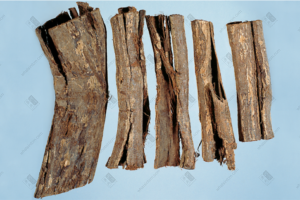
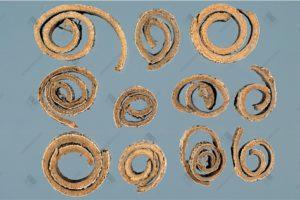
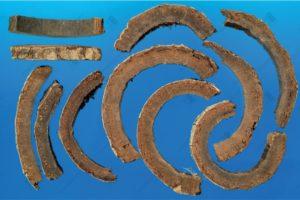
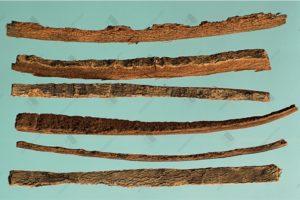
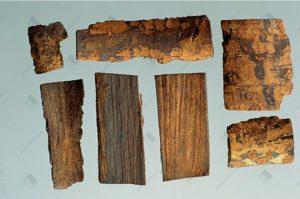
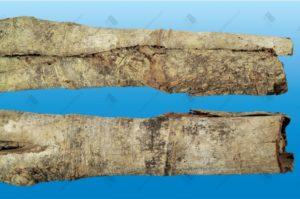
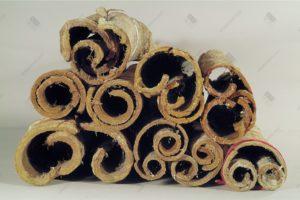
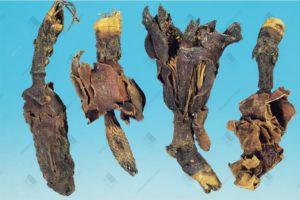
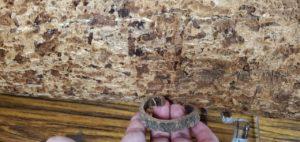
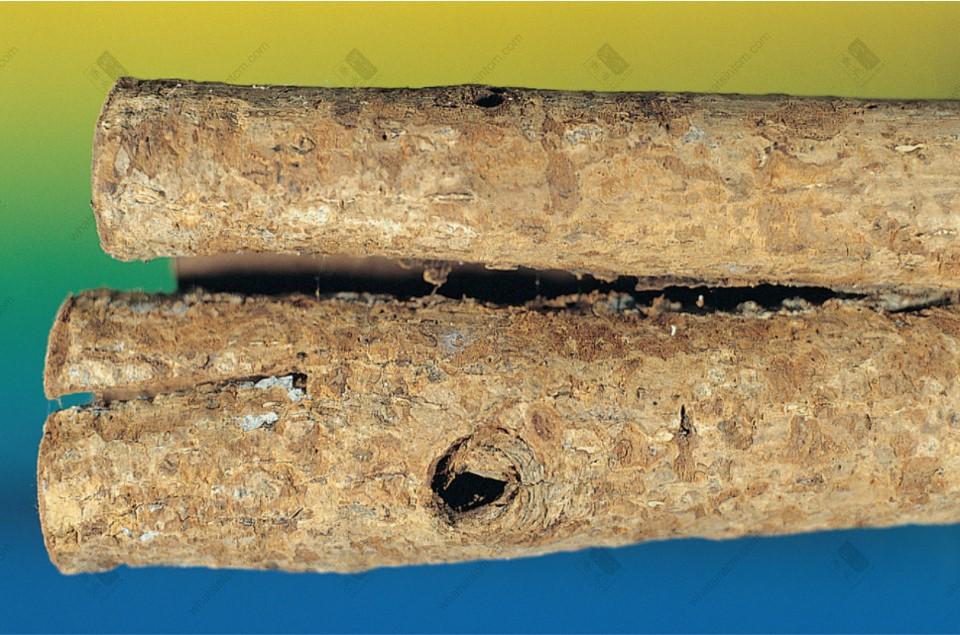
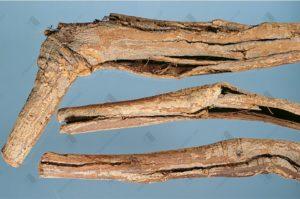
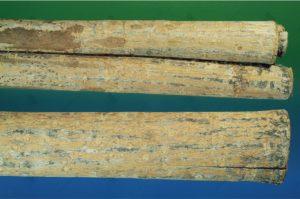
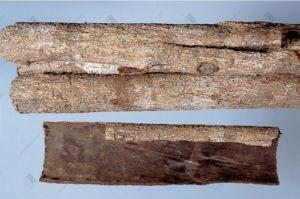
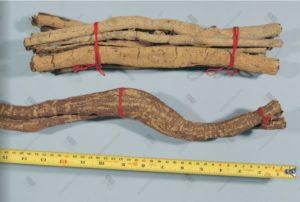
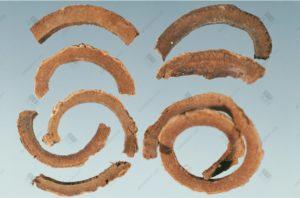
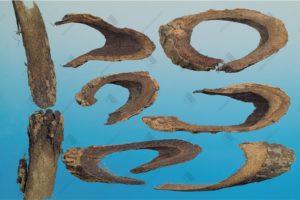
According to the third edition of the Taiwan Herbal Pharmacopoeia, Houpo (https://whatsintcm.com/dt_articles/%E5%8E%9A%E6%9C%B4/) refers to the dried stem bark, root bark, and branch bark of Magnolia officinalis Rehder et E.H.Wilson or Magnolia officinalis var. biloba Rehder et E.H.Wilson, both belonging to the family Magnoliaceae. Due to its thick bark, it is also known as ‘Houpi’ (thick skin). It is primarily produced in regions such as Sichuan, Hubei, Hunan, Fujian, and Zhejiang, with Zhejiang’s produce being of superior quality. The medicinal parts include the bark of the trunk, branches, or roots. Harvesting usually takes place in spring and summer, from April to June, as this is the peak growing season for trees, and harvesting at this time does not significantly impact plant growth. Trees are typically harvested after being cultivated for about 15-20 years. Different medicinal parts undergo different processing methods. Root bark or branch bark can be directly air-dried after harvesting. Because they often form single, curved tubes resembling chicken intestines, they are also known as ‘Chicken Intestine Houpo’ (Jichang Po). If larger trunk bark is harvested, it is first briefly boiled in water, then piled in a damp place to ‘sweat’ until the inner surface turns purplish-brown or brownish-brown. If dried by baking, the purplish-brown color is less common. Afterward, it is steamed until soft, rolled into a tube shape, and dried. Because of its tubular or double-rolled appearance, it is also called ‘Tube Houpo’ (Tong Po). Furthermore, if the dried bark near the root is harvested and one end flares out like a trumpet or resembles a boot opening, it is called ‘Boot-Tube Houpo’ (Xuetong Po). A crucial characteristic in the preparation process is to avoid high-temperature baking, to prevent the volatile oils contained in the herb from evaporating and being lost. Additionally, the prepared herbal slices commonly available on the market are mostly curled and spiral-shaped (like incense coils). The Yunxian Zaji (Miscellaneous Records of Yunxian) states: “Houpo from Shu (Sichuan), if harvested after drinking wine, its purple color disperses, and its efficacy is lost.” Therefore, when selecting Houpo, it is often preferred to choose pieces with thick bark, a purplish-brown inner surface, sufficient oiliness, a special aroma when sniffed, small bright ‘stars’ on the cross-section, a rich volatile oil scent, and no distinct taste or occasionally a bitter taste when chewed. Moreover, there have been instances in the market where the bark of other plants is mixed in and sold, so caution should be exercised when purchasing. Additionally, because it contains volatile oils, the decocting time should not be too long to prevent the oil from evaporating and reducing its medicinal properties. Depending on individual body constitution, Houpo Flower (https://whatsintcm.com/dt_articles/%e5%8e%9a%e6%9c%b4%e8%8a%b1/) is sometimes used medicinally. Its qi-regulating effect is slightly weaker and is suitable for individuals with weaker constitutions.
Houpo is warm in nature, with a bitter and pungent taste. Due to its pungent and strong nature, it is also known as ‘Liepo’ (Strong Houpo). It has the effects of regulating qi and drying dampness. When used raw, its medicinal properties are quite strong and can sometimes irritate the throat. Therefore, it is often processed with ginger juice and then called ‘Ginger-Processed Houpo’ (Jiang Houpo). The main method involves mixing shredded Houpo with ginger juice, allowing it to steep until the ginger juice is fully absorbed, then stir-frying it over low heat until dry, and finally removing it to cool. After ginger processing, its irritating effect on the throat is reduced, and its effects of broadening the middle jiao and harmonizing the stomach are enhanced. The commonly used formula for treating gastrointestinal diseases, Pingwei San (https://whatsintcm.com/dt_articles/%e5%b9%b3%e8%83%83%e6%95%a3/), contains this herb. Modern pharmacological research indicates that its constituents, honokiol and magnolol, are excellent antioxidants beneficial to health. Furthermore, Taiwan’s Traditional Chinese Medicine regulatory authorities have established specific standard limits for heavy metals such as arsenic, cadmium, mercury, lead, and sulfur dioxide in this herb, ensuring its safe use by the public.
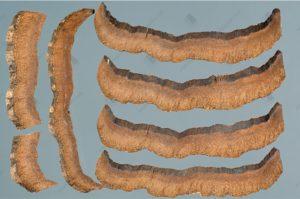
【Image Source】Professor Chang Hsien-che’s Atlas of Authentic Medicinal Materials https://whatsintcm.com
【Author Profile】
Chen Ta-chen, Education: PhD in Traditional Chinese Medicine, China Medical University
Current Position: Assistant Research Fellow, Medical Intelligence Center, China Medical University Hospital
Editorial Board Member, Chinese Materia Medica Section, National Committee for Common Teaching Materials in TCM Universities
Distinguished Lecturer, Industrial Technology Research Institute (ITRI)
Adjunct Lecturer, Post-Baccalaureate Chinese Medicine Program, China Medical University
Adjunct Assistant Professor, Department of Pharmacy, Chia Nan University of Pharmacy and Science
Heluo Pharmacopoeia www.whatsinTCM.com Co-founder