



The Essence of ‘Shi Quan Da Bu Tang’, a Famous Winter Health Prescription: Rehmannia Has Several Varieties, Don’t Buy the Wrong One

[Author] Chen Dazhen
The great literati Su Dongpo of the Song Dynasty wrote a poem titled “Rehmannia“: “Rehmannia feeds old horses, making them shine like mirrors. I heard Le Tian’s words, likening the horse’s condition to one’s own. I am old and confined to the stable, with drooping ears and flagging spirits. Transplanted into fertile soil, it thrives, competing for the new spring. Submerged in water, tender roots are obtained; aged fuel is nourished by re-steaming. Mixed with pure Dong’e, and blended with mellow Beihai. Cliff honey aids its sweet coolness, mountain ginger brings forth its fragrant pungency. It melts into a confection for Cold Food Festival, swallowed like a precious dew. The dantian naturally holds internal fire, and the parched lungs generate fluids again. I wish to offer it to those with internal heat, to wash away the dust from their chests.” The poem describes how Rehmannia is cultivated, how its taste is subtly adjusted with cliff honey, mountain ginger, Dong’e Ejiao, and Beihai alcohol, and highlights its effects of generating fluids and clearing heat.
“Shi Quan Da Bu Tang” (Ten Complete Great Tonifying Decoction) primarily originates from the Song Dynasty’s “Taiping Huimin Heji Ju Fang” (Formularies of the Bureau of Taiping Prescriptions for Benefiting the People). This book mainly collected various folk remedies of the time and was uniformly published by the government for public use. The Rehmannia in this formula is the main reason the decoction appears black. It is primarily produced in the Jiaozuo region of Henan (formerly Huaiqing County, now Wuzhi County). Because this area is at the confluence of the Yellow River and Qin River, it was historically known as “Huaiqin Fu,” thus in the market, it is commonly labeled “Huai Dihuang.” Furthermore, the Song Dynasty’s “Rihua Zi Ben Cao” (Rihua Zi Materia Medica) records: “For the raw material, soak it in water to test; those that float are called Tian Huang (Heavenly Rehmannia), those that half float and half sink are called Ren Huang (Human Rehmannia), and those that sink are called Di Huang (Earth Rehmannia). Those that sink are of excellent potency, half-sinking ones are secondary, and floating ones are inferior.” This was an ancient basis for distinguishing its quality.
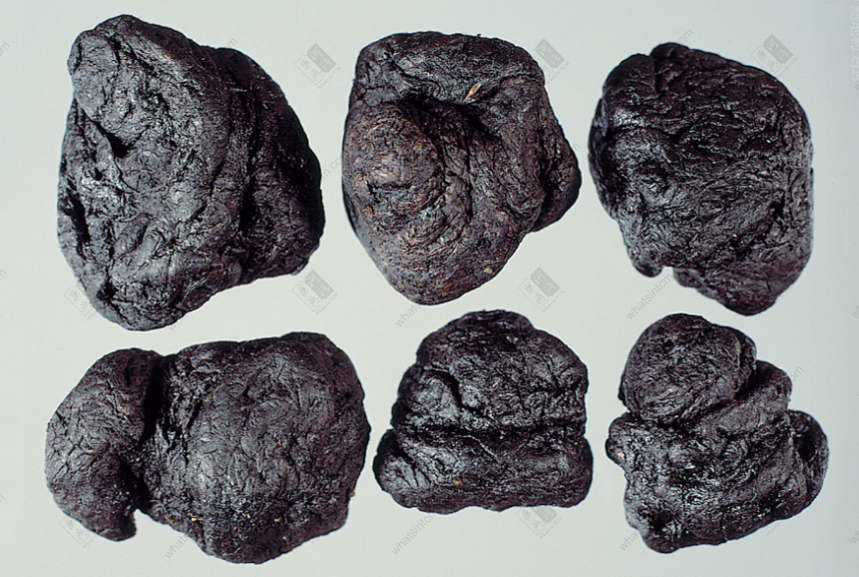
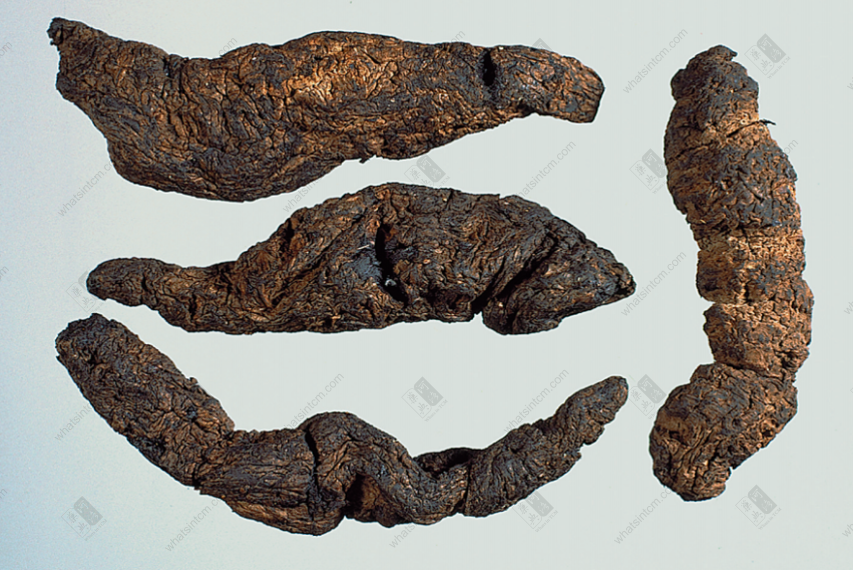
According to the third edition of the Taiwan Herbal Pharmacopoeia, Rehmannia (https://whatsintcm.com/en/dt_articles/rehmannia-root/) refers to the fresh or dried root tuber of the Scrophulariaceae plant Rehmannia glutinosa Libosch. Freshly harvested roots are commonly known as “Fresh Rehmannia Root” (Xiān Dìhuáng), while those slowly baked until about 80% dry are known as “Unprocessed Rehmannia Root” (Shēng Dìhuáng). Fresh Rehmannia Root has a sweet, slightly bitter taste and a cold nature. It mainly enters the heart, liver, and kidney meridians. Unprocessed Rehmannia Root also has a sweet taste and cold nature, primarily entering the heart, liver, and kidney meridians, and its main functions are to clear heat, generate fluids, cool blood, and stop bleeding. In the market, there is another medicinal material called Prepared Rehmannia Root (Shú Dìhuáng). Its source is the same as Rehmannia, but it is obtained after processing. Its main functions are to nourish blood and enrich yin, benefit essence, and replenish marrow. It is effective in improving conditions such as liver and kidney yin deficiency, steaming bone tidal fever, dizziness, tinnitus, and premature greying of hair and beard. The Rehmannia used in “Shi Quan Da Bu Tang” is primarily processed Prepared Rehmannia Root. However, in the market, prices and quality vary due to different processing methods or durations. There are mainly two processing methods: The first method involves simmering Unprocessed Rehmannia Root with yellow wine, typically using 3-6 kg of yellow wine for every 10 kg of Unprocessed Rehmannia Root.
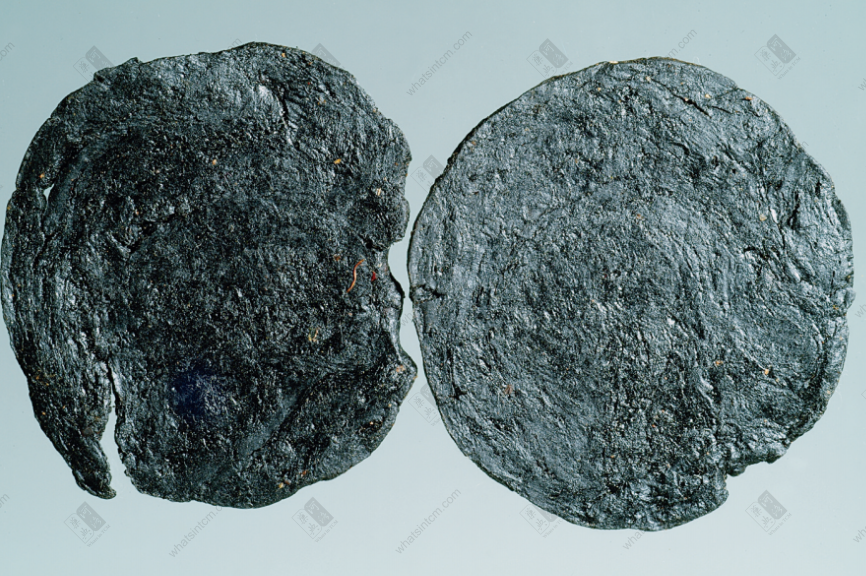
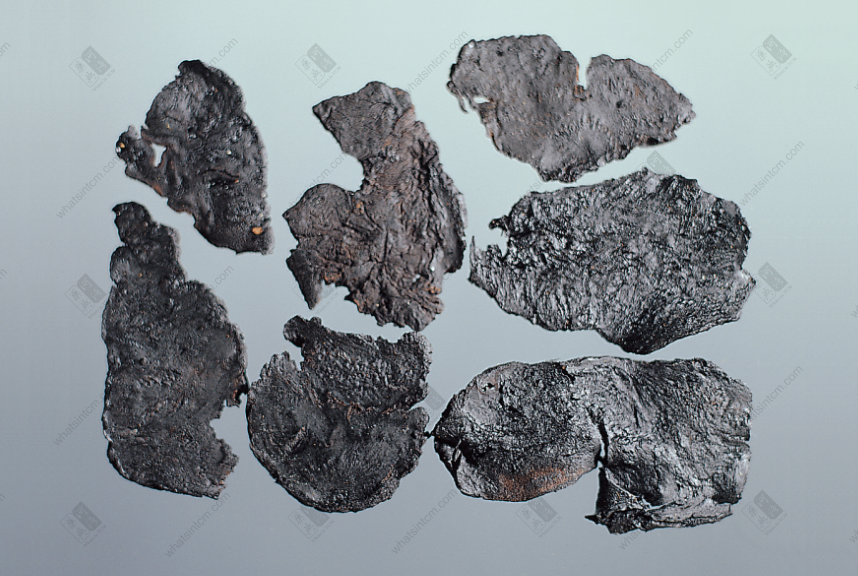
After simmering until the wine is absorbed, remove it and air dry until the outer skin’s mucilage is dry. Then, cut it into thick slices or chunks and dry it for storage. The second processing method involves taking Unprocessed Rehmannia Root, steaming it in a steamer until it turns black and lustrous, then removing it and drying it until about 80% dry. Then, cut it into thick slices or chunks and dry it for storage. Good quality prepared Rehmannia Root should have a glossy, black surface, be highly viscous, soft yet resilient in texture, have a faint aroma, and a sweet taste. In the market, prices mainly vary based on the number of processing cycles and the auxiliary ingredients added. Typically, those processed multiple times or “nine times processed” (九制) have higher prices, with price differences reaching up to three times. Therefore, consumers need to confirm carefully when purchasing to avoid buying the wrong product.
Rehmannia is mainly divided into three types: “Fresh Rehmannia Root” (Xiān Dìhuáng), “Unprocessed Rehmannia Root” (Shēng Dìhuáng), and “Prepared Rehmannia Root” (Shú Dìhuáng). Depending on the desired therapeutic effects, different processed forms of Rehmannia are used. Prepared Rehmannia Root is commonly used in “Shi Quan Da Bu Tang,” and it is also the main ingredient in the well-known formula “Liu Wei Di Huang Wan” (Six-Ingredient Rehmannia Pill), which has excellent effects in nourishing kidney yin. Historically, due to its significant efficacy, many ancient formulas were based on it, with modifications leading to a series of Rehmannia pill remedies. Additionally, there is a similarly named herb, “Foxglove” (Máo Dìhuáng), which has cardiotonic effects; caution must be exercised not to misuse it to prevent unfortunate incidents.
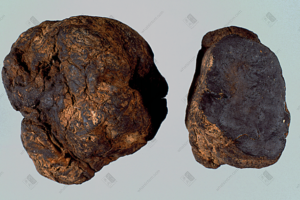
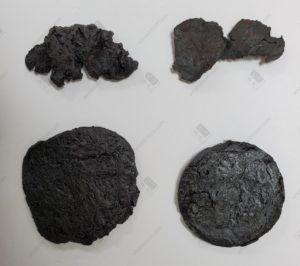
Bottom left: Nine-times processed Prepared Rehmannia slices. Bottom right: Round slices of Prepared Rehmannia. (Provided by Dr. Chen Dazhen)
[Images Provided By] Professor Chang Hsien-Che, “Illustrated Guide to Authentic Medicinal Materials” https://whatsintcm.com
[Author Profile]
Chen Dazhen Education: Ph.D. in Chinese Medicine, China Medical University
Current Position: Assistant Researcher, Medical Intelligence Center, China Medical University Hospital
Compiling Committee Member, Chinese Materia Medica Subject, National Common Textbook Editorial Committee for Chinese Medicine Colleges and Universities
Distinguished Lecturer, Industrial Technology Research Institute (ITRI)
Adjunct Lecturer, Post-Baccalaureate Chinese Medicine Department, China Medical University
Adjunct Assistant Professor, Department of Pharmacy, Chia Nan University of Pharmacy and Science