



Cinnamon
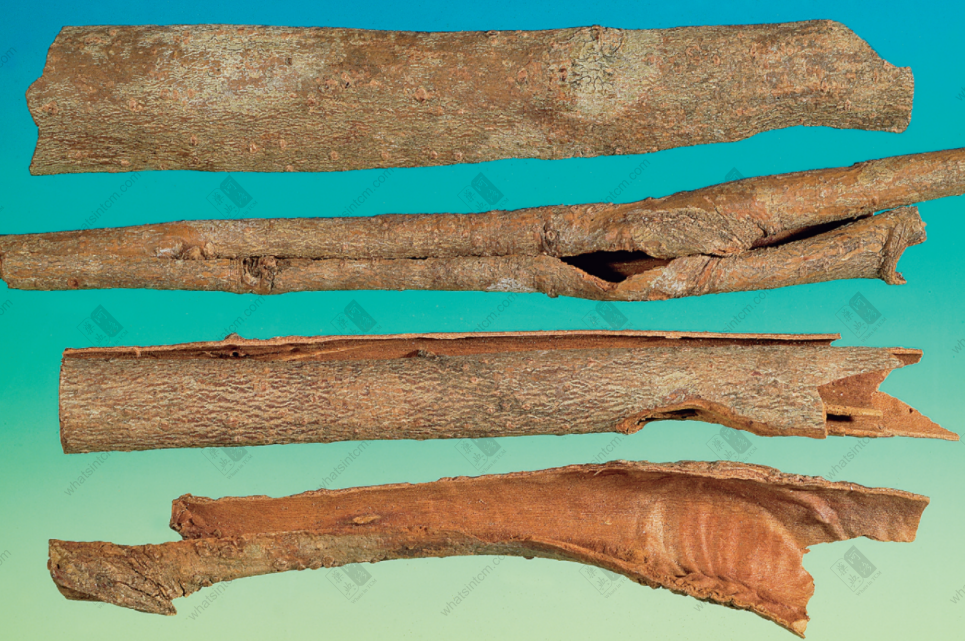
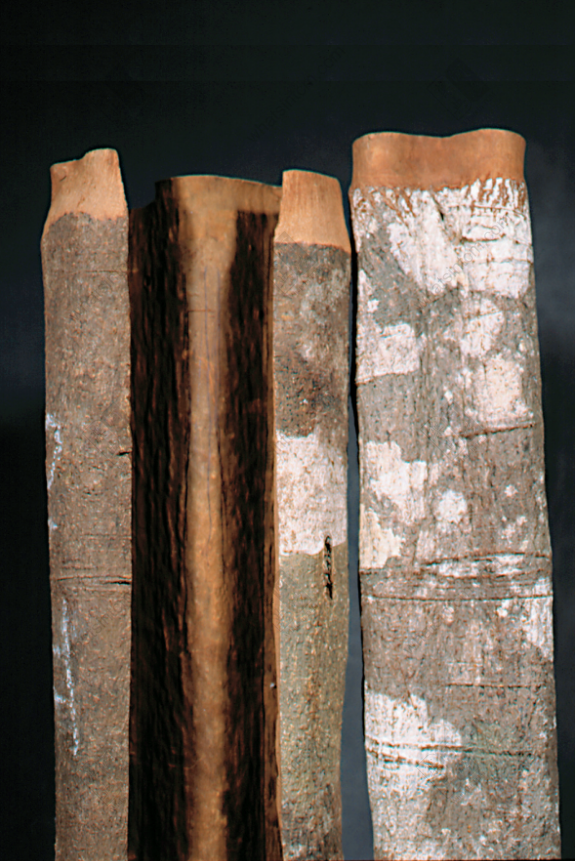 Cinnamon (Thanh Hoa Cinnamon) (Semi-circular trough cylinder, brownish-brown, inner surface is fine reddish-brown, hard and brittle, easy to break, sweet, spicy, and fragrant)
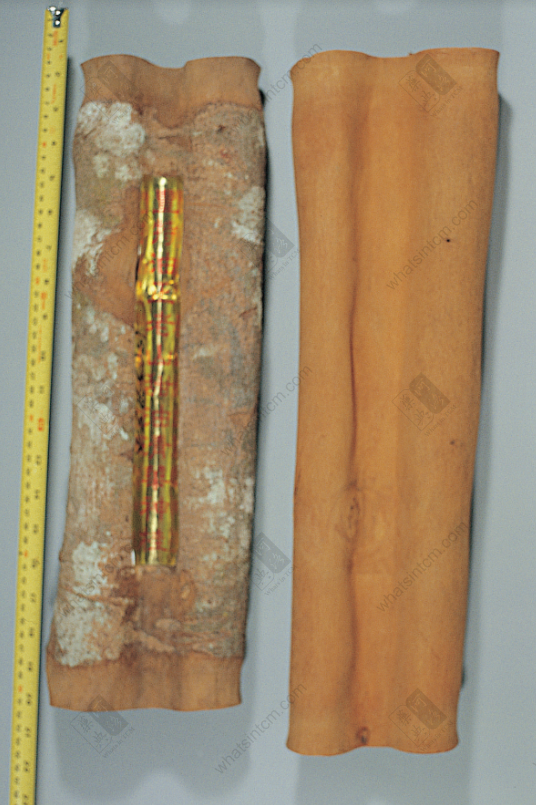 Thanh Hoa Cinnamon (Colored Coat)
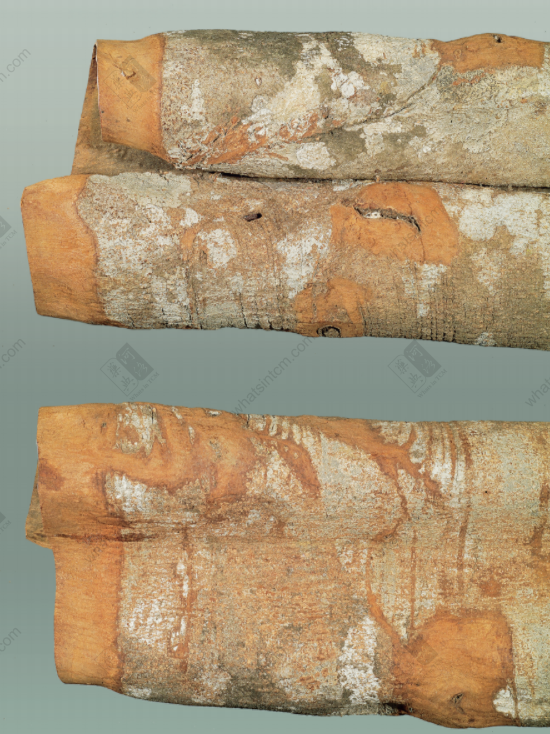 Qi Bian Cinnamon (Two Sides) Actual object 54cm, photographed 27cm
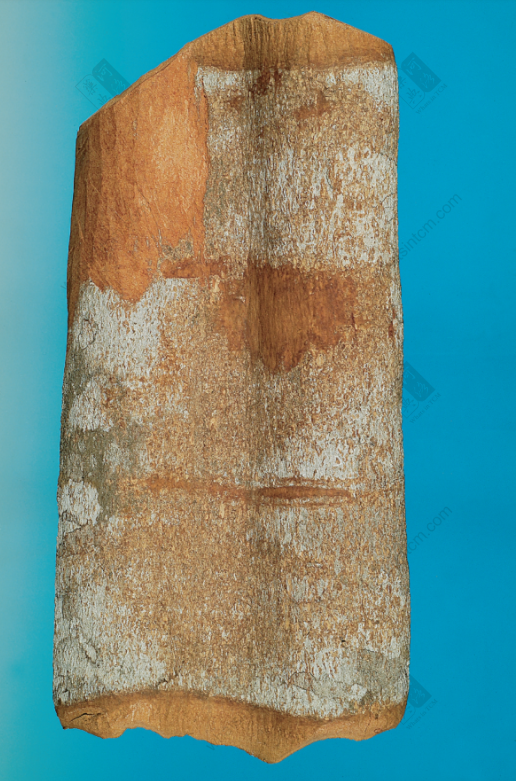 Cinnamon Ten Years
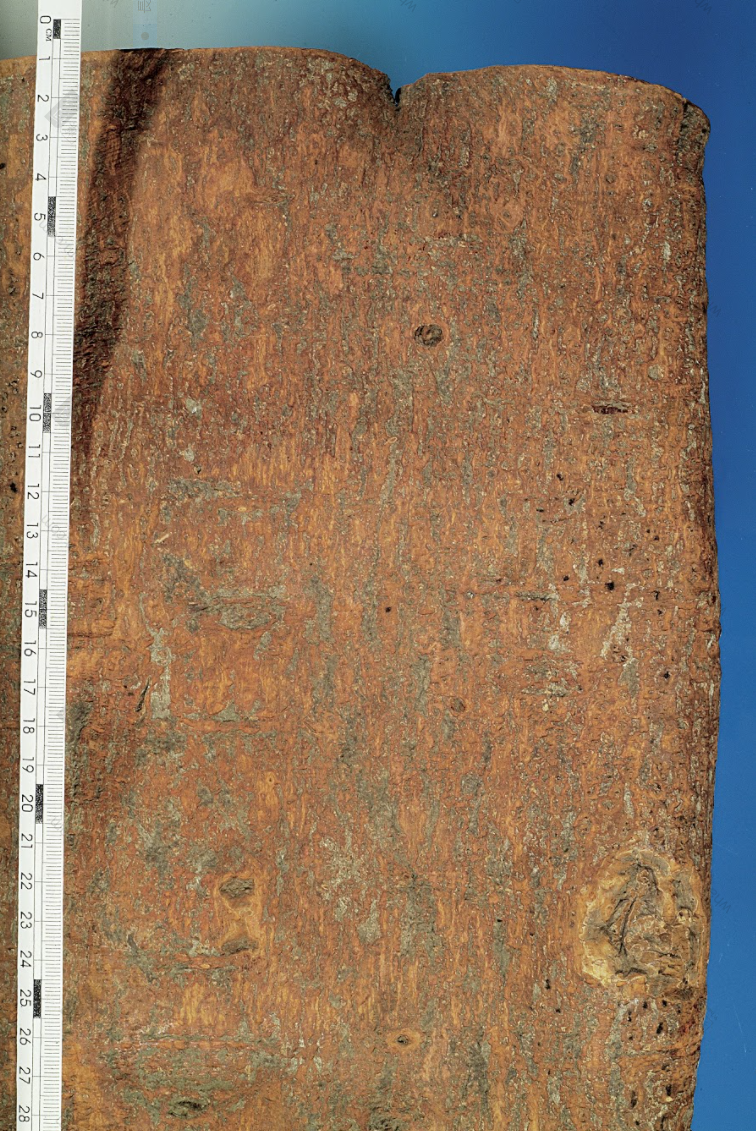 Qi Bian Cinnamon
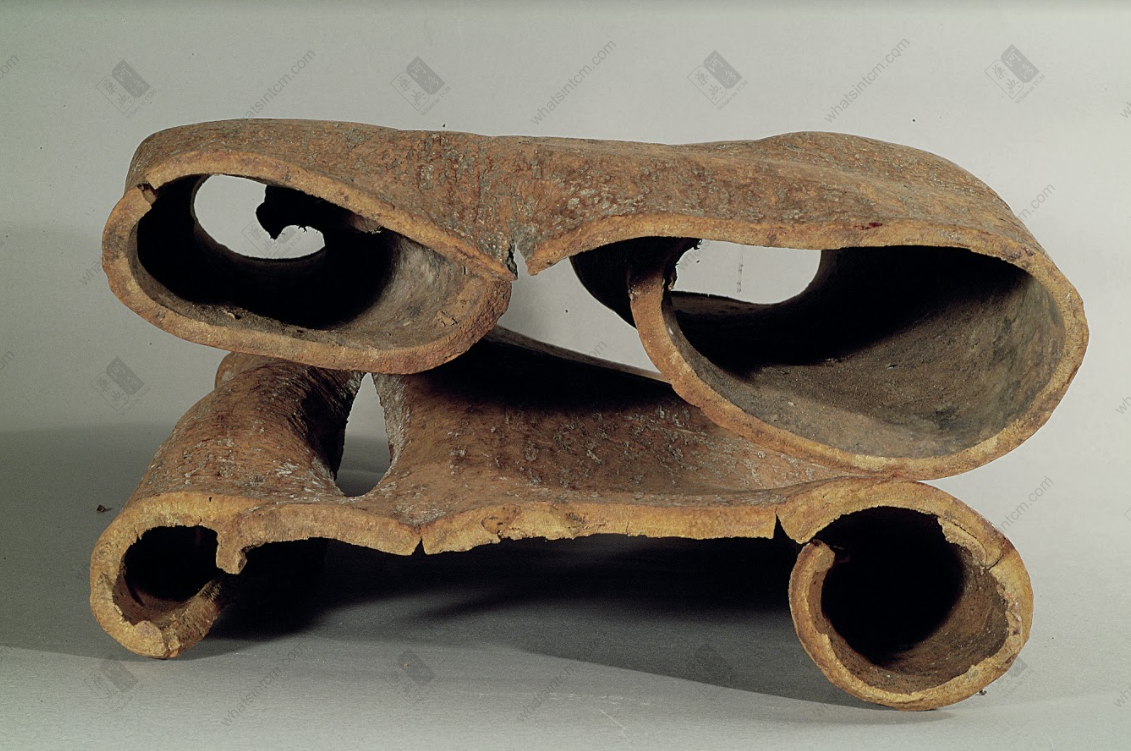 Qi Bian Cinnamon Coil Hole
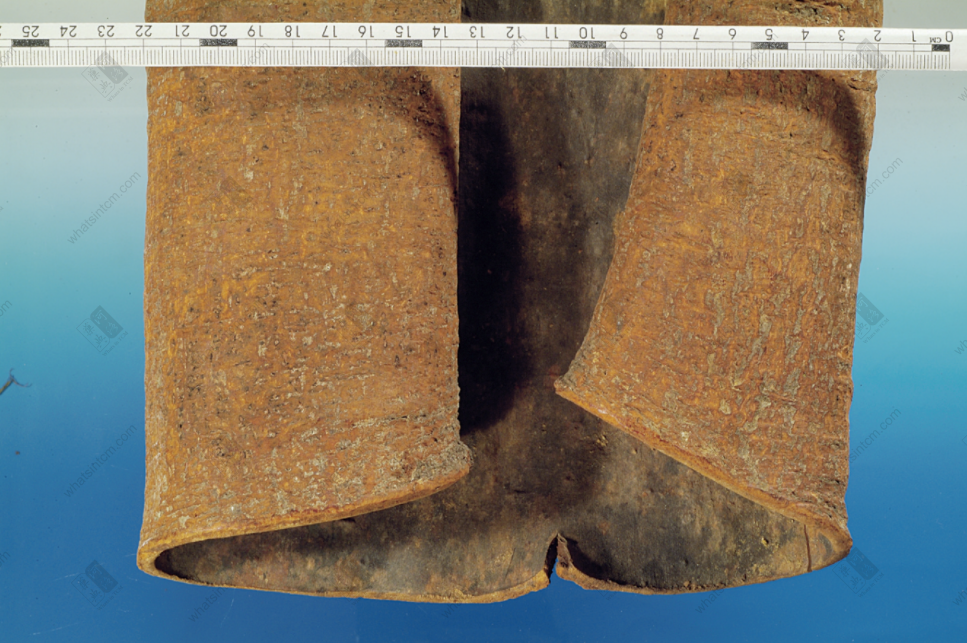 Qi Bian Cinnamon
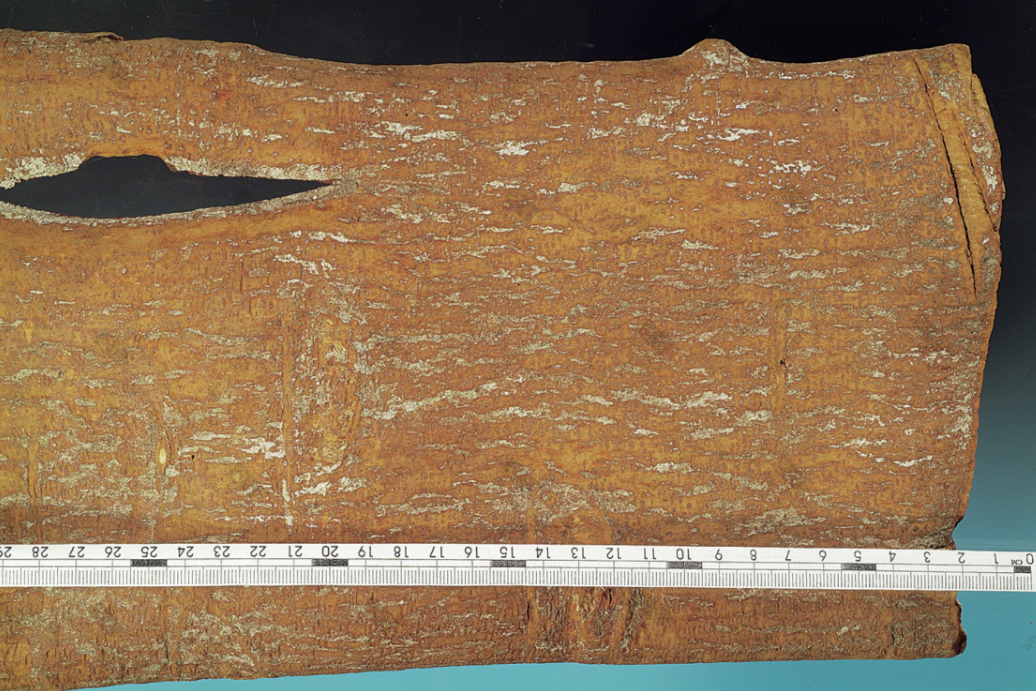 Qi Bian Cinnamon
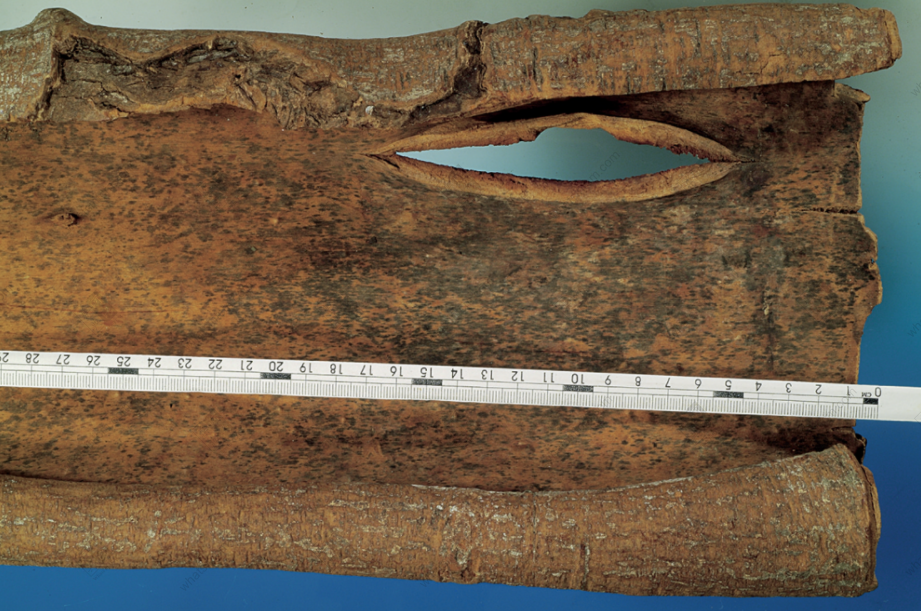 Qi Bian Cinnamon
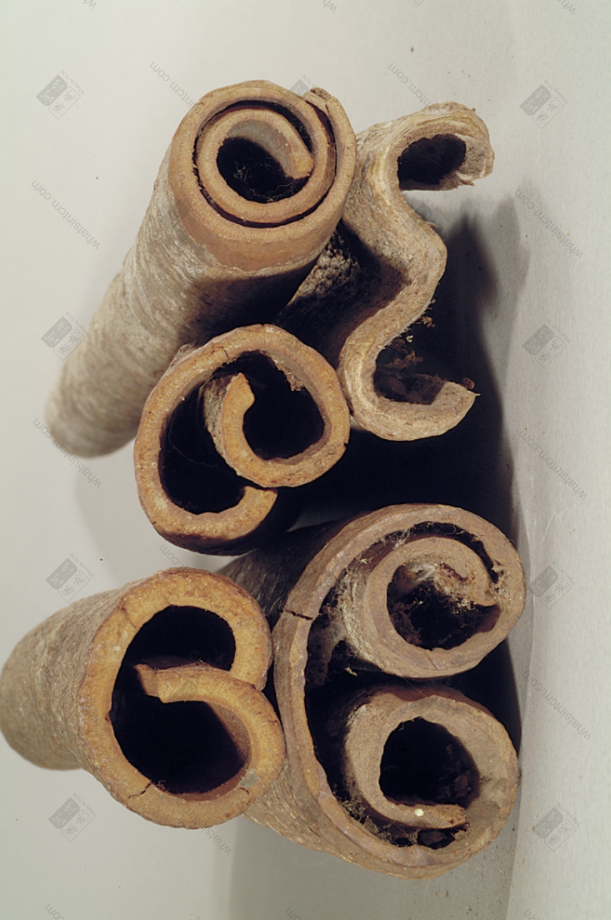 Double and Single Cinnamon Rolls
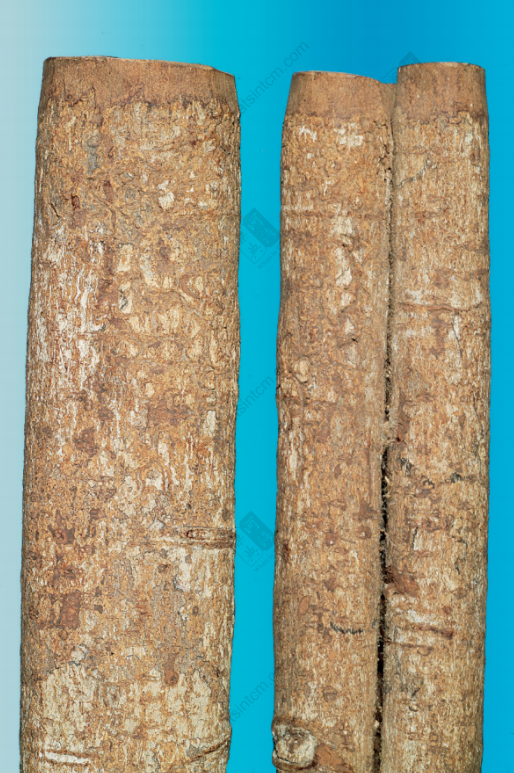 Official Cinnamon
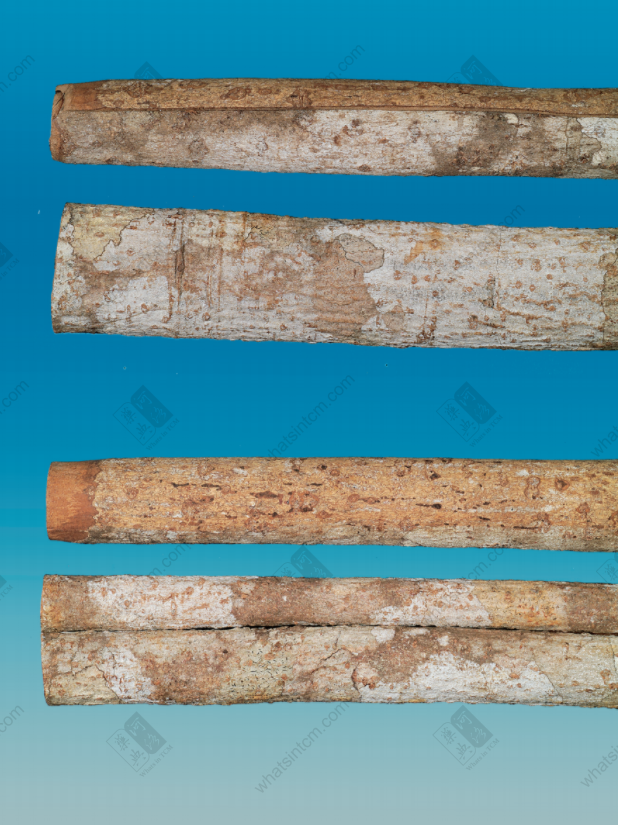 Guangxi Cinnamon
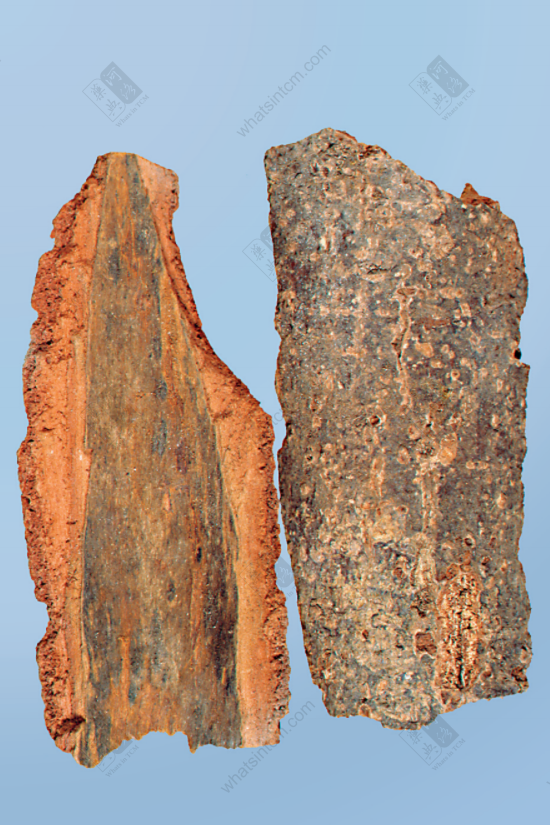 Superior Guangxi Cinnamon
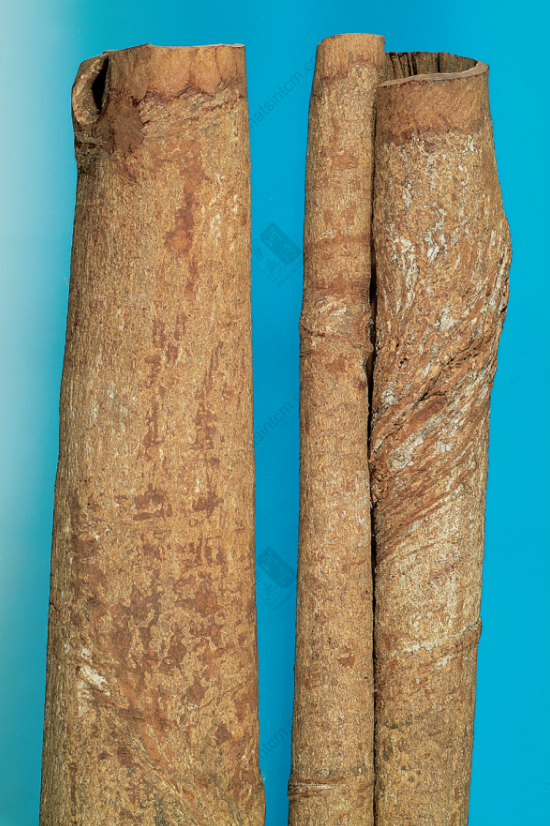 Peeled Guangxi Cinnamon
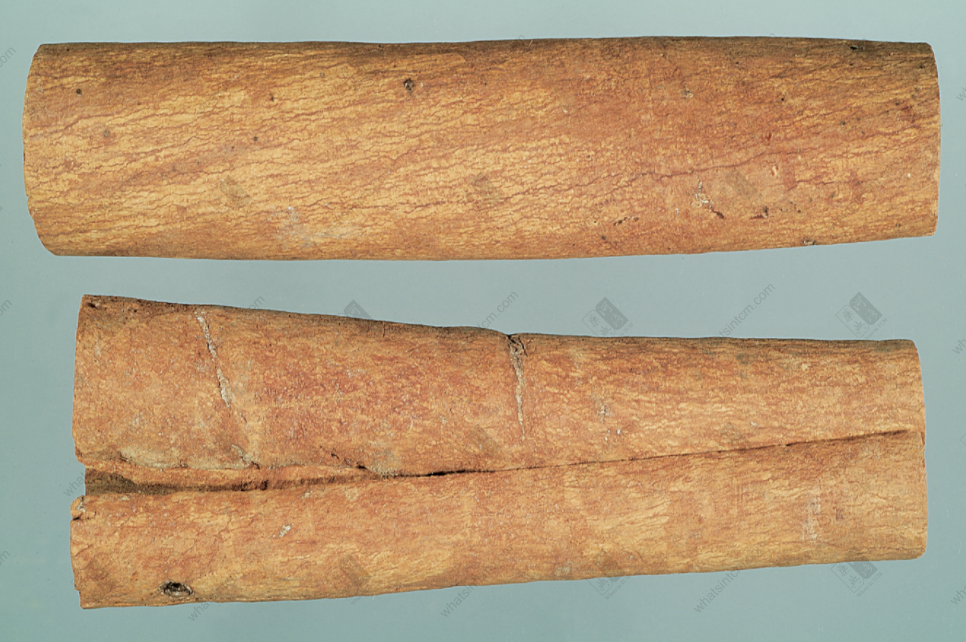 Peeled Guangxi Cinnamon
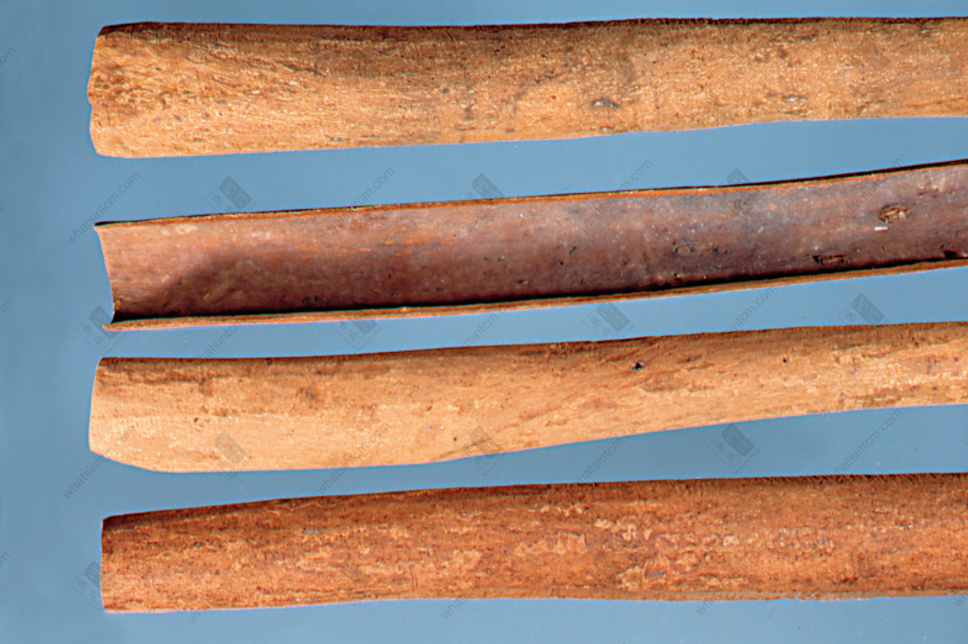 Peeled Guangxi Cinnamon
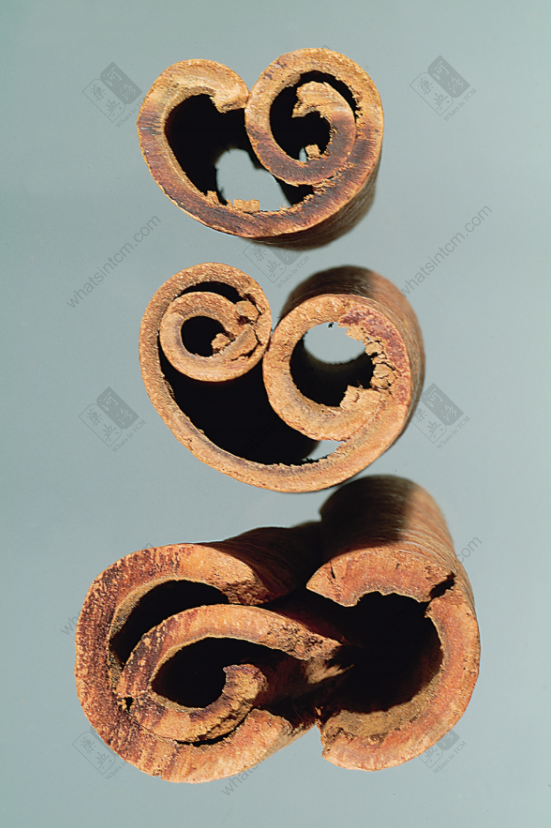 Peeled Guangxi Cinnamon Small Section Coil Surface
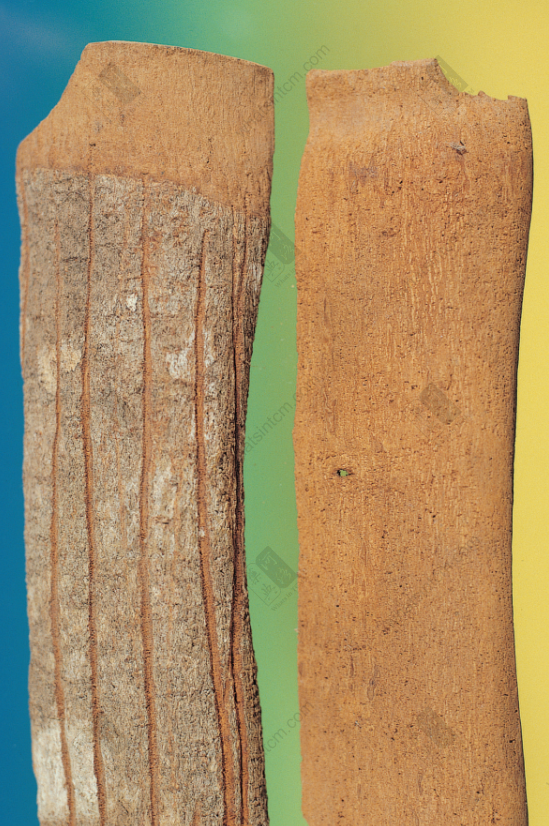 Mao Gui, Peeled Cinnamon
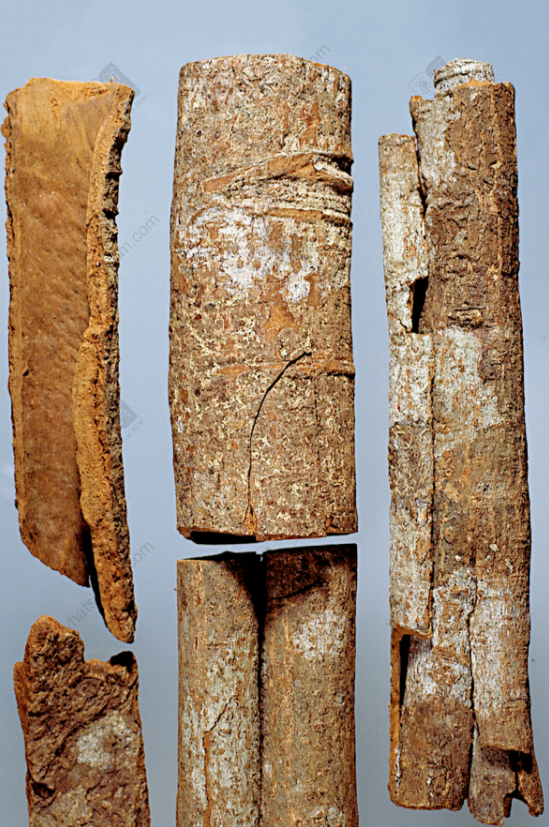 Gui Zha (Left), Guangxi Gui Zha (Center), Superior Gui Zha (Right)
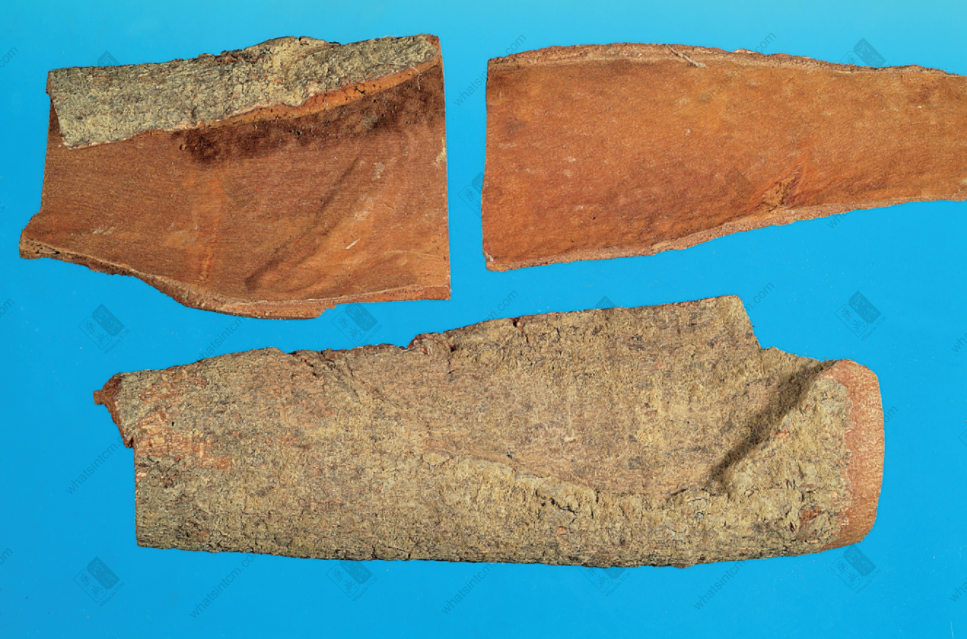
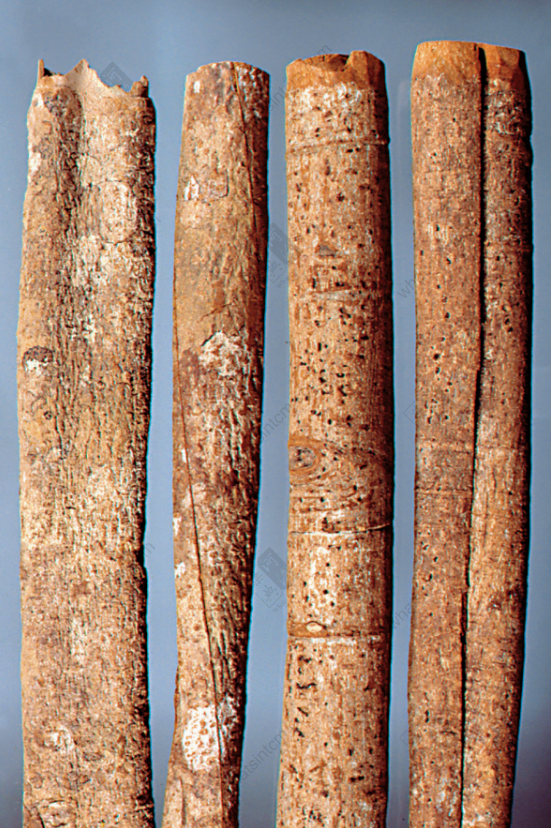 Gui Nan
 Gui Nan
 Gui Nan
 Cinnamon Inferior Grade
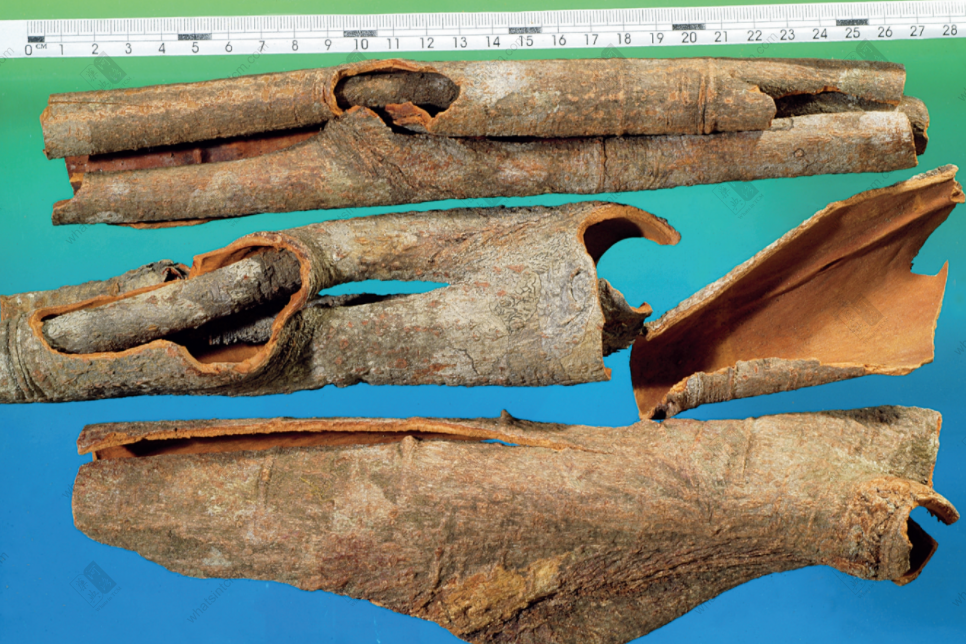 Cinnamon Inferior Grade
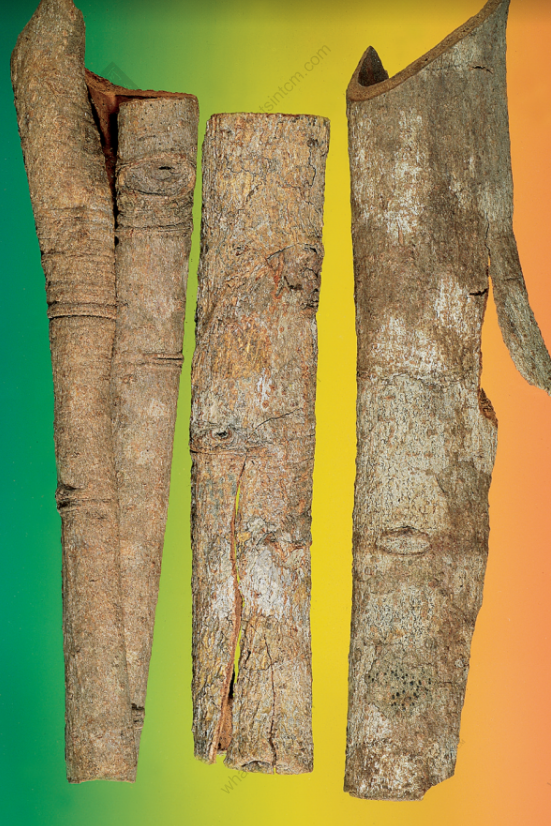
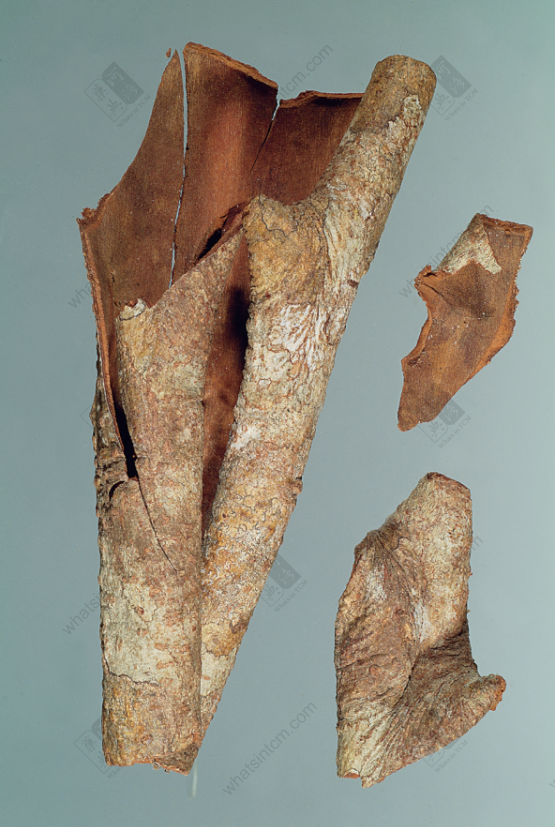 Gui Tong
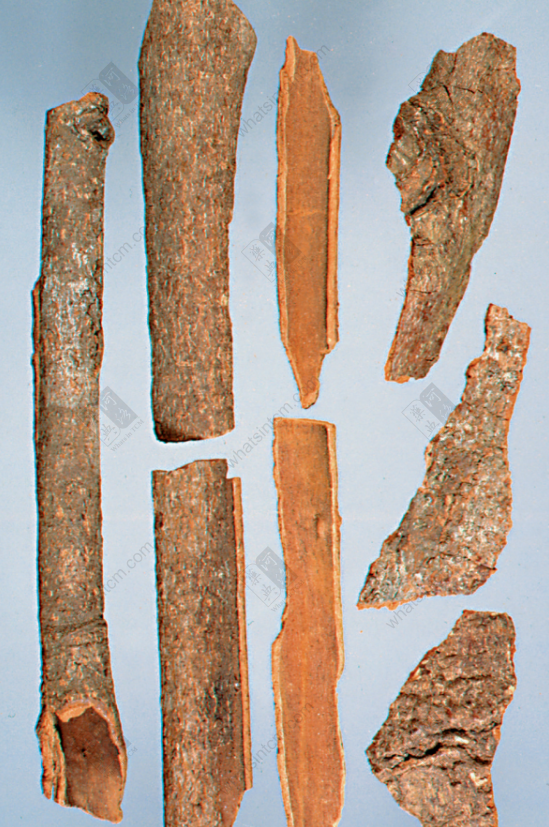 Mainland Gui Tong
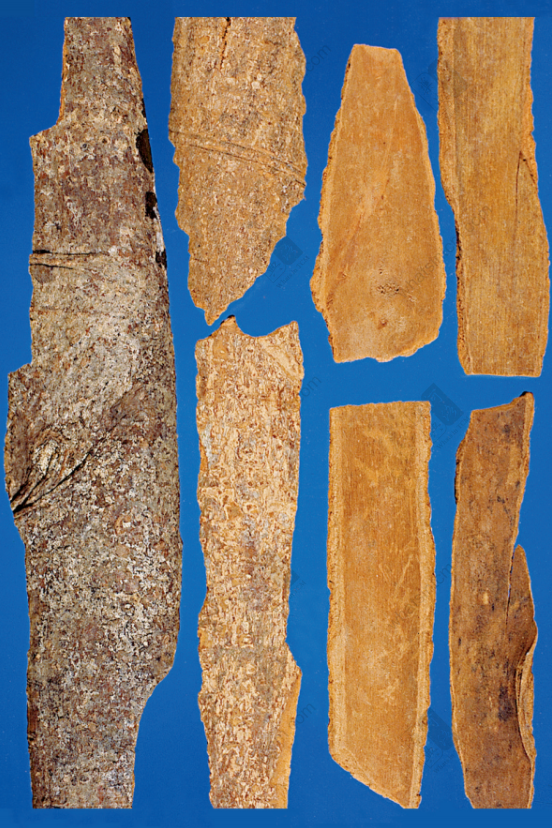 Vietnamese Gui Tong
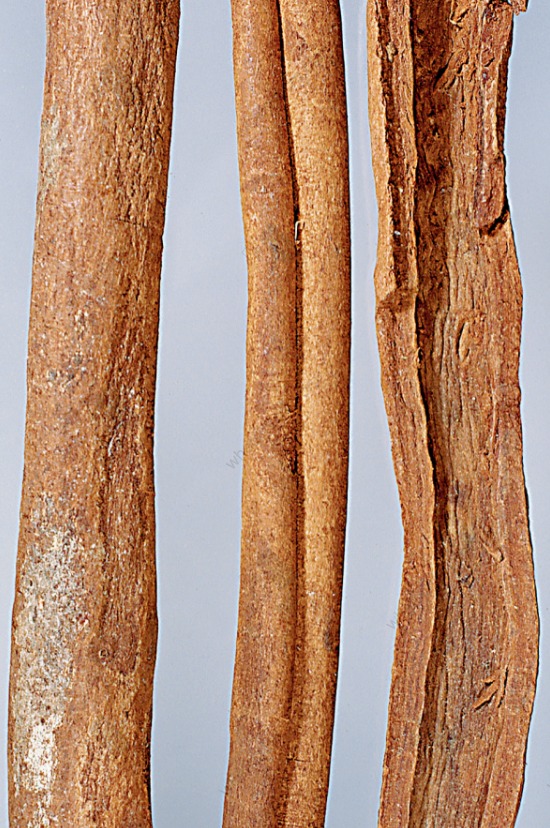 Indonesian Cinnamon
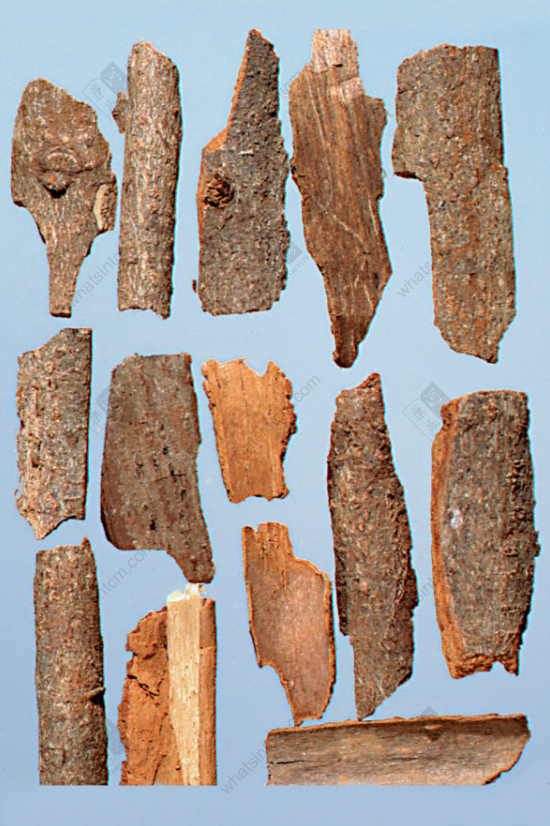 Cinnamon Bark (Branch Bark)
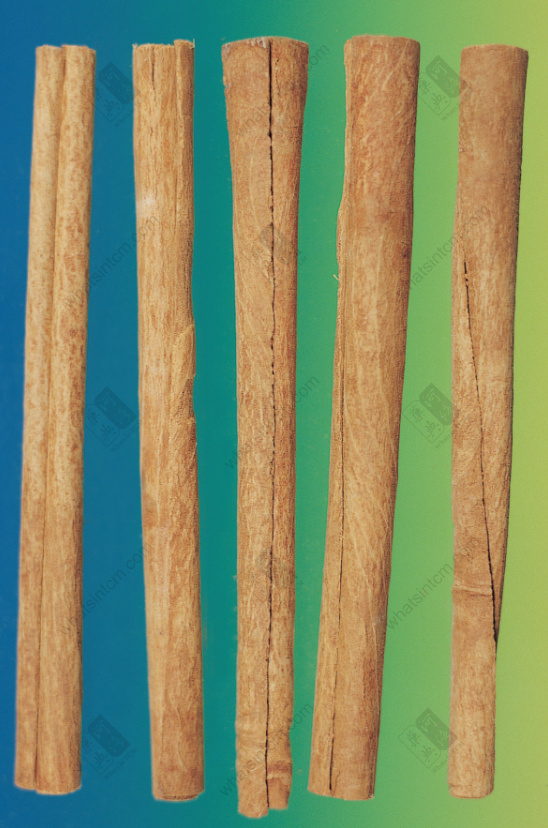 Cinnamon Sticks (For coffee)
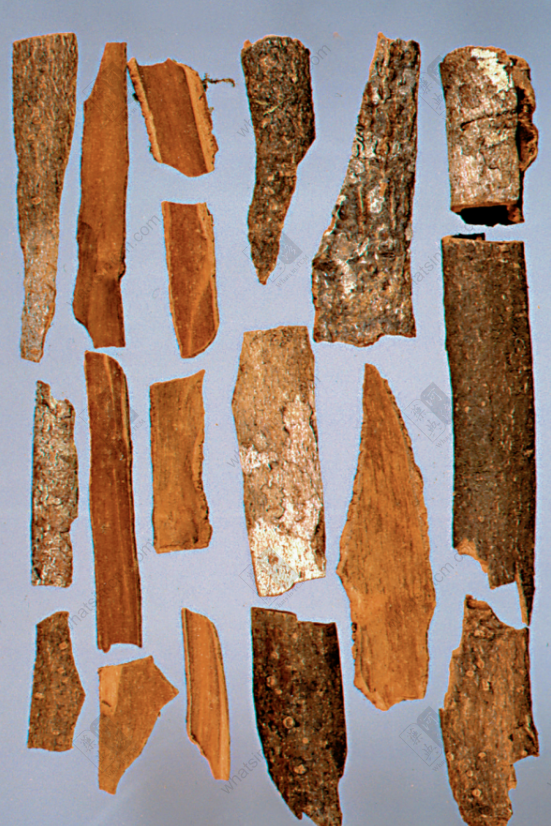 Vietnamese Cinnamon碎 (broken pieces)
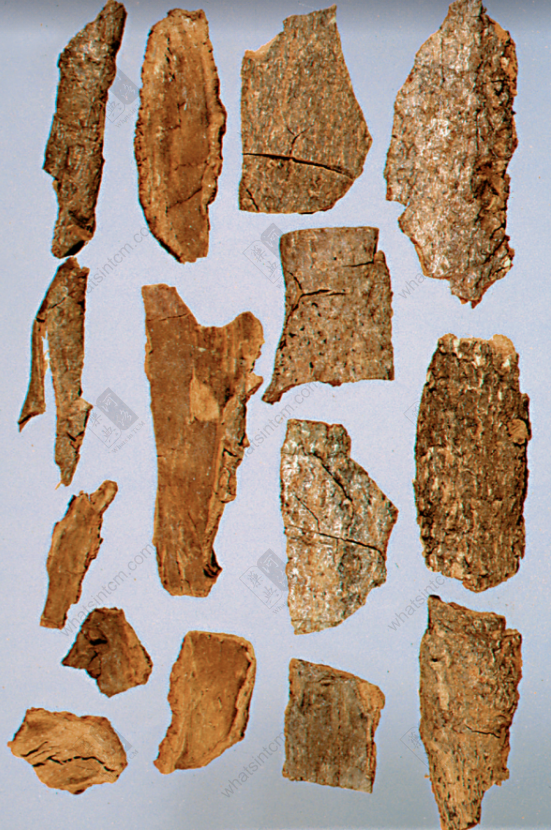 Guangxi Cinnamon碎 (broken pieces)
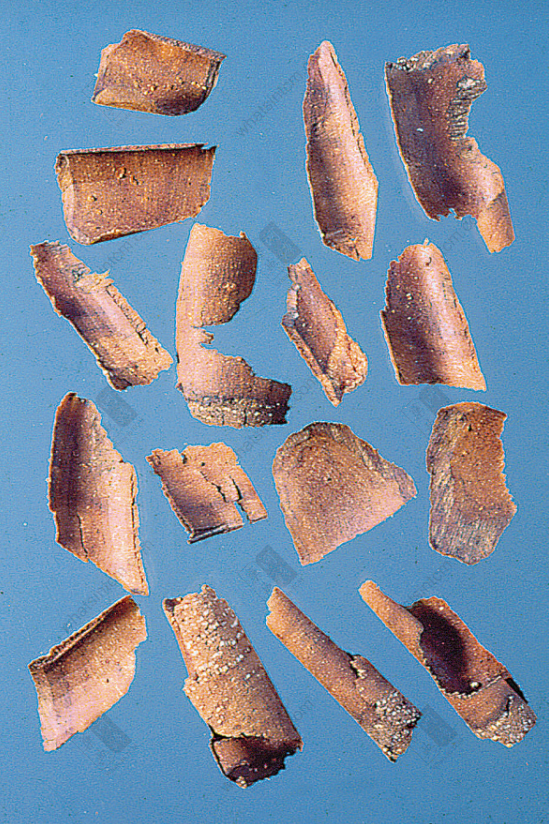 Thanh Hoa Cinnamon Slices
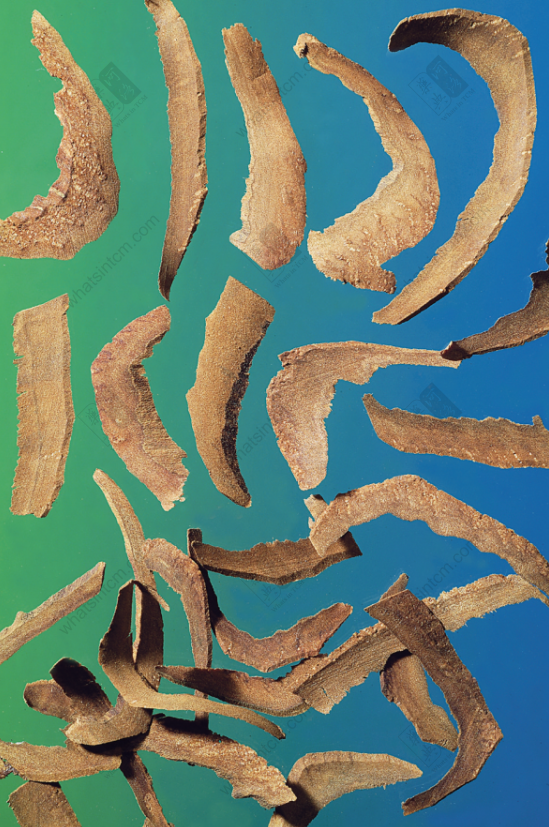 Thanh Hoa Cinnamon Slices
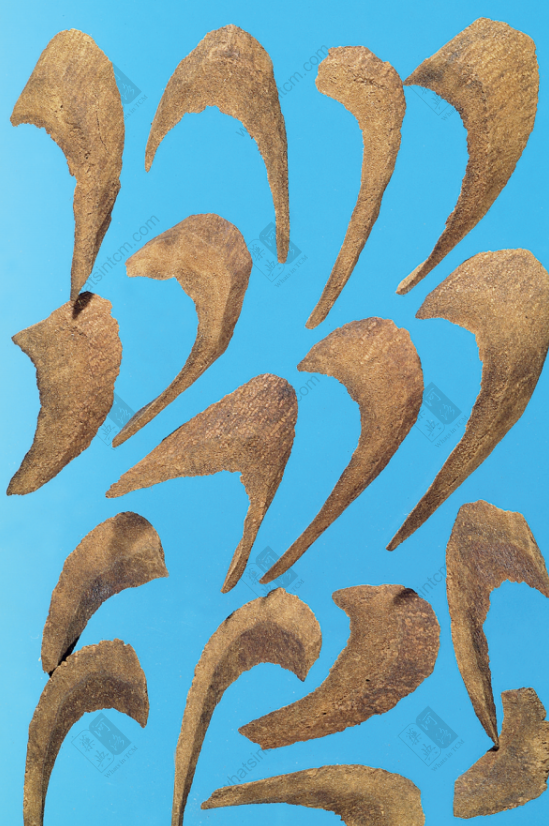 Cinnamon Slices
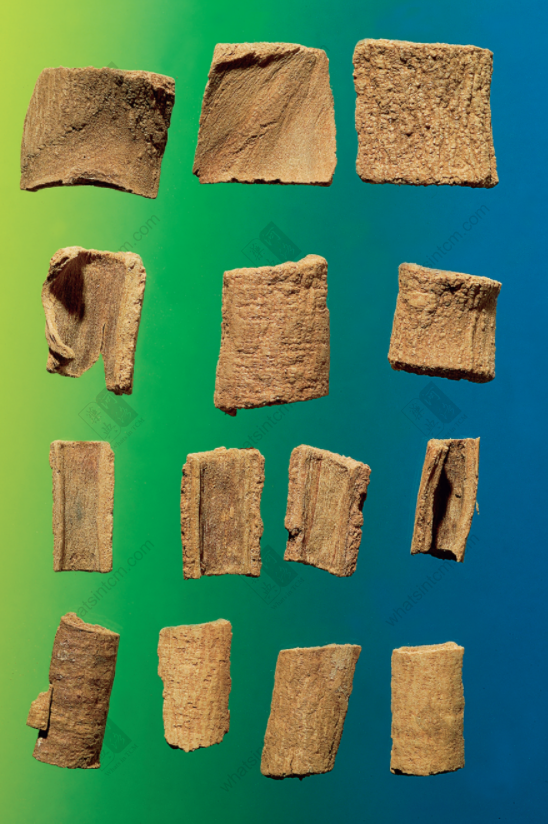 Cinnamon Slices
【Naming】
【Source】
Superior Classic of Materia Medica‧Cinnamon箘‧Male Cinnamon
【Common Usage Degree】
A
【Botanical Origin】
Dried bark of Cinnamomum cassia Presl, family Lauraceae.
【Characteristics】
(1) Cinnamon tube (Oily Cinnamon Tube): In the shape of a rolled cylinder or semi-trough, about 40 cm long, 1.5~3mm wide, and 1~3mm thick. The outer surface is grayish-brown with fine wrinkles, oval lenticels, and occasional raised transverse lines and gray mottles; when the cork and inner bark are scraped off, the surface is smoother and reddish-brown, commonly known as “Gui Xin” (cinnamon core). The inner surface is dark reddish-brown, hard and brittle, and the fracture surface is purplish-red or brownish-red. It has a fragrant aroma, and a sweet and spicy taste.
Herbal pieces are often cut into small trough-shaped or double-rolled sections about 1 cm long, with a grayish-brown outer surface and a brownish-red inner surface. Hard and brittle. The fracture surface is brownish-red, with faint bands. It has a strong and unique aroma, and a sweet and slightly spicy taste.
(2) Qi Bian Cinnamon: In the shape of long strips, with the left and right sides rolled inward and the center slightly concave, 40~50 cm long, 4.5~6mm wide, and 3~6mm thick. The outer surface is grayish-brown, and the inner surface is reddish-brown. When scratched with a fingernail (nail), brown oil streaks appear. The aroma is strong, and other characteristics are similar to official cinnamon.
(3) Ban Gui (also known as Gui Nan): In the shape of flat sheets, usually 30~40 cm long, 5~12 cm wide, and 4 mm thick. The cut surfaces at both ends are relatively rough.
(4) Gui Tong (Cinnamon Bark): Dried bark, in the shape of a curved or semi-cylindrical shape, or irregular pieces, about 30~60 cm long, up to 9 cm wide, and about 1~3 mm thick. The outer surface is flat, with inconspicuous lenticels, blackish-brown to dark brown, with grayish-white mottles. The surface cork may fall off in a scaly manner, revealing tortoise-shell-like concave spots. The inner surface is dark reddish-brown to dark brown. The texture is hard, the outer layer of the fracture surface is grayish-brown, and the inner layer is reddish-brown. The aroma is clear and cool, resembling camphor, and the taste is slightly sweet and spicy.
Note: In Taiwan, this type of bark, which is only 6 or 7 years old and of poor quality, is called “Gui Tong,” while the bark peeled from coarse branches is called “Gui Pi” (cinnamon bark).
【Identification】
《Annotations to the Classic of Materia Medica》: “That from Zhanhui, Guangzhou, is considered the best today.” 《Zhen Lei Ben Cao》: “When the top is shaved off, it is called Gui Xin (cinnamon core). It is considered good in medicine.” 《Zhen Lei Ben Cao》: “The immortals sometimes use Jun Gui, saying that the one with three layers is good,” “The ancient prescriptions used cylindrical cinnamon, hence the saying that the one with three layers is good.” 《Zhen Lei Ben Cao》: “According to Tao’s annotation, Jun Gui is round like bamboo, and the one with three layers is good.” 《Pu Ji Fang》: “Cinnamon bark from Liangzhou is the best.” 《Essential Materia Medica》: “That from Guizhou in Lingnan is good, with purple color, thick flesh, and a spicy and sweet taste, is cinnamon. Removing the inner and outer bark, the center is Gui Xin (cinnamon core), and the tender bark on the branches is Gui Pi (cinnamon bark).” 《Ben Jing Feng Yuan》: “Use the black-tipped, raw ones for medicinal purposes.” 《Experience Prescriptions Compilation》: “Meat cinnamon twig, with a spicy, sweet, and fragrant aroma, is genuine.” 《Experience Prescriptions Compilation》: “Cinnamon, purple, moist, sweet, very spicy, fragrant, and intense, is genuine.” 《Materia Medica From the New》: “Cochinchina cinnamon is the best. The body is loose, the bark is straight, with floral patterns, purple flesh, black oil, sweet taste, more spicy and less sweet, which is difficult to obtain today.” 《Good and Bad Identification》: “Thick and heavy bark, with more purple oil inside, spicy and sweet taste, and a slightly fragrant aroma, is a good product.”
Good quality is characterized by being neat in size, aesthetically pleasing in appearance, fine and firm bark, thick and heavy flesh, thin outer bark, rolled cylindrical shape, reddish-brown inner surface, fine texture, high oil content, strong aroma, spicy, sweet, slightly numbing and spicy taste, with little or no residue when chewed, purplish-red fracture surface, and sufficient oil content.
【Identification Terms】
1. Oil Cinnamon: Cinnamon is similar in shape to Ban Gui, with both ends often cut evenly, the outer bark is moist, the oil layer is obvious, and it is purplish-black, commonly known as Oil Cinnamon.
2. Colored Bark (Colored Coat): The bark of cinnamon, Magnolia officinalis, and other trees often has grayish-green mottles, which are traces of moss or lichen.
3. Cai Gui: Refers to imported cinnamon with a slightly rough surface, wrinkles, and alternating gray-white and yellowish-brown spots, commonly known as Cai Gui.
4. Rolled Cylindrical Shape: Refers to the phenomenon that the outer layer of bark of tree bark medicinal materials rolls inward during the drying process due to the loss of more moisture in the inner layer tissues. Such as cinnamon, Magnolia officinalis, etc.
5. Double Cylindrical Shape: Also known as Ruyi Shape. Refers to the phenomenon that certain tree bark medicinal materials are stacked together and rolled into a cylindrical or double cylindrical shape. Such as Ceylon cinnamon.
【Chapter】
Bark Category