



Deer Antler
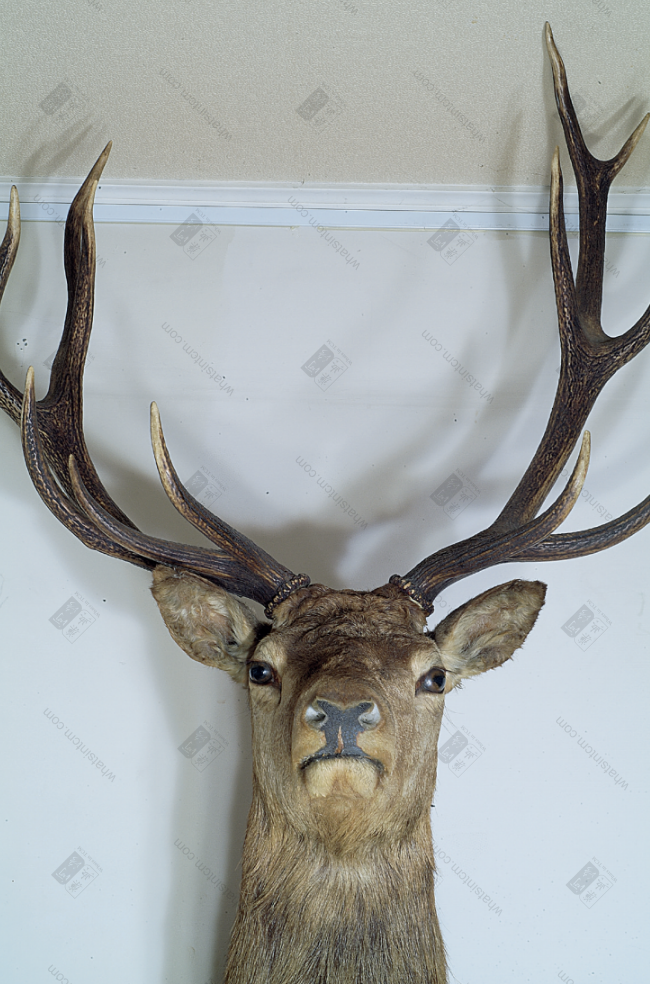 New Zealand Deer Antler (Branched, with wart-like protrusions and ridges throughout, blackish-brown surface, smooth, translucent reddish-brown)
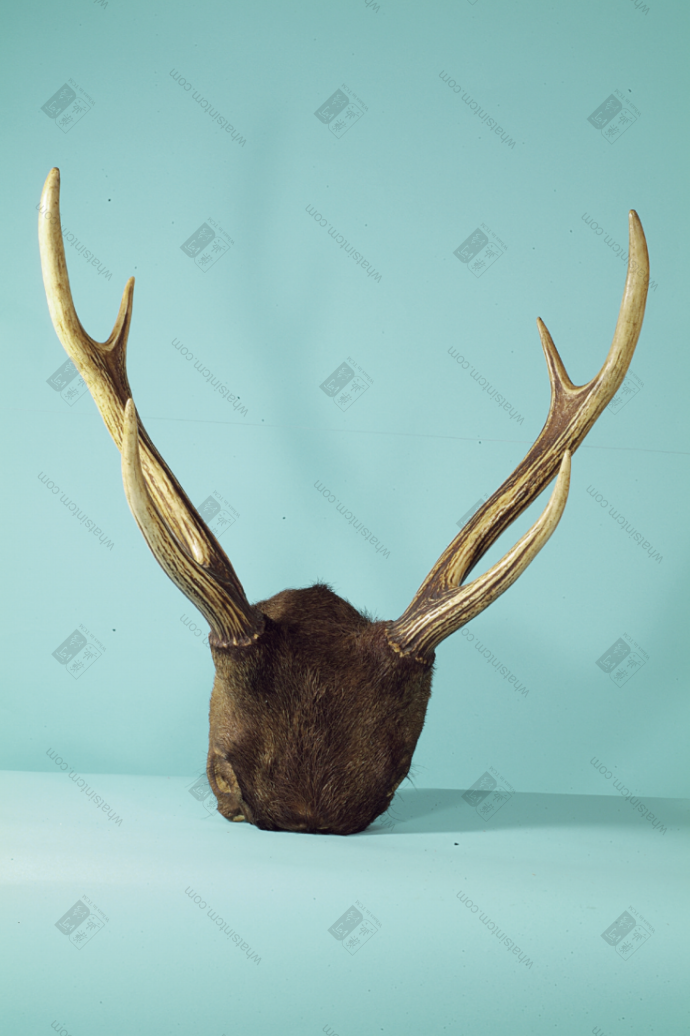 Taiwan Water Deer Antler
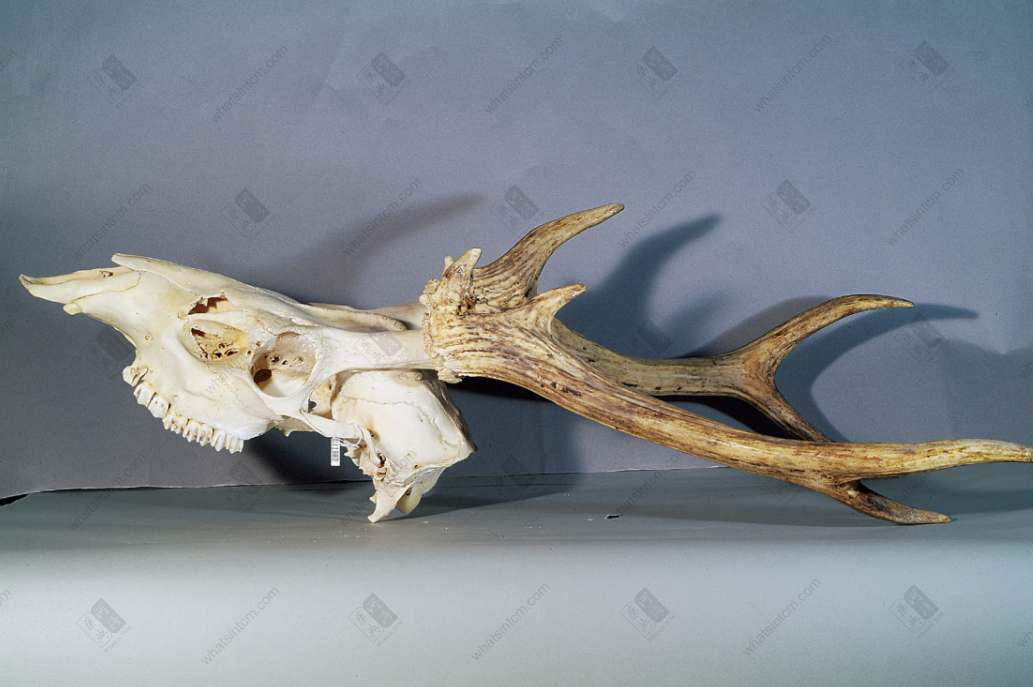 Taiwan Water Deer Antler
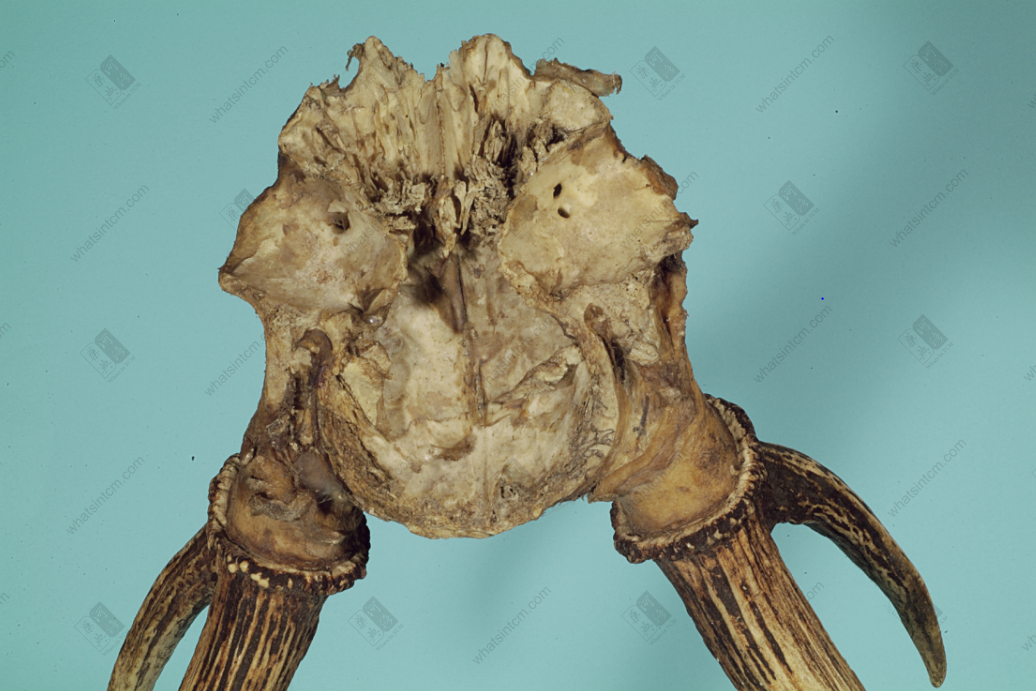 Indonesian Deer Antler Skull Base
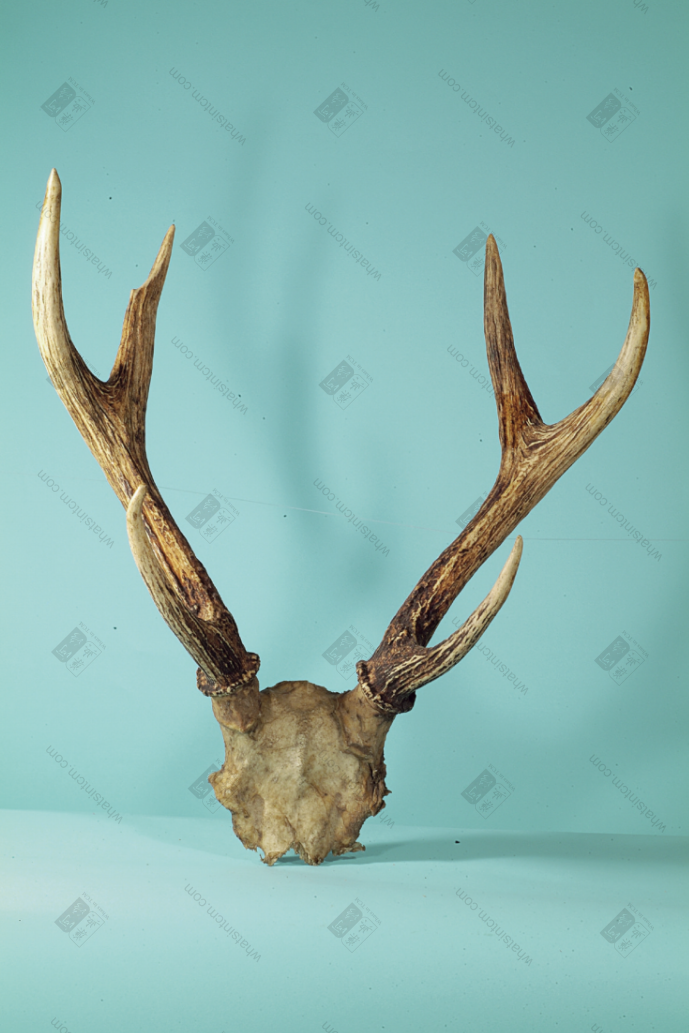 Indonesian Deer Antler (Main branch curved in a near circle, grayish-white to grayish-brown, antler tips smooth, base extremely hard and heavy, cross-section with blackish-gray and reddish gaps)
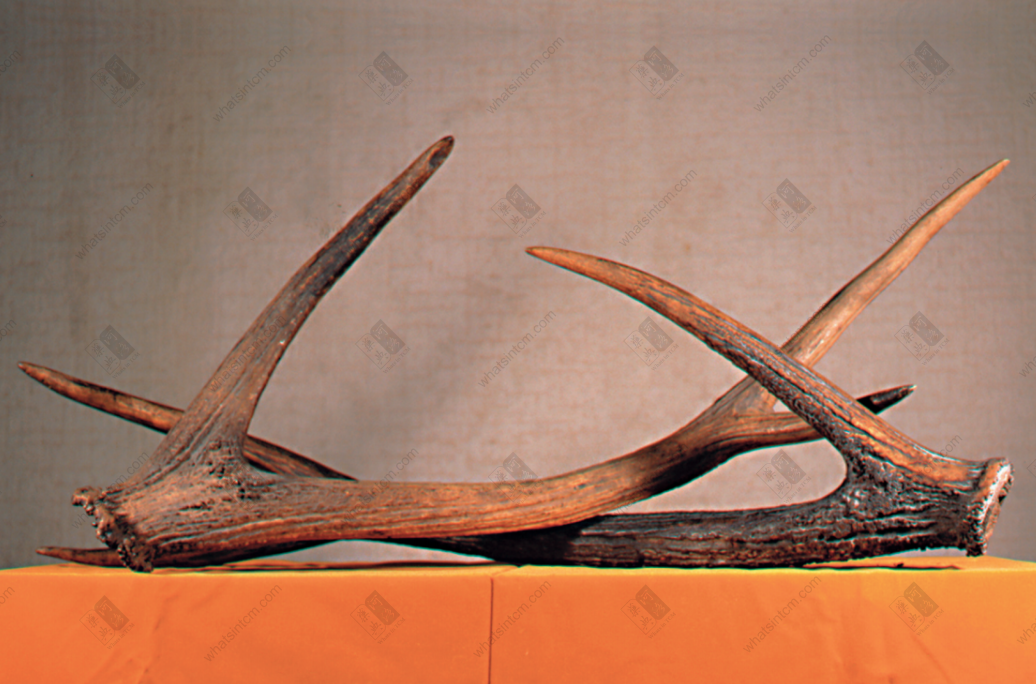
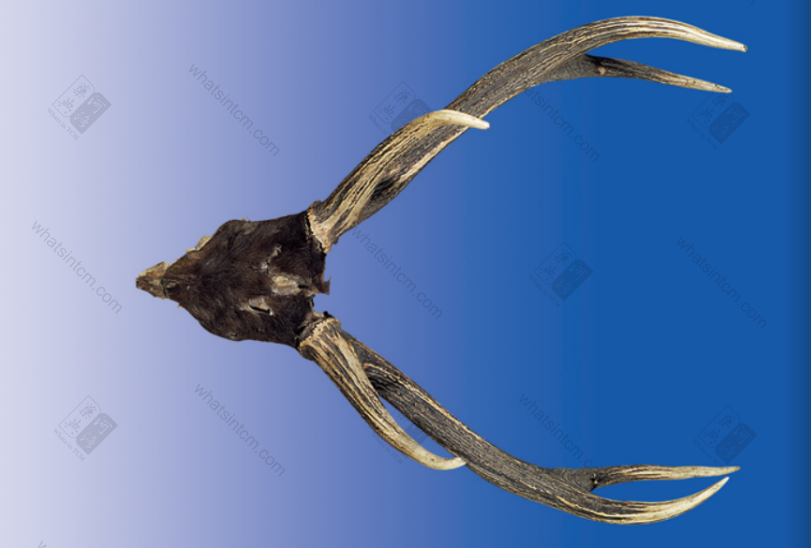 Siamese Deer Antler
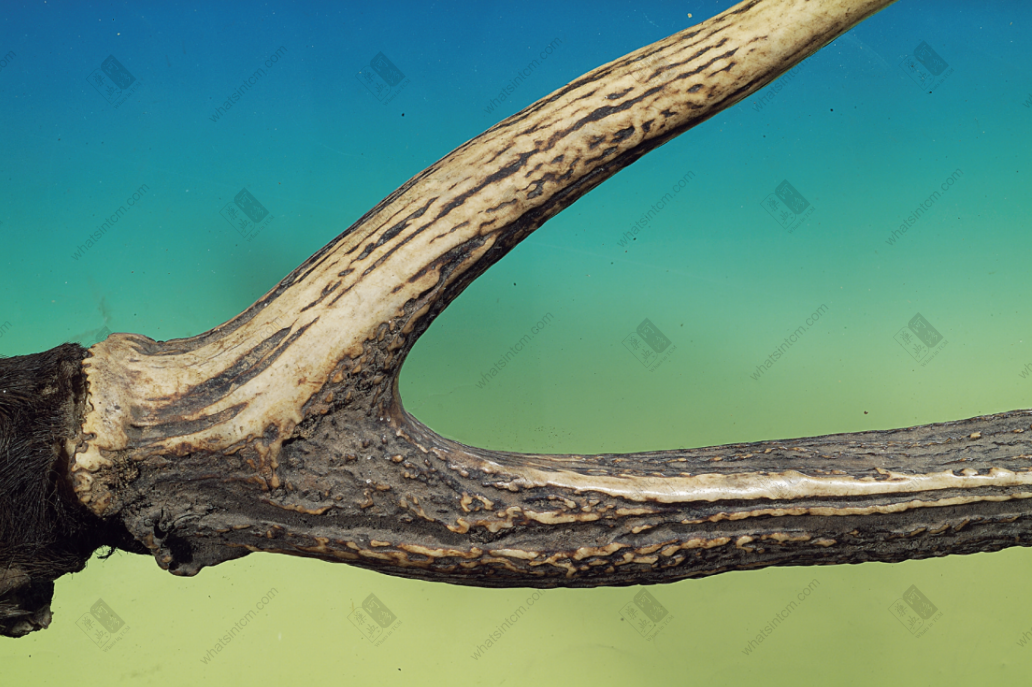 Siamese Deer Antler (Bone beads, ridges)
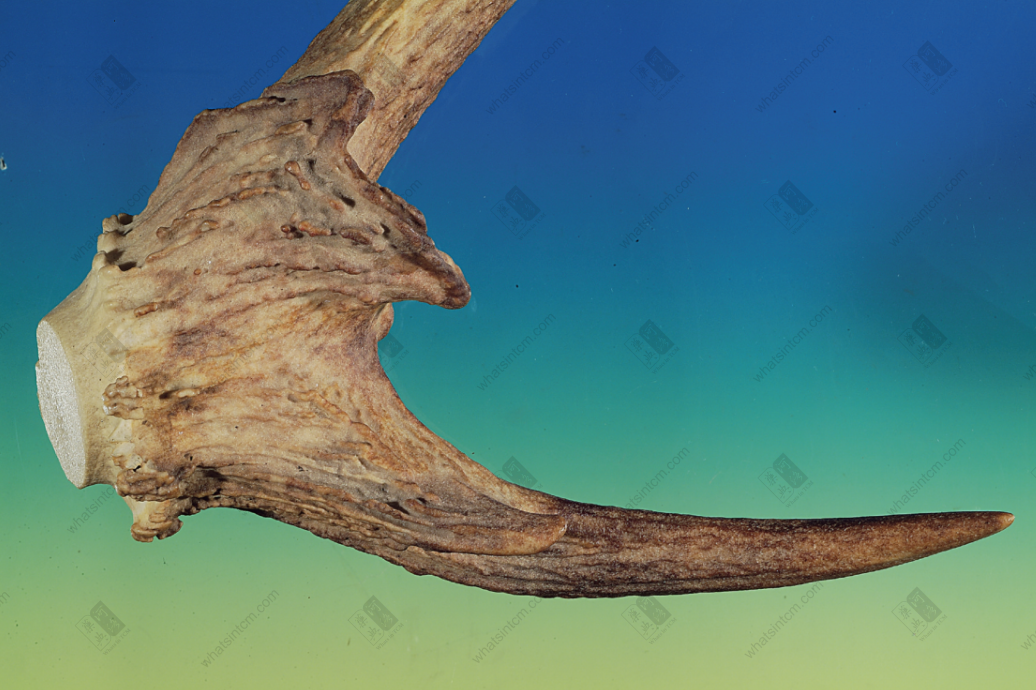 Thai Deer Antler
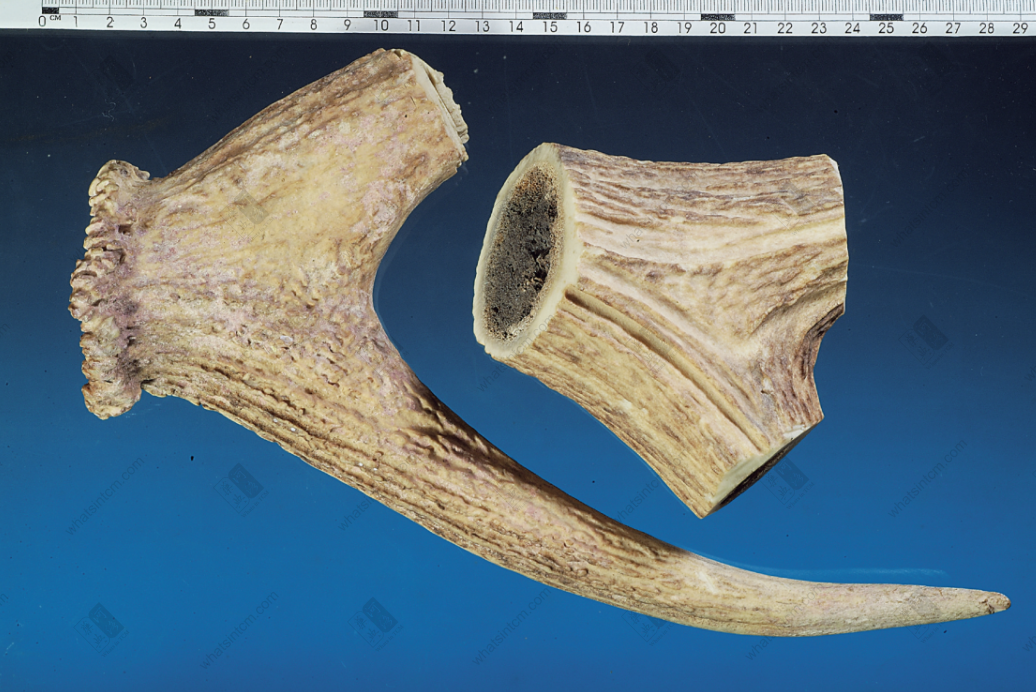 Immature Siamese Antler
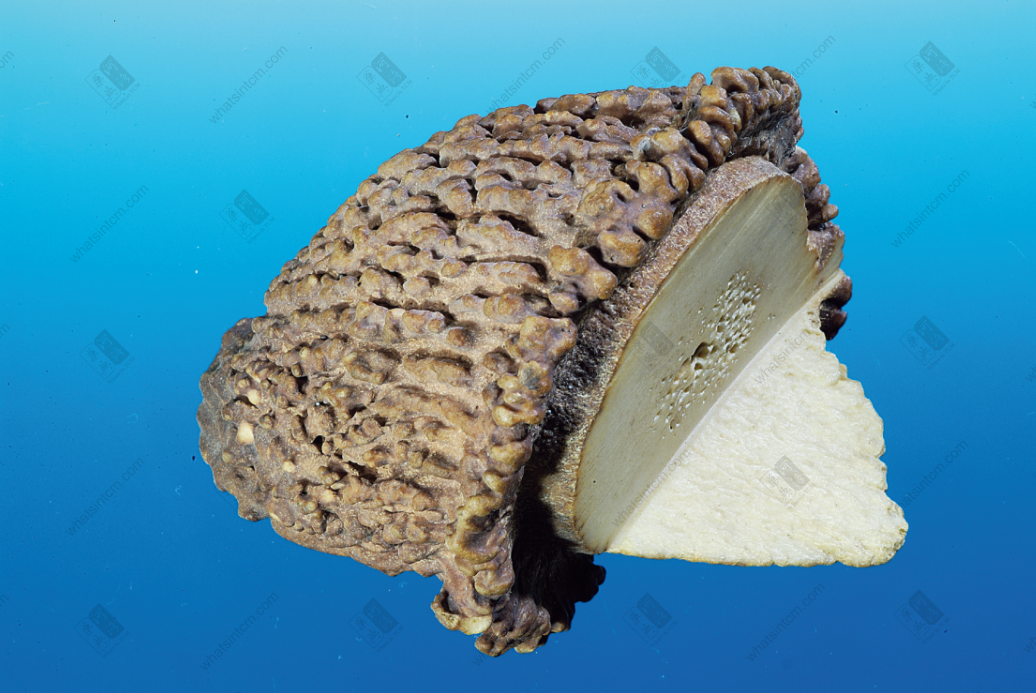 Mushroom Antler
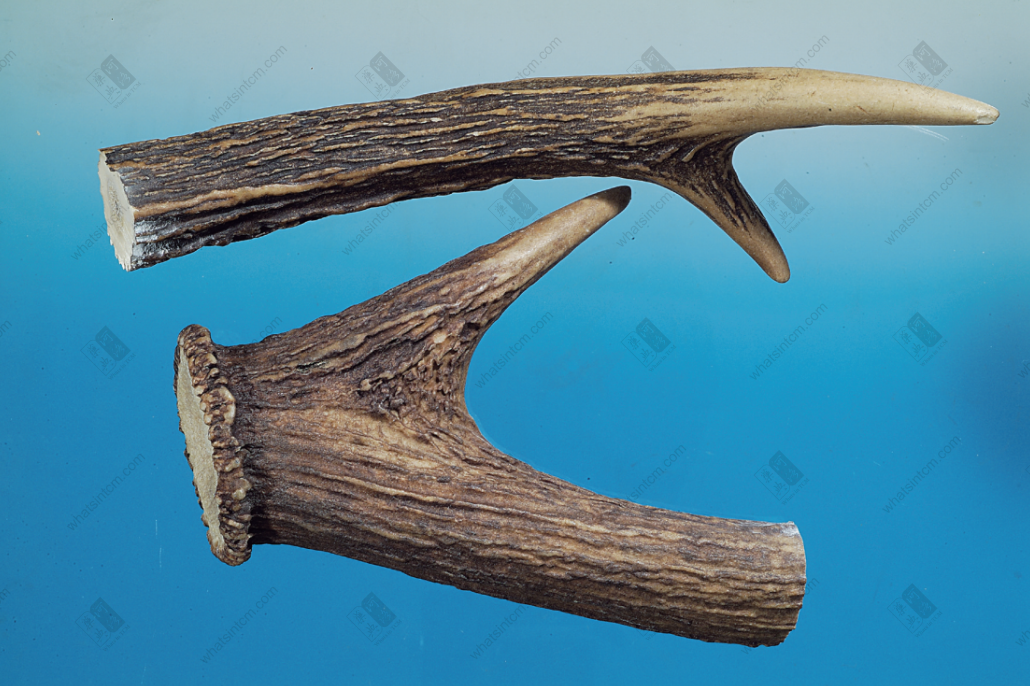 Indonesian Sumatra Deer Antler
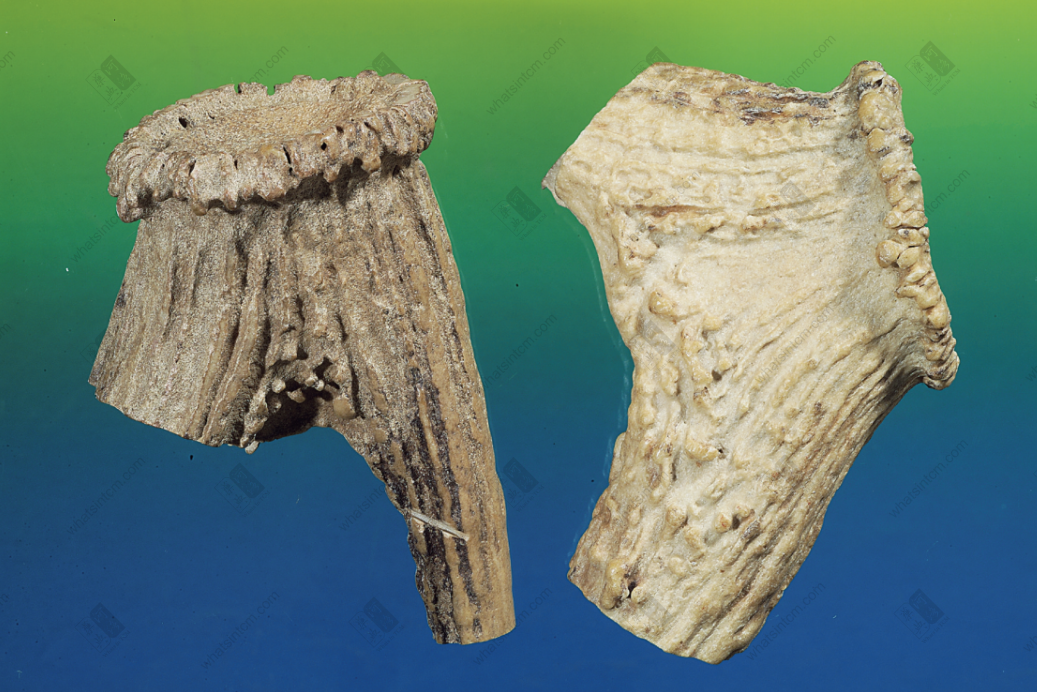 Indonesian Deer Antler (Pearl plate)
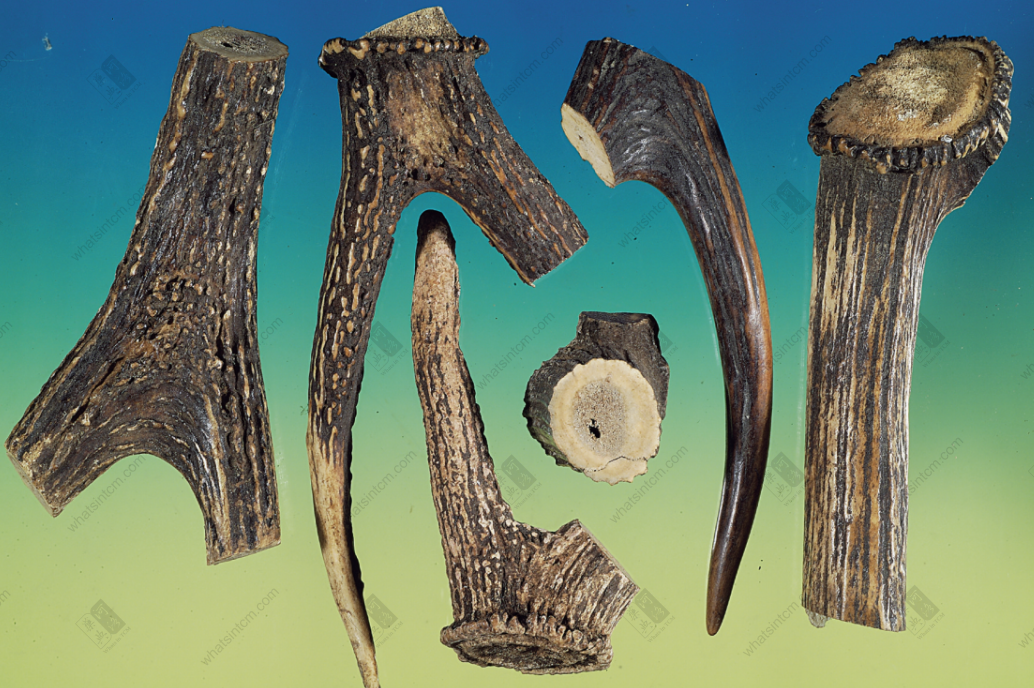 Indonesian Deer Antler Sawn, steel bead cleaned
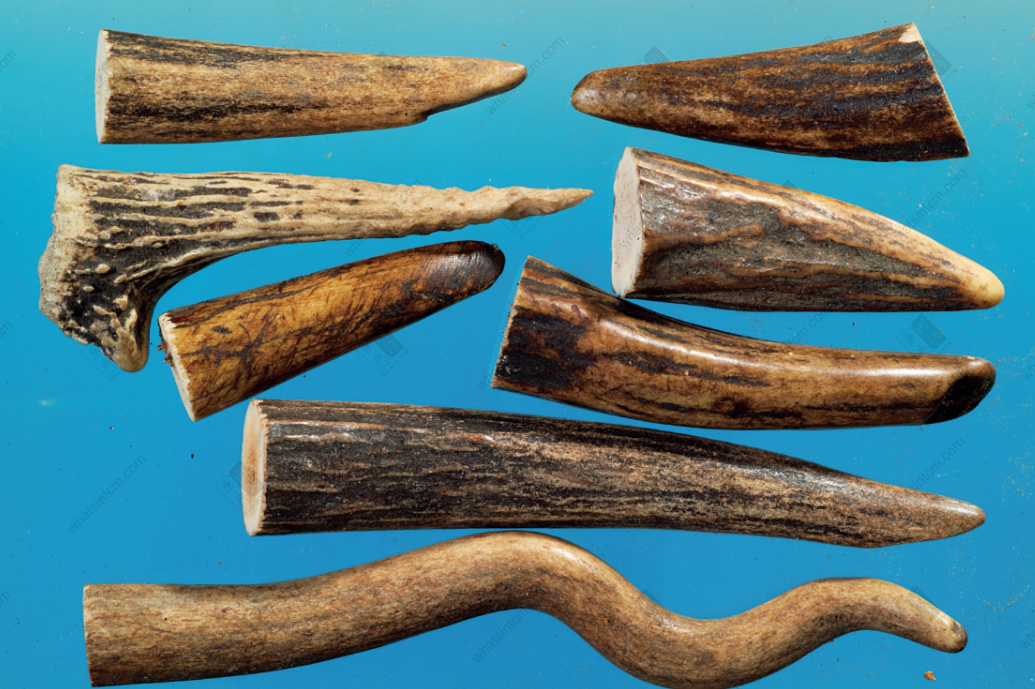 Indonesian Deer Antler Tip
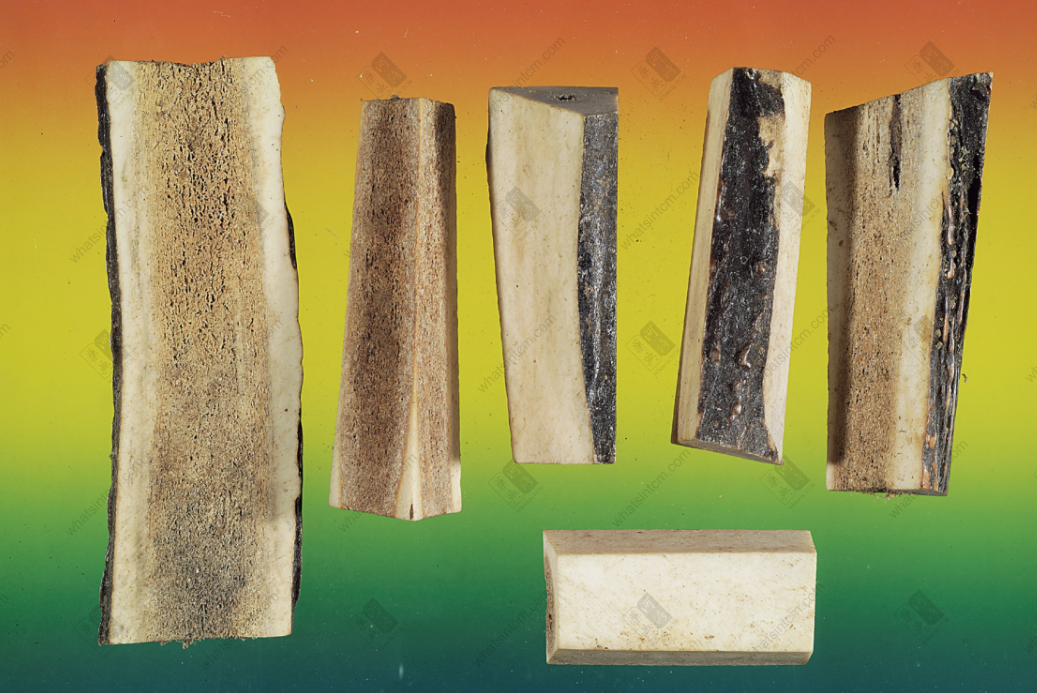 Indonesian Deer Antler Cut
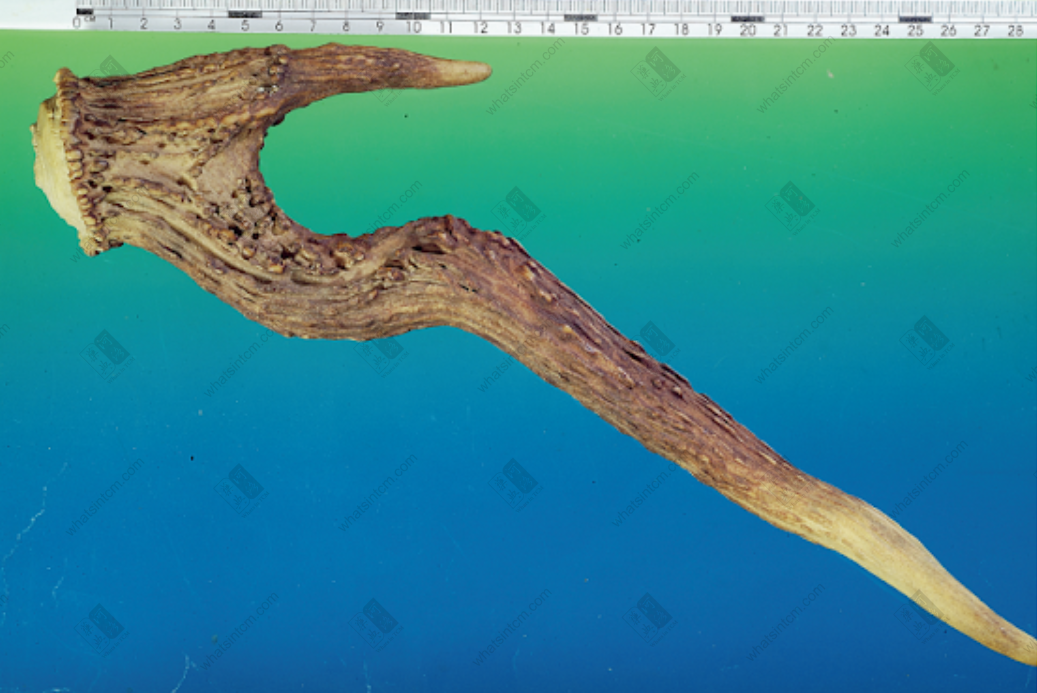 Indian Sambar Deer
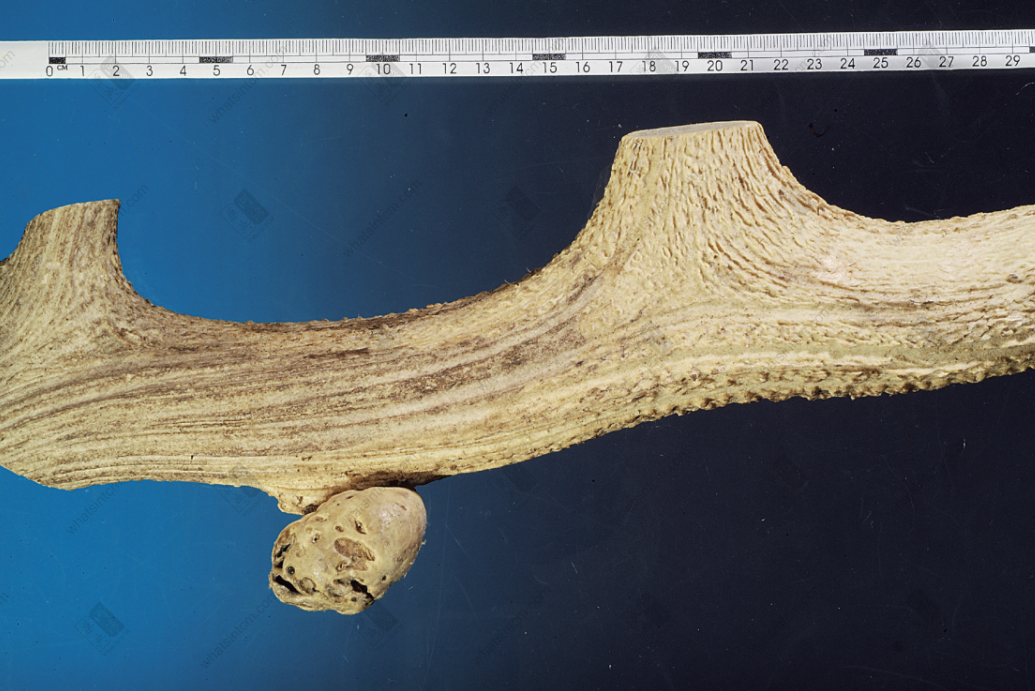 Immature Red Deer
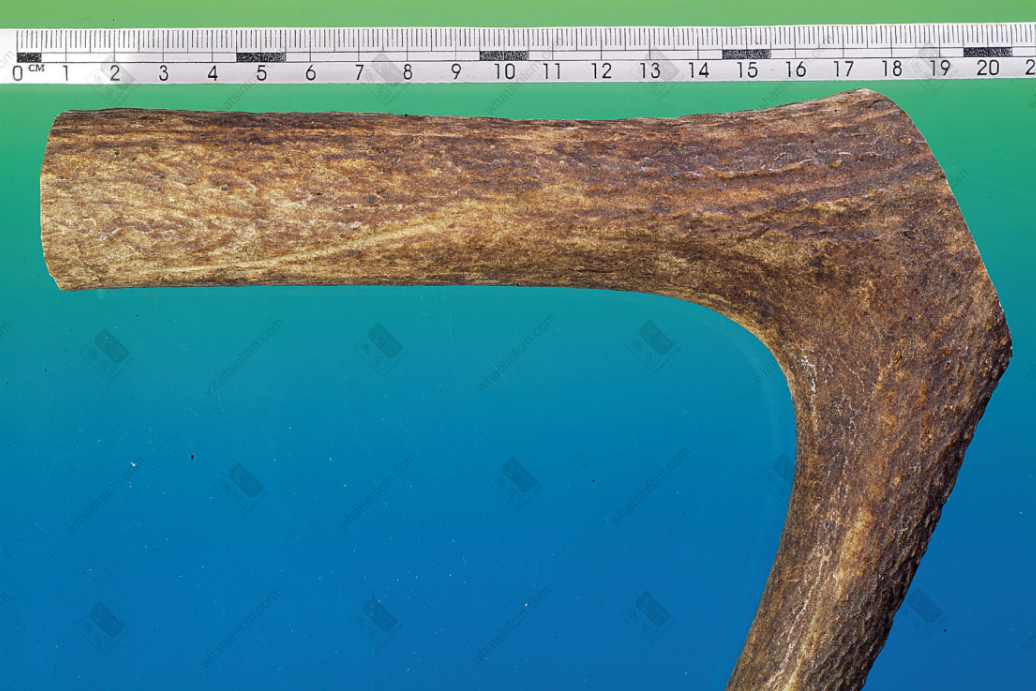 New Zealand Red Deer Antler
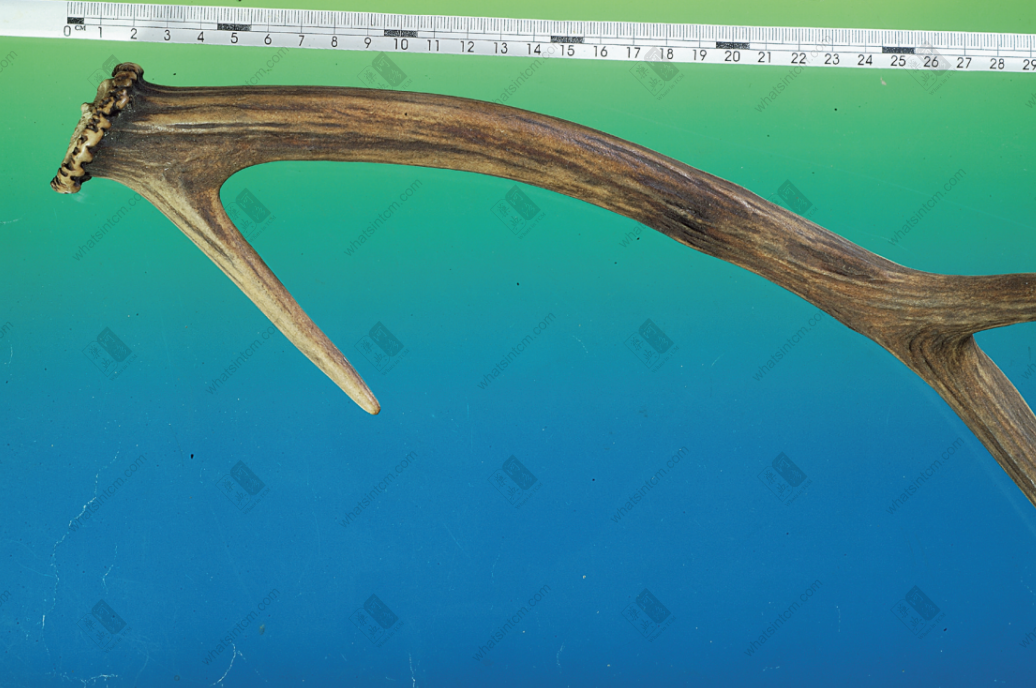 Hog Deer Antler
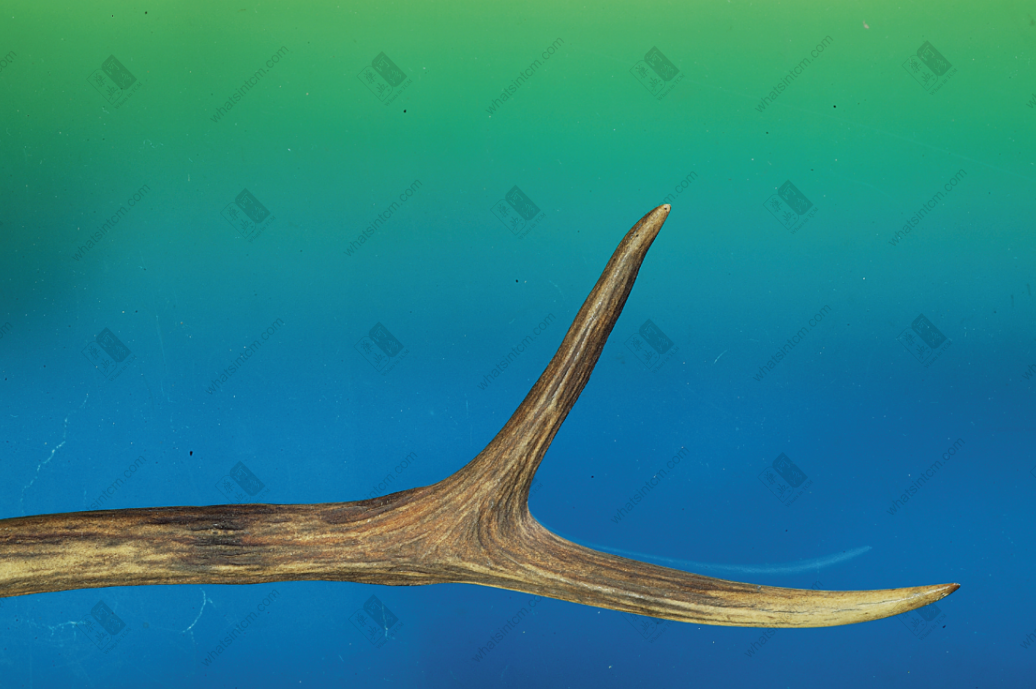 Hog Deer Antler
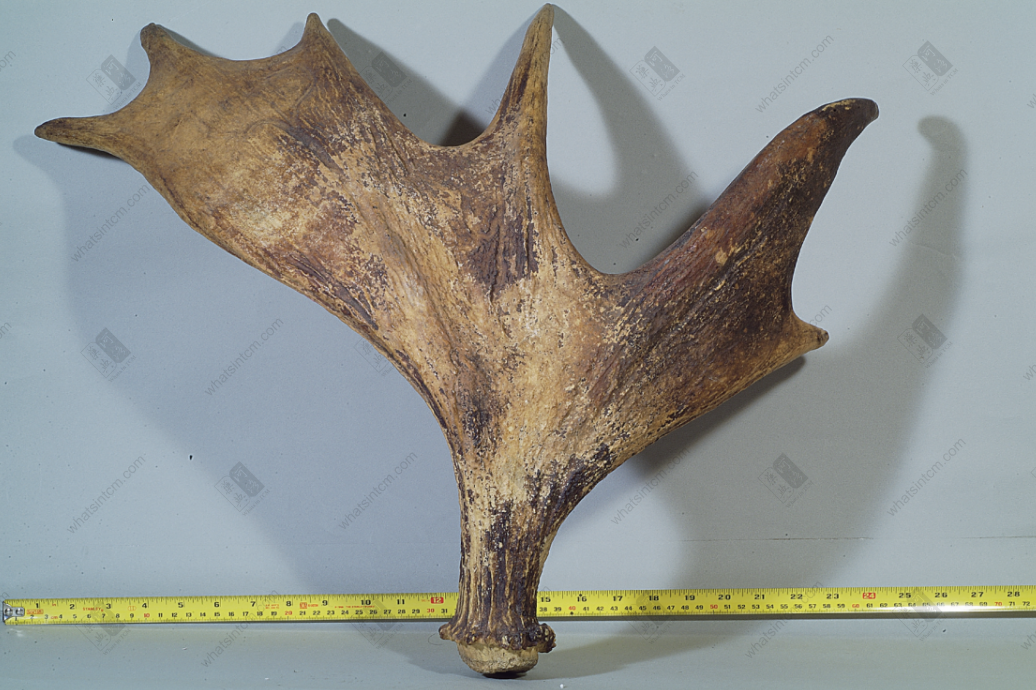 Milu (Deer Antler)
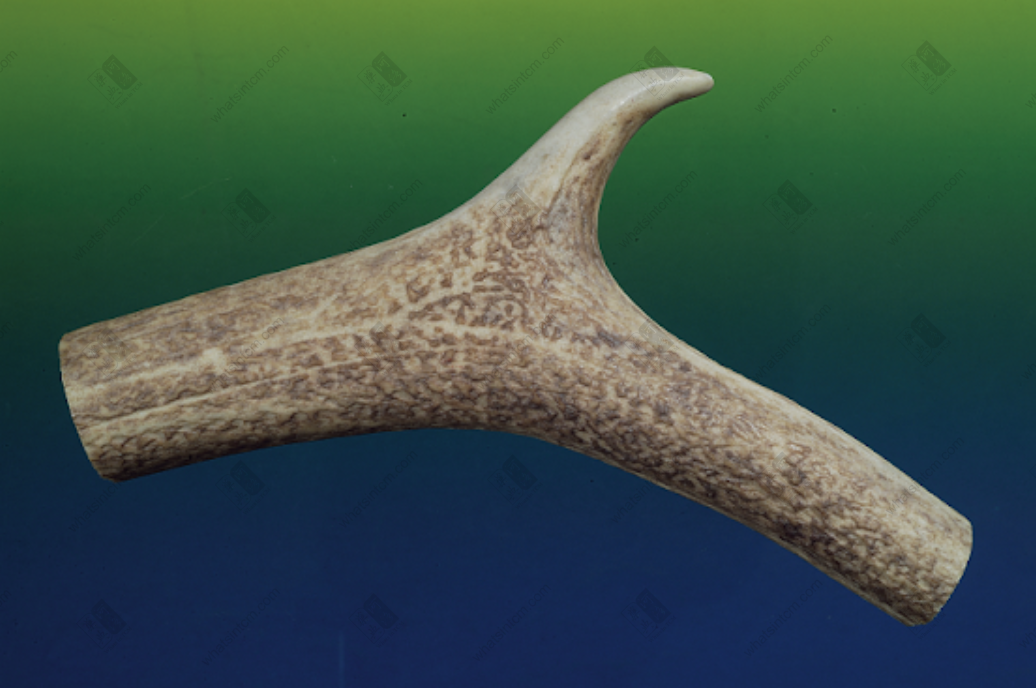 Alaskan Flat Moose Antler
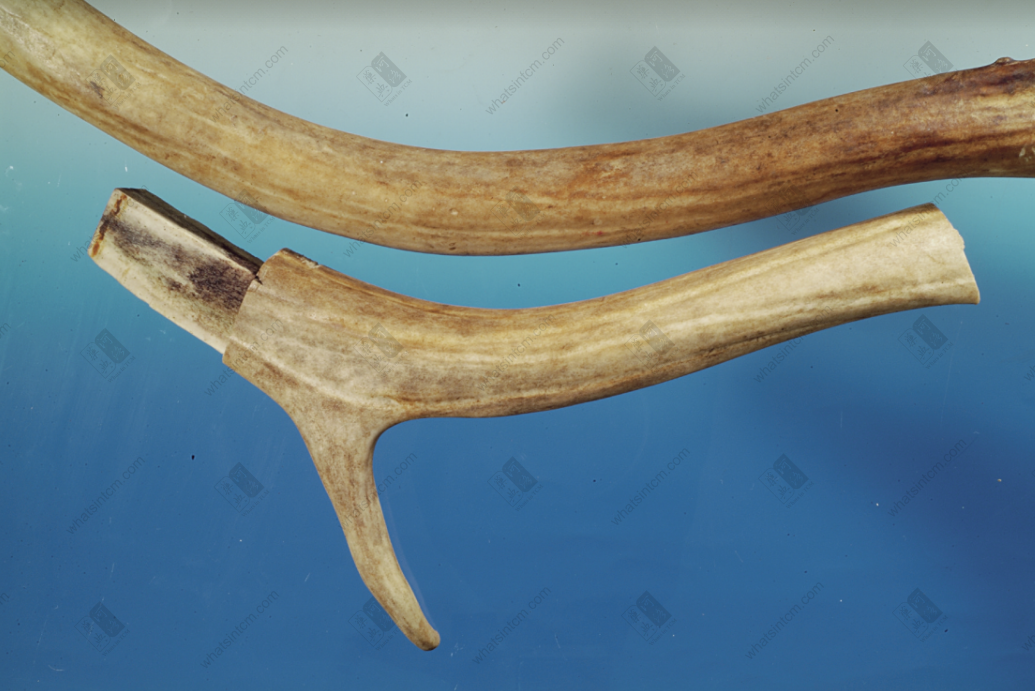 Alaskan Deer Antler
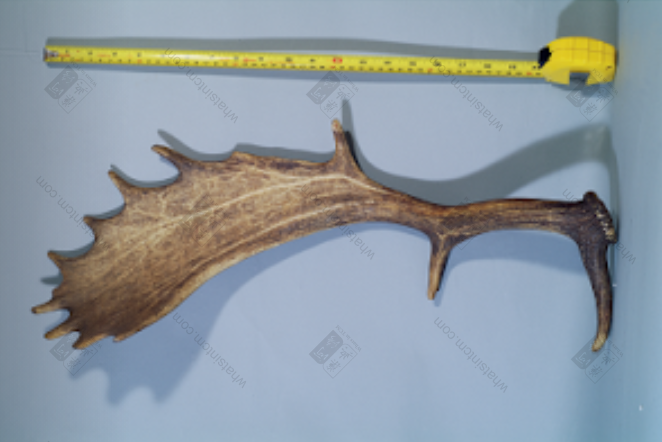 European Sika Deer
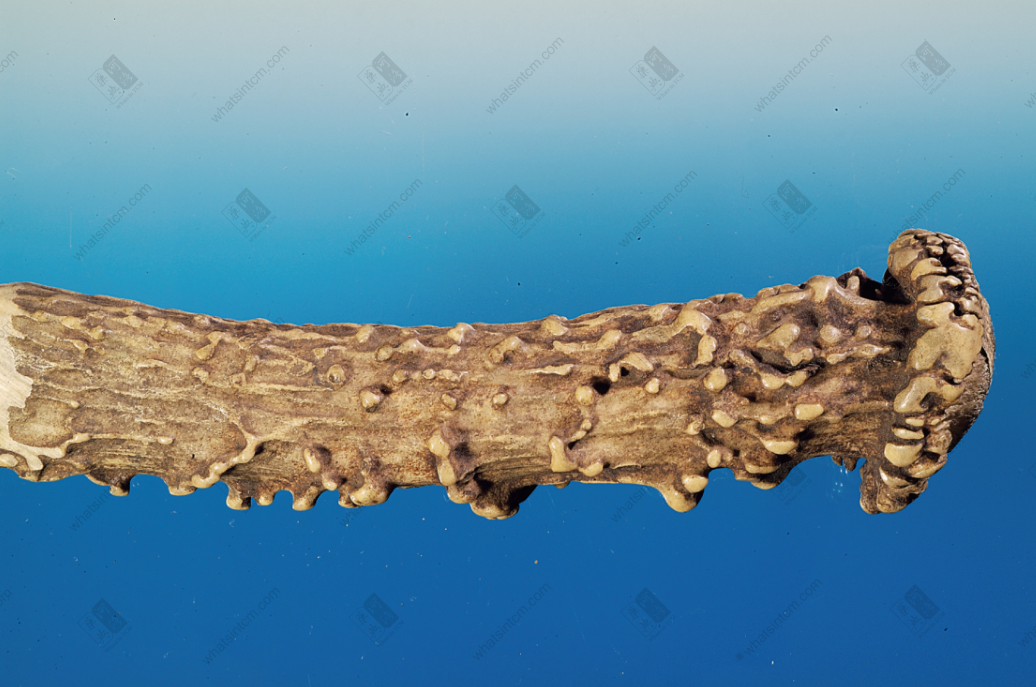 Roe Deer Antler
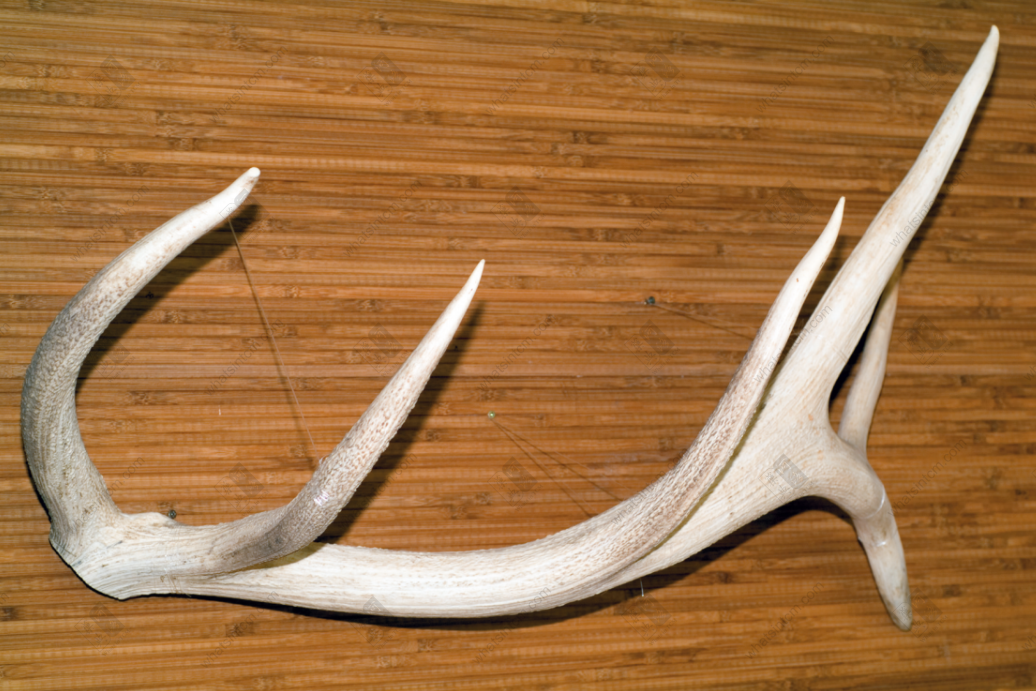 North American Moose Antler
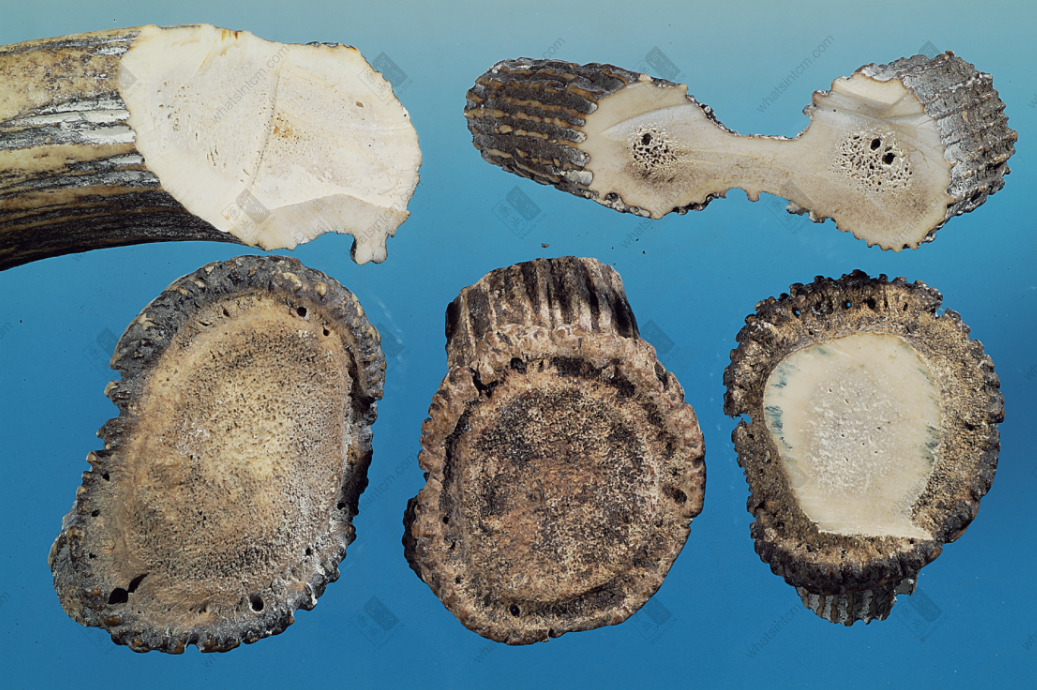 Deer Antler Base
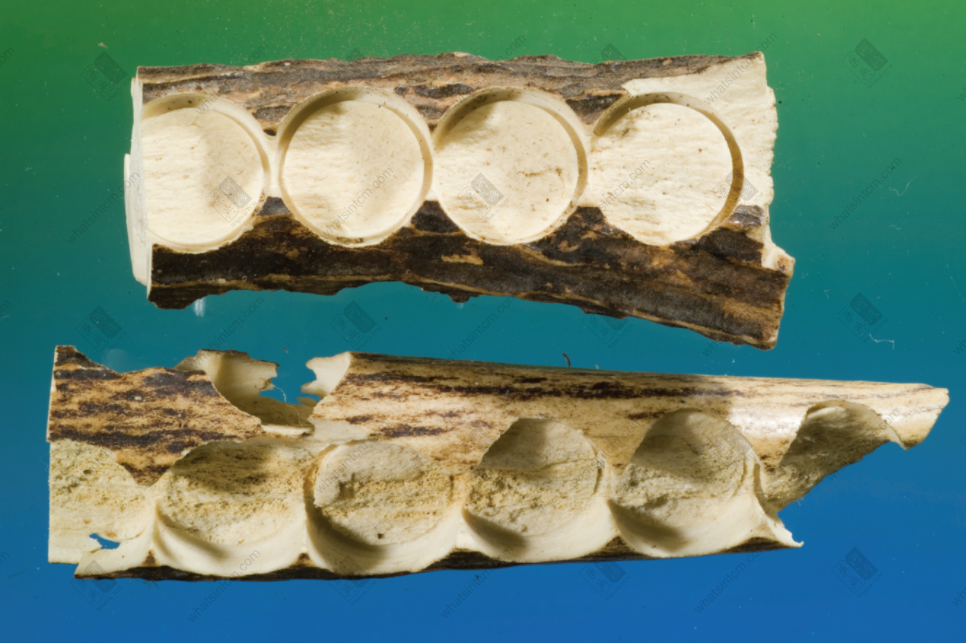 Deer Antler After Buttoning
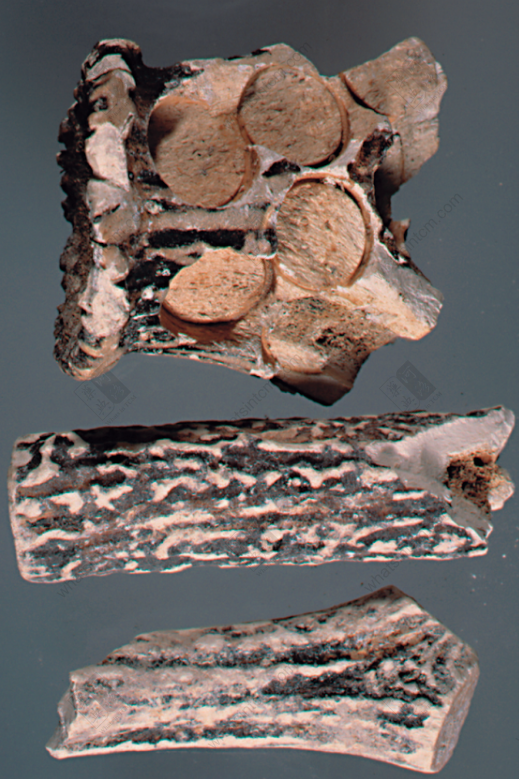 Deer Antler Velvet (Semi-cylindrical, grayish-white, powdery, grayish-brown mottled longitudinal ridges, outer layer gray, inner layer darker, many honeycomb-like small holes, light in weight, loose and dense in texture)
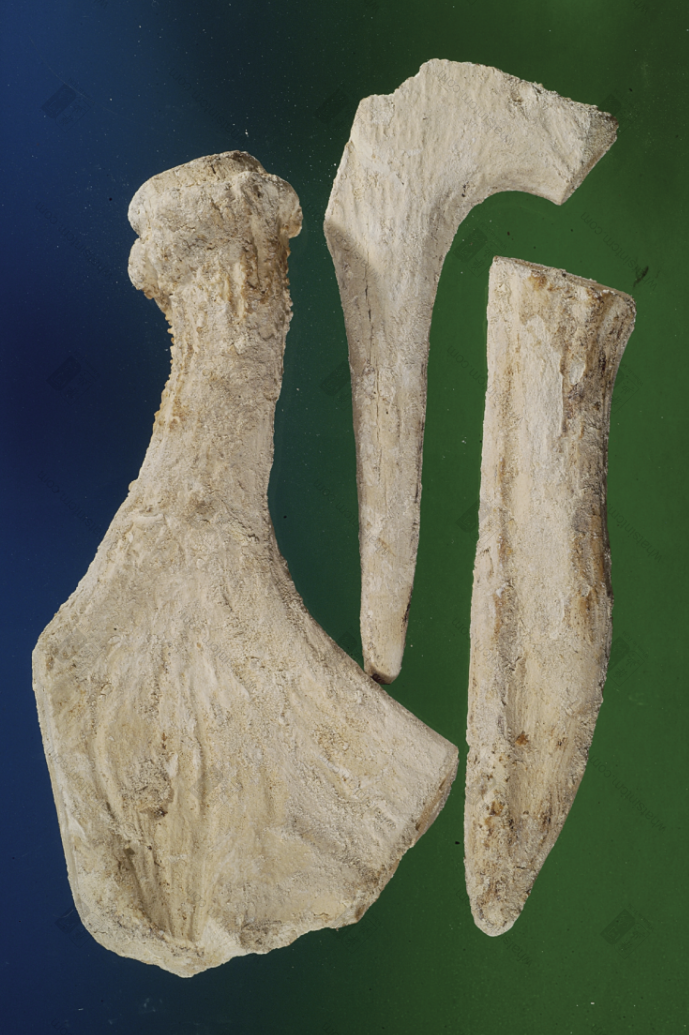 Deer Antler Velvet
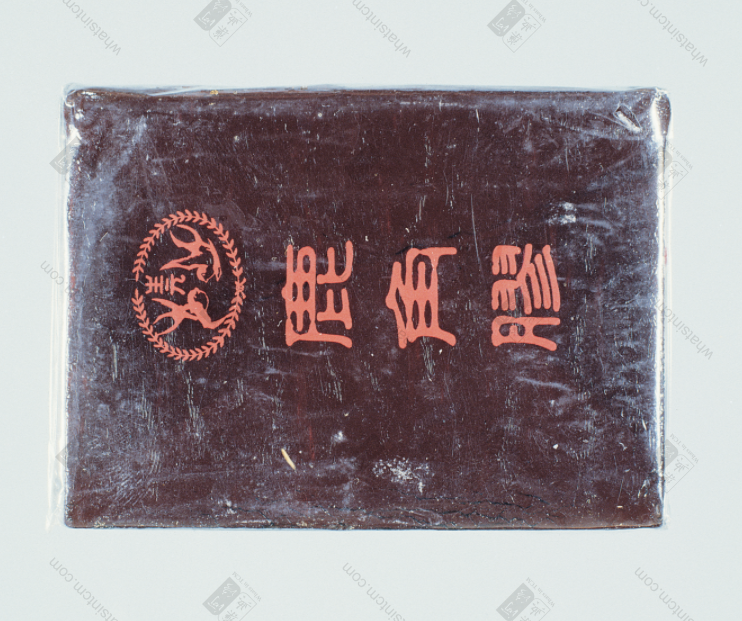 Deer Antler Glue (Square, reddish-brown to blackish-brown, smooth, translucent, hard, brittle, and glossy, with a glassy fracture)
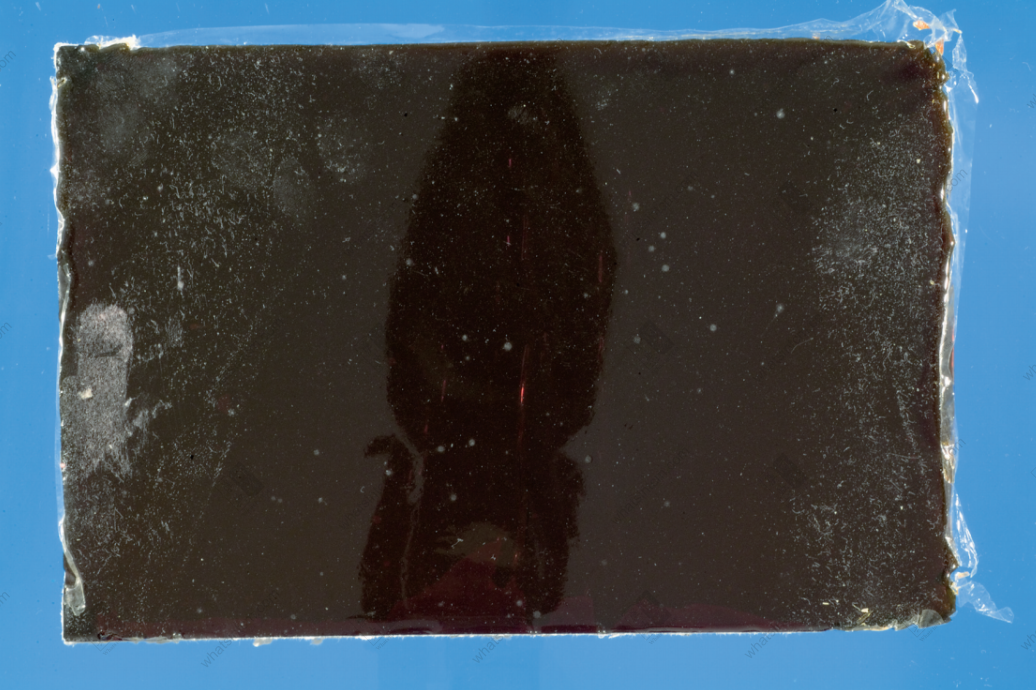 Guilu Erxian Jiao (Deer Antler and Tortoise Plastron Glue)
【Naming】
【Source】
Shen Nong’s Herbal Classic
【Common Usage Level】
C
【Botanical Origin】
The ossified antlers of male Sika deer (Cervus nippon Temminck) or Red deer (Cervus elaphus L.) of the Cervidae family.
【Characteristics】
1. Deer Antler: Branched, with 2-4 branches, approximately 30-45 cm in length. The surface is light brown, shiny, and hairless, with wart-like protrusions and ridges throughout. The cross-section is porous with fine holes. It is hard, odorless, and slightly salty in taste.
The difference between Red deer antlers and Sika deer antlers: Red deer antlers usually have 6 tines. The antler beam is cylindrical and slightly curved, with the first and second tines branching continuously from the “pearl plate” (commonly known as a ground branch). There are no significant bony knobs on the surface, and the antler weighs approximately 700-4000g. Sika deer antlers have 4 tines and do not form a “ground branch”. The antler beam is slightly flattened laterally and divides into two small branches at the end. The surface is yellowish-brown or grayish-brown, with obvious “bony knobs” below the branch ends. The antler weighs approximately 500-1500g.
2. Deer Antler Glue: Mostly in the form of square pieces, 2-3 cm in length and width, and approximately 5 mm thick. The surface is blackish-brown, smooth, and translucent reddish-brown. The surface is brownish-red and glossy; it is transparent and reddish-brown when viewed against the light; the texture is brittle, and the fracture is glossy; the odor is faint, and the taste is sweet. One side has a yellowish-white porous thin layer, which is formed by the drying of the foam that floats to the surface during cooling. It is hard and brittle in texture, with a glassy fracture. It has no odor and a slightly sweet taste.
3. Deer Antler Velvet: Cylindrical or split into semi-cylindrical white pieces of varying sizes and thicknesses. Generally, Red deer antler velvet pieces are thicker, while Sika deer antler velvet pieces are thinner. The outer layer is grayish-white and relatively dense in texture; the inner layer is darker in color, loose, and has many small holes. It has no odor and a slightly bitter and astringent taste, with a sticky sensation on the tongue.
【Processing】
1. Deer Antler 2. Deer Antler Glue 3. Deer Antler Glue Pearls 4. Deer Antler Velvet
【Identification】
Yifang Leiju: “Deer Antler, the newer the better, the older is not good for consumption.” Compendium of Materia Medica: “The more pale white in color, the better”, “For Milu antlers, the fresh antlers connected to the brain top from the current year are the best.” Compendium of Materia Medica: “[Shizhen says] Therefore, deer antler is better for tonifying Yang, and milu antler is better for tonifying Yin.” Lu Fu Jin Fang: “Deer antler connected to the skull is good.” Liang Lie Jianbie: “Light brown and small is better.” Liang Lie Jianbie: “The surface exhibits a cage-eye shape and does not have an unpleasant odor is the best.”
1.Deer Antler: The best are those with thick and strong branches, with bony knobs throughout, and with a shiny and hard texture; those with many cracks on the surface and no shine are inferior.
2.Deer Antler Glue: The best are those with neat, smooth cut surfaces, brownish-yellow color, translucent, and without a fishy odor.
3.Deer Antler Velvet: The best are those with neat pieces, grayish-white in color, and not decayed.
【Identification Terminology】
1. Ground Branch: Red deer antler, where the first and second tines branch continuously from the “pearl plate”.
2. Scar Eye (Pearl Plate): Often refers to the slightly concave characteristic of the deer antler root after the flower plate has fallen off.
3. Cut Antler: Refers to deer antler cut off together with the skull. Its surface is grayish-yellow or grayish-brown, and its texture is firm and shiny. The best is when the antler tip appears pink when viewed against the light.
4. Shed Antler: Refers to deer antler that has naturally fallen off after growing to a certain period. Its surface is grayish-white, and its texture is light and dull. Its quality is inferior to “Cut Antler”.
5. Solid Antler: Formed by the antler column and the outer skin covered with fluff. Later, the skin falls off, exposing the antler column. New antlers are shed and replaced before the breeding season. Because of the bifurcation, it is also called forked antler, such as deer antler.
6. Frost-Shed Antler: Refers to antlers that have fallen off in the wild and have been exposed to prolonged sunlight, rain, and frost and snow erosion, and the surface is white or grayish-white, or even cracked. The quality is extremely poor and should not be used medicinally.
【Chapter】
Vertebrate Category
Related Products
