


Rehmannia Root
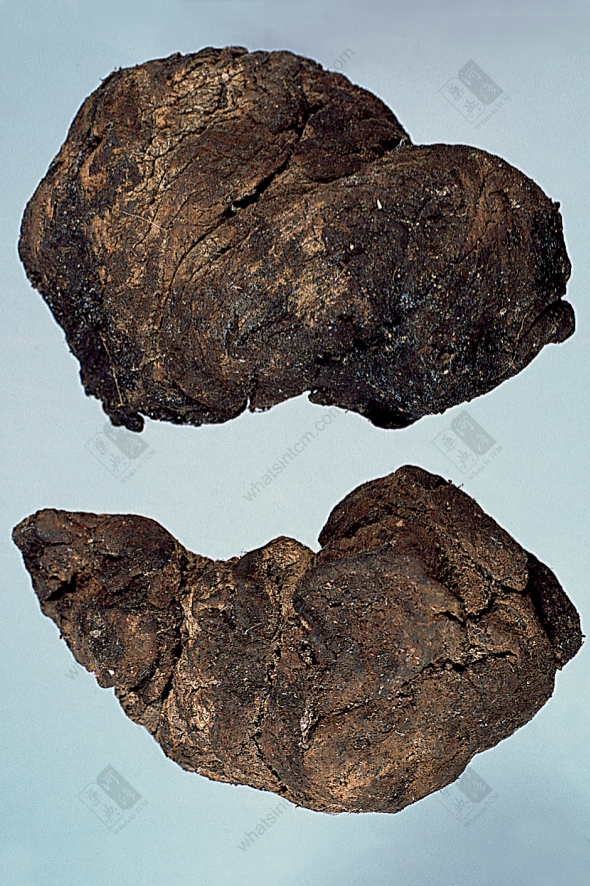 Dried Rehmannia Root (commonly known as Sheng Di in Taiwan), 7 pieces
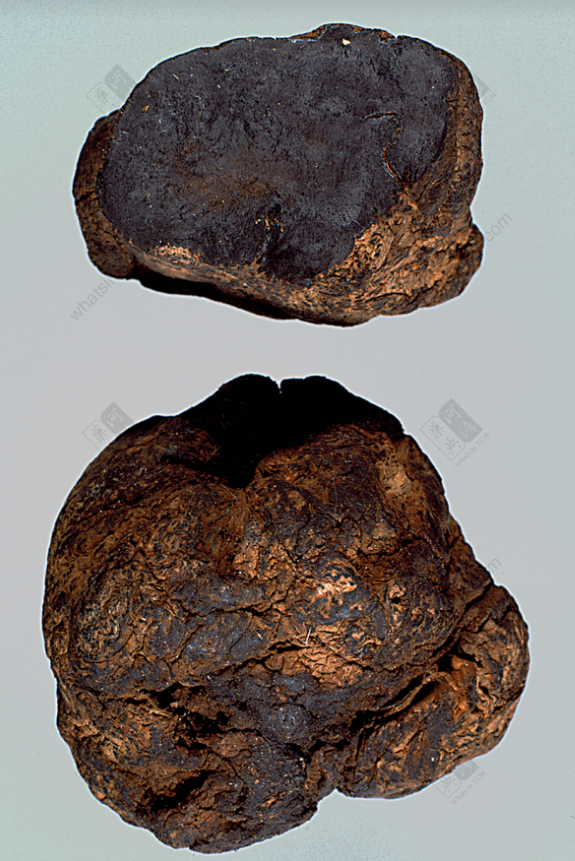 Grade 2 Sheng Di (grayish-brown outside, black inside)
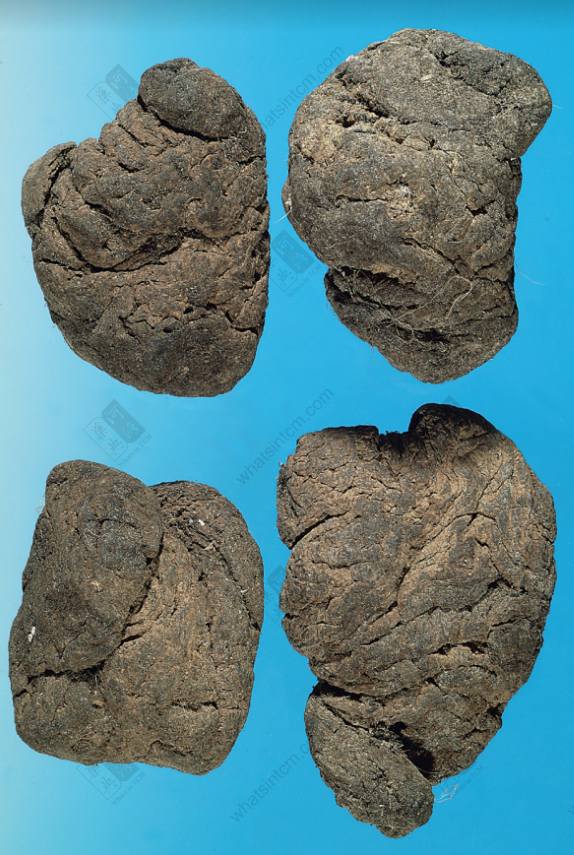 6 Sheng Di pieces (clumped, thick in the middle, thin at both ends)
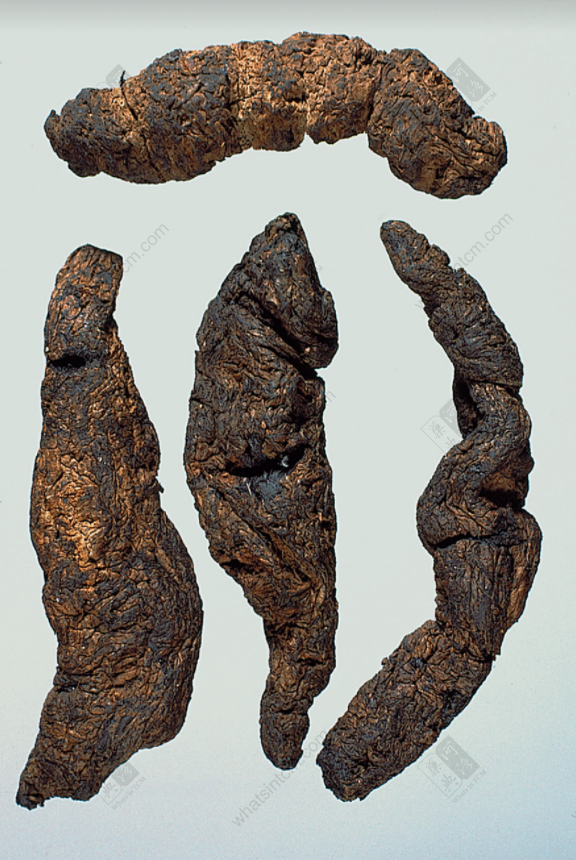 Strip Sheng Di (long, slightly flattened, twisted stick)
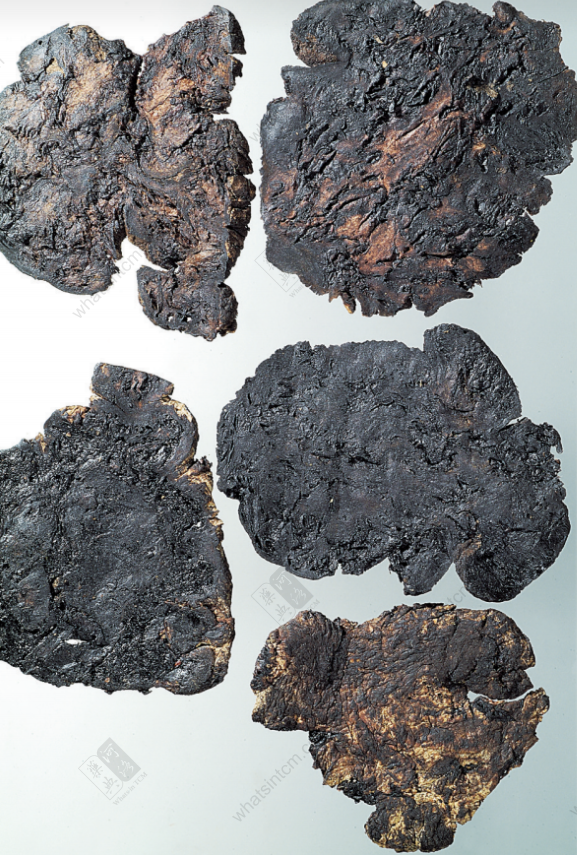 Special Grade Sheng Di
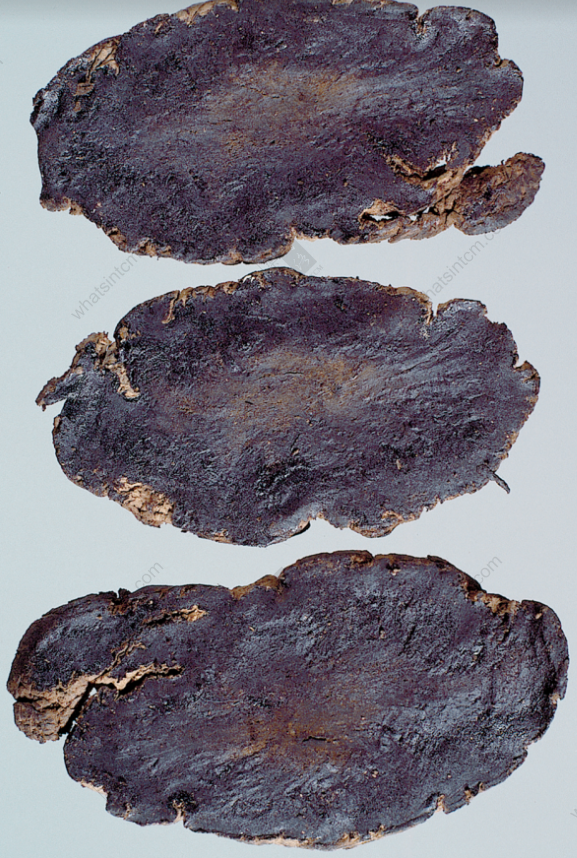 Huaqing Dried Rehmannia Root Slices
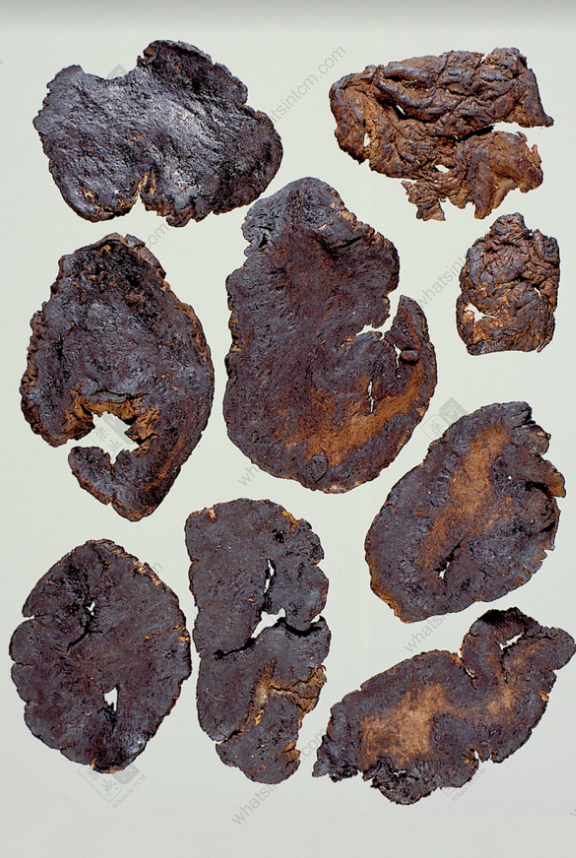 Dried Rehmannia Root Slices (Shanxi)
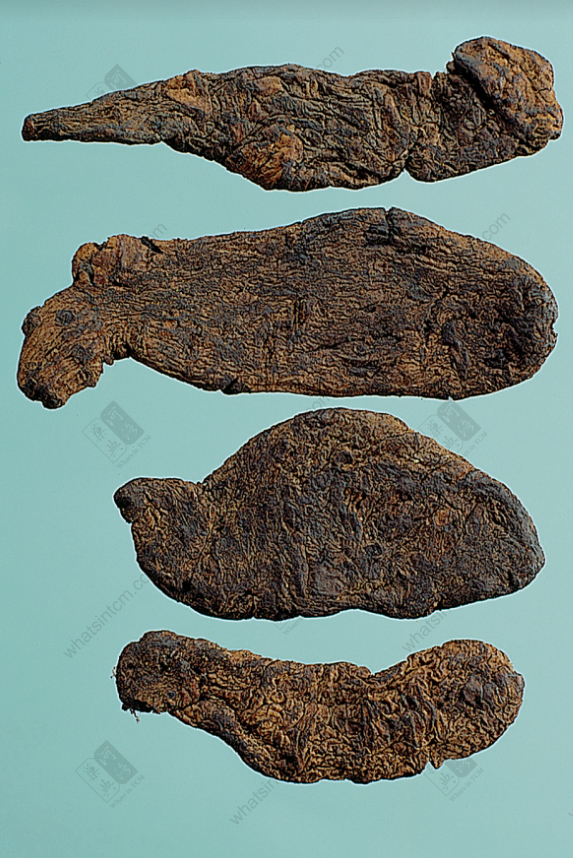 Strip Sheng Di Slices
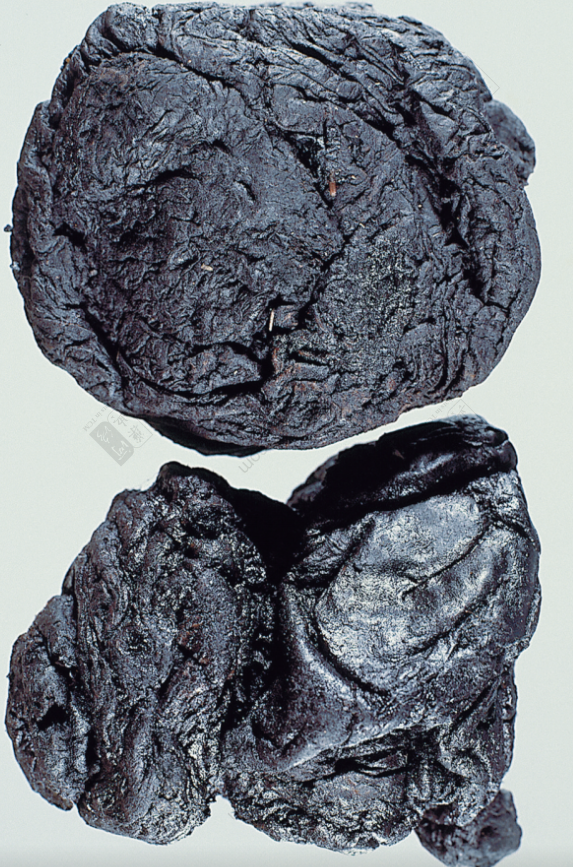 Grade 1 Shu Di, 8 pieces (black inside and out, sticky)
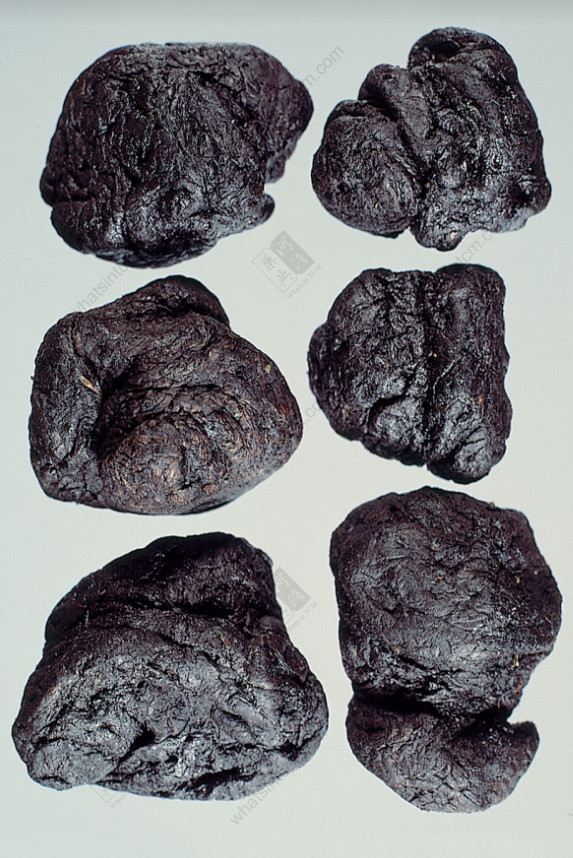 Grade 3 Shu Di Round Granules
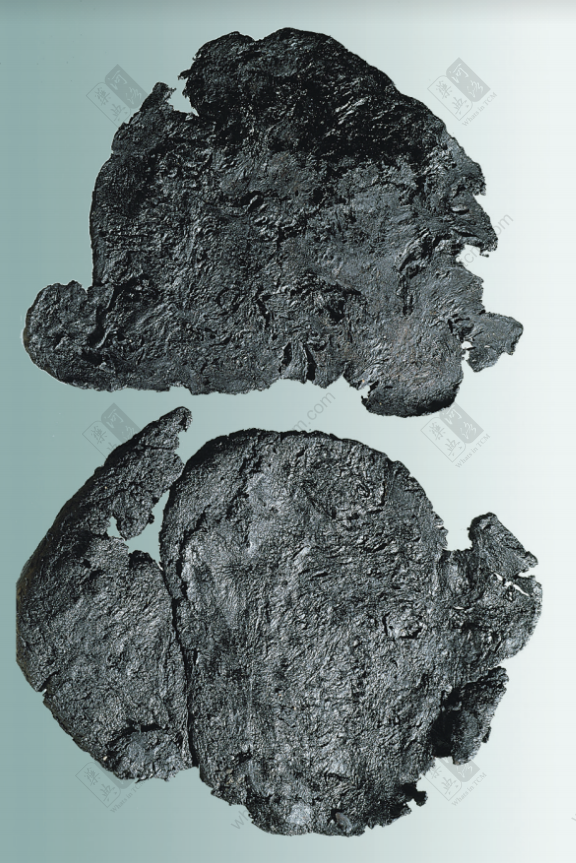 Special Grade Shu Di (jet black and glossy)
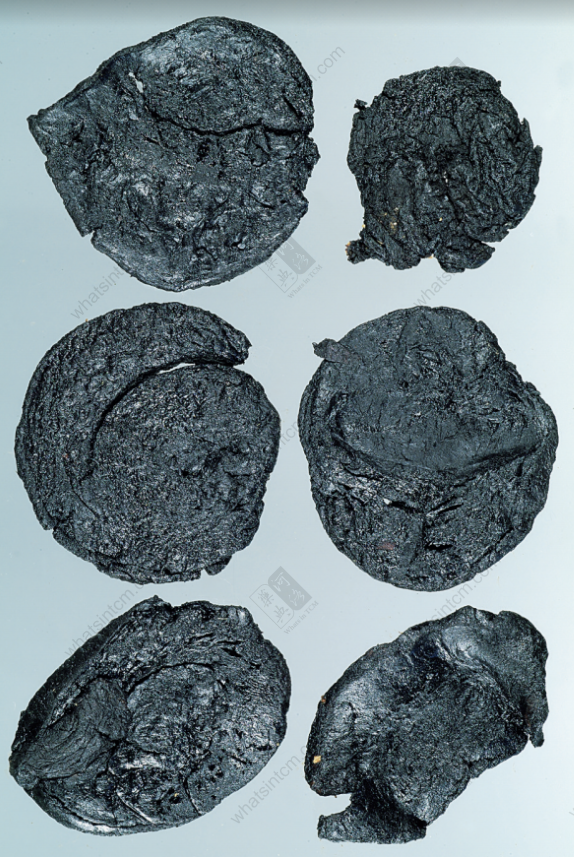 Shu Di 16 pieces sliced
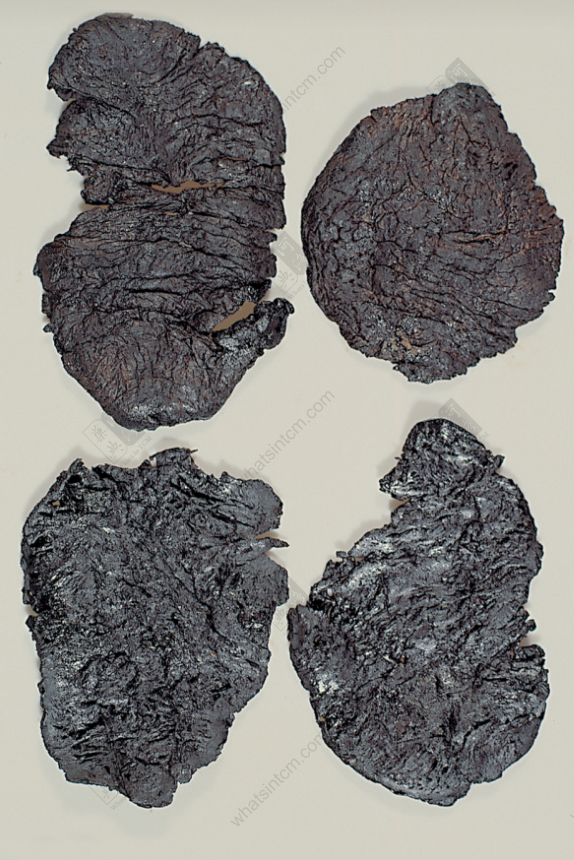 Shu Di slices
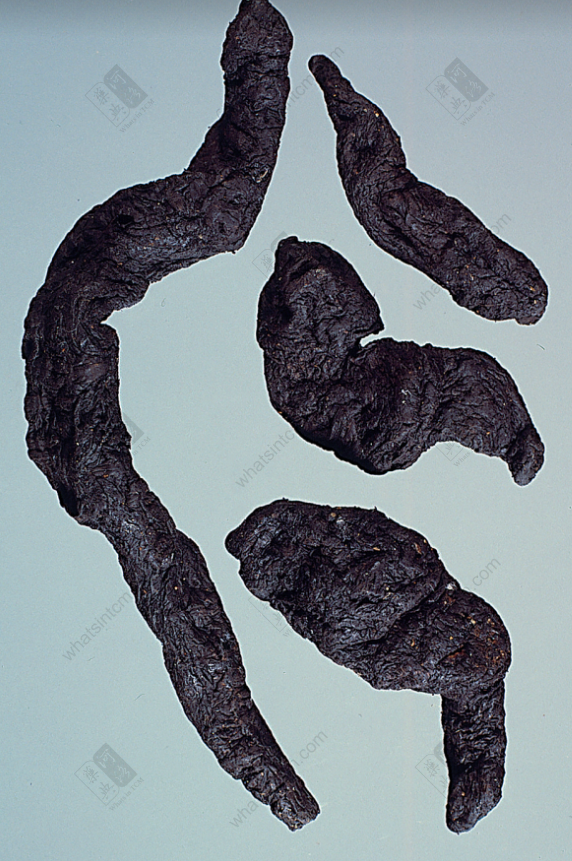 Strip Shu Di
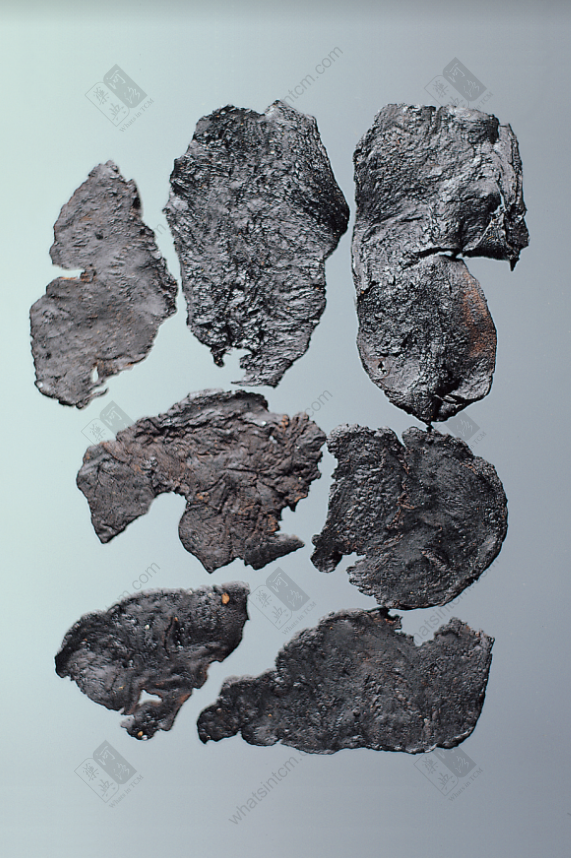 Nine-Steamed Shu Di
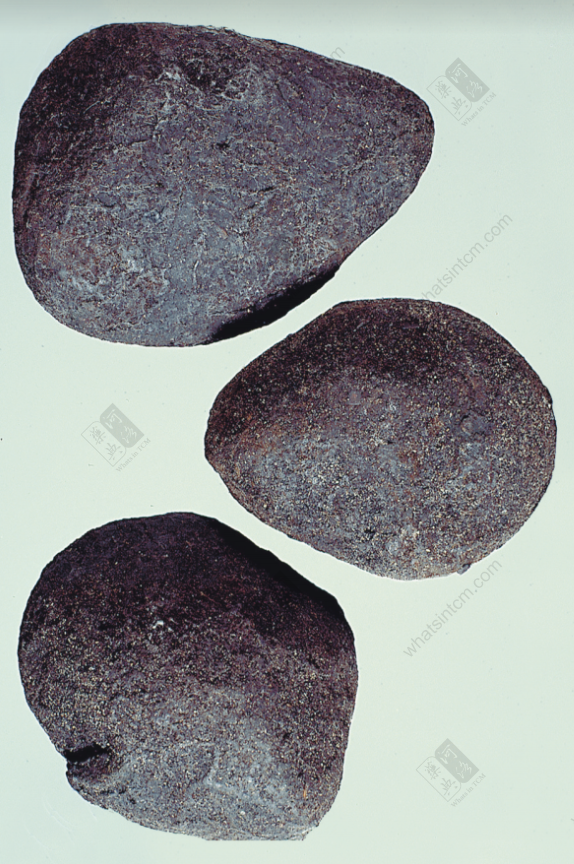 16-Year-Old Aged Shu Di (surface polished and re-steamed)
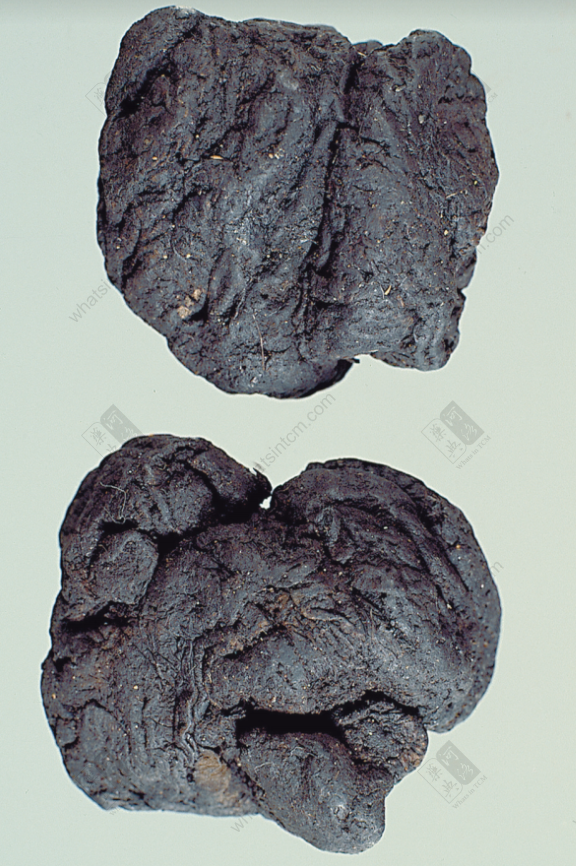 Three-Year-Old Aged Shu Di (old man’s face)
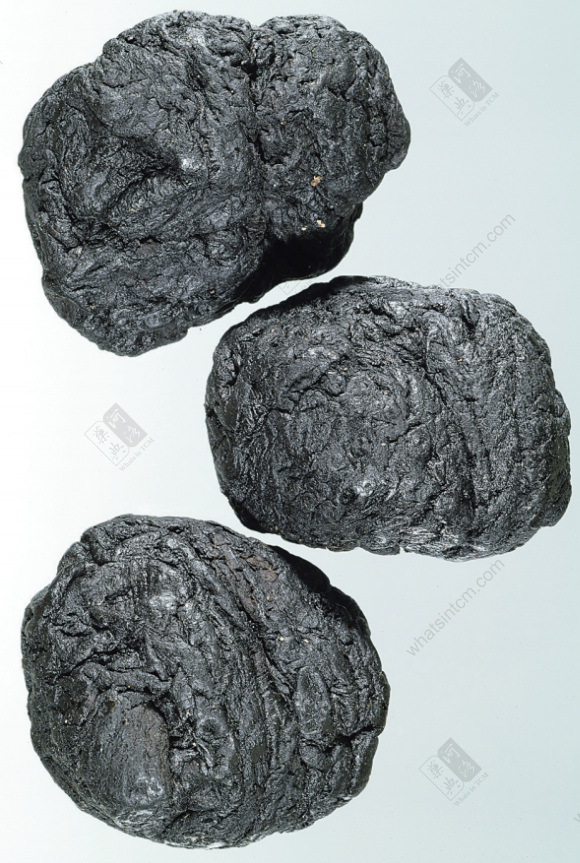 12-Year-Old Aged Shu Di
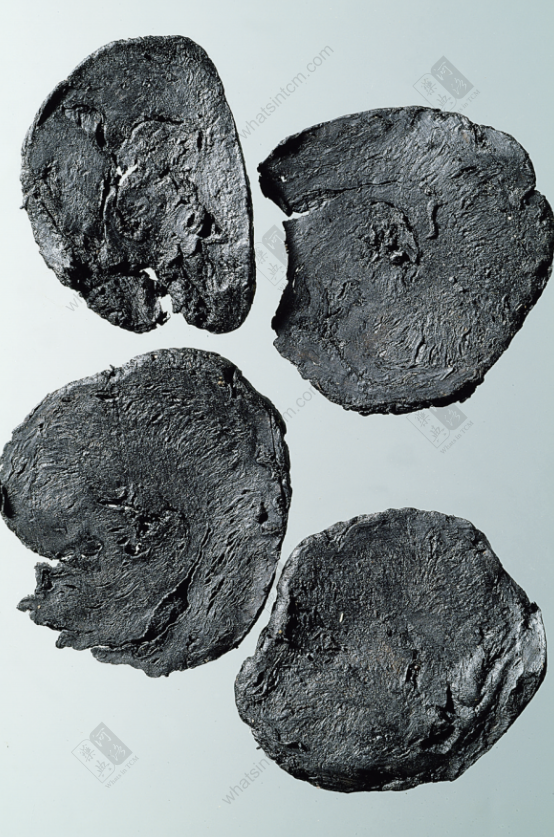 12-Year-Old Aged Shu Di (orchid heart pattern)
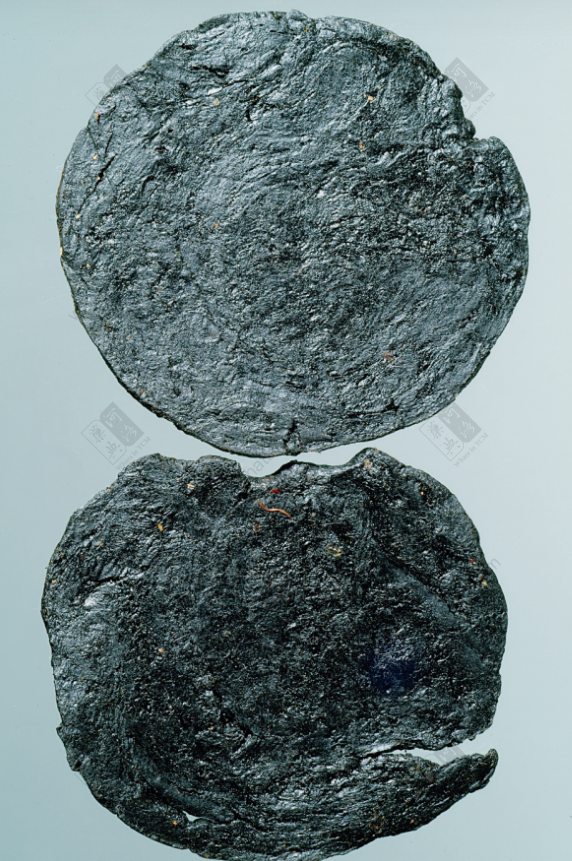 Shu Di Slices (chopped and combined slices)
【Naming】
【Source】
Shen Nong’s Herbal Classic, Superior Grade
【Common Usage Level】
A
【Botanical Origin】
Roots and rhizomes of Scrophulariaceae Rehmannia glutinosa (Gaertner) Libosch. or other cultivated varieties, such as Huaiching Rehmannia glutinosa var. hueichingensis Chao. et Schih.
【Characteristics】
(1) Fresh Sheng Di is spindle-shaped or cylindrical, about 6-13cm long and 0.5-3cm thick or more. It is yellowish-red in appearance with semicircular nodules. Bud scars are attached to the nodules. Some have longitudinal and curved wrinkles and transverse lenticels. The cross-section is fleshy and light yellow.
(2) Dried Rehmannia Root is in the shape of an irregular flattened cone or irregular short pieces. Complete pieces are enlarged in the middle and individually pinched into spherical clumps (round body), about 0.8-2.5cm thick, or thicker, with slightly tapered ends. The outer surface is gray or grayish-brown and longitudinally wrinkled. The texture is soft, and the cross-section is black and sticky.
The sliced form is irregular pieces, about 2-5mm thick, with a black or brownish-black cut surface, exhibiting a chrysanthemum-like pattern in the center, surrounded by brownish-gray, extremely wrinkled, and slightly sweet in taste.
(3) Cooked Rehmannia Root is a steamed product of Dried Rehmannia Root, black inside and out, and black in appearance, wrinkled and uneven. The texture is soft, the cross-section is moist, and bright, oily lumps can often be seen in the center, which is very sticky. Sweet in taste.
Sliced: The surface is shiny black, the periphery is black, the texture is moist and soft, and it is easy to stick together when pinched.
Rehmannia Root is divided into three types in successive herbal books, depending on the different processing methods after harvesting: “Fresh Rehmannia Root, Dried Rehmannia Root, and Cooked Rehmannia Root“. The “Fresh Rehmannia Root” mentioned in herbal books still refers to the fresh product of fresh Rehmannia, where the roots are dug out, the stems, leaves and root whiskers are removed, the soil is washed away, and it is cut into small sections for medicinal use. However, because fresh Rehmannia is not easy to preserve, when prescriptions call for Sheng Di, pharmacies generally use Dried Rehmannia Root instead. Over time, this has become common practice, and therefore dried Rehmannia is collectively referred to as Sheng Di.
【Processing】
1. Fresh Rehmannia Root 2. Dried Rehmannia Root (commonly known as Sheng Di in Taiwan) 3. Wine-processed Shu Di 4. Steamed Shu Di 5. Stir-fried Shu Di, or Shu Di stir-fried with <a href='https://whatsintcm.com/dt_articles/砂仁/’>cardamom 6. Rehmannia Root Charcoal (Sheng Di Charcoal, Shu Di Charcoal)
【Identification】
Mingyi Bielu: “Fresh Rehmannia Root. The best is grown in the yellow soil of Xianyang.” Herbal Illustration Classic: “The best is well-cooked dried Rehmannia Root.” Zhenglei Bencao: “The best is grown in the yellow soil of Xianyang rivers and marshes.” Zhenglei Bencao: “It is better to soak it for three or two hours, then expose it to the sun, and then steam it again, repeating this process.” Yifangleiju: “Fresh Rehmannia Root tastes sweet, is non-toxic, and is best when grown in yellow soil.” Yifangleiju: “Rehmannia Root. This medicine is best harvested in the second and eighth months.” Yifangleiju: “The best fresh Rehmannia Root comes from Huaizhou.” Bencao Pinhui Jingyao: “Air-dried, roots that are large and fat are good.” Bencao Pinhui Jingyao: “Roots that are fat, large, soft and moist are good.” Compendium of Materia Medica: “[Bielu said] Rehmannia Root is best when grown in the yellow soil of Xianyang rivers and marshes.” Essentials of Materia Medica: “Those grown in Jiangsu and Zhejiang have weak southern yang qi; those grown in the north have strong pure yin power. The best is from Huaiqing, fat and large with a chrysanthemum heart.” Benjing Fengyuan: “People in the market call Rehmannia Root resembling Huang Jing. It is best when it is fat, moist and large.” Benjing Fengyuan: “Only those that are heavy are good.” Experience Pill Formula Compilation: “Rehmannia Root, those with old, firm skin and a chrysanthemum heart are good.” Chuan Ya Nei Wai Bian: “Cooked Rehmannia Root, the best is from Huaiqing.” Yao Zheng: “The most comes from Hezhou, which is no different from that from Hantu, and the most substantial are the best.” Bencao Qiu Zhen: “The best are grown in Huaiqing, fat and large with a chrysanthemum heart.” Bencao Qiu Zhen: “The larger and fatter are better.” Zeng Yao Bian: “The best are those that have been steamed and sun-dried nine times until the heart is black.” Good and Bad Identification: “Dried Rehmannia Root, the larger and fatter are good. Cooked Rehmannia Root, with a color like lacquer, glossy and sweet, the larger is the best product.”
The best is large, round, with fine skin texture, oily, heavy, soft and firm texture, grayish-white or grayish-brown surface, oily sheen on the cross-section, a visible chrysanthemum heart, sticky, without a withered heart or scorched, and sweet in taste. Those that are thin, skinny, with rusty skin, less oily, and a dark yellowish-brown cross-section are inferior. The order of quality evaluation is: Henan Huaiqing, Hebei, Shanxi, Shandong, South (Guangdong and Guangxi).
【Identification Terminology】
1. Old Mother: Refers to the Rehmannia Root seedling, the mother root after propagation, which is empty and cannot be used medicinally.
2. Old Man’s Face: After nine steams and nine sun-dryings, sufficient time has passed, and the surface appears like an old man’s face, which will not spoil after long storage.
3. Orchid Heart Pattern: Slices of old Shu Di have uniform and dense patterns.
【Section】
Root Category
Related Products

