



Deer Velvet Antler
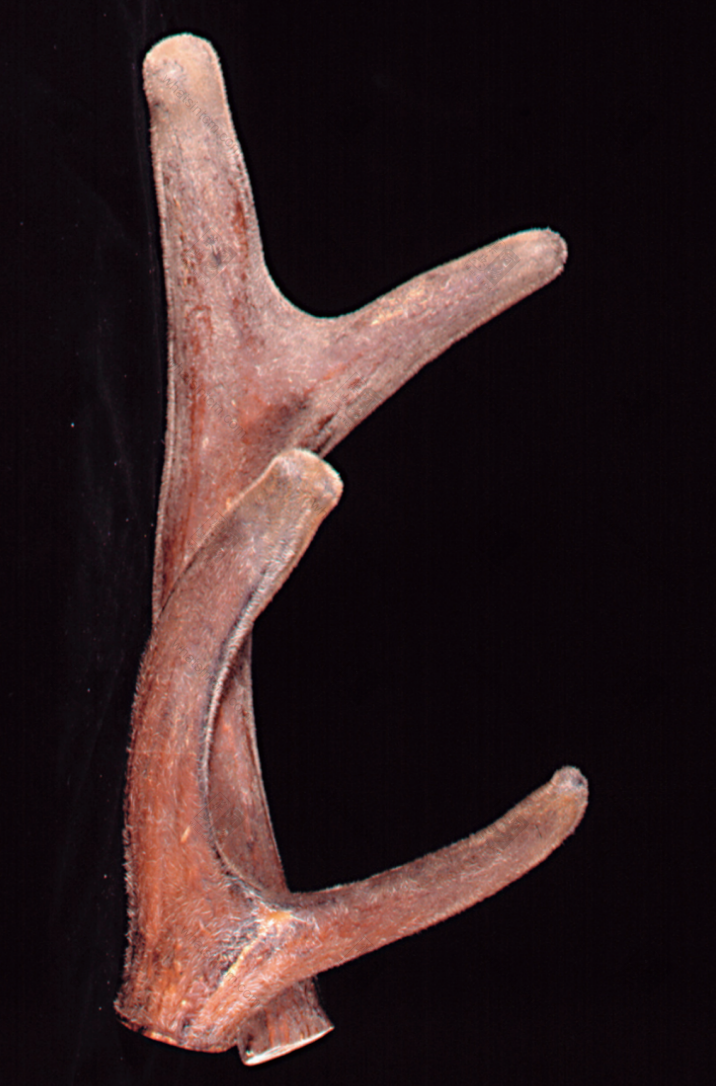
San Sheng Rong (cylindrical branching, large main branch with two forks, reddish-brown and lustrous, densely packed honeycomb-like small holes, tightly adhering skin, blunt and rounded apex, bluish-gray velvet, fine and soft)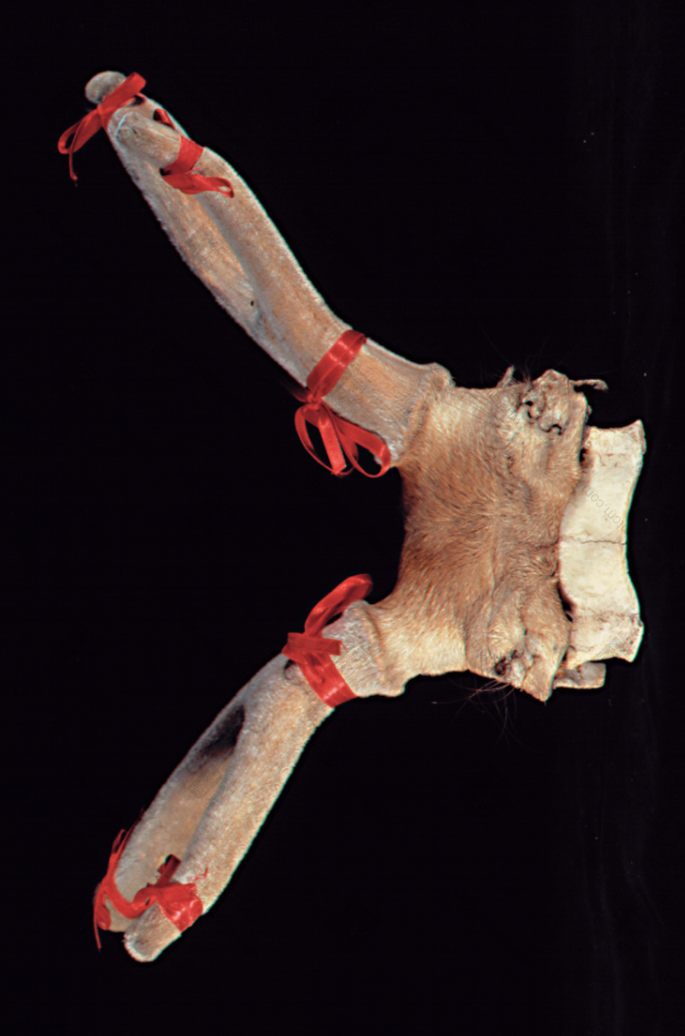
Chopped Antler
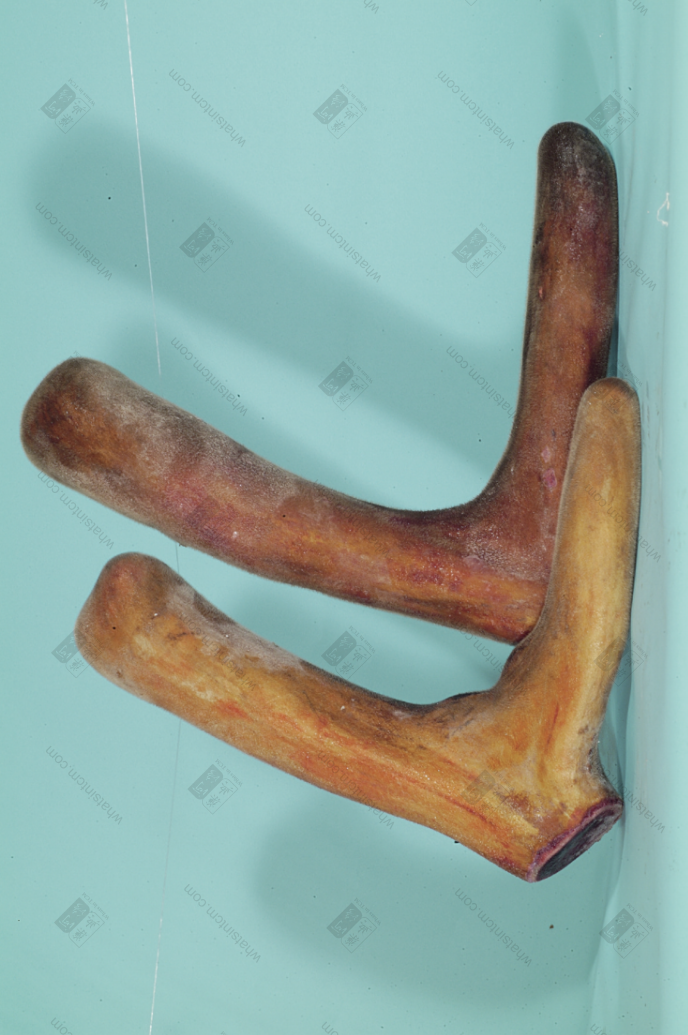
Frozen Jilin Deer Velvet Antler (saw cut yellow without bone, salty and fishy)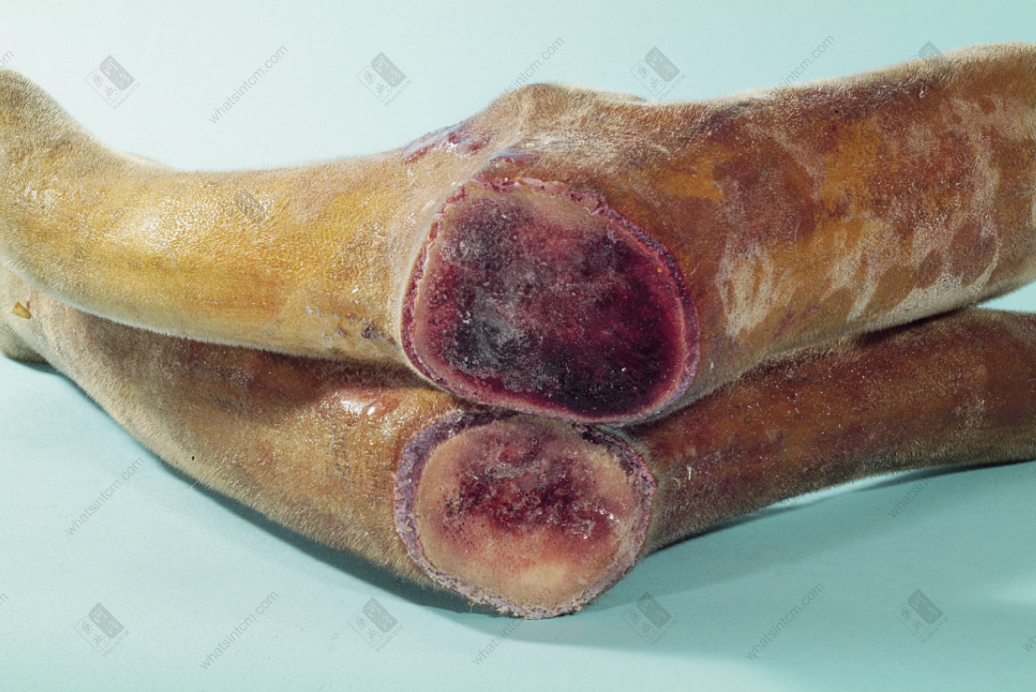 Frozen Jilin Deer Velvet Antler (two forks)nn
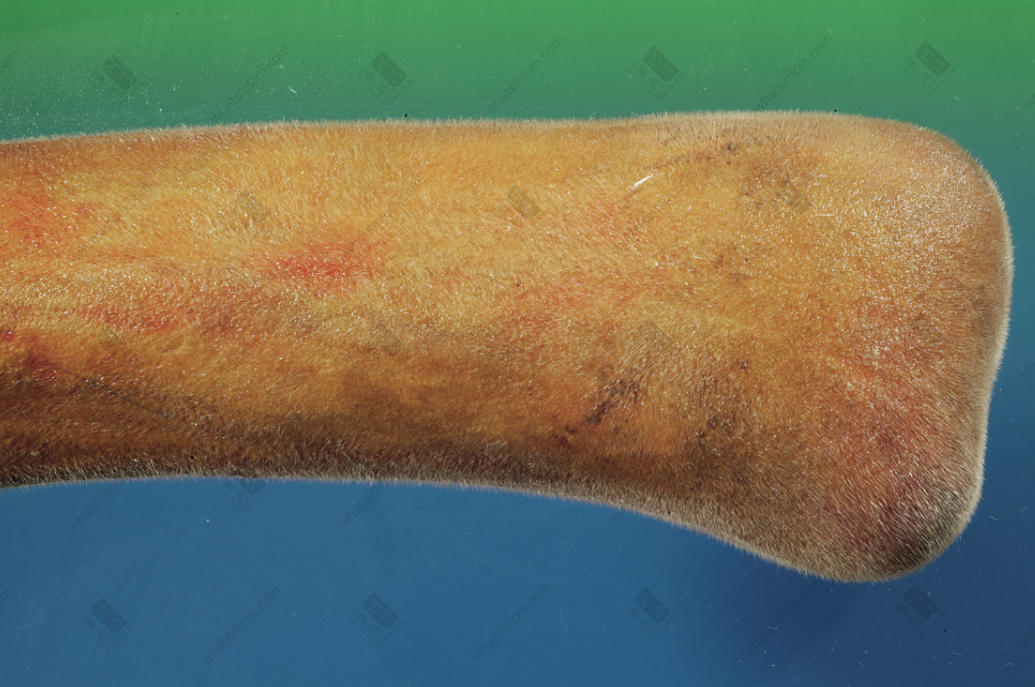 Frozen Jilin Deer Velvet Antler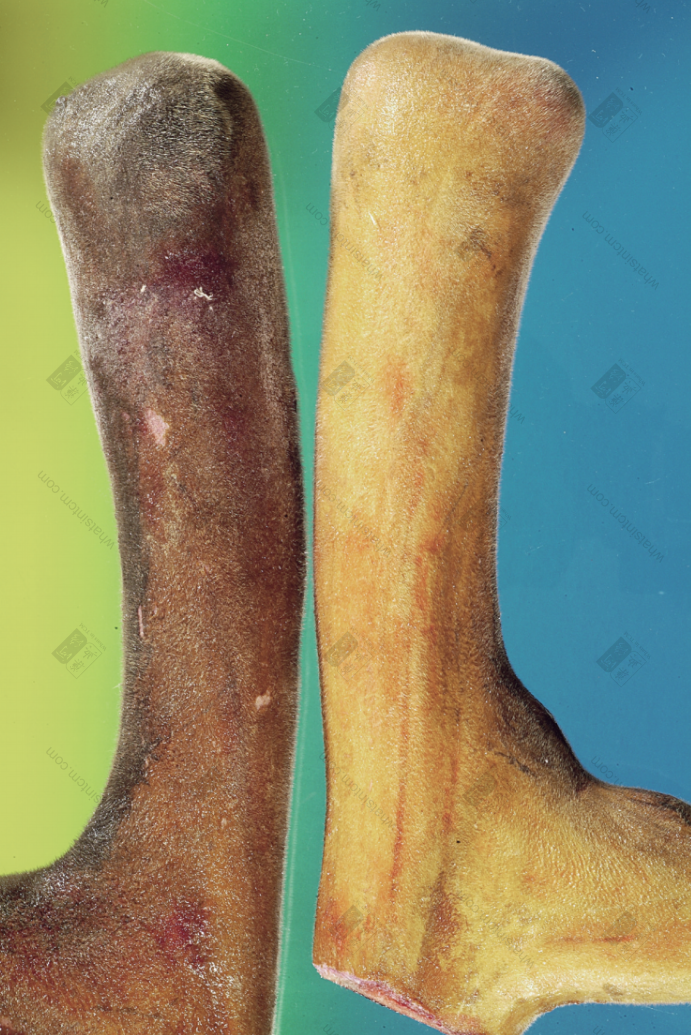
Frozen Jilin Deer Velvet Antler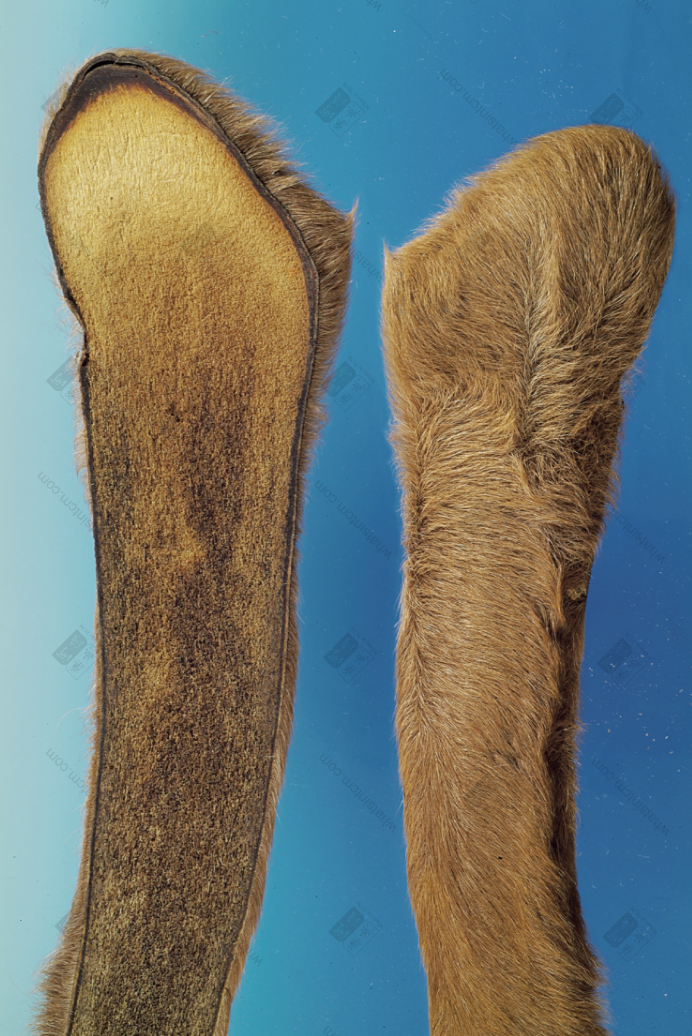
Jilin Deer Velvet Antler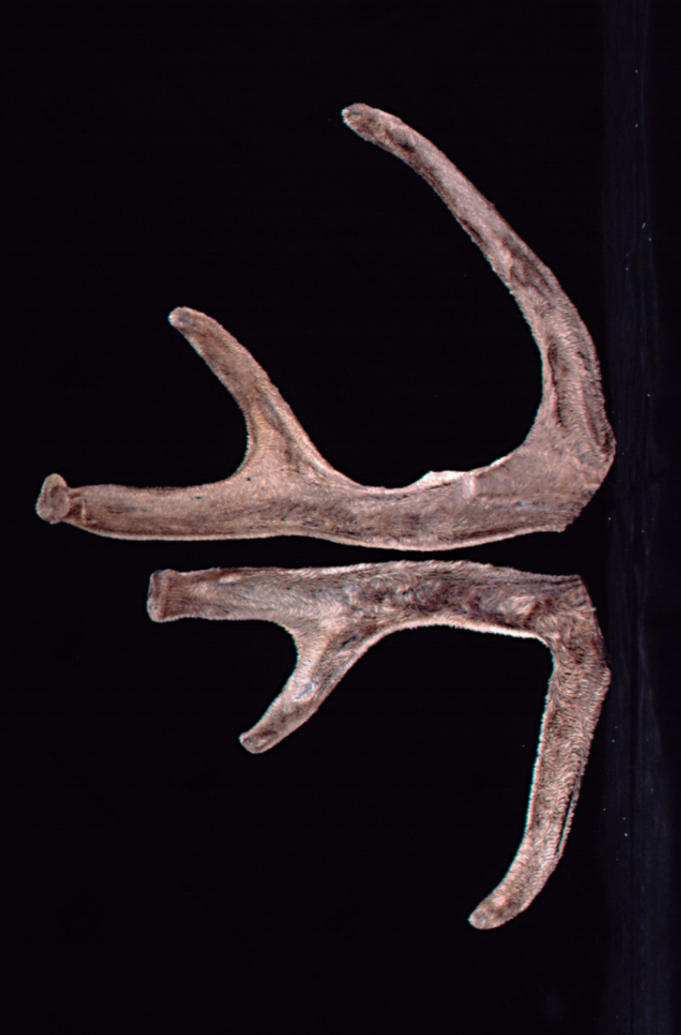
New Zealand Deer Velvet Antler (three-pronged)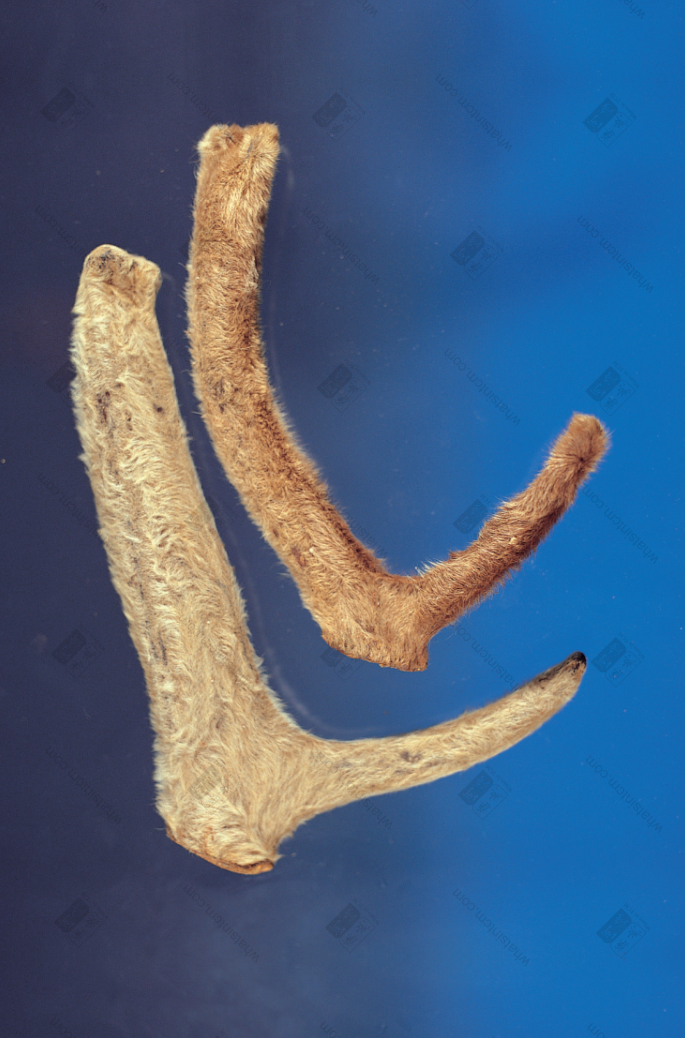
New Zealand Deer Velvet Antler (first flower second crop and three-pronged)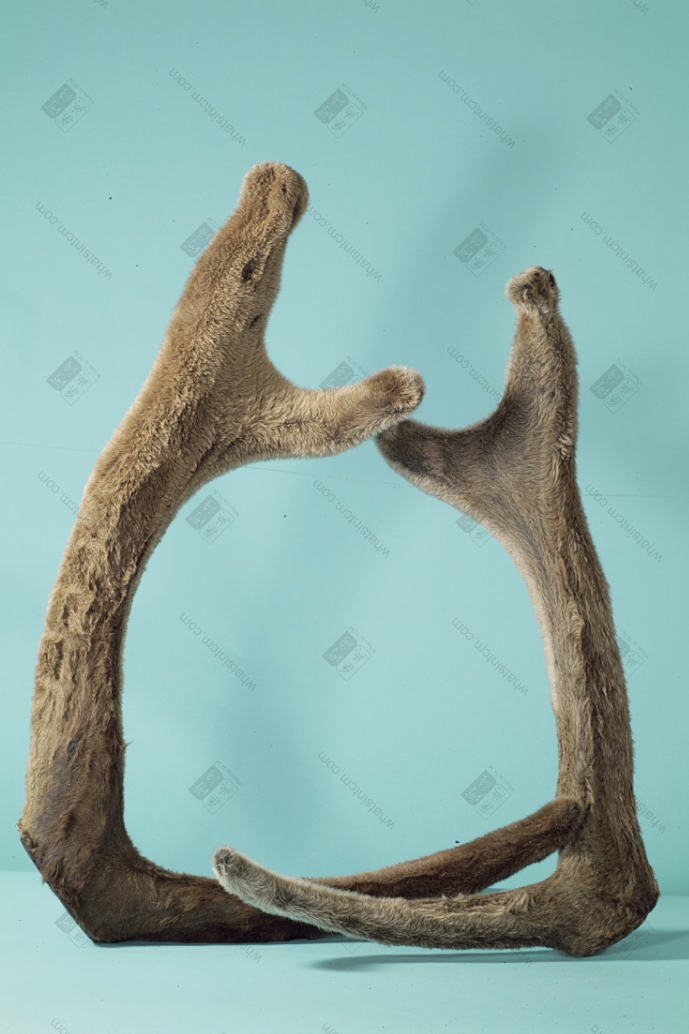
New Zealand Whole Deer Velvet Antler (three-pronged)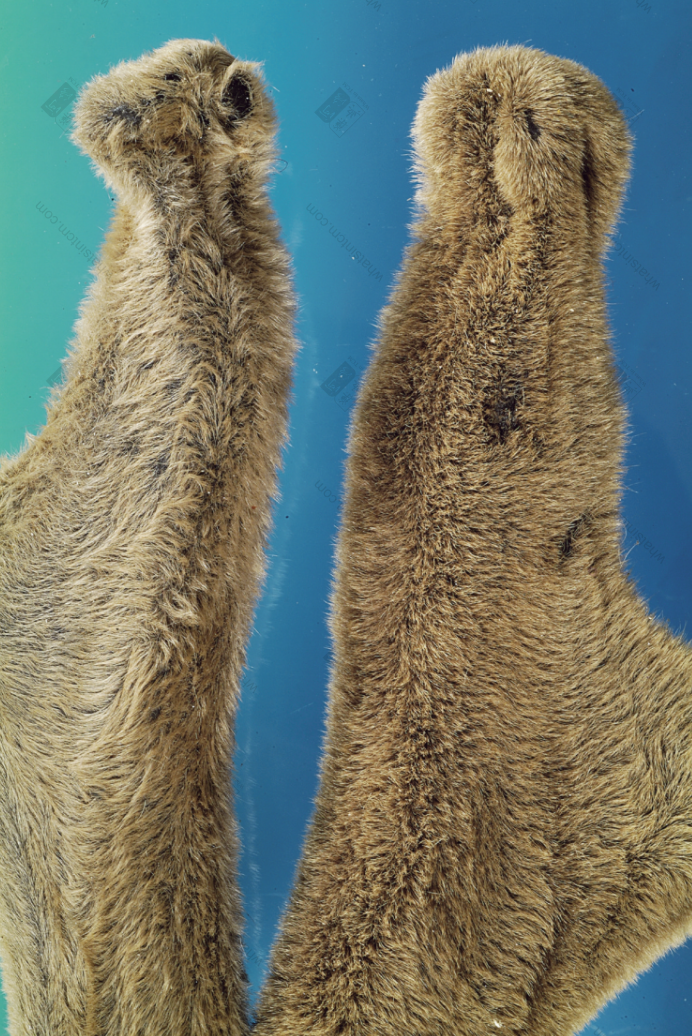
Tip Persimmon Velvet and Persimmon Base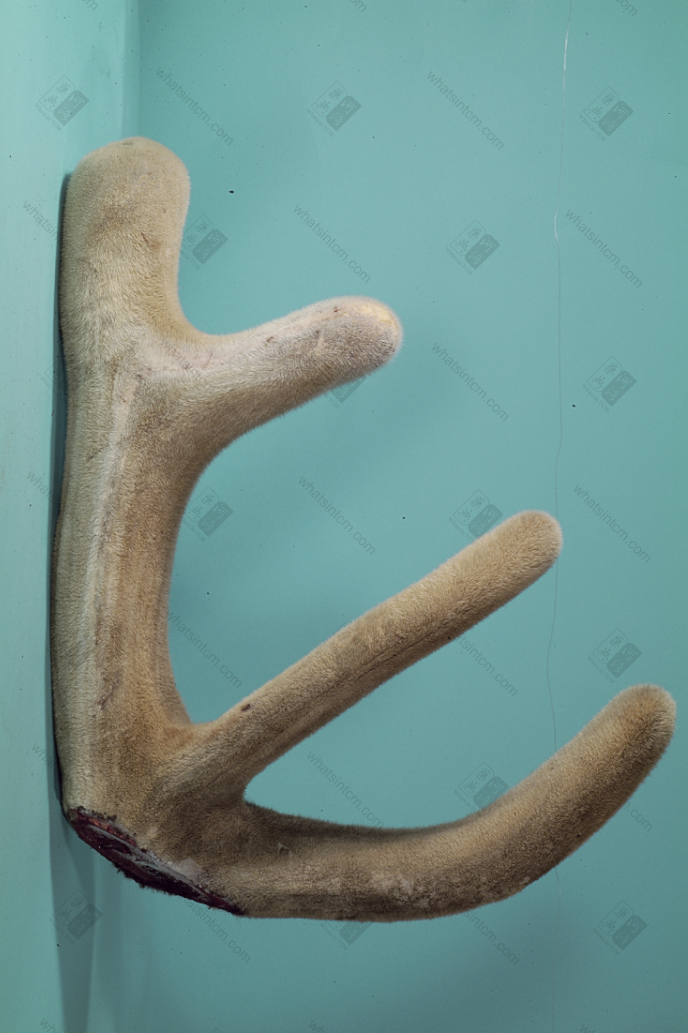
New Zealand Frozen Raw Deer Velvet Antler Four-Pronged (4 years)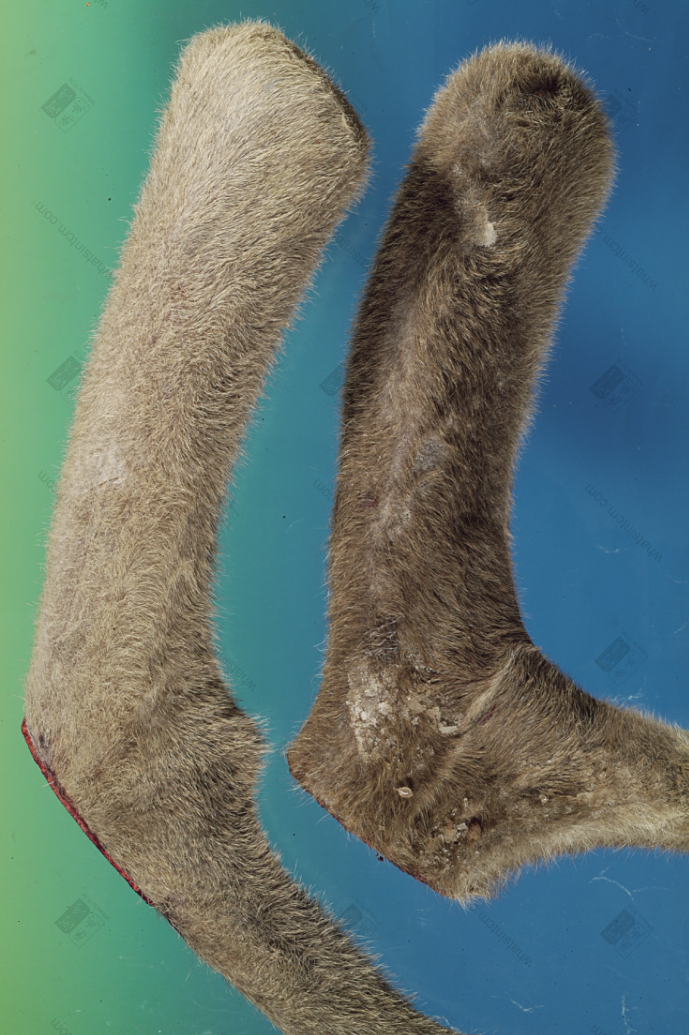
New Zealand Defrosted Raw Deer Velvet Antler Two-Pronged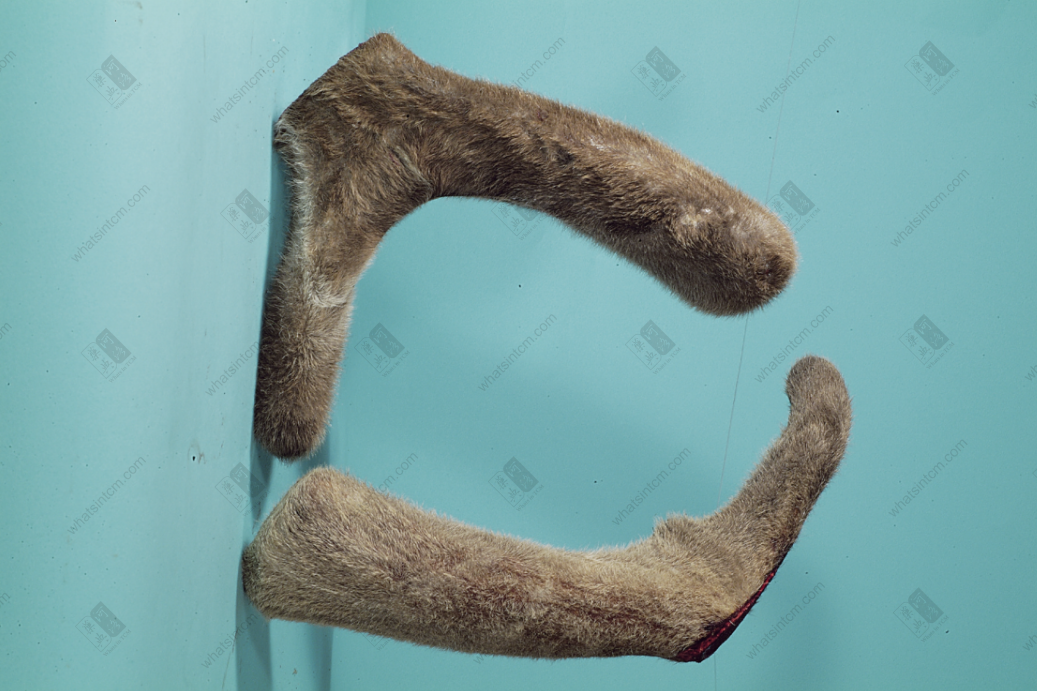 New Zealand Frozen Raw Deer Velvet Antler
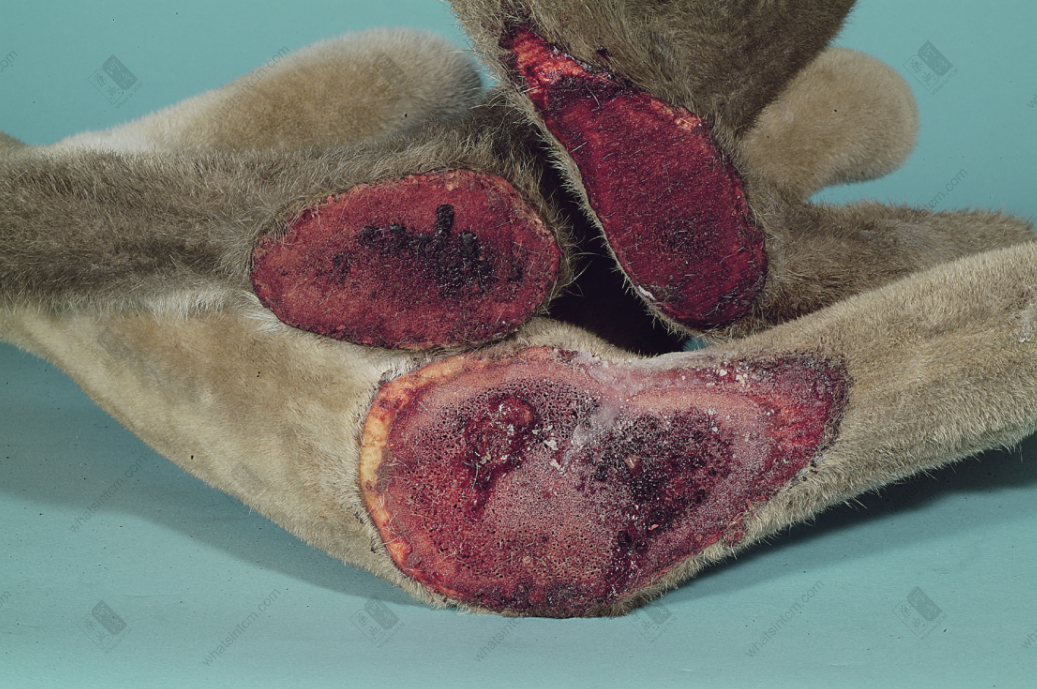 Frozen New Zealand Raw Deer Velvet Antlernn
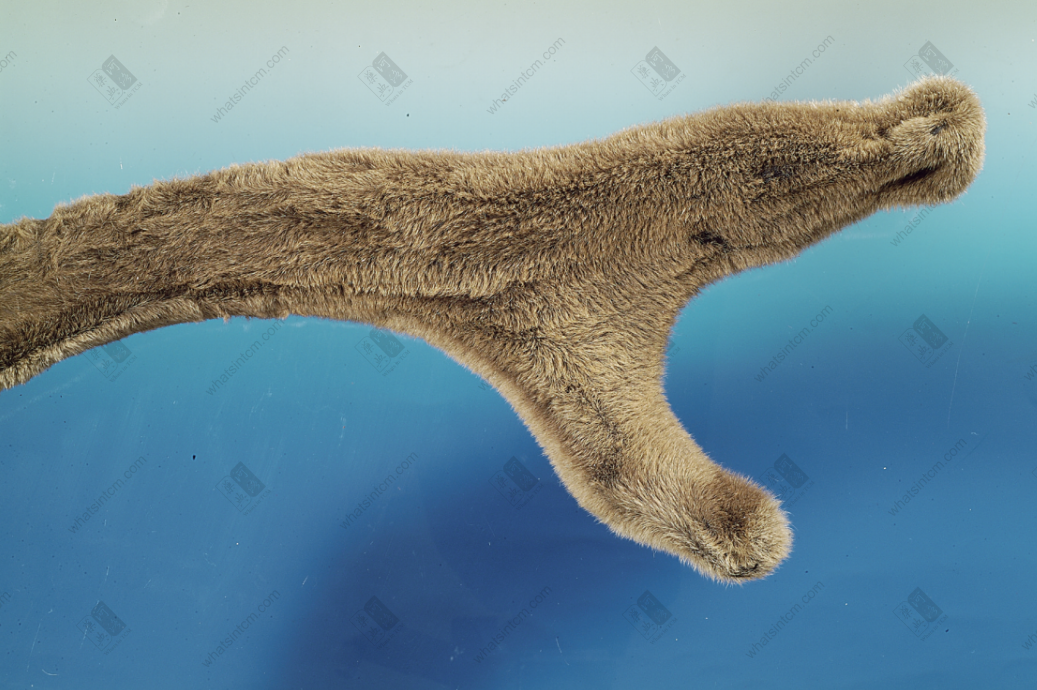 New Zealand Whole Deer Velvet Antlernn
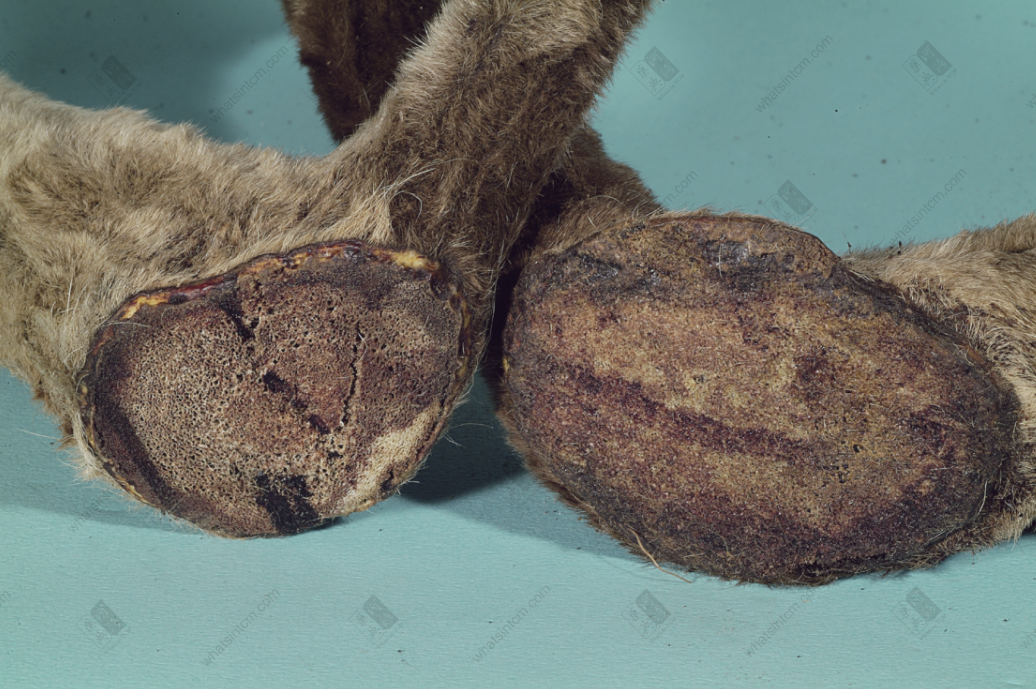 New Zealand Dried Deer Velvet Antlernn
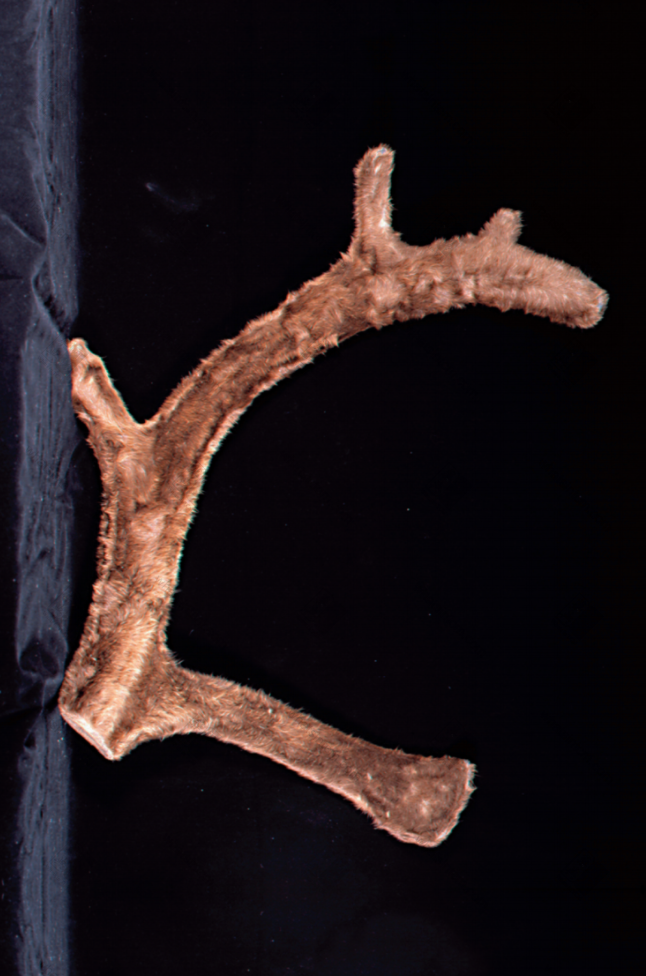 Alaska Deer Velvet Antlernn
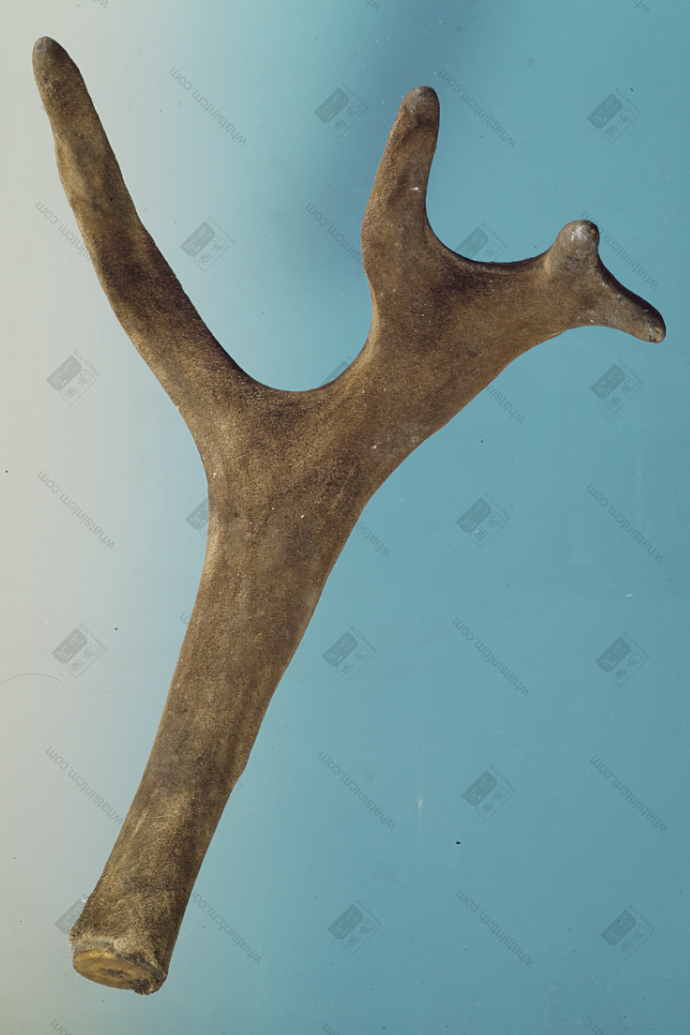 Alaska Deer Velvet Antler with Hair Removed by Burningnn
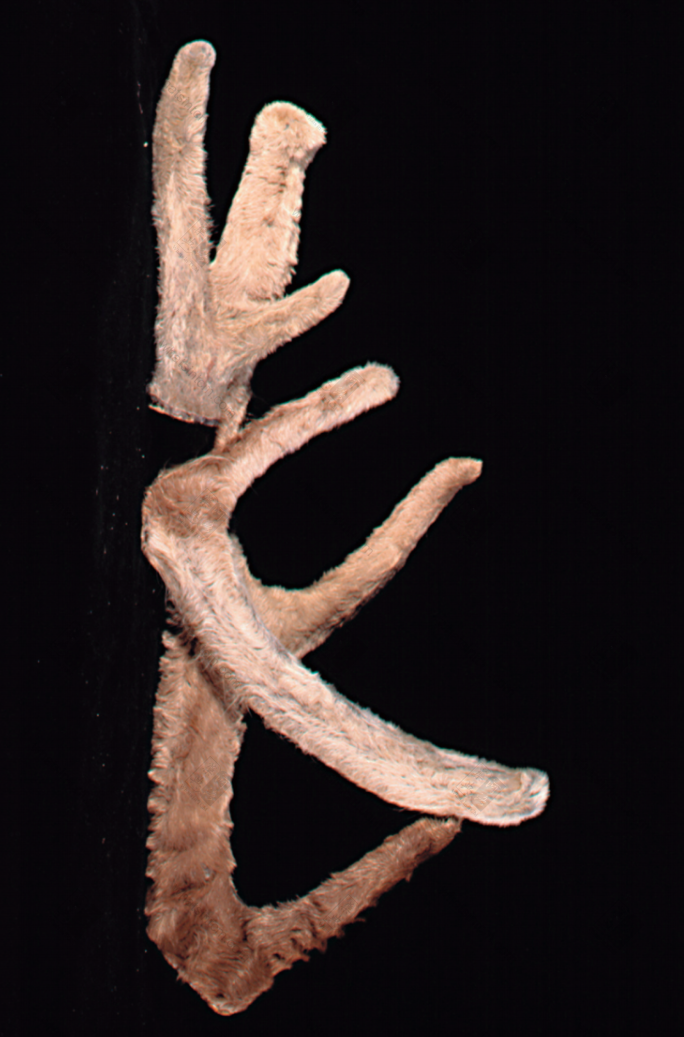 Siberia Deer Velvet Antlernn
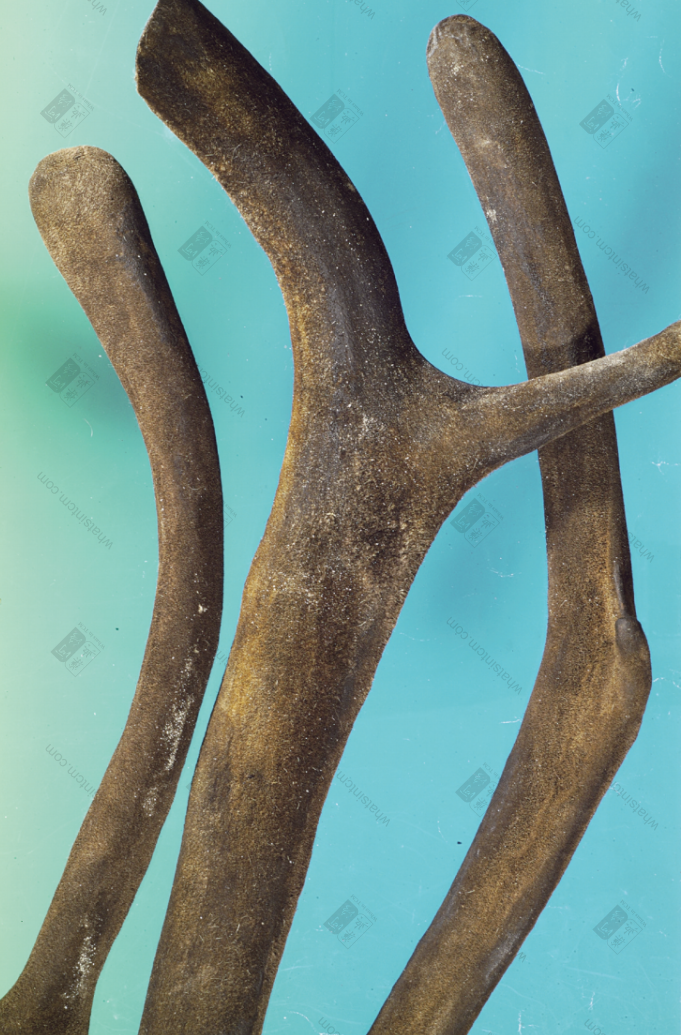 Canada Deer Velvet Antler Hair Removed by Burningnn
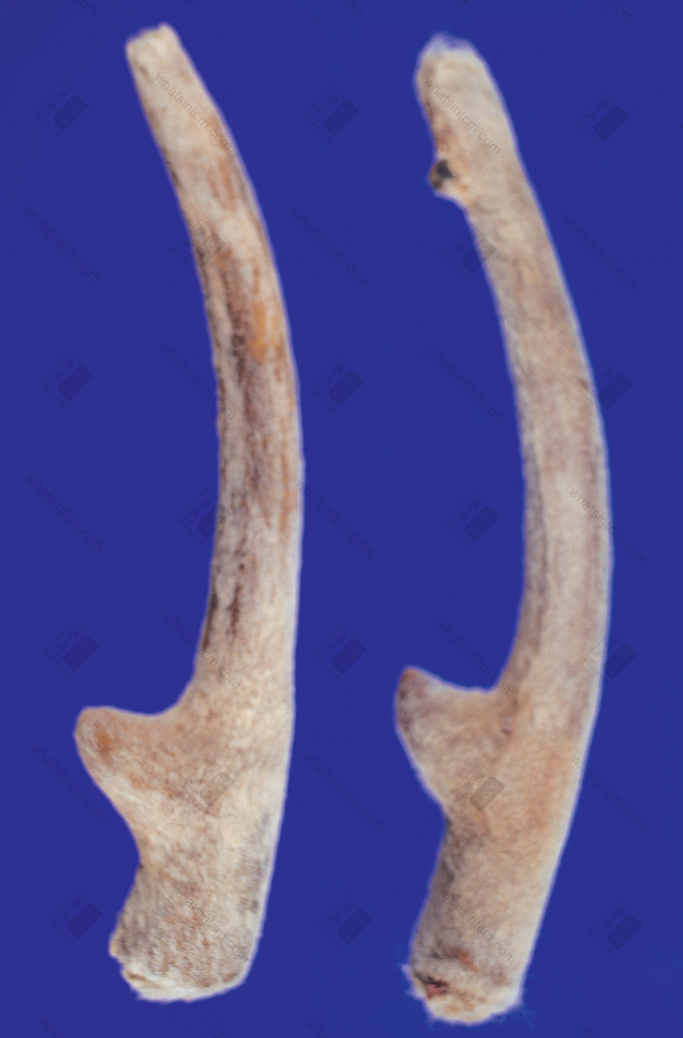 Tibet Deer Velvet Antlernn
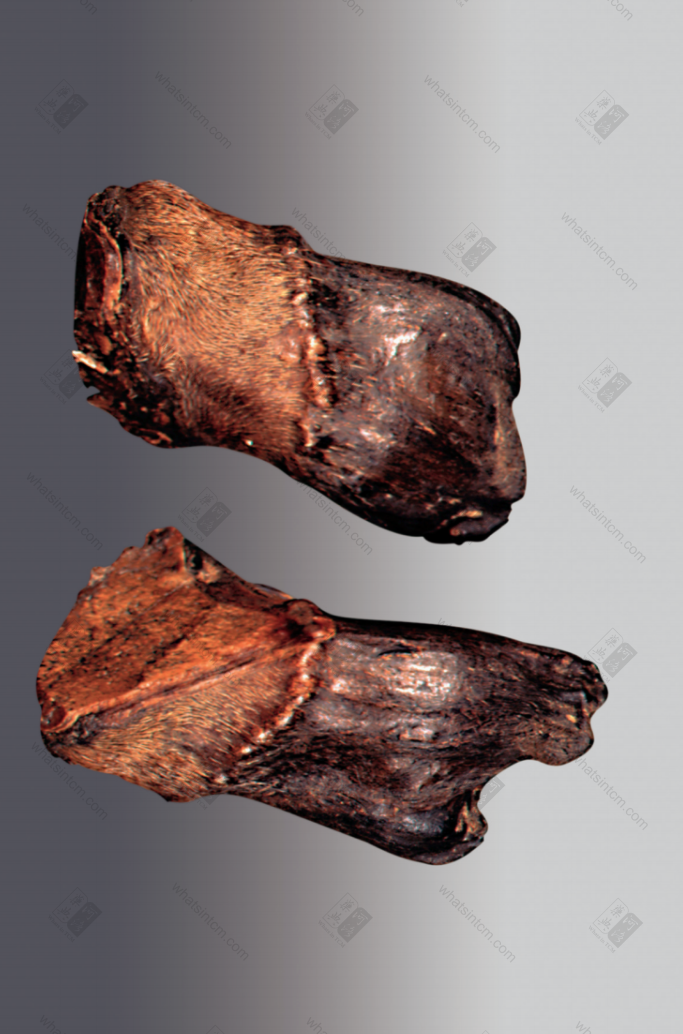 Thailand Sambar Deer Saddlenn
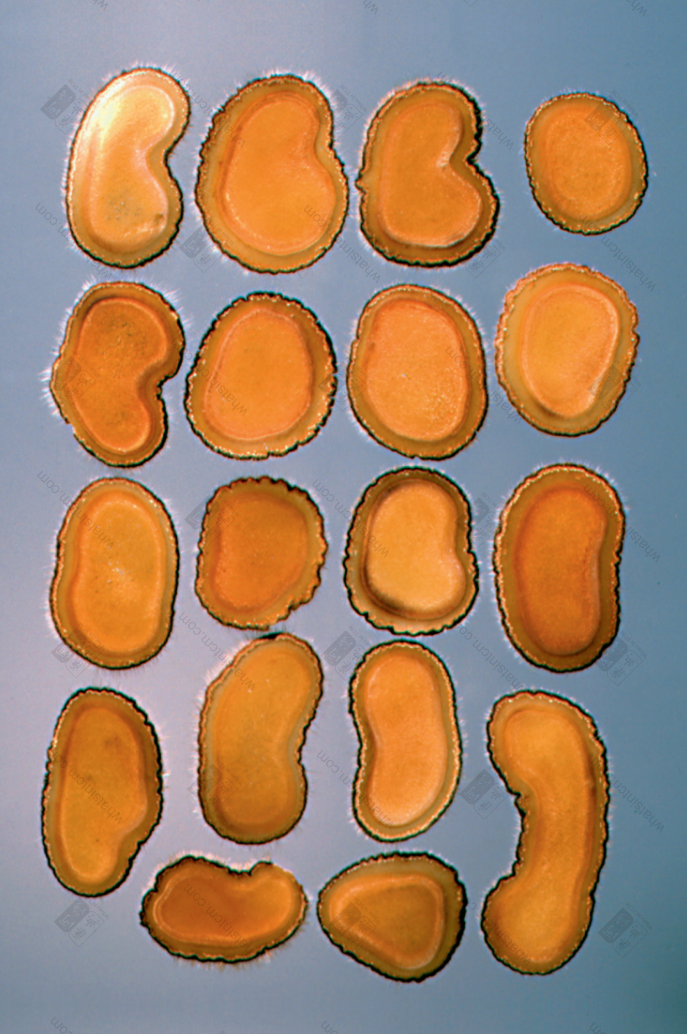 Jilin Persimmon Velvetnn
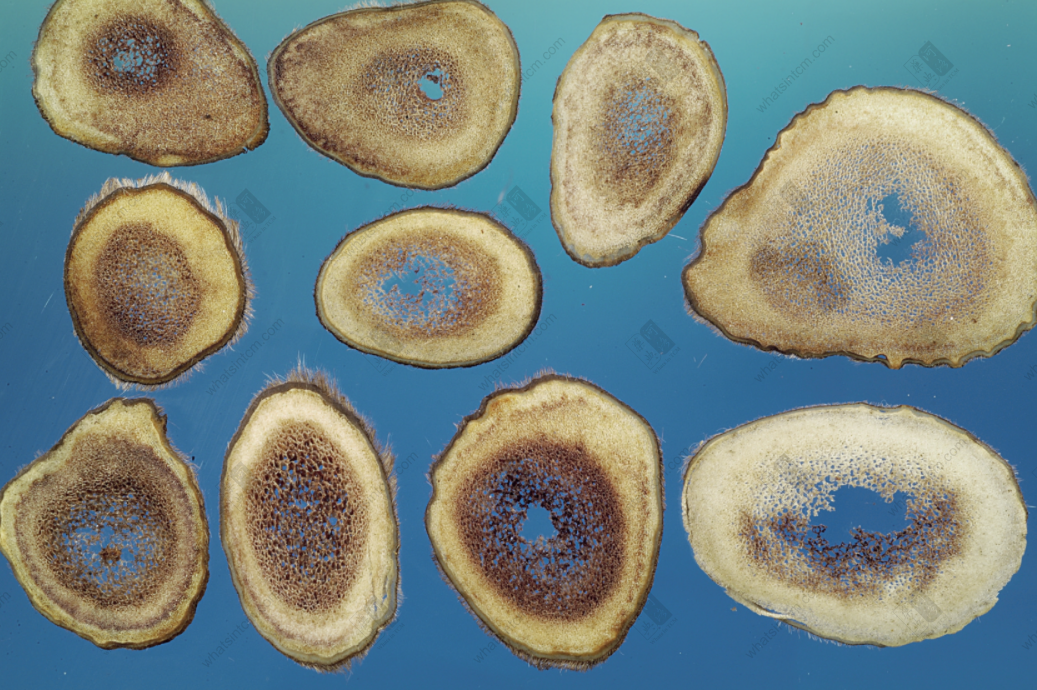 Jilin Powder Velvetnn
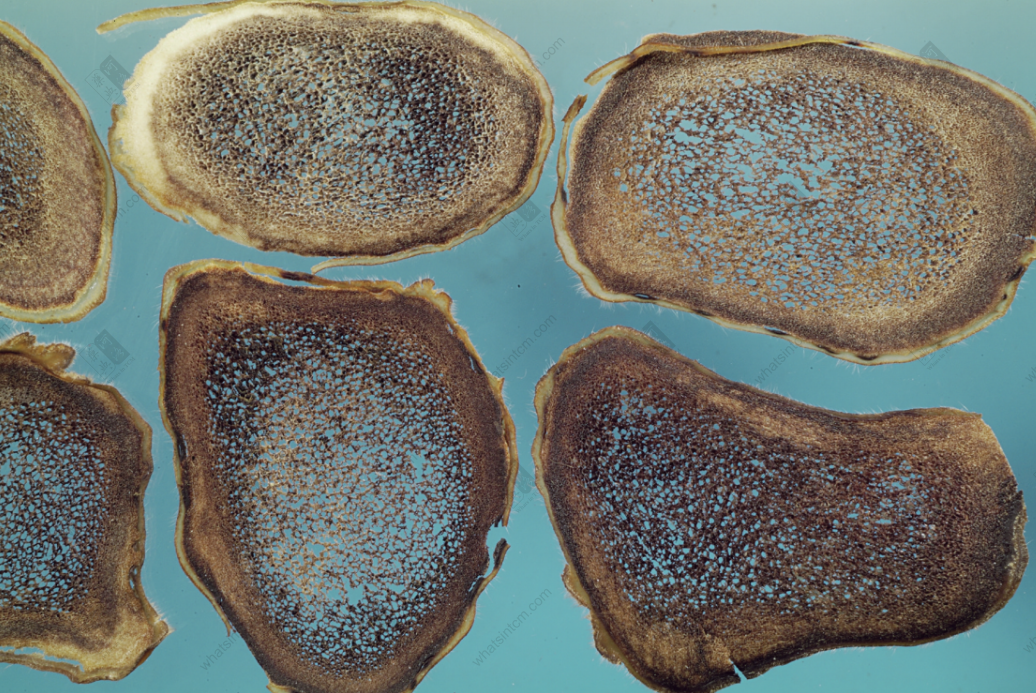 Jilin Blood Velvetnn
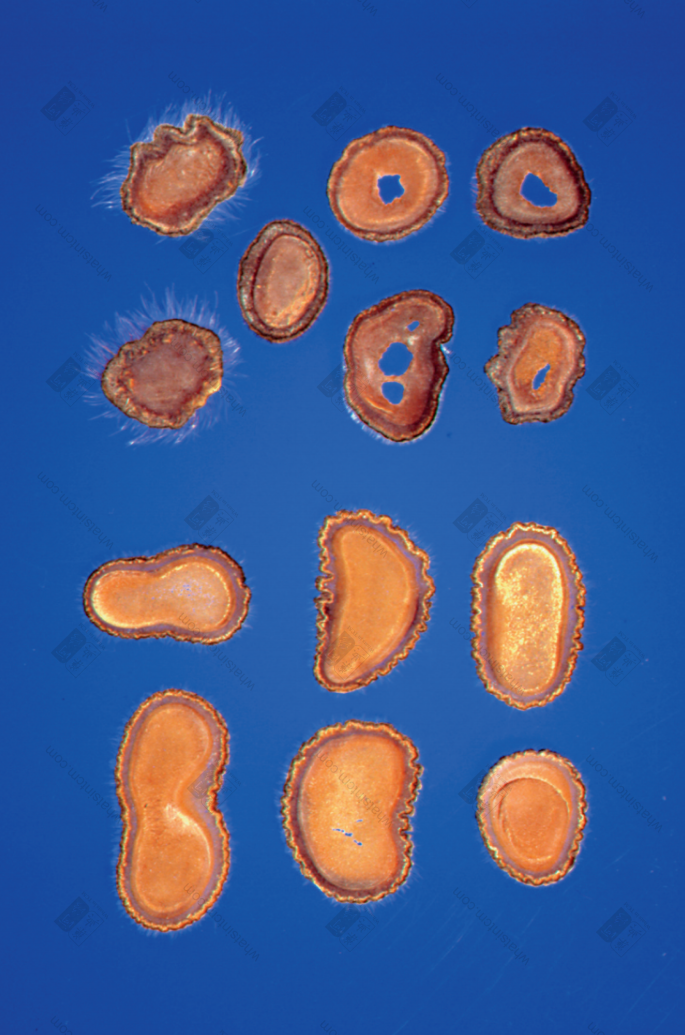 Persimmon Velvet (lower 6 Jilin, upper 7 New Zealand)nn
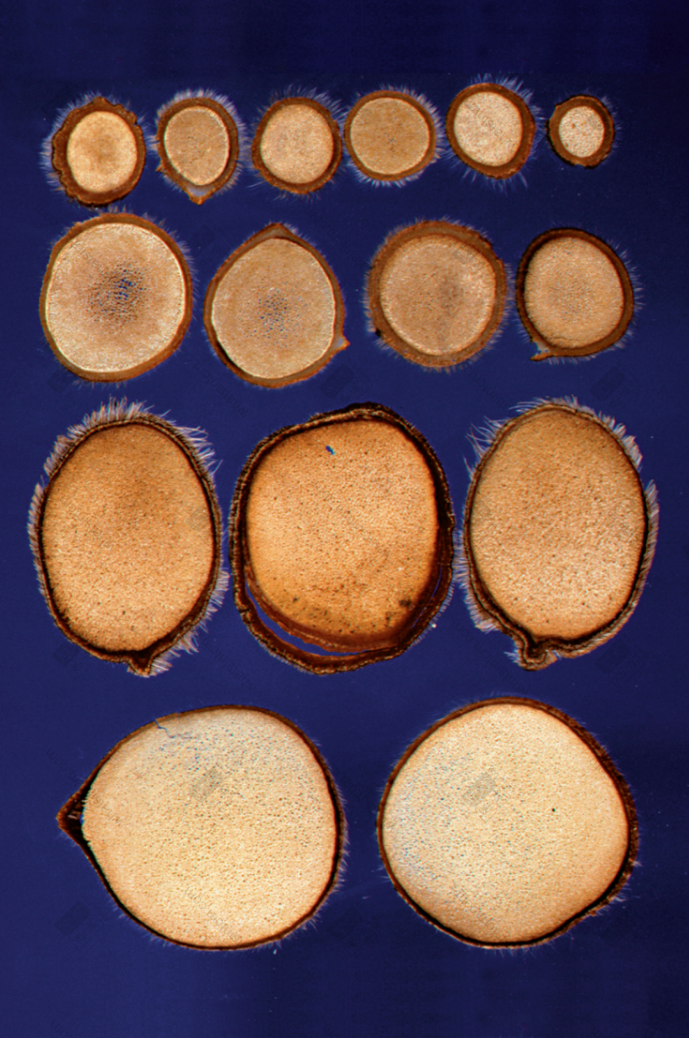 New Zealand Powder Velvetnn
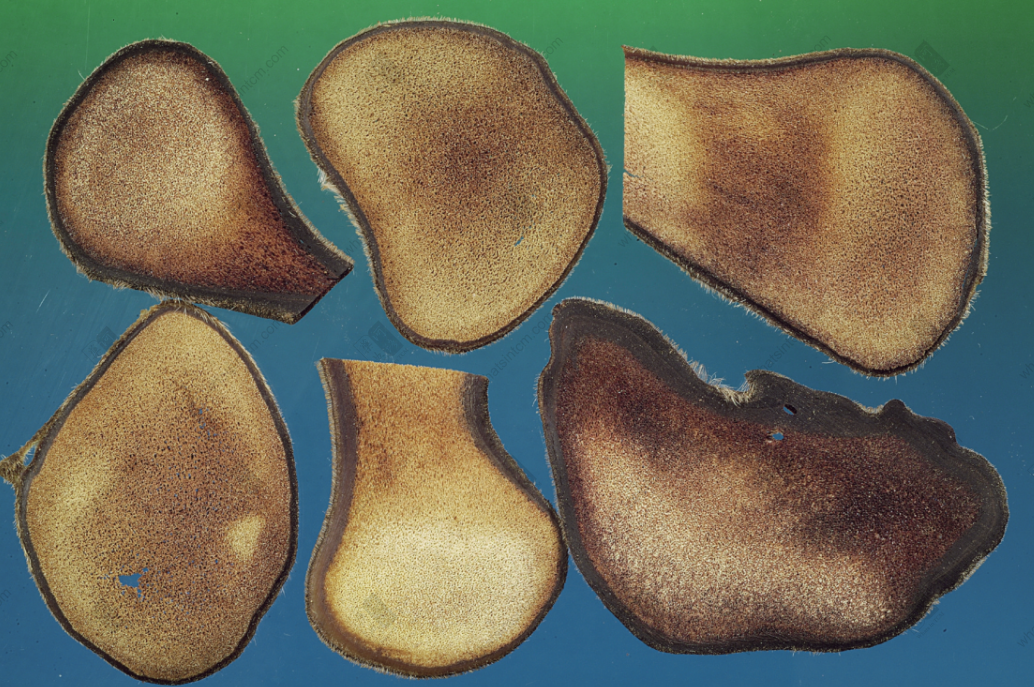 New Zealand Large Powder Velvetnn
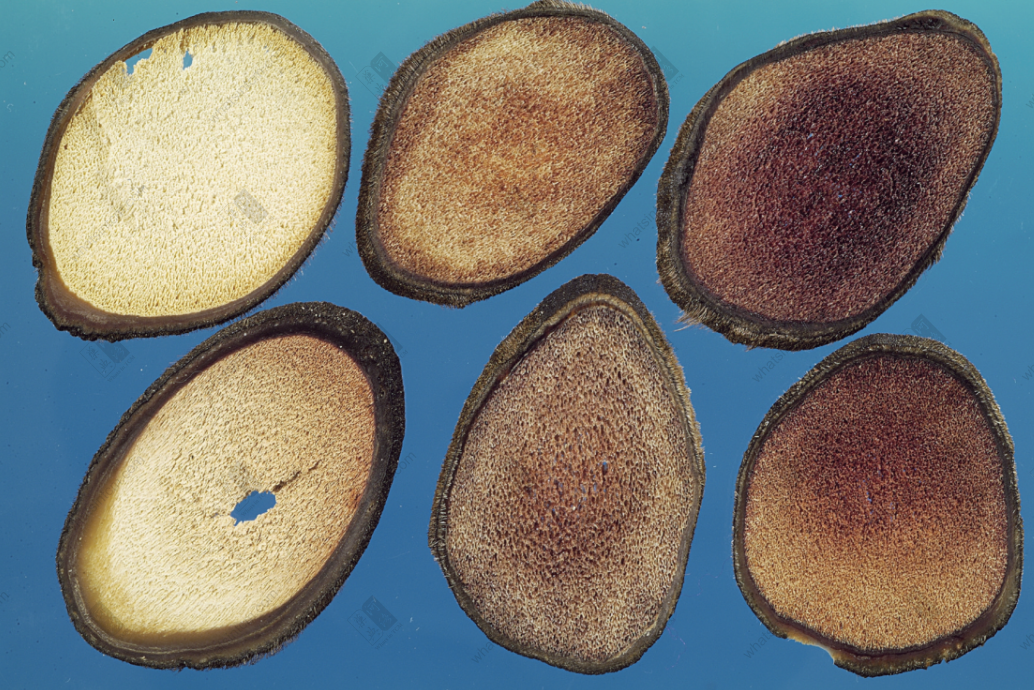 New Zealand Powder Velvet Blood Velvetnn
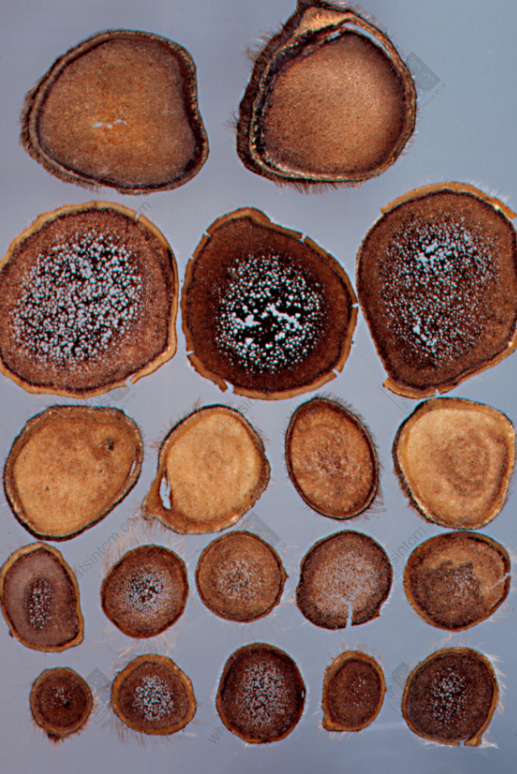 New Zealand Blood Velvetnn
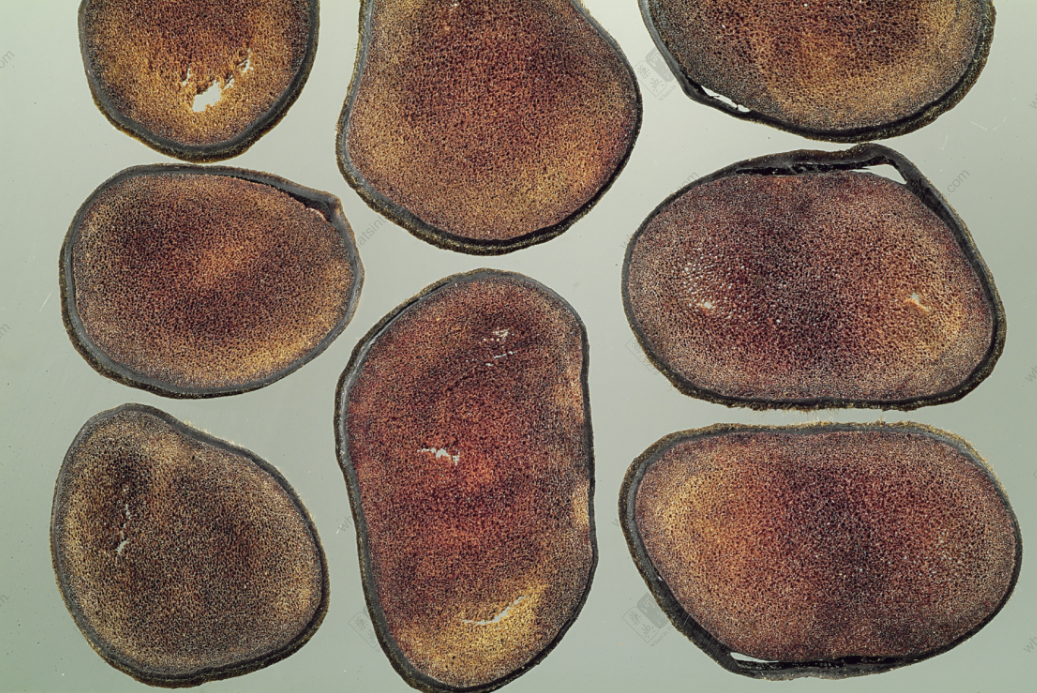 New Zealand Blood Velvetnn
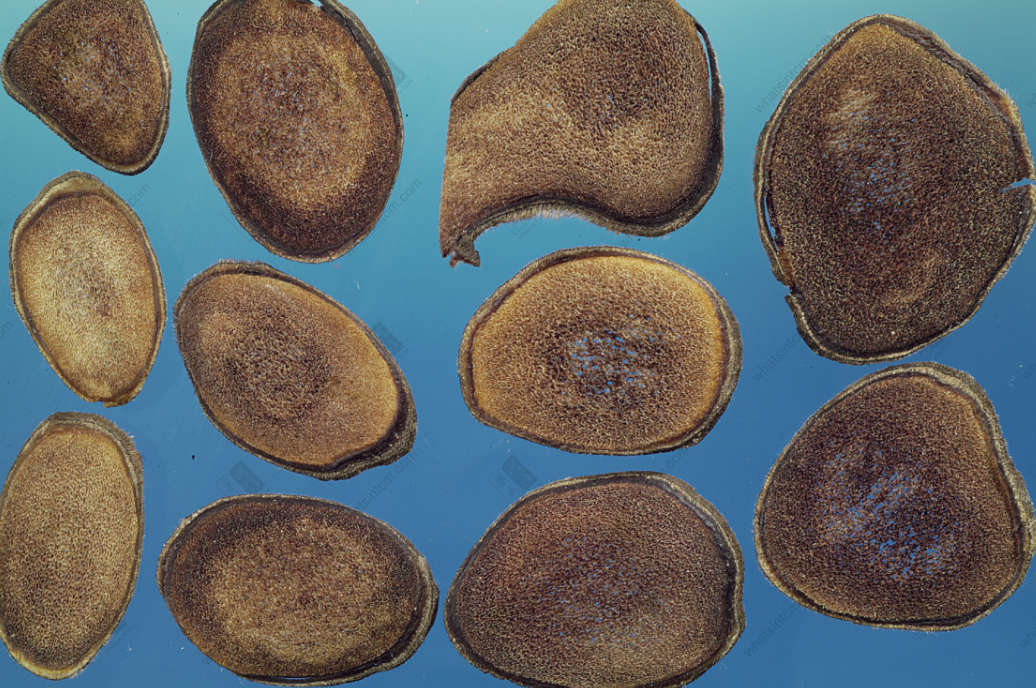 New Zealand Blood Velvetnn
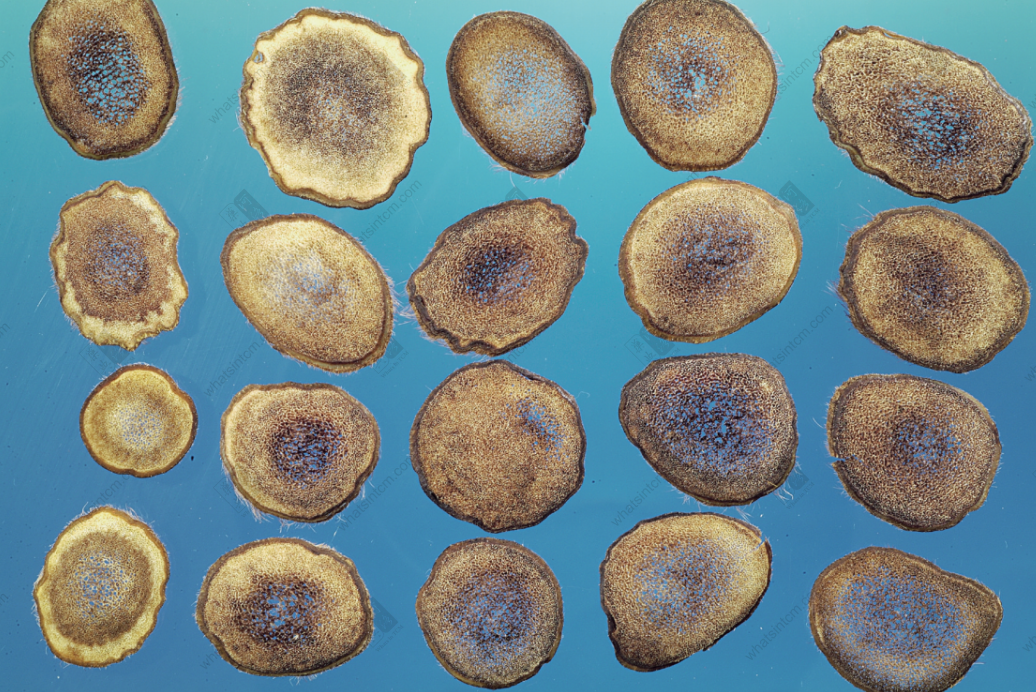 New Zealand Secondary Branchnn
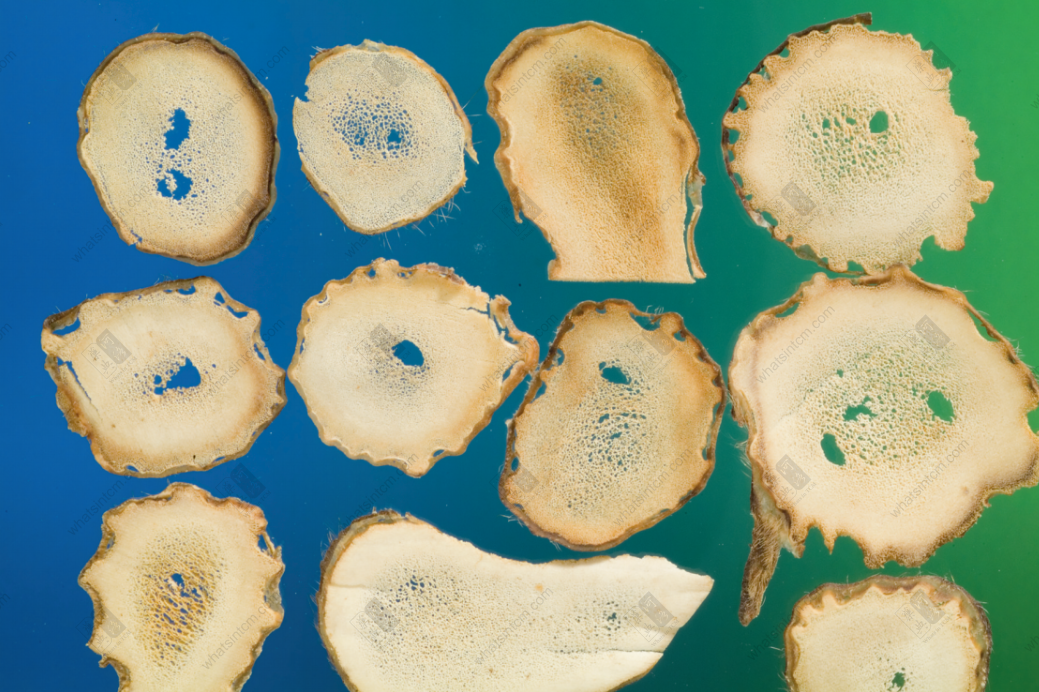 New Zealand Coarse Velvetnn
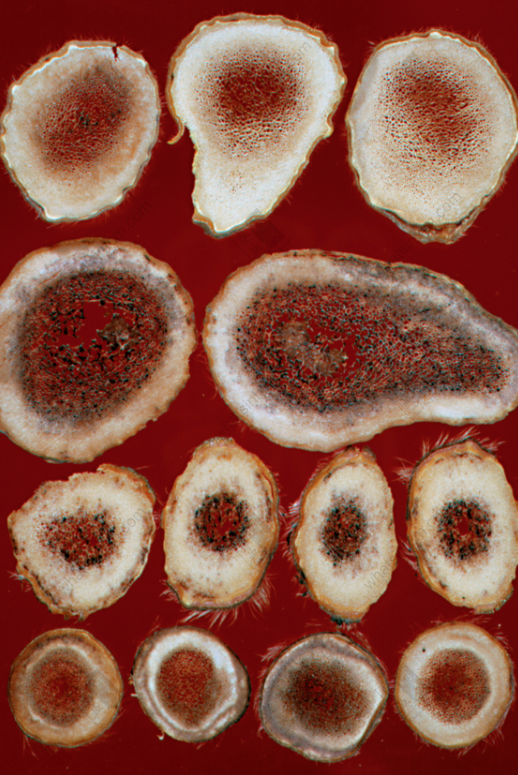 New Zealand Coarse Velvetnn
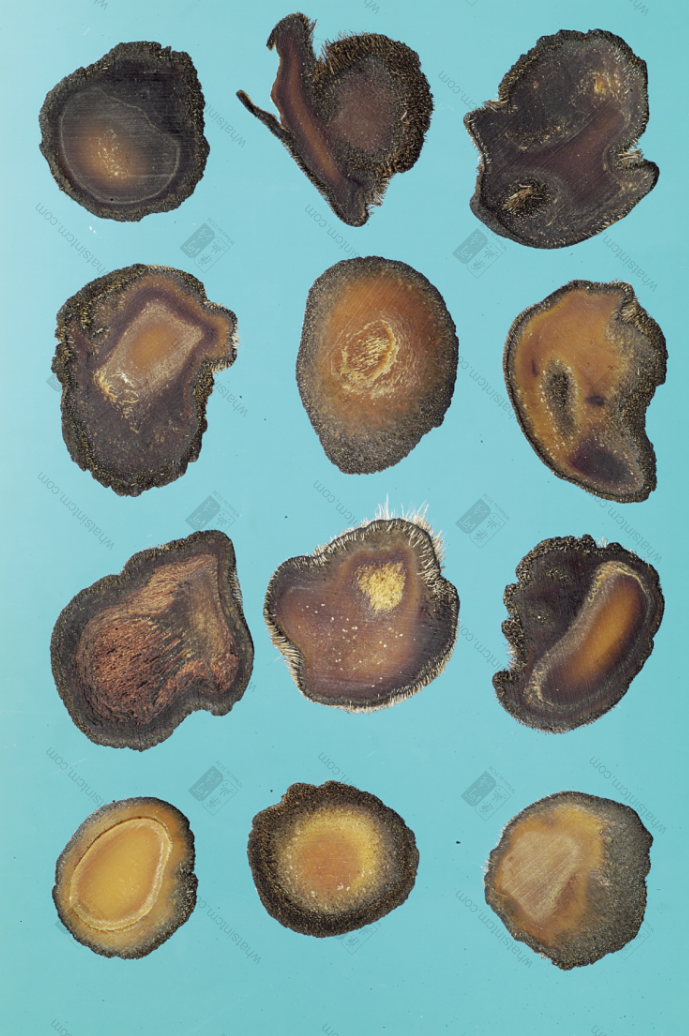 Canada Persimmon Velvetnn
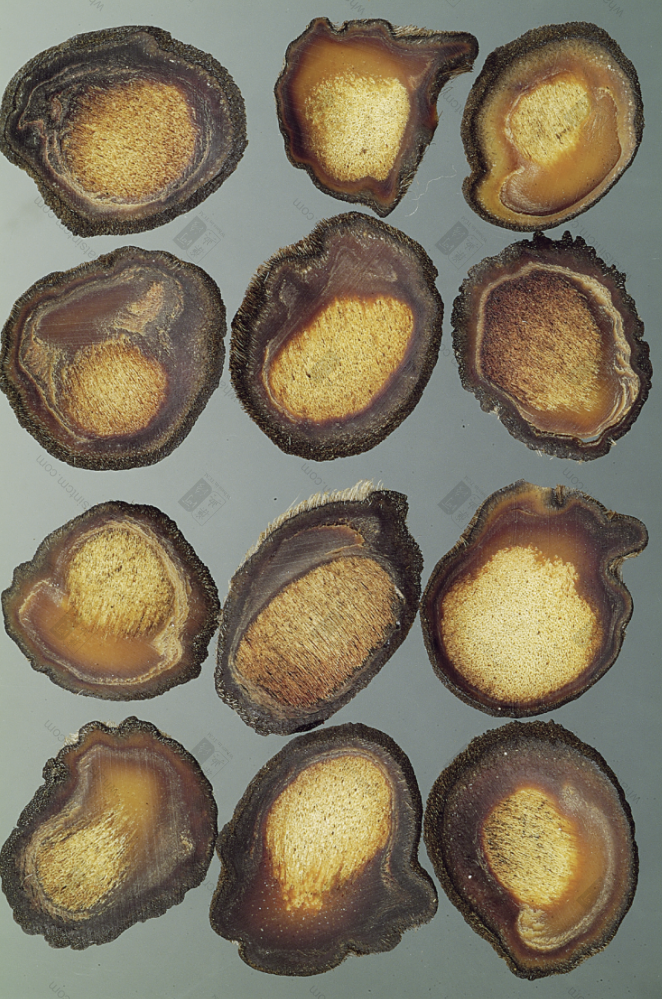 Canada Persimmon Basenn
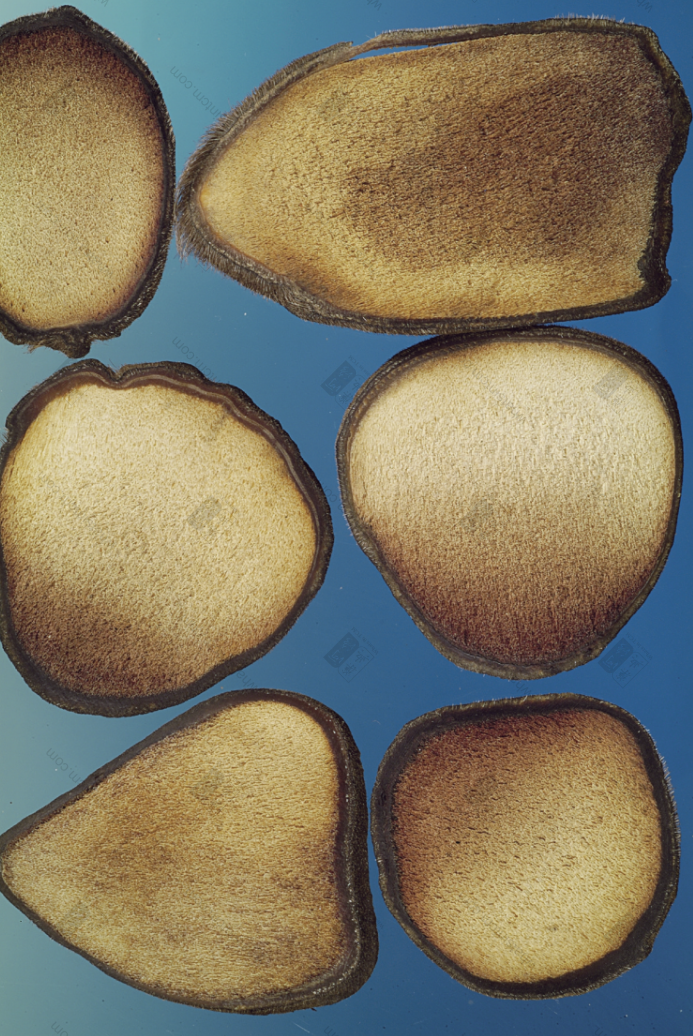 Canada Large Powder Velvetnn
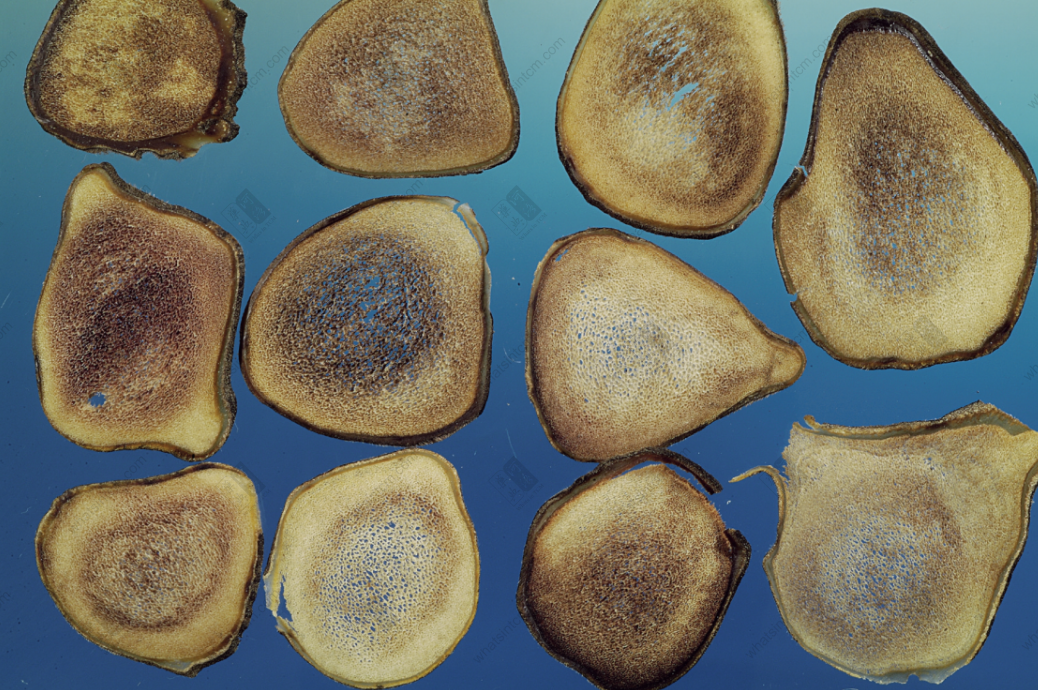 Canada Powder Velvet Yellow Slicesnn
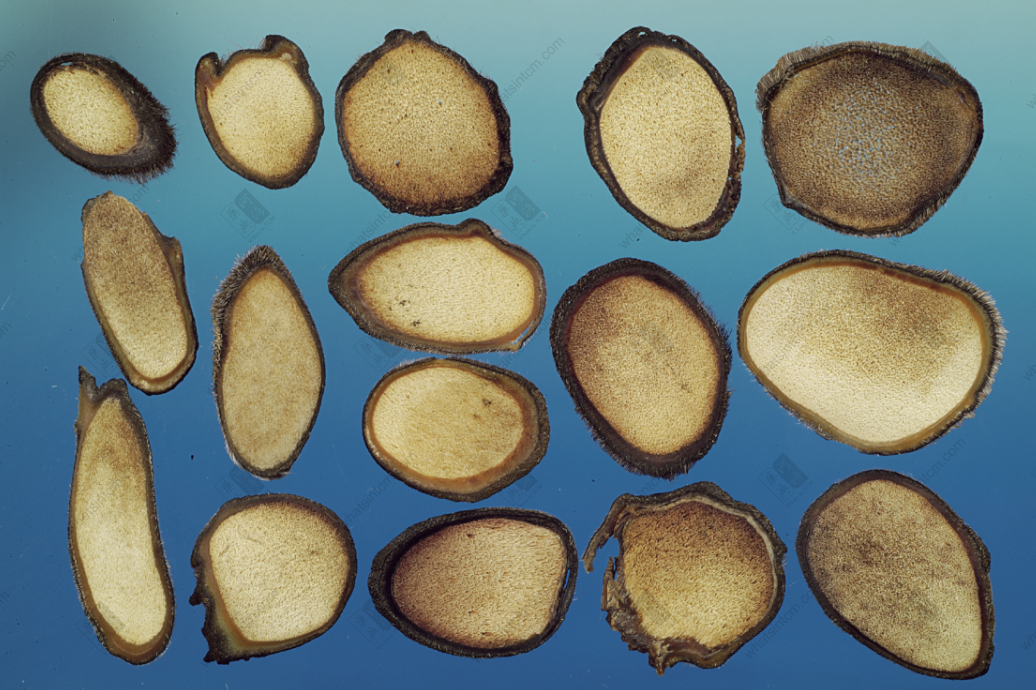 Canada Small Powder Velvetnn
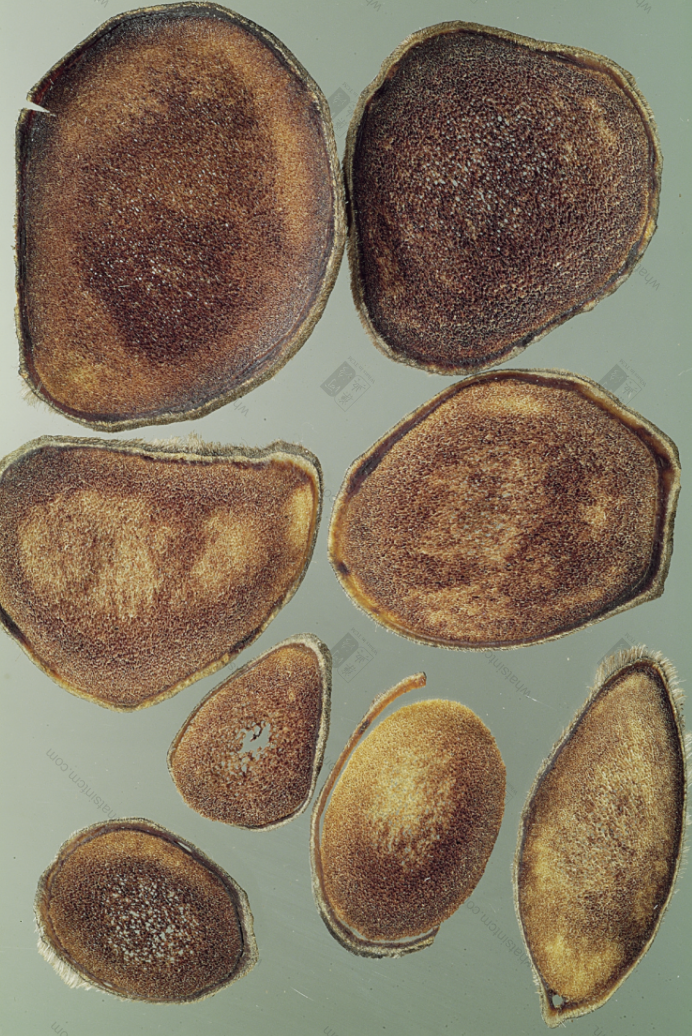 Canada Blood Velvetnn
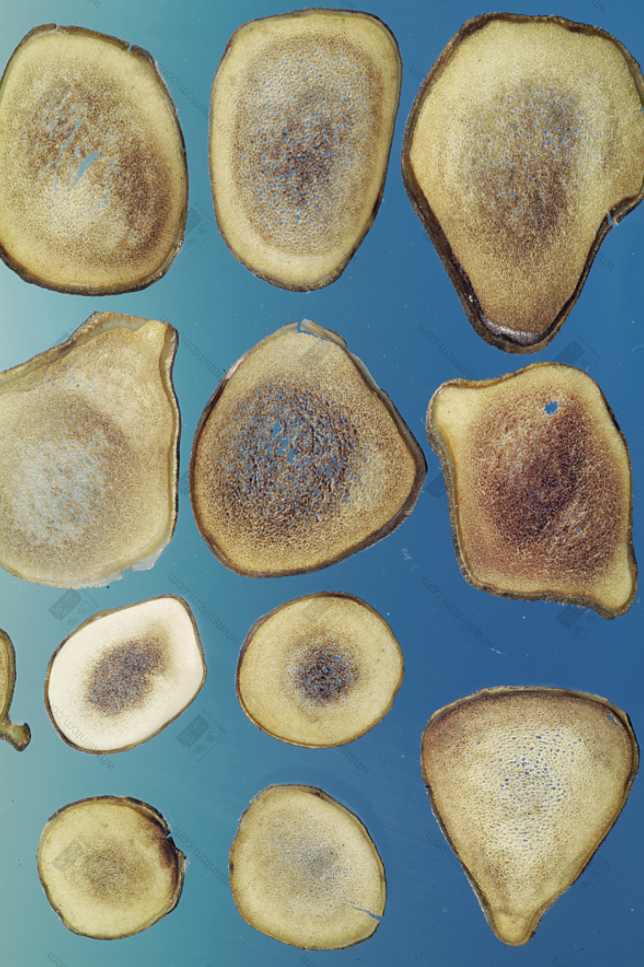 Canada Rhubarb Slices, Powder Velvet (bottom)nn
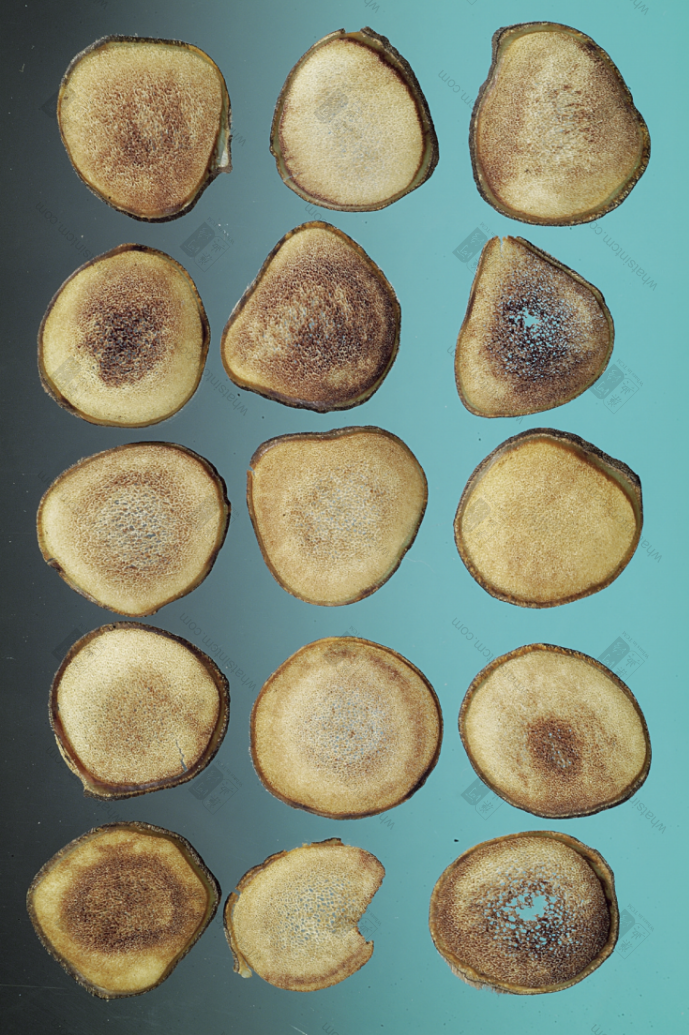 Canada Secondary Branch Tip Slicesnn
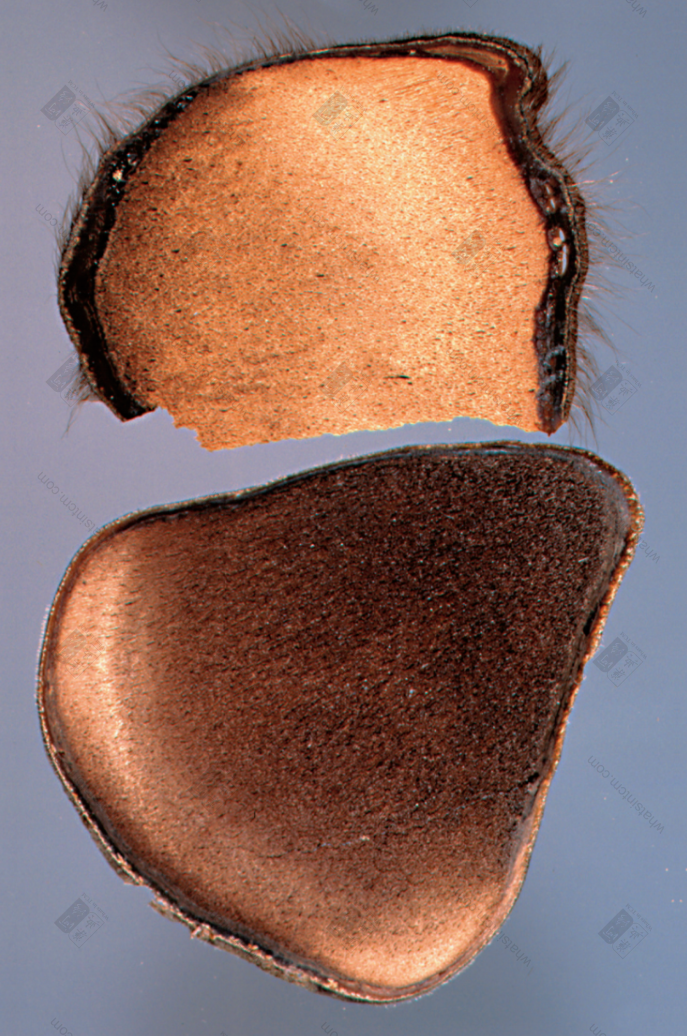 Alaska Large Powder Velvet Blood Velvetnn
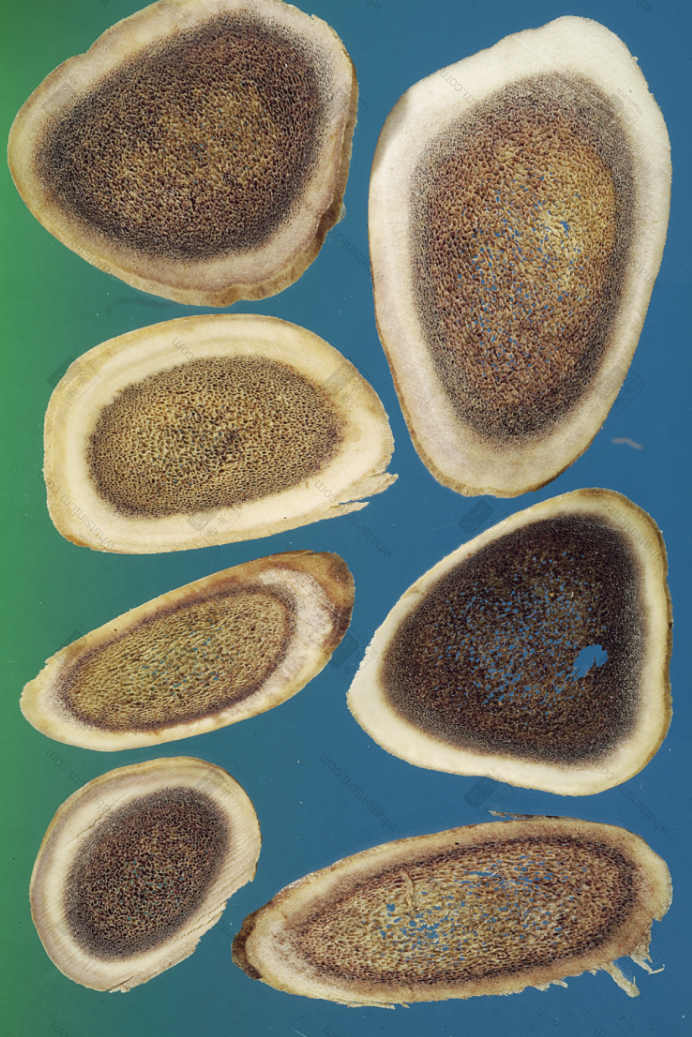 Alaska Powder Velvetnn
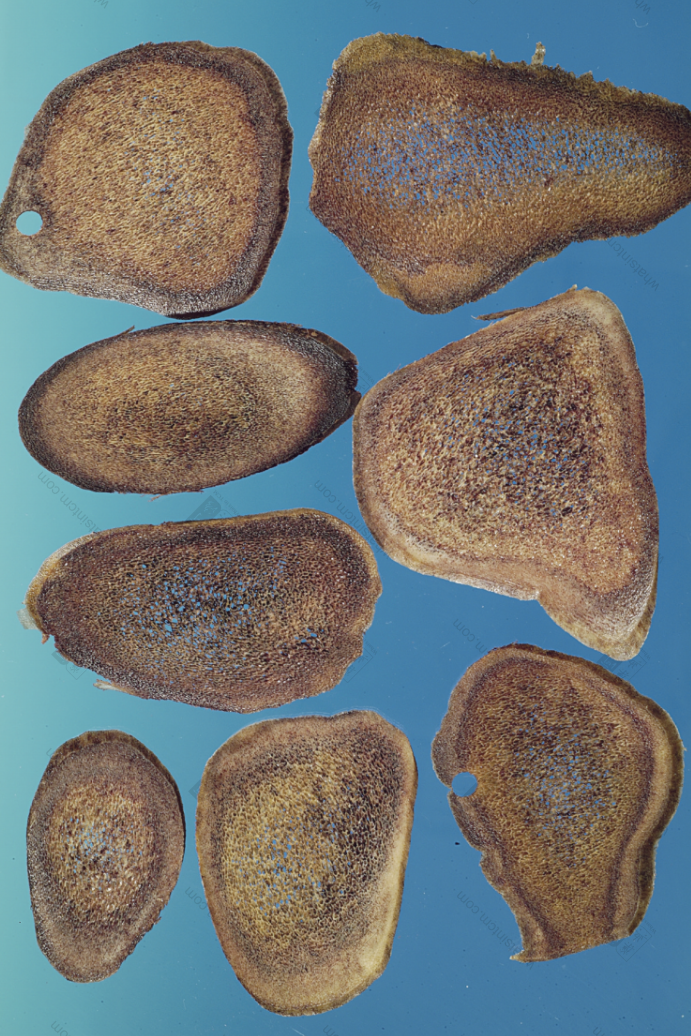 Alaska Blood Velvet Fine Velvetnn
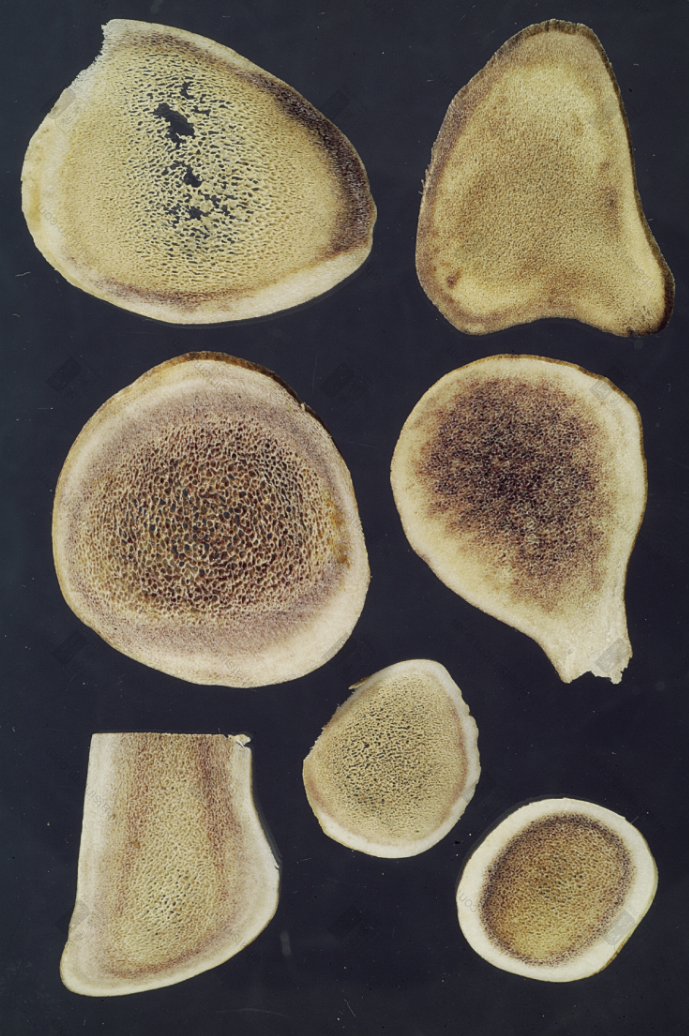 Alaska Coarse Velvetnn
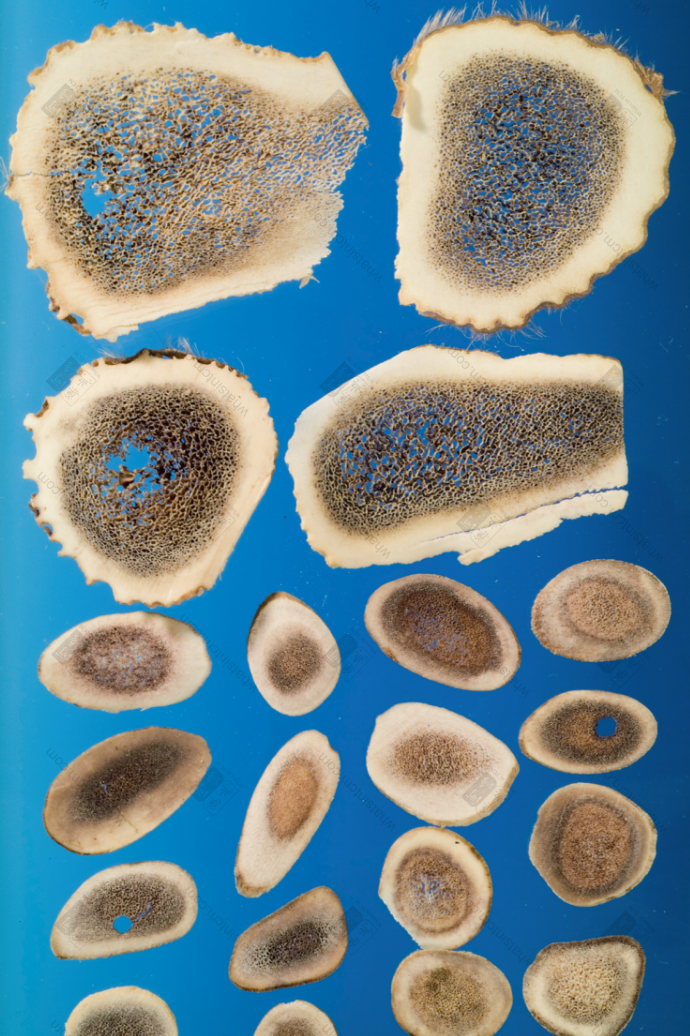 Alaska Coarse Velvetnn
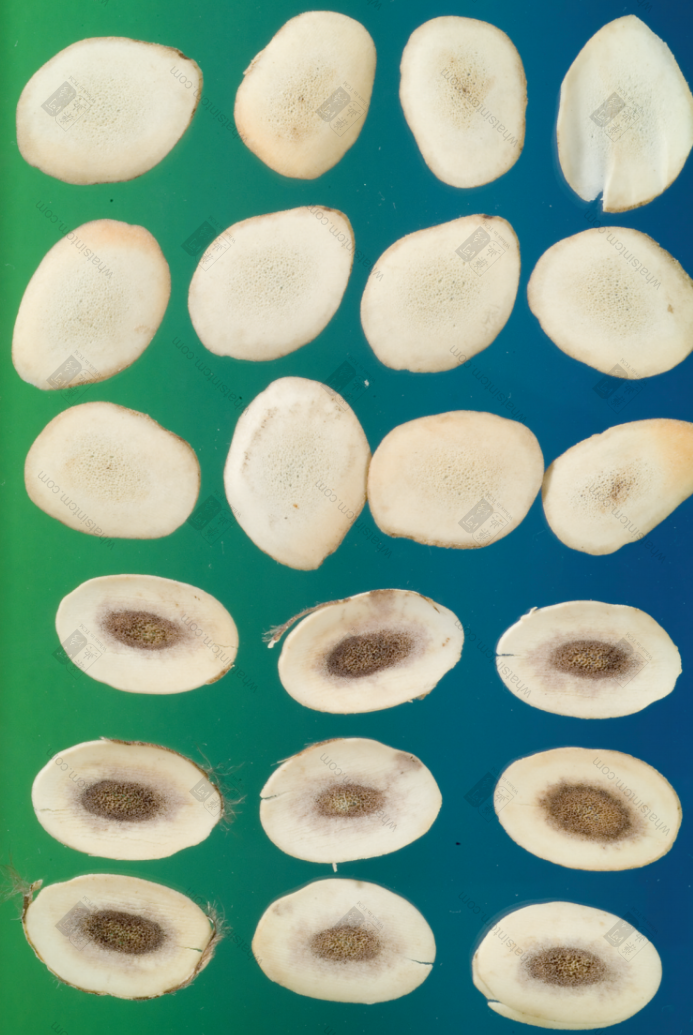 Alaska Coarse Velvetnn
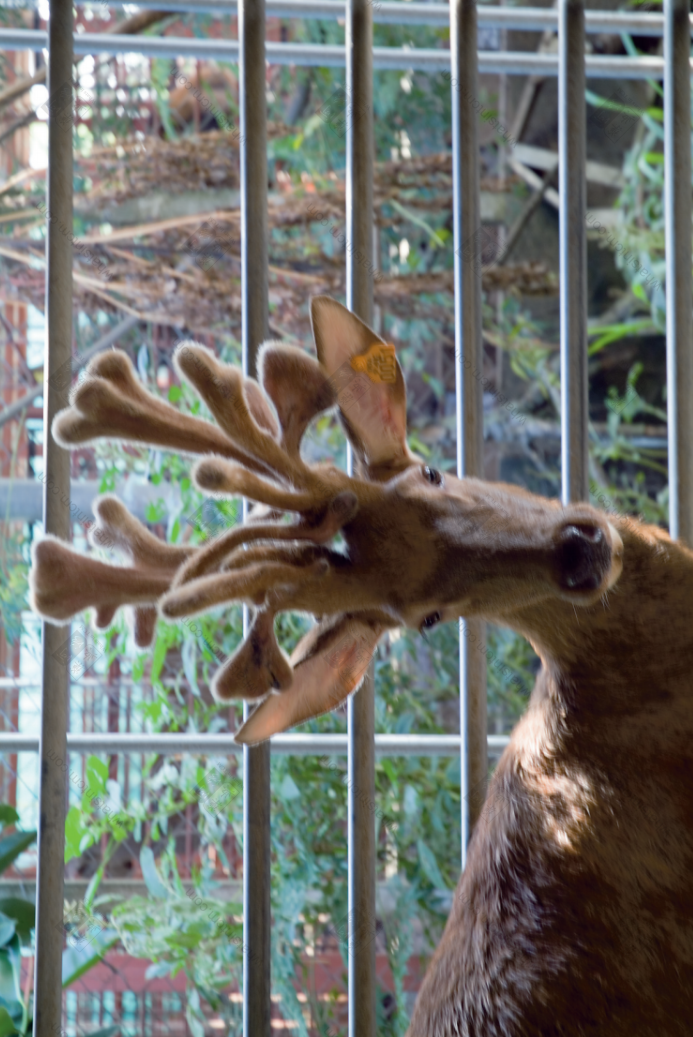 Excellent Breed First Year Newborn Velvetnn
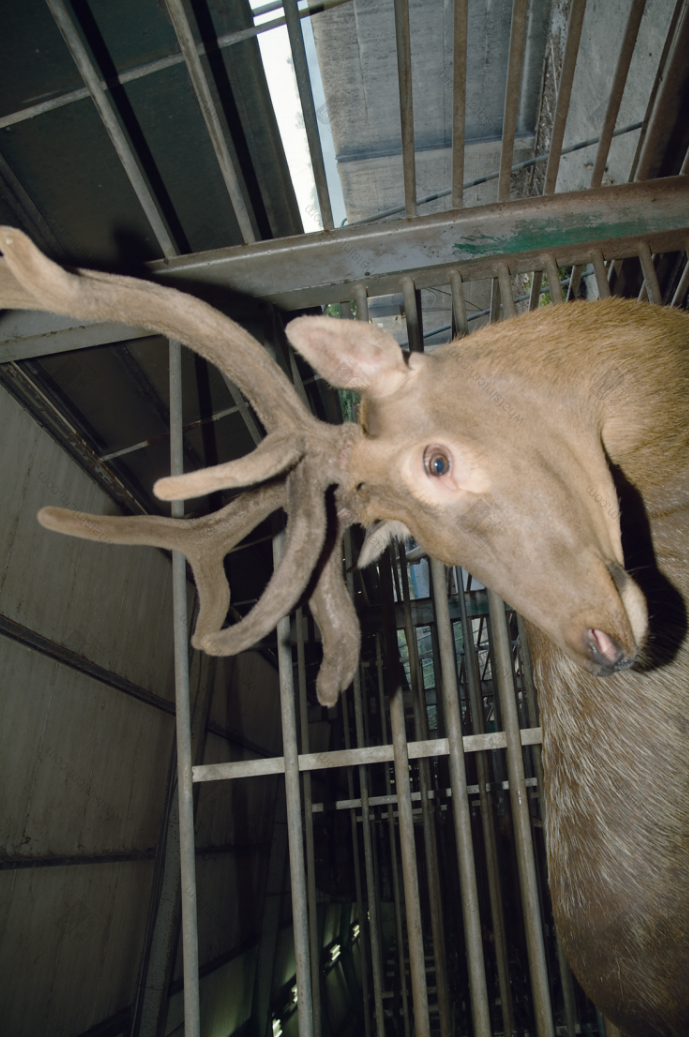 Taiwan Deer Farmingnn
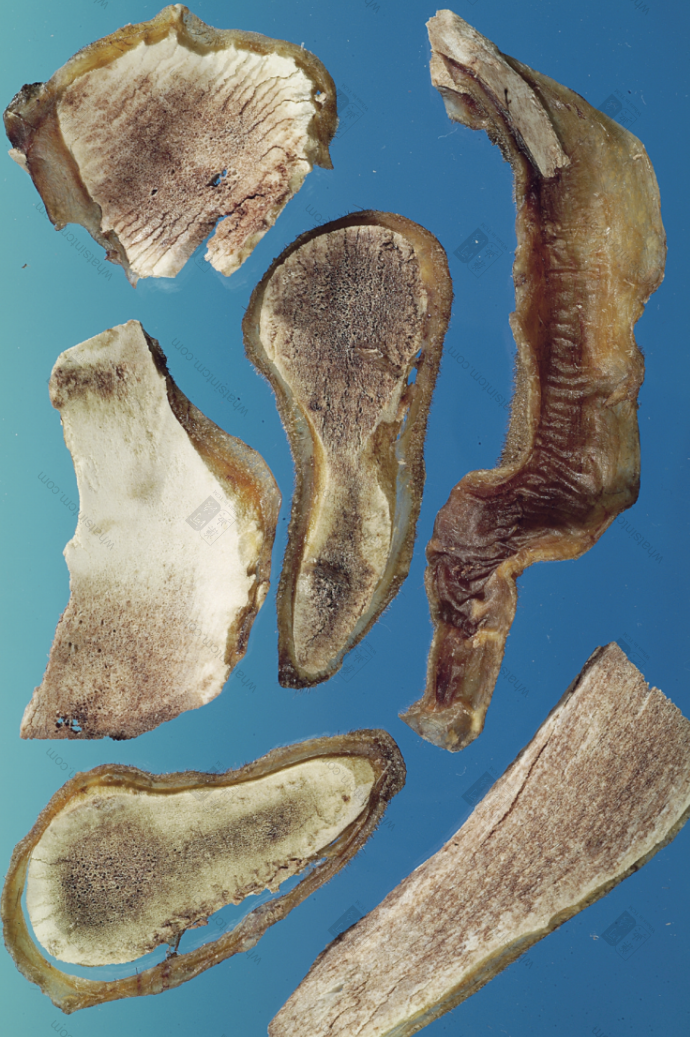 Taiwan Sambar Deer Velvet Antlernn
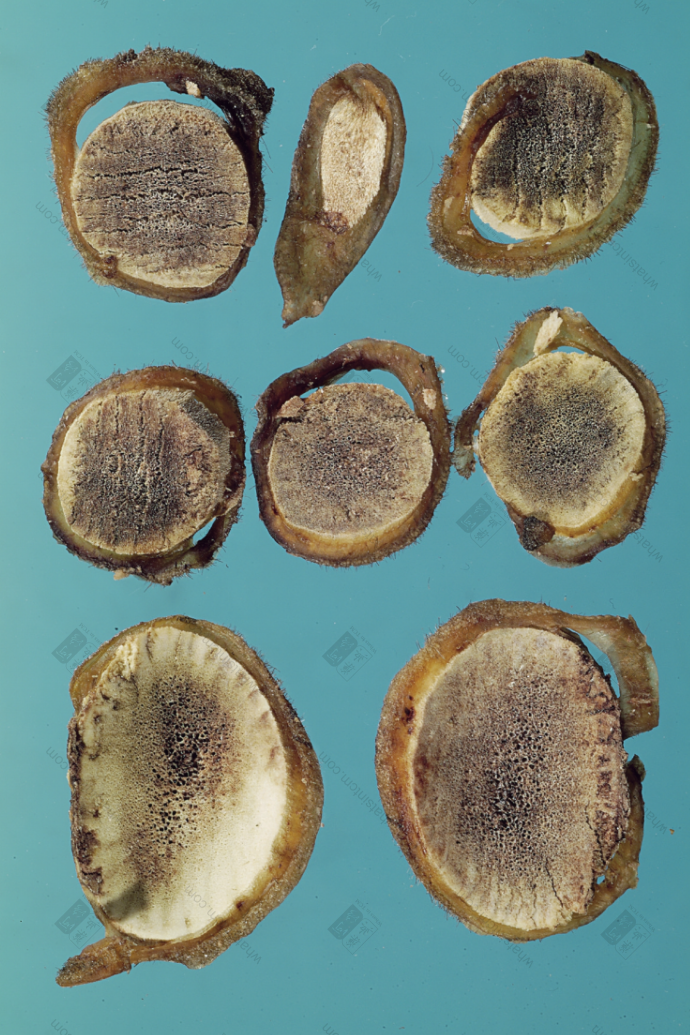 Taiwan Deer Velvet Antlernn【Naming】n
n 【Source】n
Classified as a medium-grade herb in the Ben Jing
n 【Common Usage Level】n
B
n 【Botanical Origin】n
The unossified and pubescent young antlers of various male deer of the Cervidae family, such as Sika Deer (Cervus Nippon Temminck) or Red Deer (Cervns elaphus L.) and Taiwan Sambar Deer (Rusa unicolor Bechstein). In New Zealand, Australia, America, Canada, and Alaska, the sources include not only Cervus spp. but also various deer animals such as the Elk genus (Alces spp.), and the Roe Deer genus (Capreolus spp.).
n 【Characteristics】n
Sawn Antler: Presents as a cylindrical branch, with a total length of about 20~30㎝. The diameter of the sawn end is 3~3.5㎝, with densely packed honeycomb-like small holes, and the apex is blunt and rounded. The outer skin is brown to fine brown, covered with yellow or bluish-gray velvet, fine and soft. Older ones have sparse, rough velvet, and the surface has longitudinal ribs, commonly known as “qi jin” (raised tendons). Slightly fishy smell, slightly salty taste.nnChopped Antler: Antler with brain bone. The shape of the antler is the same as the sawn antler. The two antlers are about 5~6㎝ apart. The front end of the brain bone is cut flush with the eyes, and the back end has a pair of arc-shaped bones, arranged on both sides, commonly known as “tiger teeth”. The outer brain skin is densely covered with velvet, and the smell is the same as that of sawn antler.
n 【Processing】n
1. Sliced 2. Deer Velvet Antler powder
n 【Identification】n
“Su Shen Liang Fang”: “If it is too little, it is not effective; if it is too hard, it is too old. Only a few inches long, when broken, the flesh is like decayed wood, and the velvet ends are like agate red jade, which is the best.” “Zheng Lei Ben Cao”: “The flesh is like decayed wood. The velvet ends are like agate red jade, which is the best.” “Zheng Lei Ben Cao”: “Also, small side tips are best, and the color is pale white.” “Pu Ji Fang”: “Deer Velvet Antler that is new is good, and old is not good.” “Ben Cao Meng Quan”: “Amber red and moist is the best.” “Gu Jin Yi Tong Da Quan”: “The shape is like a small purple eggplant is the best. Also, do not use too tender, only four or five inches long, the section ends are like agate red is the best.” “Ben Cao Gang Mu”: “The shape is like a forked saddle, the velvet ends are like agate red jade, and when broken, the flesh is like decayed wood is the best.” “Pao Zhi Quan Shu”: “Forked saddle, the velvet ends are like agate, red jade, and when broken, the flesh is like decayed wood is the best.” “Ben Cao Jian Yao Fang”: “Velvet collected when the horns are just growing two or three inches long is the best.” “Zeng Yao Bian”: “Deer Velvet Antler with blood on the tip is called blood persimmon velvet, which is very expensive.” “Liang Lie Jian Bie”: “Small, light, loose and sparse is the genuine product.” The best is one that is large, robust, heavy, symmetrically forked, with the horns upright, not sloping backward, aesthetically pleasing, with a rounded apex, fine and soft reddish-brown skin, no raised tendons on the surface, and a loose body when knocked. If the two antlers are asymmetrical (called mandarin duck style), the appearance is not beautiful, the hair is rough, and the surface has raised tendons, indicating that the quality is old and inferior.
n 【Identification Terms】n
1. One stalk (single stalk, drum hammer): That is, an unbranched unicorn deer antler, which is mostly the “newborn antler” of two-year-old young deer.n2. Second crop antler: Deer antler is generally sawn twice a year, and the one sawn around the Beginning of Autumn is the “second crop antler”, and the quality is not as good as the “first crop antler”.n3. Two forks: Specifically refers to the sika deer antler with one branch.n4. Three-pronged: Refers to the sika deer antler with two branches. The antler of the red deer with three side branches is also called “three-pronged”.n5. San Sheng Rong: Refers to the deer antler produced in Northeast China and Vladivostok.n6. Large main branch: Specifically refers to the main branch of the deer antler with one branch. Or the flower deer antler with one branch is “two forks”, and its main branch is commonly known as “large main branch”.n7. Four-flat head: The front end of the chopped antler brain bone is flat and retracted, and there are a pair of arc-shaped bones arranged on both sides (commonly known as tiger teeth), which can be flattened, called “four-flat head”.n8. Four-pronged: Refers to the sika deer antler or red deer antler with three side branches.n9. Proper three fingers: Three fingernails are placed flat on the brain bone between the branches of the chopped antler, which is exactly suitable for a distance of 3~4 fingers.n10. Savings book: The inside of the deer antler has been broken, and the epidermis has not cracked, but there are traces.n11. Old hairy branch: Refers to the old red deer antler with three or four forks or more, which is about to become a deer horn, but the skin velvet has not been removed, commonly known as “old hairy branch”.n12. Fold mark: Refers to the trace after the deer antler is broken and healed during the growth period.n13. Groove: The main branch of the deer antler is not full and shrinks into a groove shape.n14. Flower plate: Refers to the base of the horns of deer or other animals, a disc-shaped bone ring formed by the aggregation of a large number of wart-like protrusions.n15. Tiger teeth: The chopped antler with brain bone, there is a pair of arc-shaped bones at the back end of the brain bone, arranged on both sides, like the double teeth of a tiger.n16. Door post: Specifically refers to the side branches of the sika deer antler with one branch, which are about 1㎝ away from the sawn end, about 9~15㎝ long, and slightly thinner in diameter than the main branch (large main branch).n17. Door stake: Refers to the first branch of the deer antler.n18. Persimmon velvet (wax slices, blood slices): It is a decoction piece cut horizontally from a quarter of the top of the whole <
Related Products
