



Gastrodia Tuber (Tianma)
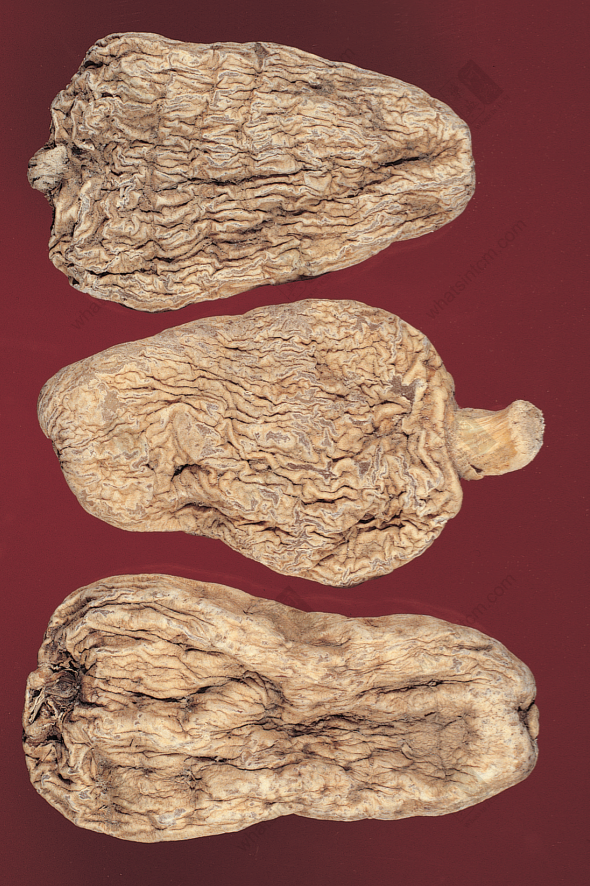 First-Grade Sichuan Gastrodia Tuber (Sesame seed dots, round disc base) (Oval, slightly flattened, yellowish-white, wrinkled, curved, and translucent)
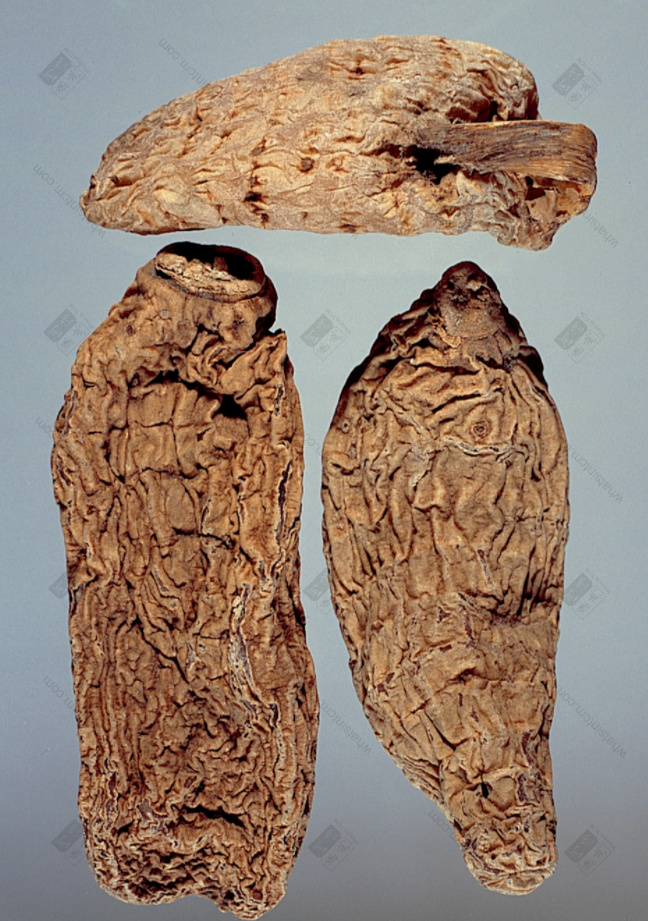 Second-Grade Sichuan Gastrodia Tuber (Parrot’s beak, toad skin)
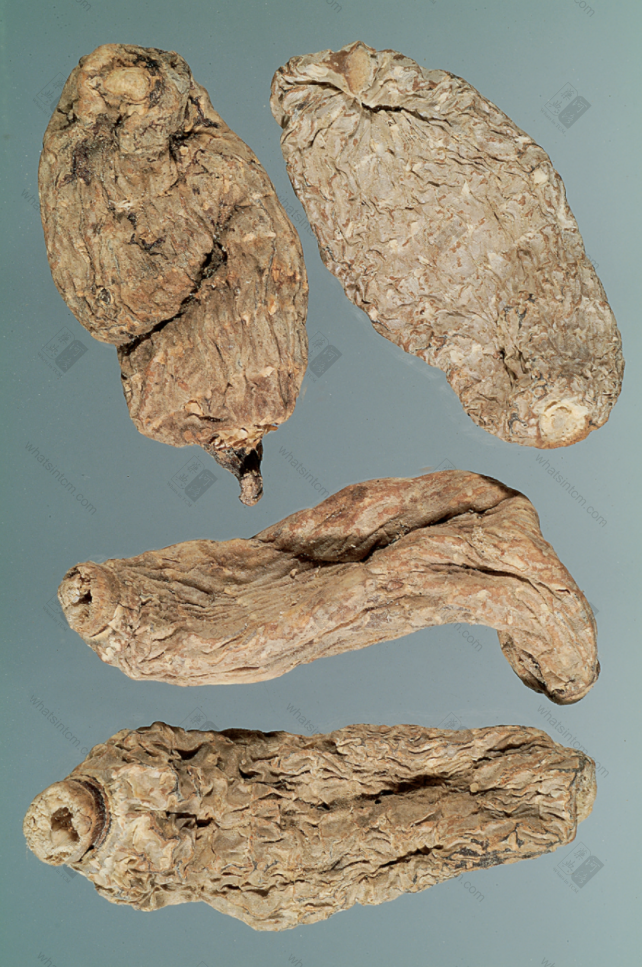 Sichuan Gastrodia Tuber (Top), Yunnan Gastrodia Tuber (Bottom)
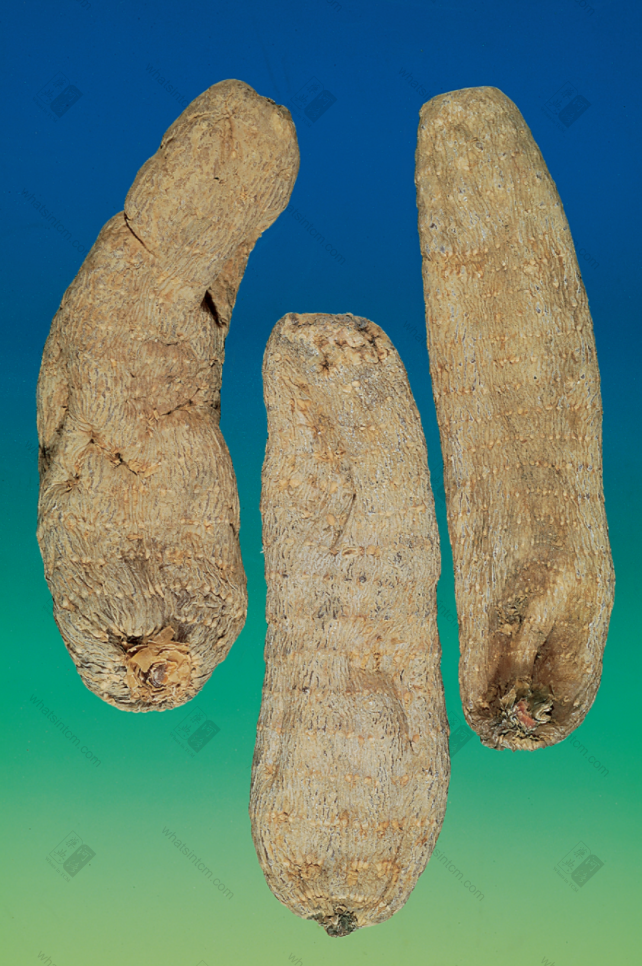 Sichuan Gastrodia Tuber (Fish scale pattern, round umbilical scar, dotted ring) (Longitudinal node ring with red stem)
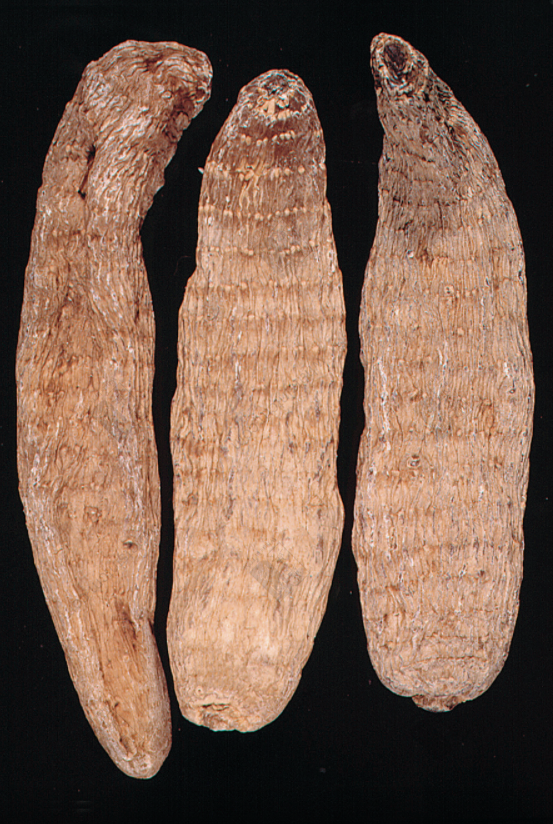 Guizhou Gastrodia Tuber
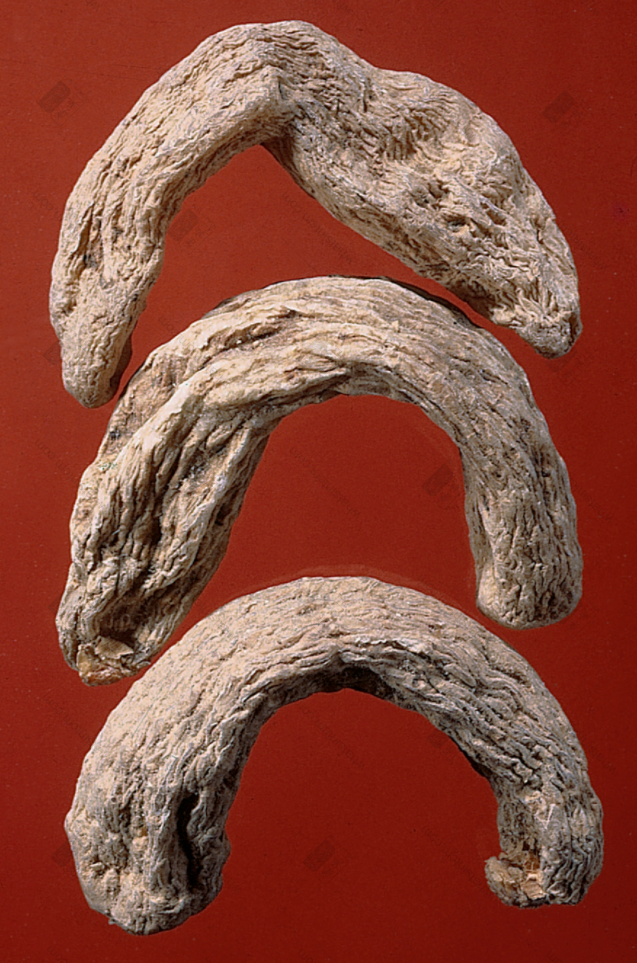 Guizhou Gastrodia Tuber (Pickled cucumber)
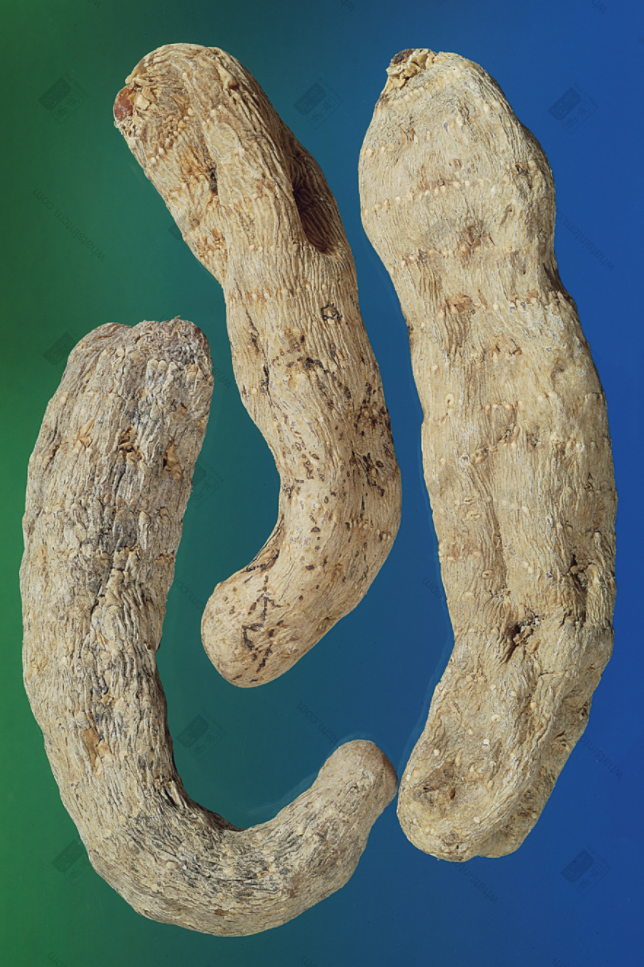 Guizhou Gastrodia Tuber (Right 1: Sulfur fumigated)
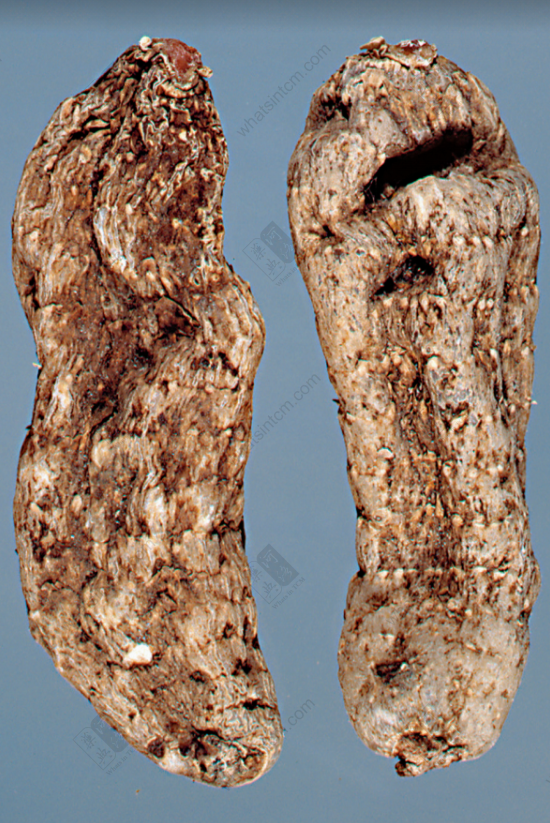 Cultivated Guizhou Gastrodia Tuber
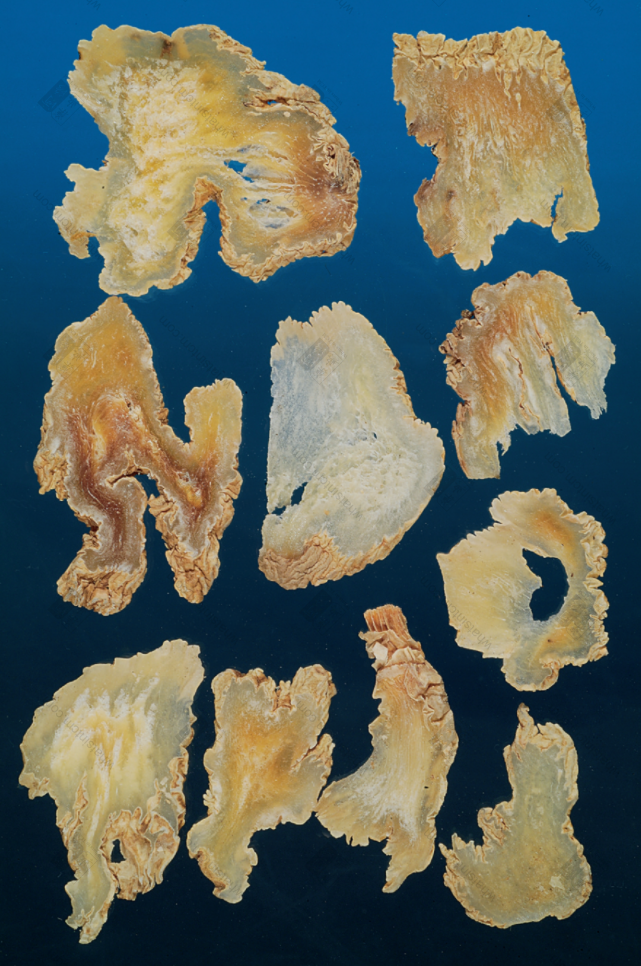 Wild Sichuan Gastrodia Tuber Slices (Gem-like luster) (Fissures, translucent)
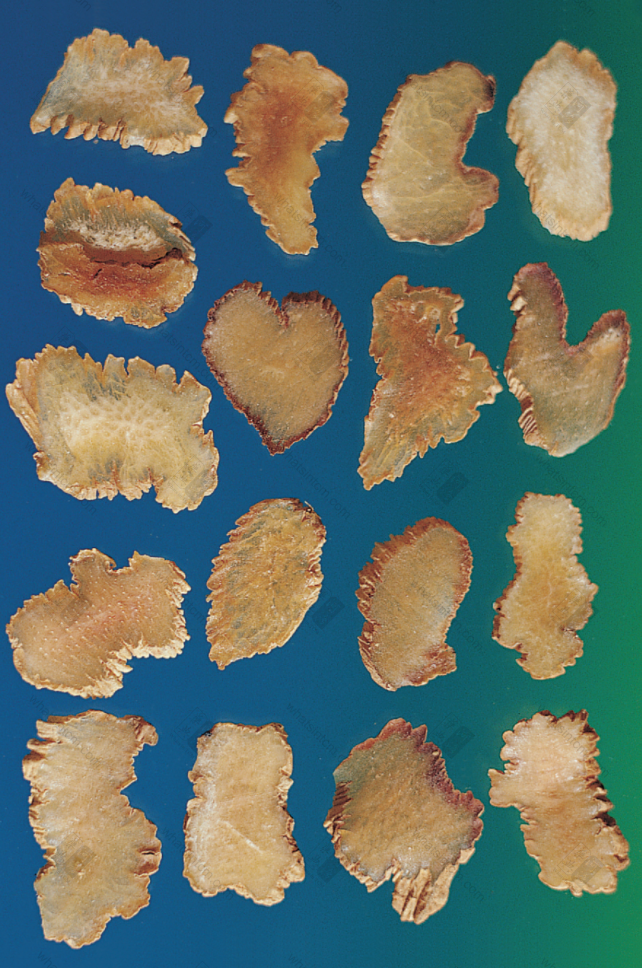 Wild Third-Grade Gastrodia Tuber Slices
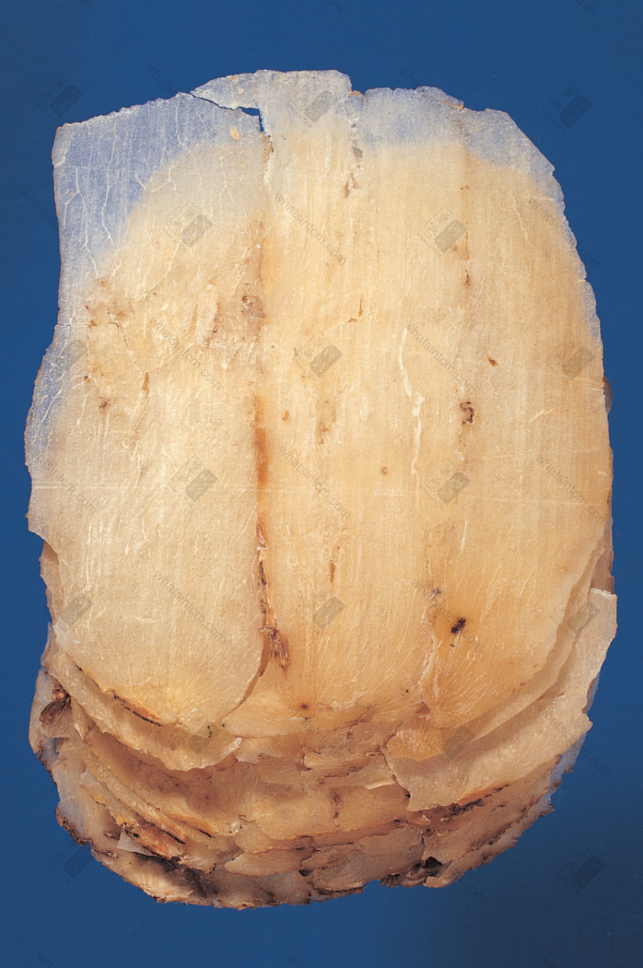 First-Grade Sichuan Gastrodia Tuber Slices (Flattened and assembled)
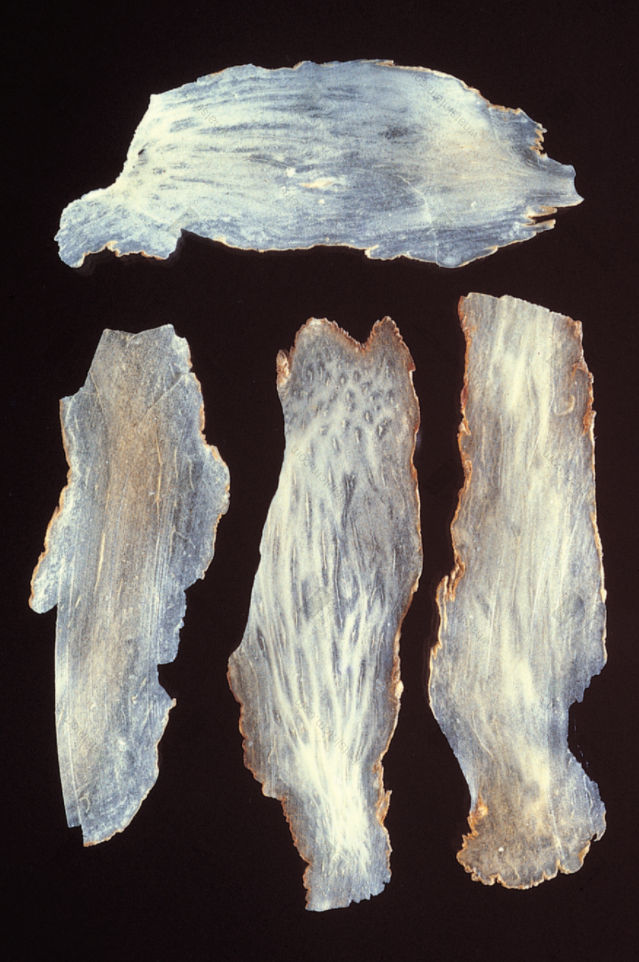 Sichuan Gastrodia Tuber Slices
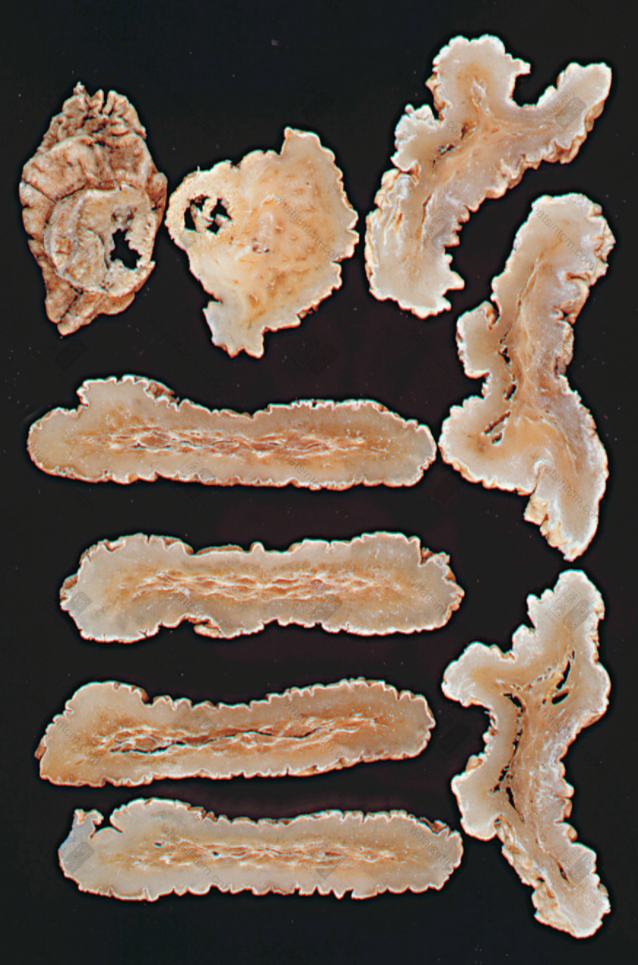 Sichuan Gastrodia Tuber Slices
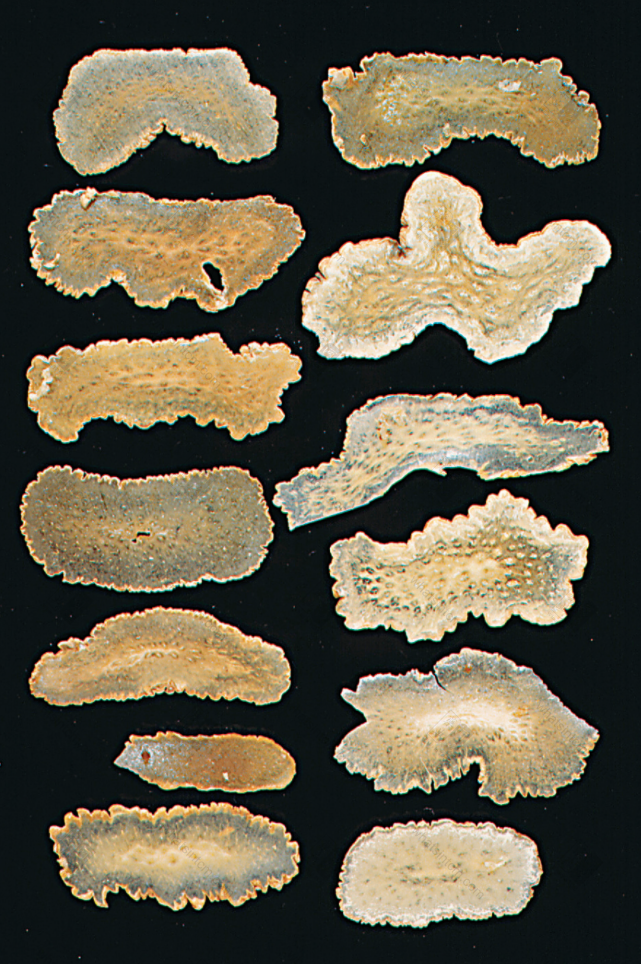 Guizhou Gastrodia Tuber Slices (Gem-like luster)
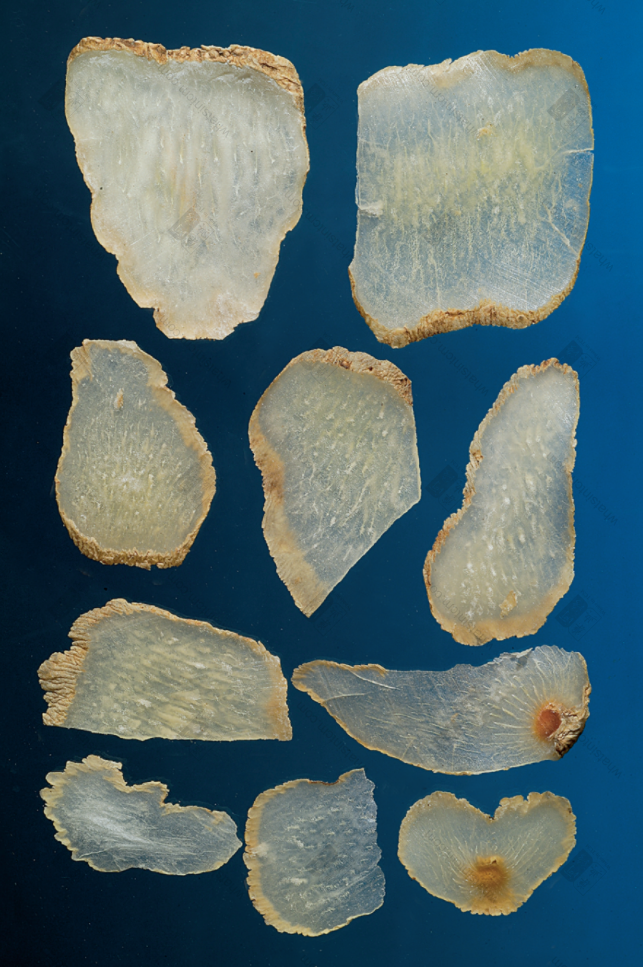 Cultivated Guizhou Gastrodia Tuber Slices
【Naming】
【Source】
Song Kaibao
【Common Usage Level】
B
【Botanical Origin】
The tuber of Orchidaceae Gastrodia elata B1.
【Characteristics】
Elongated oval, slightly flattened, flattened round or oblong, wrinkled and curved, with a dried and withered bud remnant stem base at the upper end, red or brownish-red, commonly known as “parrot’s beak”. The lower end is disc-shaped with a circular root scar, presenting as a disc-shaped scar, called “umbilical eye”. It is 6-10 cm long, 2-5 cm in diameter, and 0.9-2 cm thick, but can also be longer. The surface is yellowish-white or light yellowish-brown, translucent, often with remnants of light-colored flaky outer skin, mostly longitudinal wrinkles, commonly known as “ginger skin”, and several rows of inconspicuous fibrous root scars arranged in ring-like transverse ring patterns (dotted ring patterns, a dozen circles), commonly known as “sesame seed dots”. Winter Gastrodia tubers have fine and few wrinkles. Spring Gastrodia tubers have coarse wrinkles, are hard in texture, and are not easy to break, having a horny texture.
The decoction pieces are very thin small slices, irregular in shape, 0.8-1.5 cm wide. The cut surface is translucent, glossy, and horny, commonly known as “waxy appearance”, with dotted or linear vascular bundles visible. The center is sometimes white and powdery. It is brittle, easily broken, and crunchy when chewed with a sticky texture.
【Processing】
1. Raw Gastrodia Tuber 2. Baked Gastrodia Tuber 3. Stir-fried Gastrodia Tuber
【Identification】
Ben Cao Pin Hui Jing Yao: “The ones with white and bright roots are good.” Ren Shu Bian Lan: “Gastrodia tubers that resemble a melon are excellent.” Ben Cao Chong Yuan: “It should be slightly cold to be considered good.” Ben Cao Qiu Zhen: “The ones that are bright and firm are excellent.” Liang Lie Jian Bie: “Yellowish-white, transparent, and melon-like ones are good quality.”
This product should be translucent. The surface has sesame seed dots, wrinkles, and ring-like segments. The upper end has a “parrot’s beak” (red bud). It has a heavy gelatinous texture, breaks with a clean snap without crumbling into powder when struck, and is crunchy and sticky when chewed. Slices show a “gem-like luster”. Generally, the larger the size, the firmer the body, the tighter the wrinkles, the finer the skin, the thicker and tenderer the flesh, the yellowish-white color, and the brighter and more translucent the cut surface, the better the quality, also known as “bright Gastrodia Tuber”. Uneven sizes, grayish-brown color, coarse skin, thin flesh, light body, and hollow ones are considered inferior. Wild products are superior to cultivated ones, and winter Gastrodia tubers are of better quality than spring Gastrodia tubers. A key feature of wild Gastrodia tubers is that they are often hollow.
【Identification Terminology】
1. Winter Gastrodia Tuber: Refers to Gastrodia Tuber medicinal materials harvested after the winter solstice when the red buds of the Gastrodia Tuber have not emerged from the soil. The tuber is full and of good quality.
2. Sow Skin: The surface of the Gastrodia Tuber has ring-like patterns or residual coarse skin, resembling the skin texture of a sow’s back.
3. Sow Bubble (Sow Shell): Refers to Gastrodia Tuber medicinal materials that are light, porous, and hollow.
4. Horny Texture (Waxy Appearance): Refers to some Chinese medicinal materials containing starch and other polysaccharides. After processing and preparation, especially steaming and boiling, the starch and polysaccharides gelatinize, and after drying, they present a translucent and glossy form, especially noticeable on the cut surface. For example, Gastrodia Tuber and Bletilla striata, etc., all have a horny appearance on their cut surfaces. Gastrodia Tuber has a translucent, glossy, horny cut surface, commonly known as “waxy appearance”.
5. Drawing Grooves: (1) Refers to the longitudinal grooves formed on the surface of roots or rhizome medicinal materials after drying. For example, Gastrodia Tuber, Rhubarb, Asparagus Root, Stemona Root, Aster Root, Atractylodes Rhizome, Ligusticum Root, etc., all have drawing grooves. (2) Refers to Deer Antler antlers that are not full and shrink into a groove shape.
6. Bright Gastrodia Tuber: Refers to Gastrodia Tuber that is harvested, washed, peeled, rinsed with clean water, steamed thoroughly, and dried. Its characteristics are large size, solid body, yellowish-white and bright color, and translucent appearance.
7. Sesame Seed Dots: Degenerated fibrous root scars or unique slightly protruding buds on the surface of Gastrodia Tuber. The surface is yellowish-white or light yellowish-brown, and several rows of inconspicuous fibrous root scars are visible, arranged in ring-like transverse ring patterns, appearing as small dots arranged in a discontinuous ring.
8. Spring Gastrodia Tuber: Refers to Gastrodia Tuber medicinal materials harvested before the beginning of summer when the Gastrodia Tuber has just emerged from the soil and is developing its stalk. The quality is not as good as winter Gastrodia Tuber.
9. Broken Head: Refers to spring Gastrodia Tuber medicinal materials with stem bases attached.
10. Round Disc Base (Concave Umbilicus, Umbilical Eye): Refers to the round umbilical-shaped concave scar at the bottom of Gastrodia Tuber, which is the scar left after it detaches from the mother Gastrodia Tuber. It is a key point in identifying genuine Gastrodia Tuber.
11. Ginger Skin Appearance: The surface of the Gastrodia Tuber is grayish-yellow or light brown, with longitudinal wrinkles and fine lines, resembling ginger skin.
12. Pickled Cucumber Gastrodia Tuber: Gastrodia Tuber is flattened round or oblong, slightly curved, resembling pickled cucumber.
13. Toad Skin: Refers to the latent buds and longitudinal and transverse wrinkles remaining on the surface of Gastrodia Tuber medicinal materials, resembling the outer skin of a toad.
14. Mirror Surface: The cut surface of Gastrodia Tuber is flat, bright, and horny, translucent, and is called having a mirror surface, which is the result of starch gelatinization. In addition, Corydalis yanhusuo, Turmeric, Bletilla striata, Ginger, etc., also have a “mirror surface”, but it is called “horny” or “waxy luster”.
15. Gem-like Luster: Mostly refers to some horny medicinal materials, where the horny texture is honey-white and tender, with a smooth, bright, and attractive luster.
16. Parrot’s Beak: The brownish-red or reddish-yellow dried and withered buds or strip-shaped stem scars remaining at the top of the Gastrodia Tuber (winter Gastrodia Tuber), which are formed by the extension of the buds. It is an important characteristic for distinguishing genuine from fake Gastrodia Tuber.
【Section】
Rhizomes